Packaging machinery decisions made clearer.
Use these practical answers to prepare better machinery enquiries and avoid common specification mistakes.
What to prepare before asking for a quote
- Product type, viscosity or flow characteristics.
- Container or pack samples with dimensions.
- Closure, label, film or consumable details.
- Target output per minute or per hour.
- Available footprint, power and compressed air.
How do I choose a filling machine?
Start with product viscosity, fill volume, accuracy requirement, container opening, speed target and cleaning expectations. Free-flowing liquids, viscous pastes, powders and granules each need different dosing technology.
What information is needed for a capping enquiry?
Provide cap type, cap diameter, bottle height, neck finish, torque target, required output and whether caps will be manually placed, bowl fed or fully automatically handled.
When should I choose a complete line?
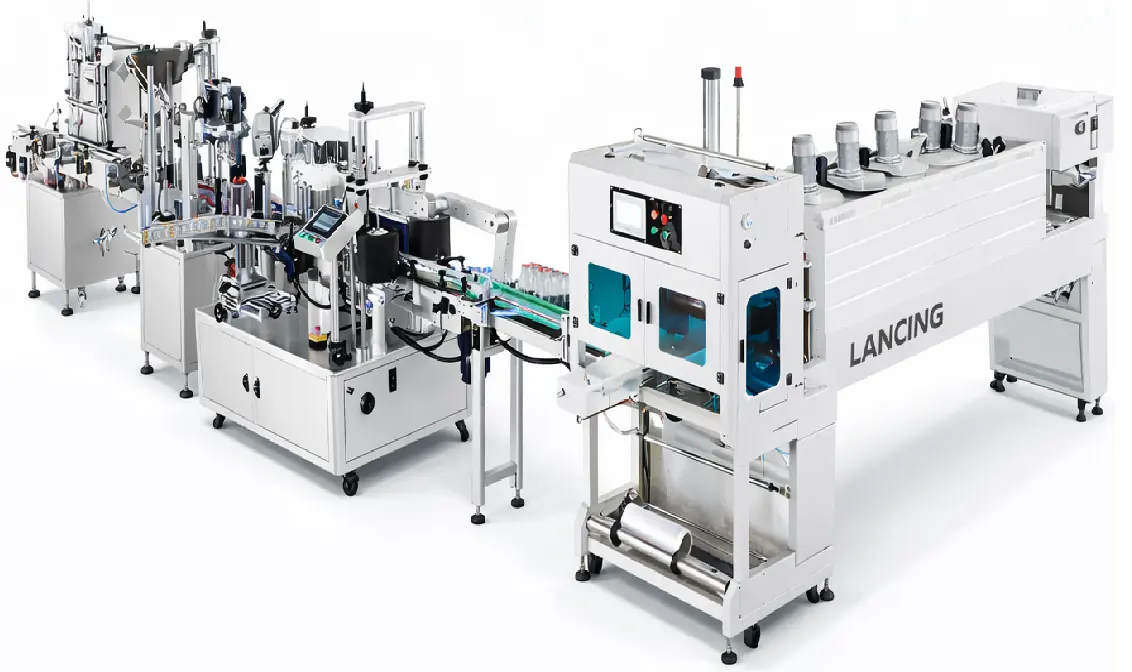
A complete line is usually the right route when filling, closing, labelling, coding and conveying must be balanced as one system rather than purchased as isolated machines.
Why are product samples important?
Samples confirm flow behaviour, container stability, label performance, cap handling and conveyor transfer. They reduce the risk of specifying the wrong machine.
Can semi-automatic machines be upgraded later?
Often yes. Many projects start with semi-automatic filling or capping, then move to conveyors, automatic cap feeding, labelling and end-of-line packing as volumes grow.
High-intent packaging machinery guides.
Use these pages to compare common machinery types and move quickly from search to a suitable enquiry.
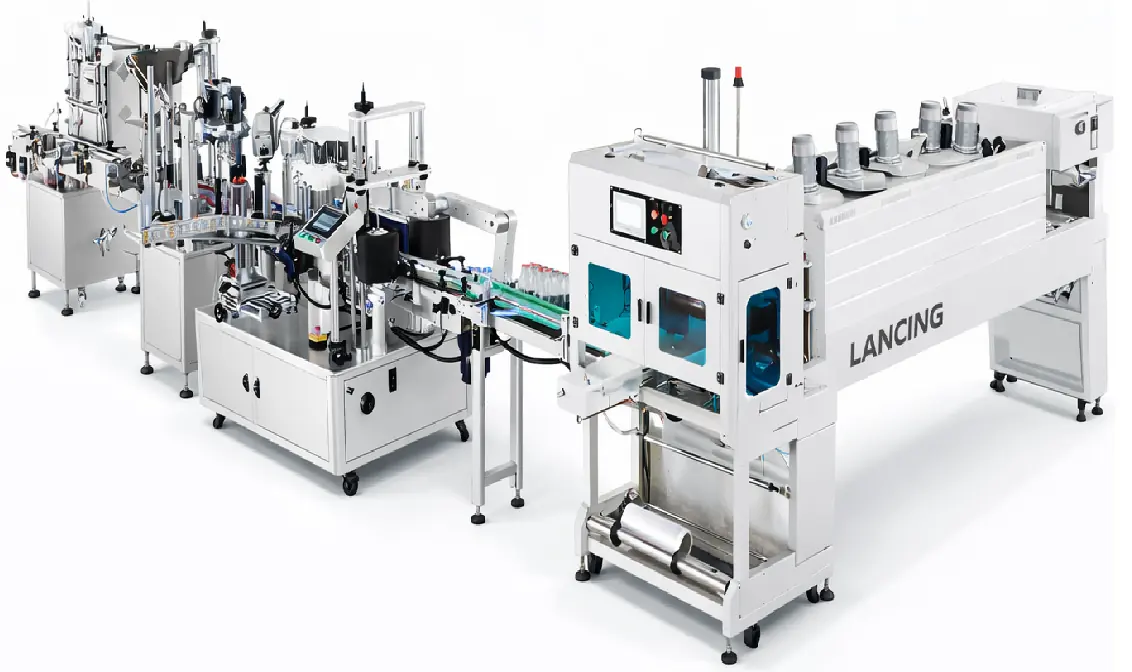
Packaging machinery UK
UK packaging machinery for manufacturers needing filling, capping, labelling, conveying, sealing and complete line automation support.
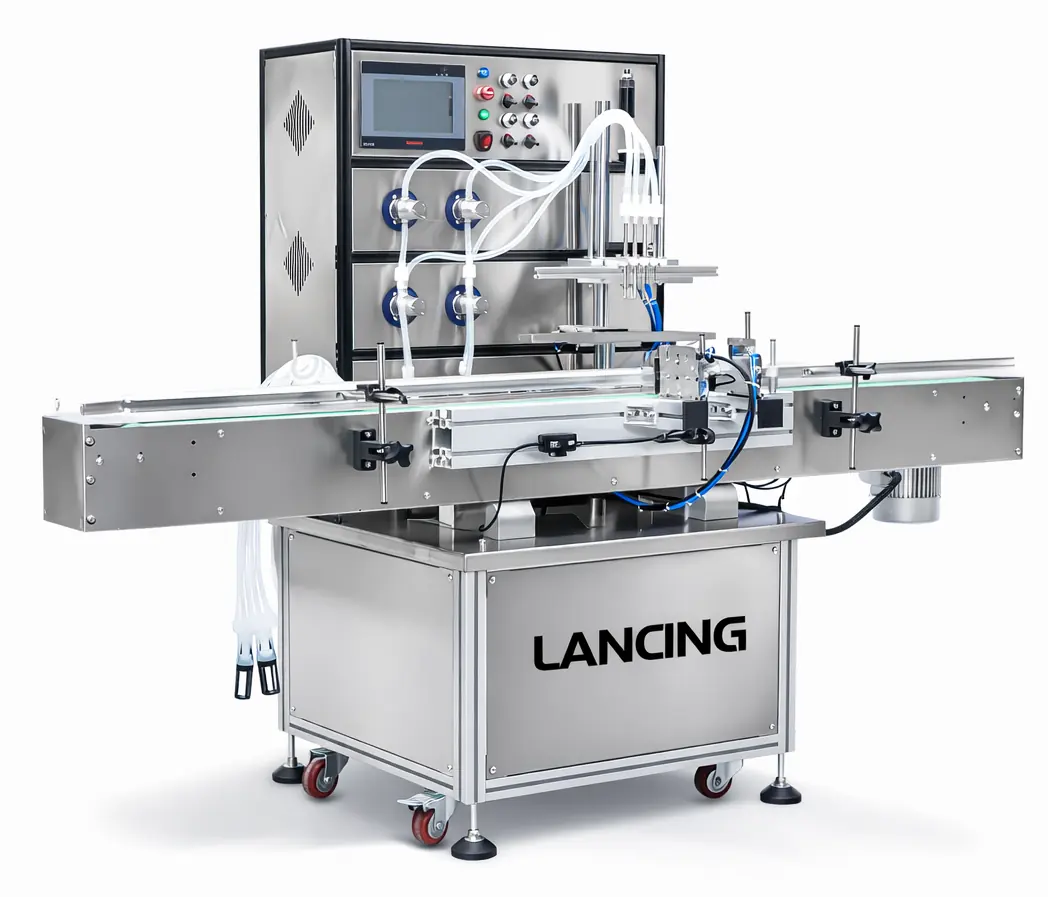
Filling machines UK
Filling machines for UK production lines including liquid fillers, paste fillers, powder fillers, granule fillers and automatic filling systems.
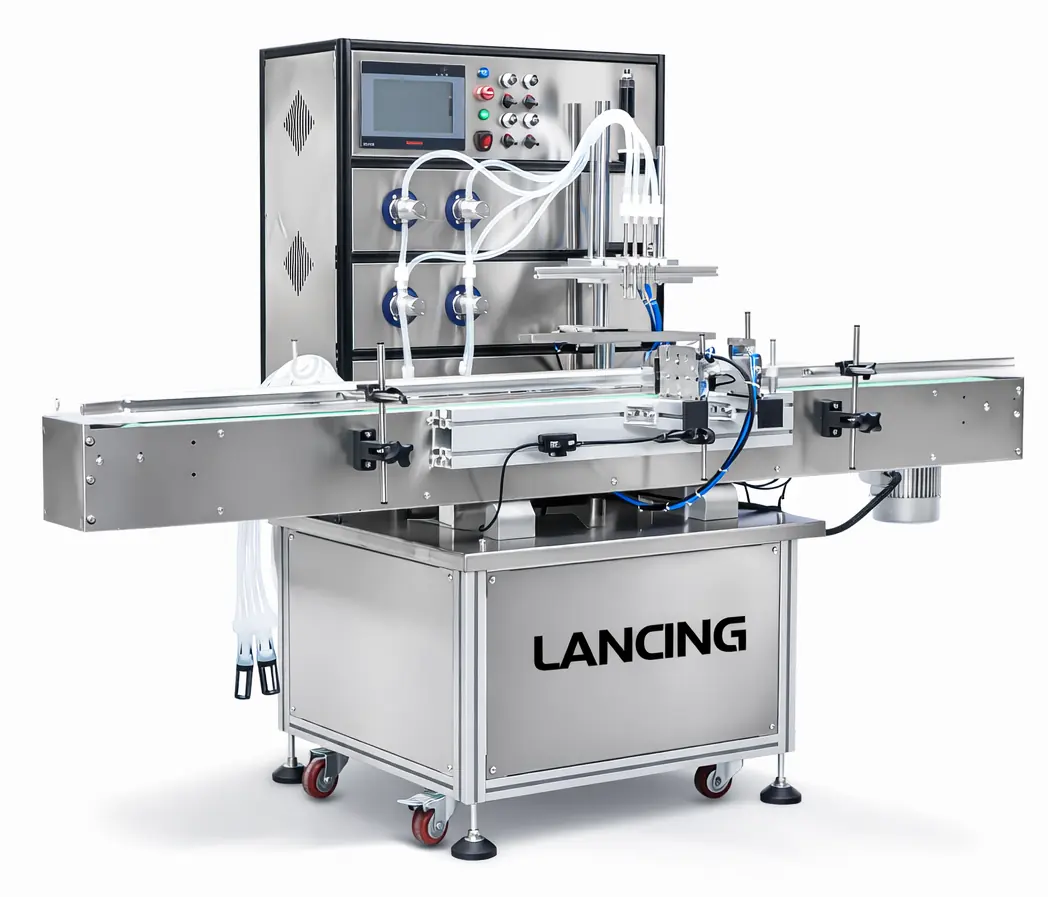
Bottle filling machines
Bottle filling machines for liquid, paste and chemical products with semi-automatic and automatic filling options for UK manufacturers.
Liquid filling machines
Liquid filling machines for water-like, viscous, foaming and chemical products supplied with practical UK specification support.
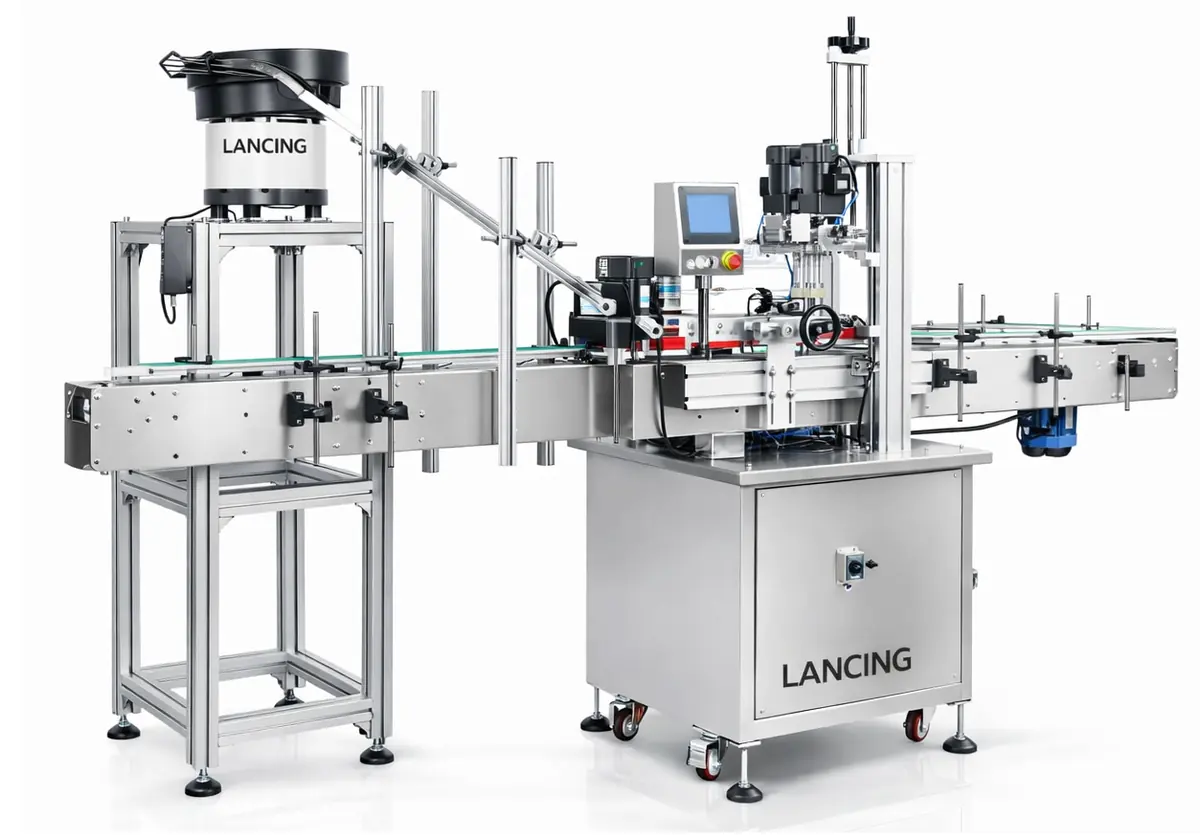
Capping machines UK
Capping machines for UK packaging lines including screw cappers, ROPP cappers, trigger cappers, pump cappers and cap feeding systems.
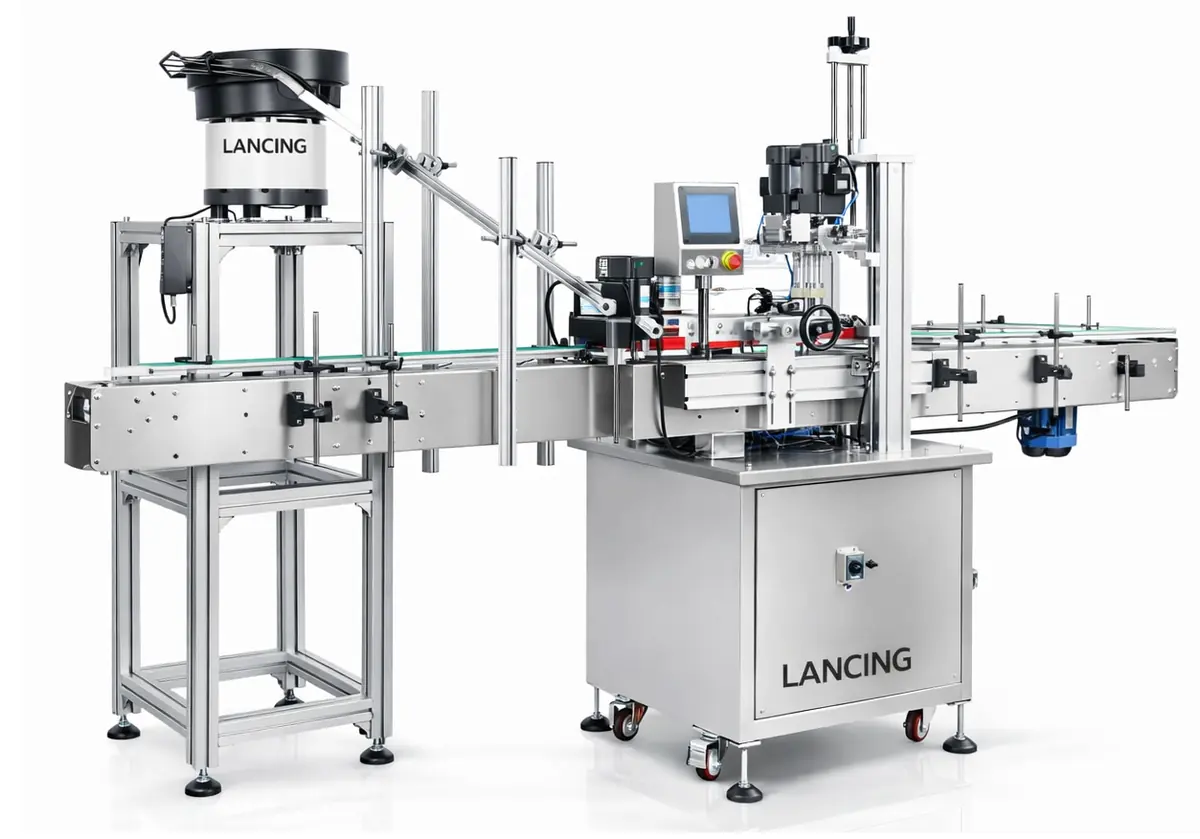
Screw capping machines
Screw capping machines for bottles, jars and containers, including automatic cap tightening and cap feeding options.
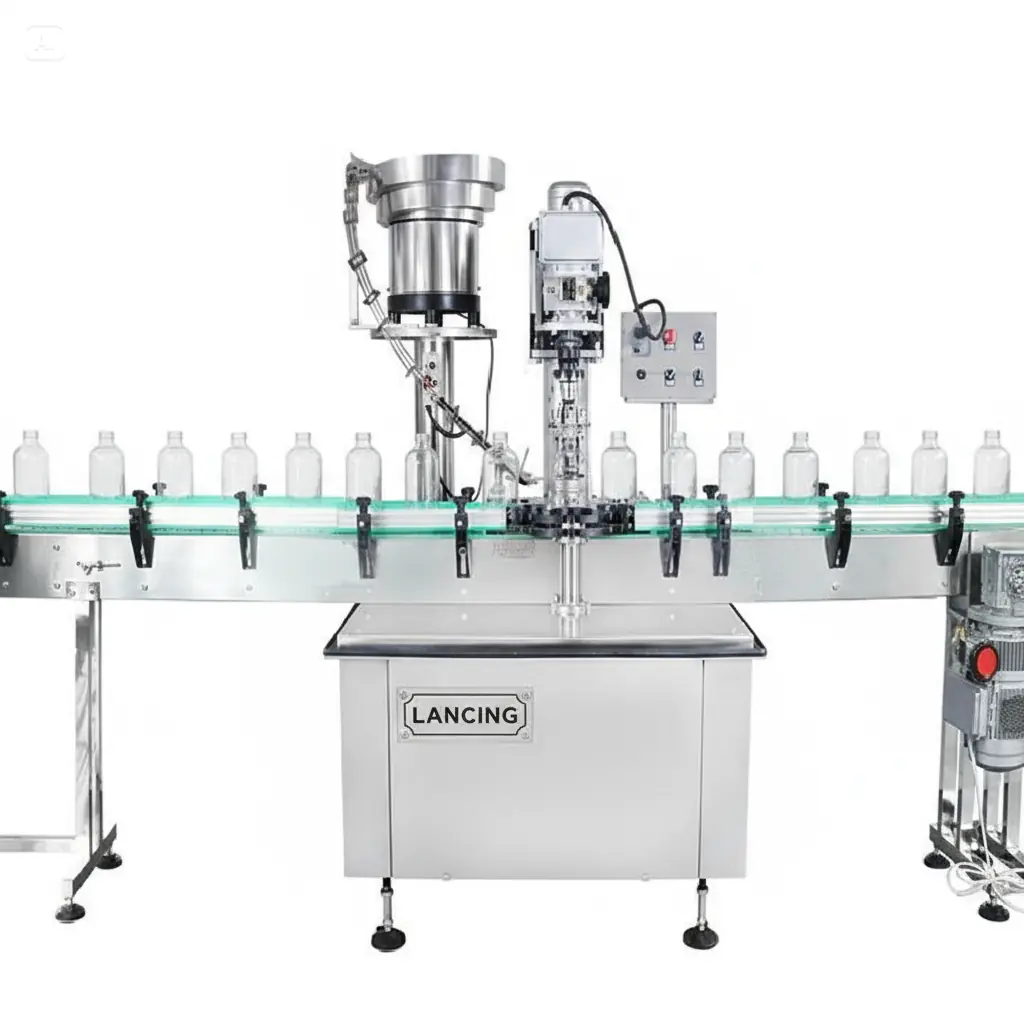
ROPP capping machines
ROPP capping machines for aluminium closures used on bottles requiring roll-on pilfer proof cap application.
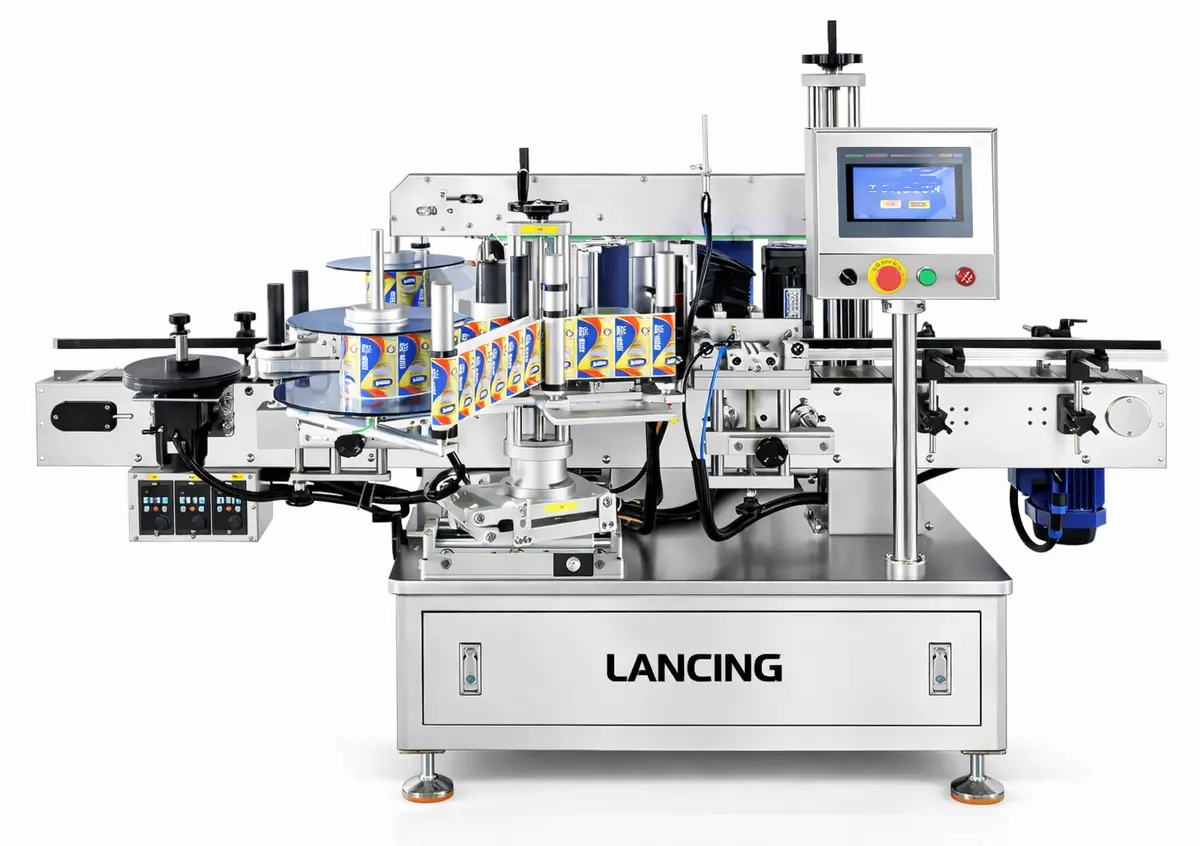
Labelling machines UK
Labelling machines for UK packaging lines including bottle labellers, flat labellers, double-sided labellers and wraparound labelling machines.
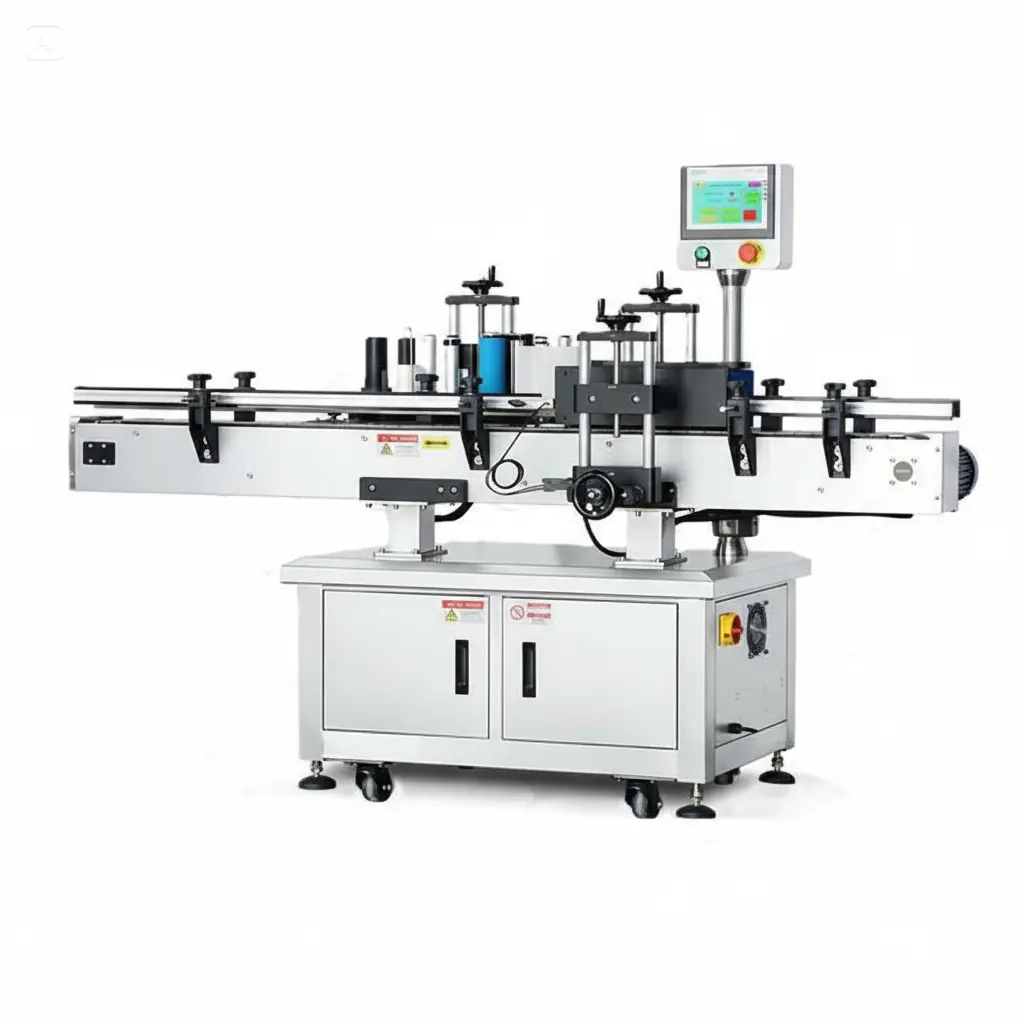
Bottle labelling machines
Bottle labelling machines for round bottles, oval bottles and shaped containers requiring wraparound, front, back or tamper labels.
Wraparound labelling machines
Wraparound labelling machines for cylindrical bottles, jars and containers requiring accurate full or partial wrap labels.
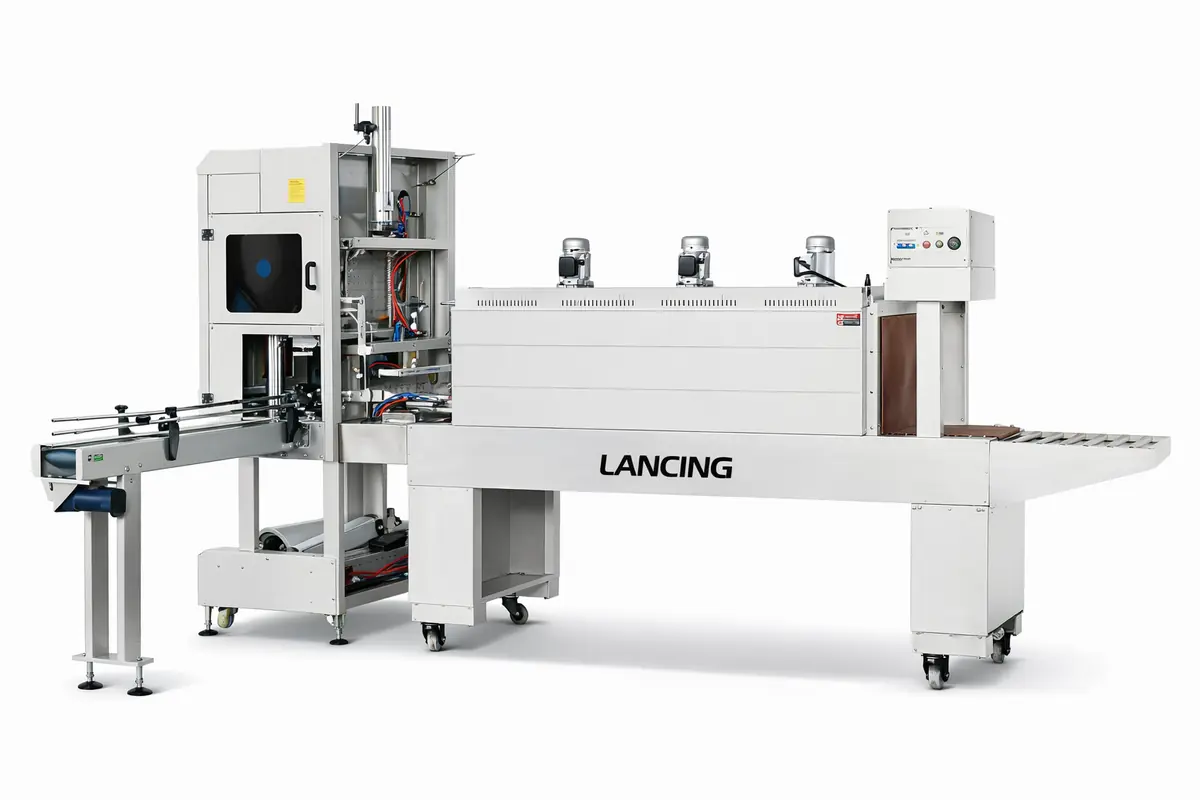
Shrink wrapping machines
Shrink wrapping machines for UK packaging applications including shrink tunnels, L-sealers, chamber sealers and sleeve wrappers.
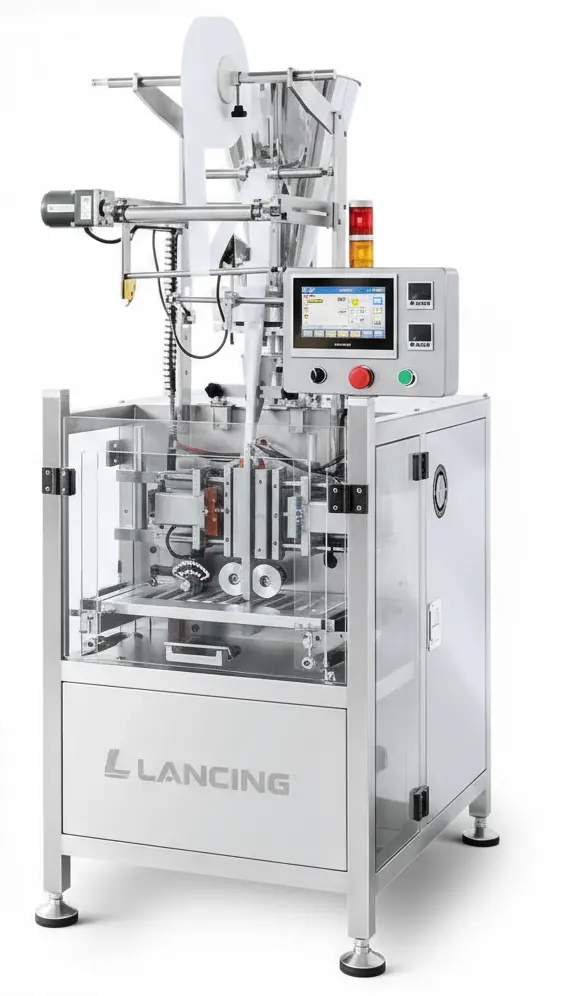
Vertical form fill seal machines
Vertical form fill seal machines for pouches, sachets and bags including powder, granule and liquid packing applications.
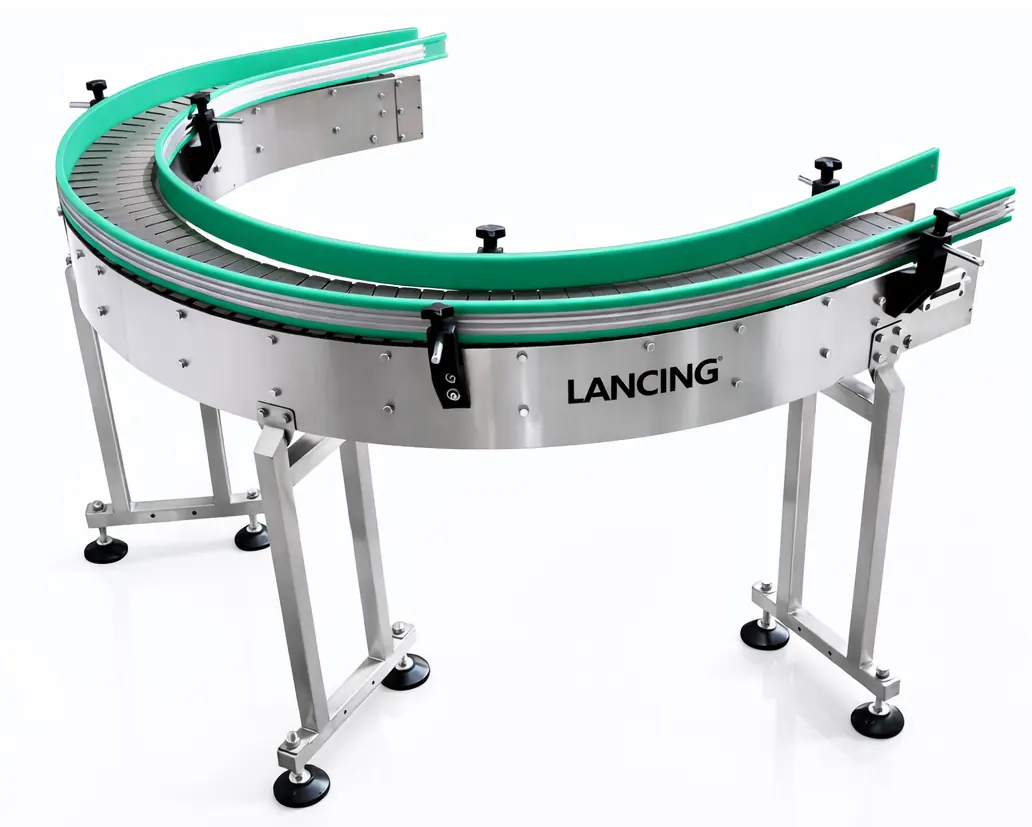
Packaging conveyor systems
Packaging conveyor systems for transferring bottles, jars, pouches, cartons and containers through filling, capping and labelling lines.
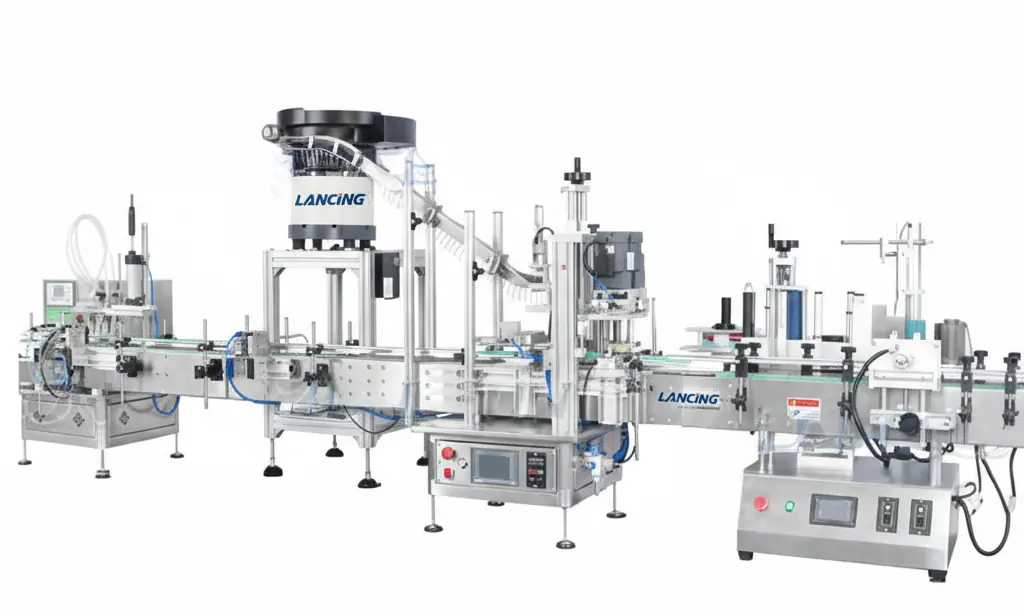
Complete packaging lines
Complete packaging lines integrating filling, capping, labelling, coding, conveyors and end-of-line packing for UK manufacturers.
Food packaging machinery
Food packaging machinery for filling, sealing, labelling and packing jars, bottles, tubs, pouches and containers.
Chemical filling machines
Chemical filling machines for industrial liquids, cleaners, oils, detergents, corrosive products and specialist filling applications.
Packaging machinery guide library
Detailed filling, capping, labelling, sealing, conveyor and line automation buyer guides for UK machinery searches.
Convert general guidance into evidence for your own application.
A buyer guide is most useful when each decision is tied to a sample, drawing, site condition or acceptance observation.
Use one controlled brief
Keep product data, pack drawings, layout assumptions, utilities, required output and open questions in one project document.
Record alternatives and exclusions
When two technologies remain possible, note the evidence needed to choose between them and what each option does not include.
Update the brief after trials
A sample test may reveal handling, cleaning or material issues. Record the result and revise the specification rather than relying on memory.
Guide-to-project checklist
| Selection question | What evidence will answer it for this product and pack? |
|---|---|
| Assumption | Who owns it, and when must it be confirmed? |
| Compatibility check | Which samples, drawings or supplier data are needed? |
| Acceptance check | What will be observed, counted or measured, and under which run conditions? |
| Change record | How will a later change in product, packaging or output be assessed? |
Prepare a useful machinery enquiry
Use the guides to prepare the first version of your brief, then send the samples and unresolved questions for application review.
Plan the machinery project before final selection.
Use these resources to turn a production requirement into a controlled brief, comparable quotation and ready installation.
Packaging automation project brief
Define product, pack, operating pattern, site, interfaces and acceptance evidence.
Packaging machinery quotation checklist
Compare proposal scope, tooling, interfaces, exclusions and services.
Packaging machinery site readiness
Prepare access, footprint, utilities, retained equipment and commissioning materials.
Packaging machinery cost factors
Understand how application evidence, automation and project scope influence quotations.
Connect machines into a controlled, testable production system.
These guides cover line behaviour, project evidence and the checks needed before and after delivery.
Packaging line controls integration
Define machine states, signals, safety boundaries, data and recovery behaviour.
Packaging line FAT and SAT
Plan representative factory and site acceptance evidence.
Packaging machine sample trials
Test products, packs and configuration questions using a controlled method.
Packaging machinery safety and compliance
Use current official guidance and competent project-specific assessment.
Plan flexible operation, maintainability and staged automation.
Use production evidence to improve the line without creating unsupported assumptions about output or suitability.
Packaging line bottleneck analysis
Separate process limits, starvation, blockage, micro-stops and quality loss.
Packaging machinery retrofit and upgrades
Assess condition, documentation, change consequences and supportability.
Changeover, cleaning and maintenance
Review operational access, tooling, product contact and routine work.
Automation for contract packers
Plan multi-format campaigns, job approval, traceability and flexible automation.
Find a direct answer to a packaging automation question.
The question library groups practical guidance by automation level, filling, closures, labelling, flexible packs and complete-line integration.
Continue from machinery selection into data, lifecycle and project control.
These guides address distinct buyer tasks that continue after a machine category has been identified.
Packaging machinery URS
Define the functional, interface and acceptance requirements.
OEE and downtime data
Agree states, rates, counts and reason-code ownership.
Spares and obsolescence
Plan critical parts, backups and component support.
Coding and traceability
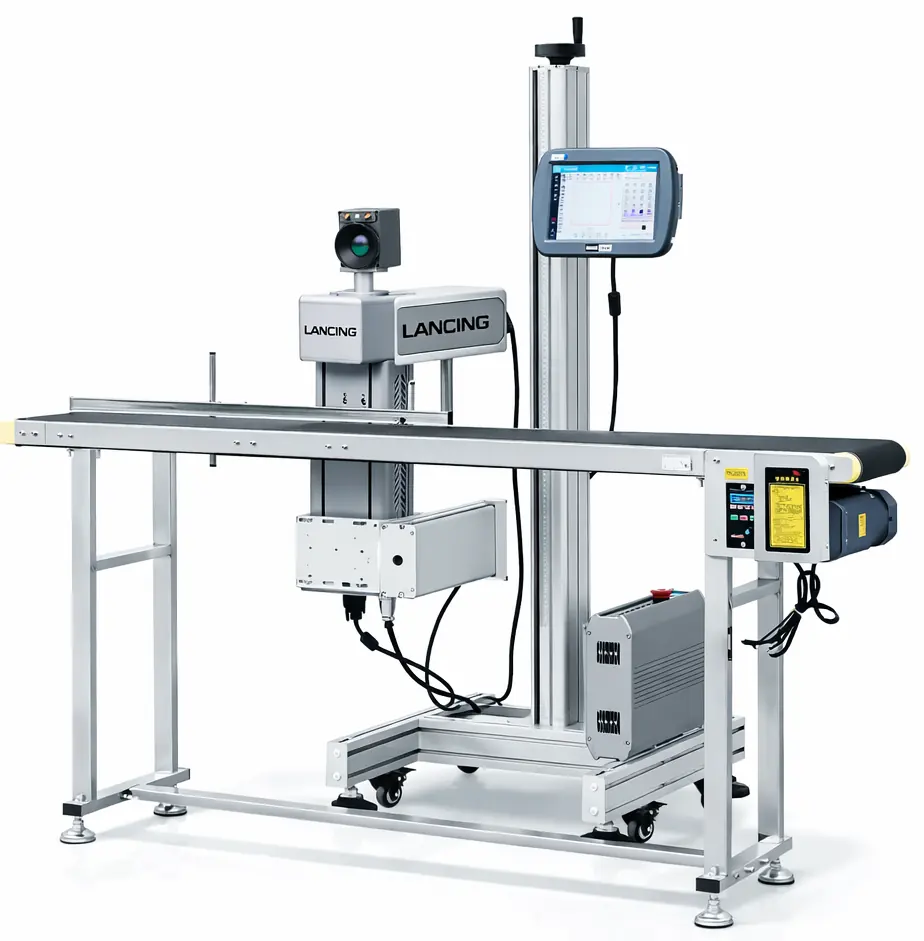
Connect job data, printing, verification, rejects and records.
Automation business case
Compare the current process, full scope, benefits and risk.
Recipe and changeover management
Keep settings, change parts and release checks aligned.
Answer the project questions that sit between machinery selection and production support.
The new guidance covers feasibility, scope ownership, operator readiness, production ramp-up and machinery servicing.
Packaging automation feasibility study
Structure current-state evidence, site survey, trials, concept comparison and the next decision.
Packaging line responsibility matrix
Define battery limits and allocate integration, utility, safety, testing and handover tasks.
Operator training and handover
Match training to operating, changeover, cleaning, maintenance and supervisory roles.
Production ramp-up and handover
Build production evidence, operator independence, change control and action closure after SAT.
Packaging machinery servicing
Prepare planned-maintenance scope, fault evidence, machine history and parts identification.