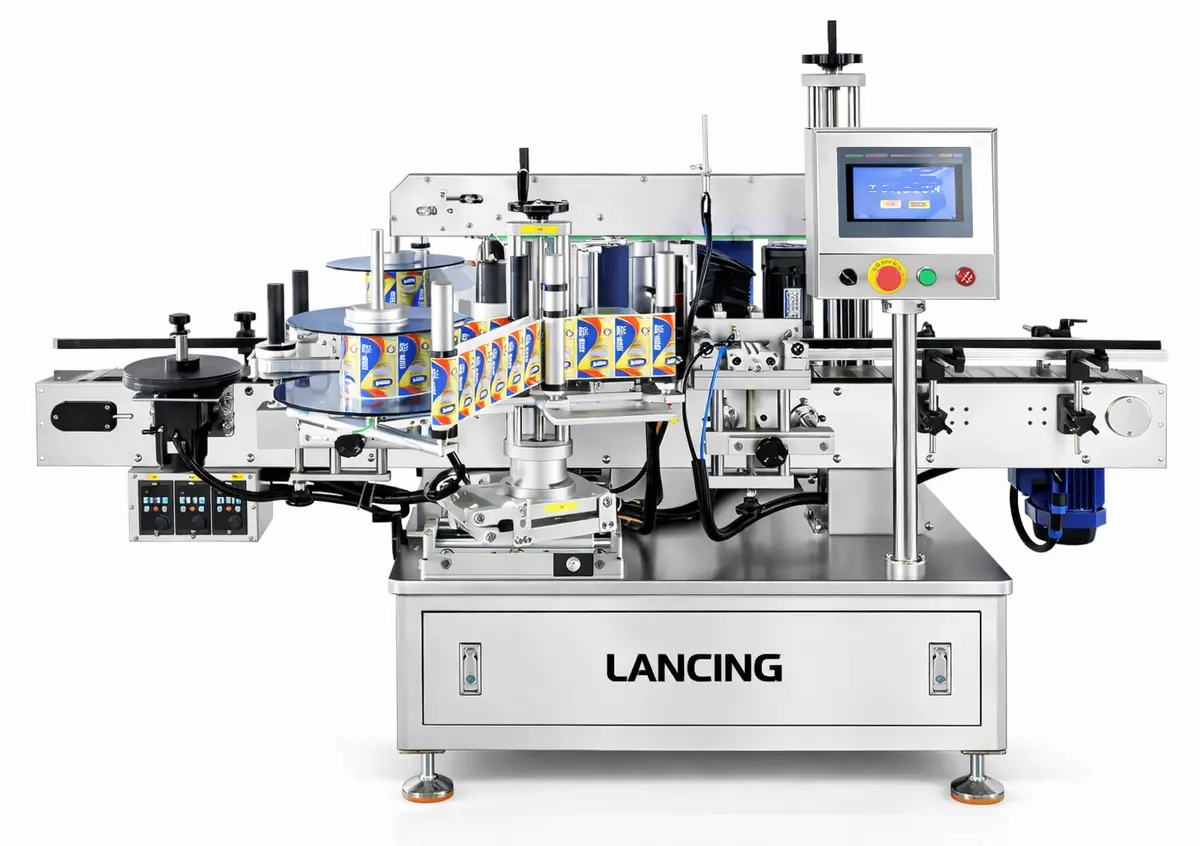
Labelling Machinery for packaging automation projects.
Round bottle, flat surface, double sided, front and back, wraparound, print and apply and sleeve labelling systems.
How this range is specified
The best machine configuration depends on product behaviour, container format, required speed, accuracy, utilities and integration requirements.
- Confirm product and pack samples before final selection.
- Review throughput expectations and operator involvement.
- Consider upstream feeding, downstream coding and conveyor transfer.
10 machinery options.
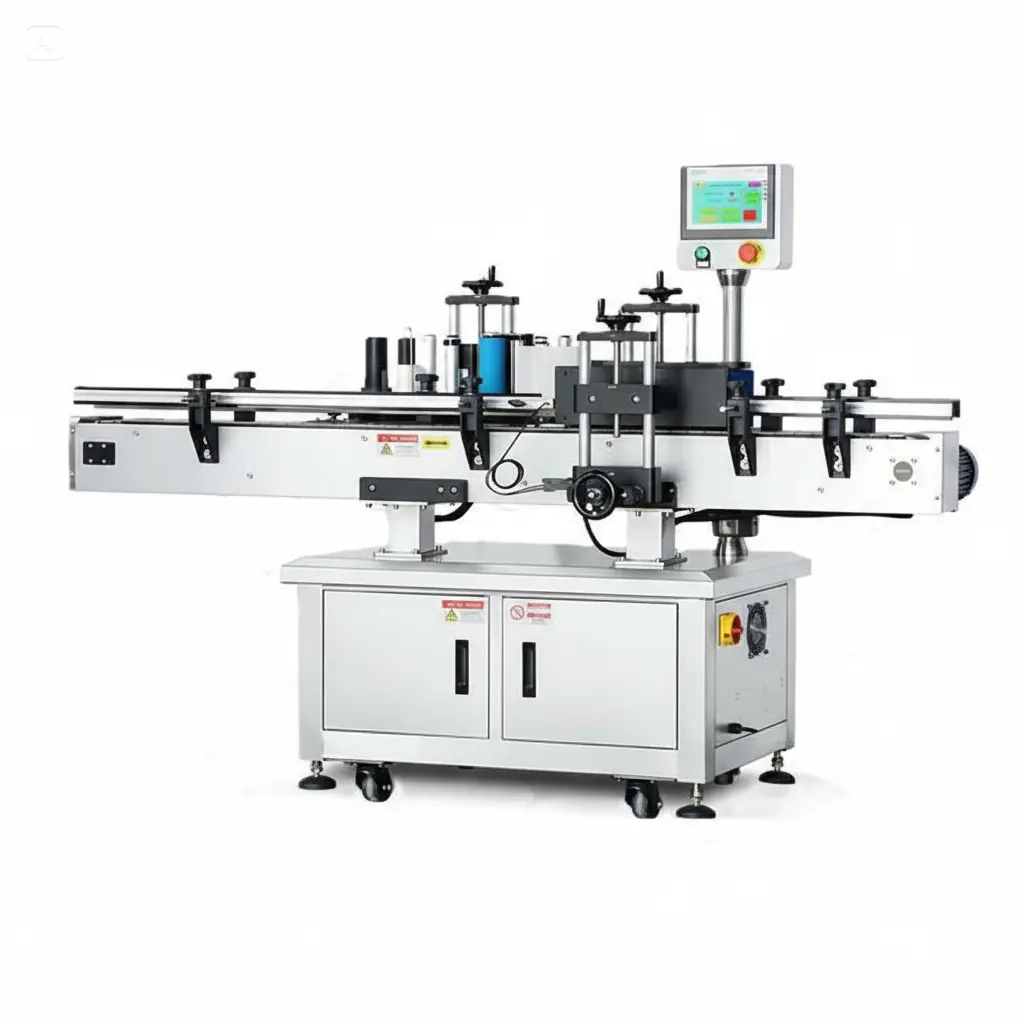
Automatic Labeling Machine
The LU-TB400 is a high-performance automatic labeling machine designed for large cylindrical containers such as fire extinguishers. It uses adjustable a...
View machine →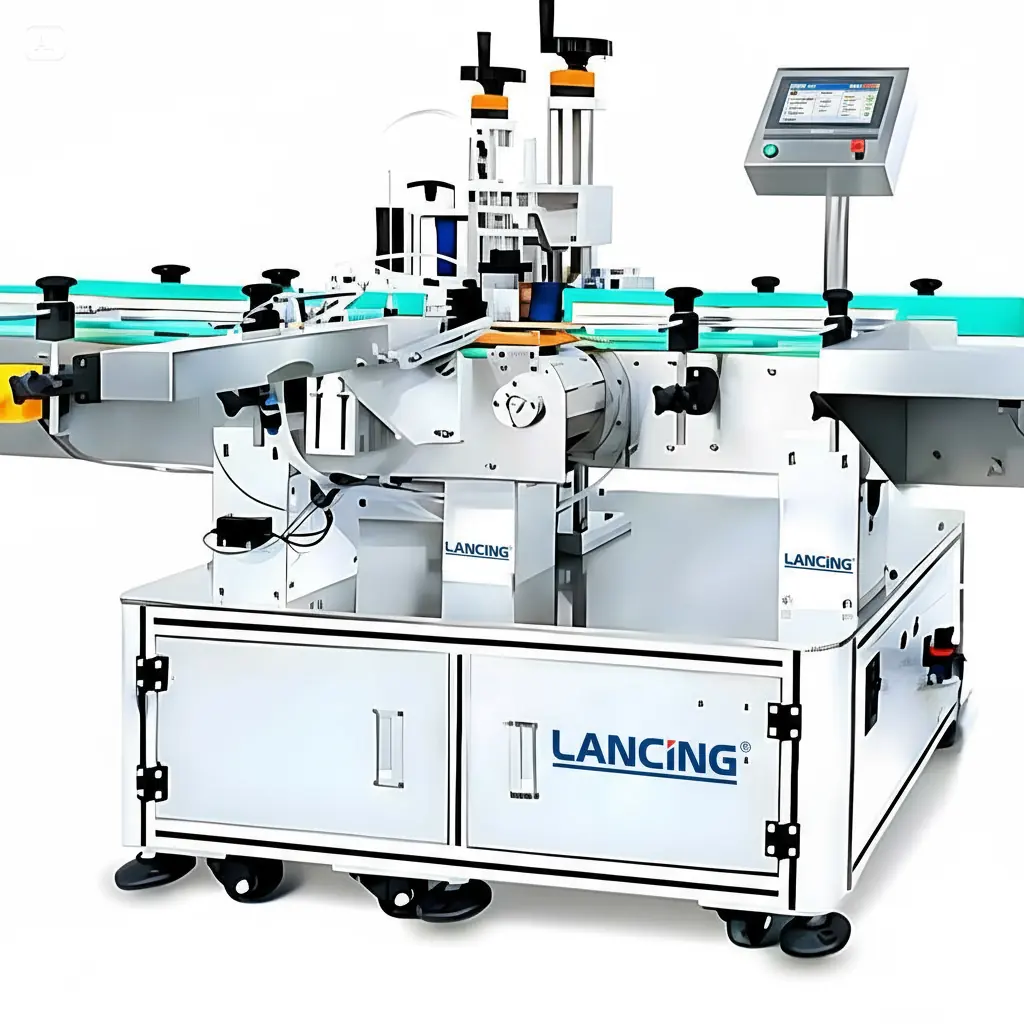
Automatic Polygon Bottle Labeling Machine
This is an automatic labeling machine. It is designed for accurate and efficient labeling of various polygon products, including bottles, cans, and cont...
View machine →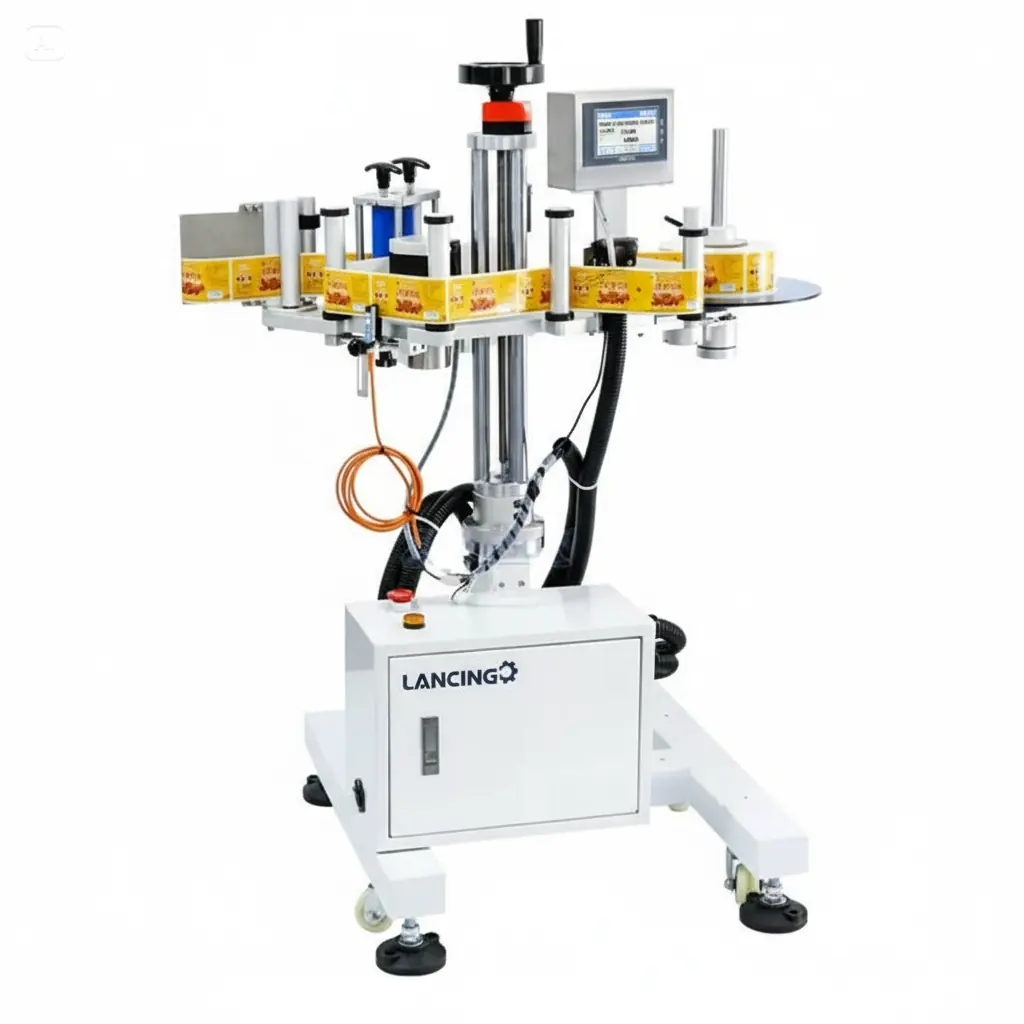
Automatic Round Bottle Labeling Machine
The Lancing UK LU-TB260R is a high-performance automatic labeling machine designed for precise single-side or double-side labeling on round bottles. Bui...
View machine →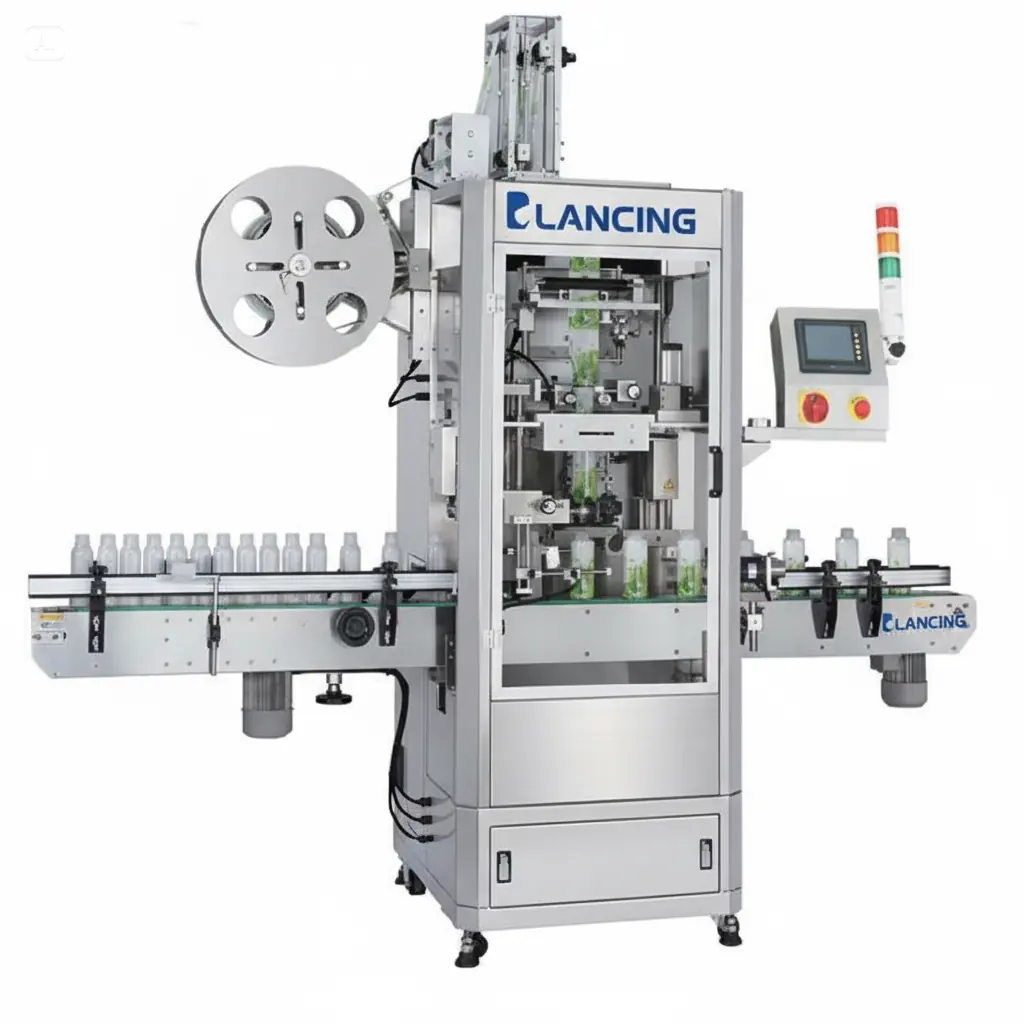
Automatic Sleeve Labeling Machine
This fully automatic sleeve labeling machine is suitable for various kinds of bottles, like round bottles, square bottles, oval bottles, etc. This machi...
View machine →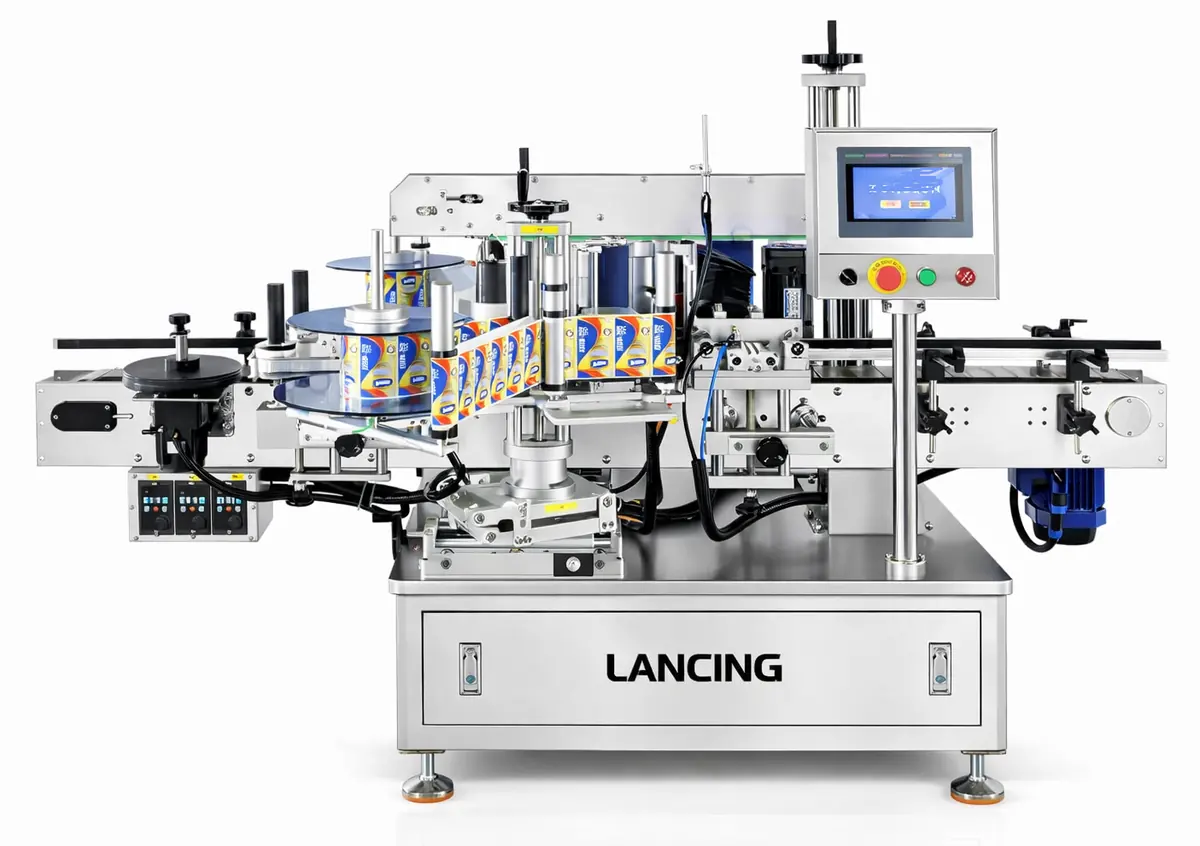
Automatic Square/Round Bottle Double Side Labeler
The Lancing UK LU-TB300Z is a dual-use automatic labeling machine designed for precise labeling of both square and round bottles. With a high-speed outp...
View machine →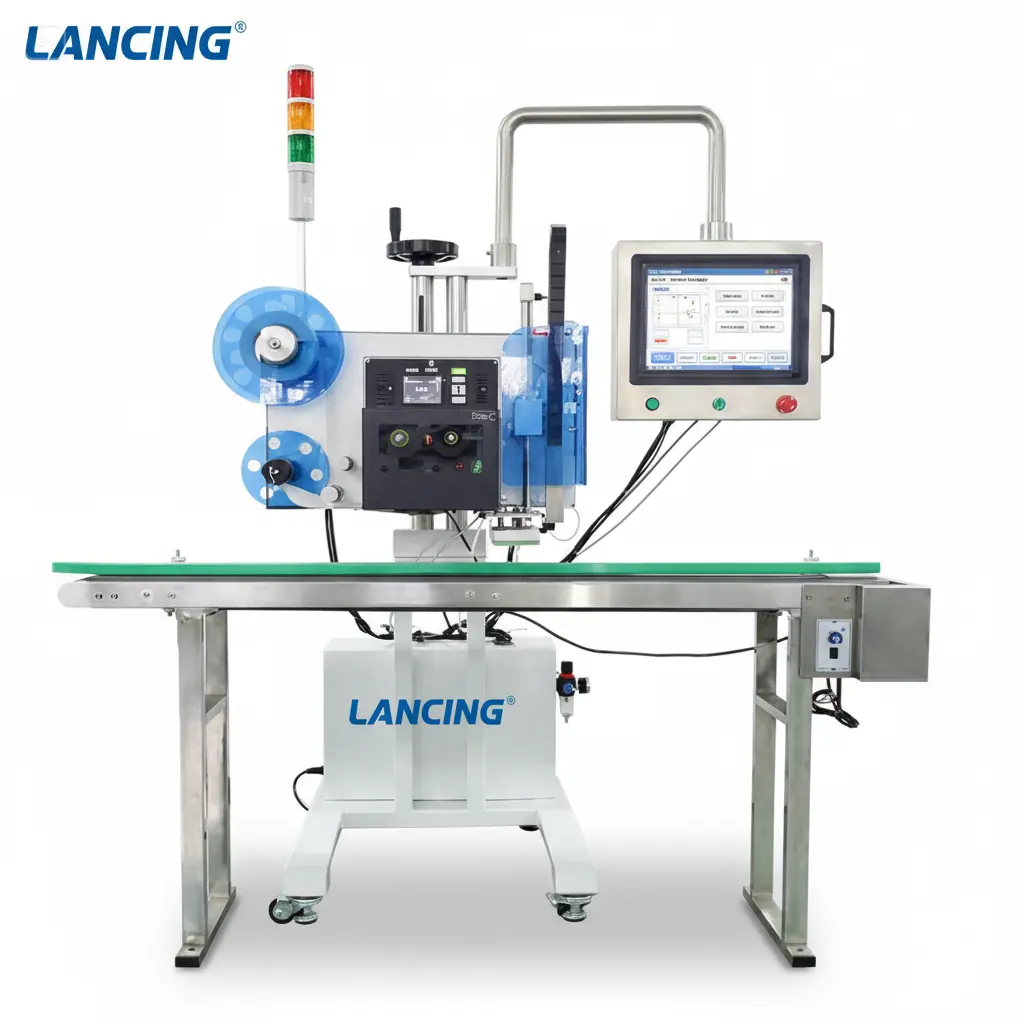
Barcode Overlay Labeling Machine
The Lancing UK LU-TB822S Positioning Round Labeling Machine is engineered for precision labeling on cylindrical containers, including over-labeling exis...
View machine →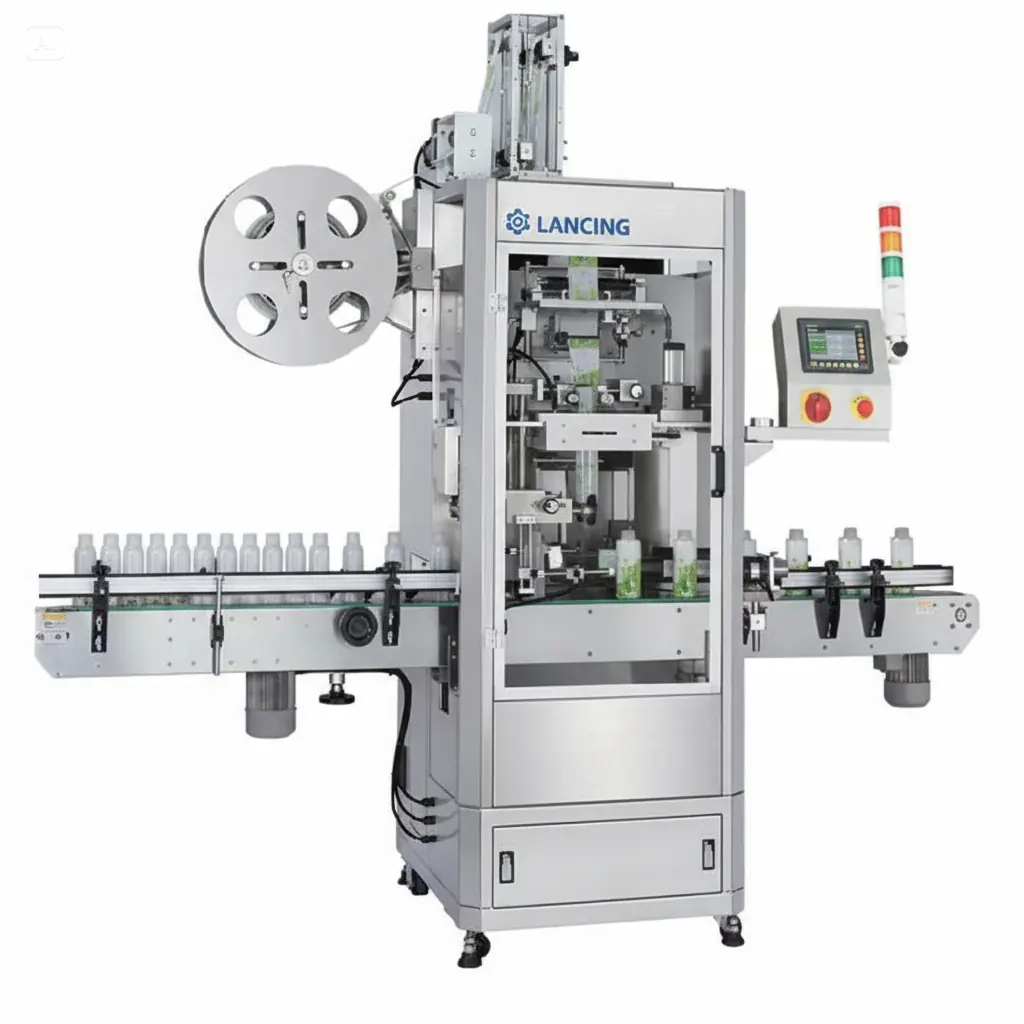
Bottleneck Label Heat Shrinking Machine
This automatic heat shrinking machine is suitable for shrinking the label of the bottleneck. It can be one part of the production line, helping to impro...
View machine →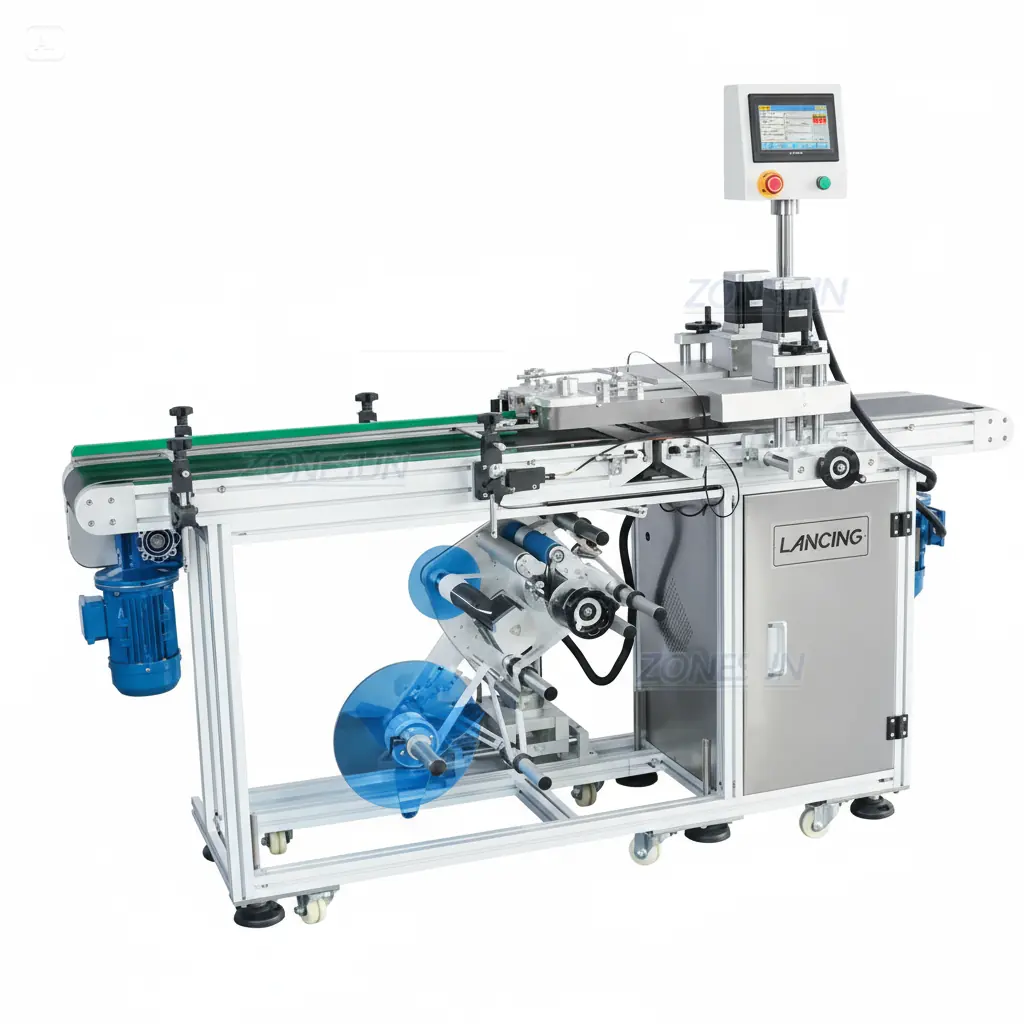
Flat Labeling Machine
1. Automatic Flat Surface Labeling Machine is suitable for labeling on the upper surface of various articles, such as books, folders, boxes, cartons, et...
View machine →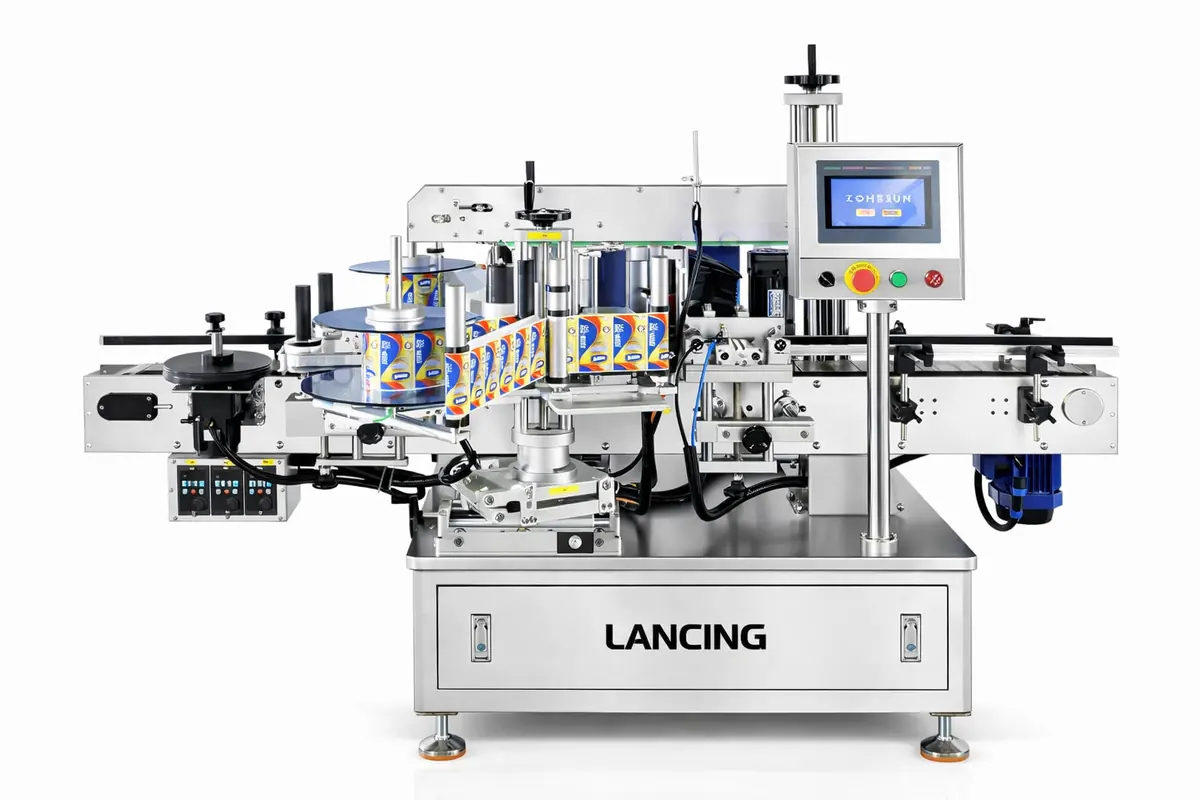
High-Speed Wrap-around Labeling Machine
The Lancing UK LU-TB200R is a high-performance automatic labeling machine designed for cylindrical containers such as bottles, vials, cans, and canister...
View machine →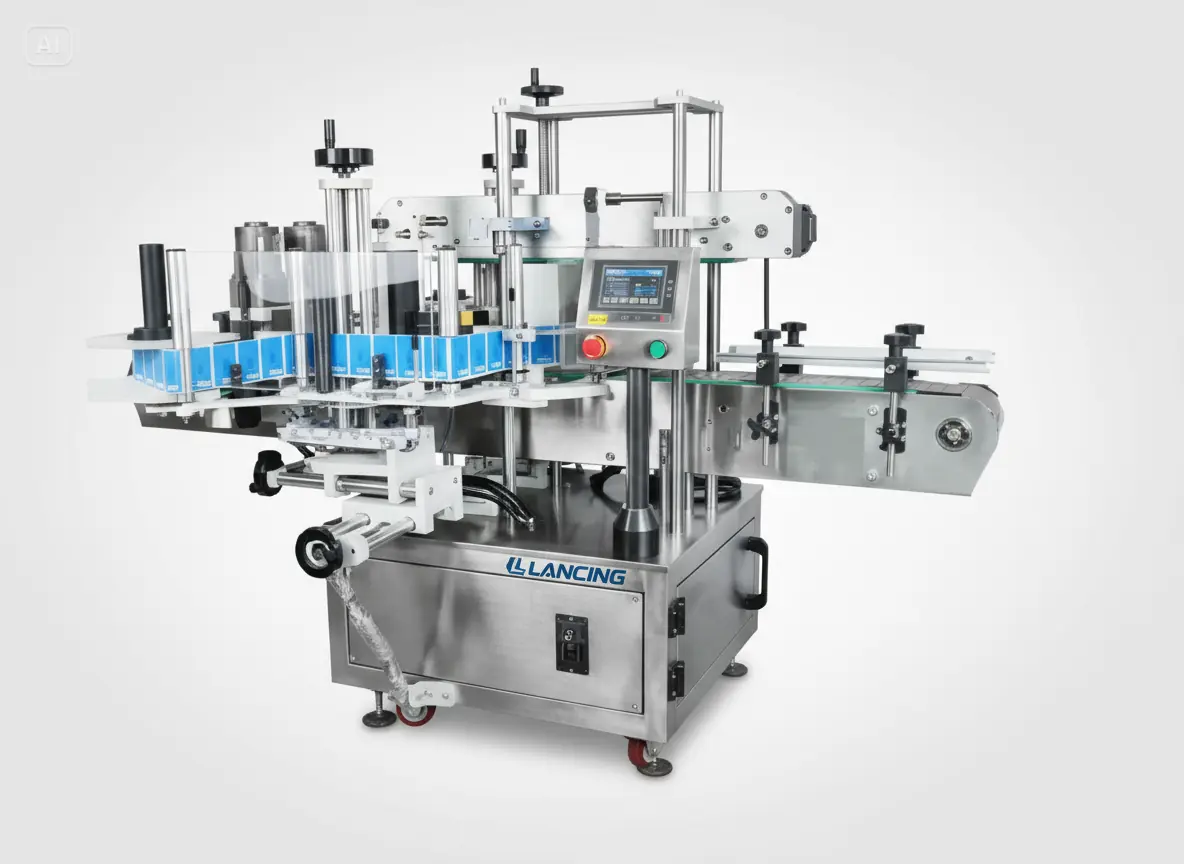
XL-T806 Semi-Auto Square Bottle Labeling Machine
The Lancing UK XL-T806 is a semi-automatic labeling machine designed for double-side labeling on square bottles and flat surfaces. It supports precise s...
View machine →What is labelling machinery used for?
Labelling Machinery is used to automate the relevant packaging operation as part of a standalone cell or integrated production line.
How do I specify labelling machinery?
Prepare product details, pack dimensions, target output, utilities, changeover needs and any site constraints before requesting a proposal.
Can this equipment be integrated into a line?
Yes. Most projects can be combined with conveyors, coding, inspection, accumulation and end-of-line packing depending on the product and required throughput.
the label, surface and container-handling method.
Labelling machinery must control the container and the label at the application point. Adhesive, backing web, sensor contrast and pack geometry all affect the result.
Match the application surface
Round, tapered, flat, recessed and multi-panel packs need different wiping, rolling or belt-control arrangements.
Control the label web
Label dimensions, gap, roll direction, backing stiffness, adhesive and print registration affect dispensing and sensing.
Control the pack through the station
Spacing, orientation, top hold, side alignment and conveyor transfer determine whether the label reaches the same position on every pack.
Information to confirm before configuration
| Container samples | Supply minimum and maximum pack sizes, including filled weight and any surface variation. |
|---|---|
| Label rolls | Provide production labels with the intended core, winding direction, backing and gap. |
| Position requirement | Use a drawing or marked sample showing label position, wrap overlap and allowable presentation. |
| Registration features | Identify an existing seam, handle, mark, cap feature or printed reference used for orientation. |
| Connected equipment | Confirm coder, vision, reject, conveyor and upstream spacing requirements. |
Questions to resolve before selecting the label, surface and container-handling method.
Answers depend on the real product, packaging components and operating conditions; representative samples should be used wherever practical.
Can a label be assessed from its artwork file?
The artwork helps, but the physical label roll is needed to check dimensions, gap, backing, adhesive, curl, winding direction and sensor response.
Why does a bottle need to be tested filled?
Filled weight and product distribution can change stability and the pressure that can be applied during wiping or rolling.
What causes bubbles or creases?
Container shape, surface condition, label stiffness, adhesive, dispensing angle, wipe pressure and line speed can all contribute.
Can labels be applied in registration to another feature?
Yes where a reliable feature can be detected and the container can be oriented consistently before application.
How should changeover be planned?
Record guide positions, sensor settings, recipe values and change parts for each approved container and label combination.
Prepare a useful machinery enquiry
Send representative materials, the required output and details of any connected machinery. Lancing can then review the most suitable configuration and identify further tests or data needed.
Control the product before trying to control the label.
Label placement quality depends on stable product presentation, a compatible label construction, accurate sensing and enough control through application and wipe-down.
Define the product geometry
Record shape, taper, seams, recesses, surface finish, flexibility and the orientation required through the label station.
Supply the real label specification
Include label and backing dimensions, gap, winding, material, adhesive, artwork registration and any transparent or reflective features that affect sensing.
Plan coding, inspection and rejects
Identify where codes are printed or verified, how label presence or position is checked and how suspect packs are removed without mixing.
Information to prepare
- Representative products across the dimensional range.
- Production label reels with confirmed winding and backing.
- Required label position, code area and presentation checks.
- Current and target operating pattern.
- Upstream spacing and downstream handling details.
Continue from this page
Use the most relevant next step to move from initial selection towards a defined, testable project.
Product and label sample trials
Check label release, product control, registration and finished appearance using production components.
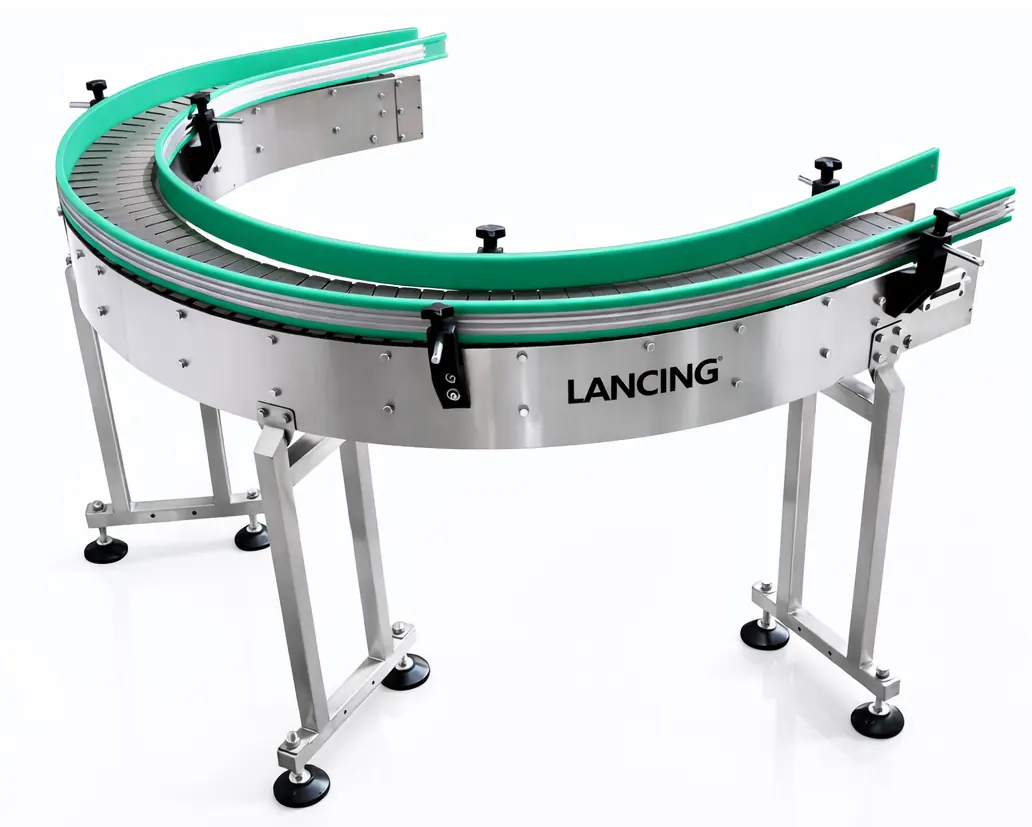
Labelling line bottleneck analysis
Separate true applicator capacity from infeed, roll-change, sensor and downstream constraints.
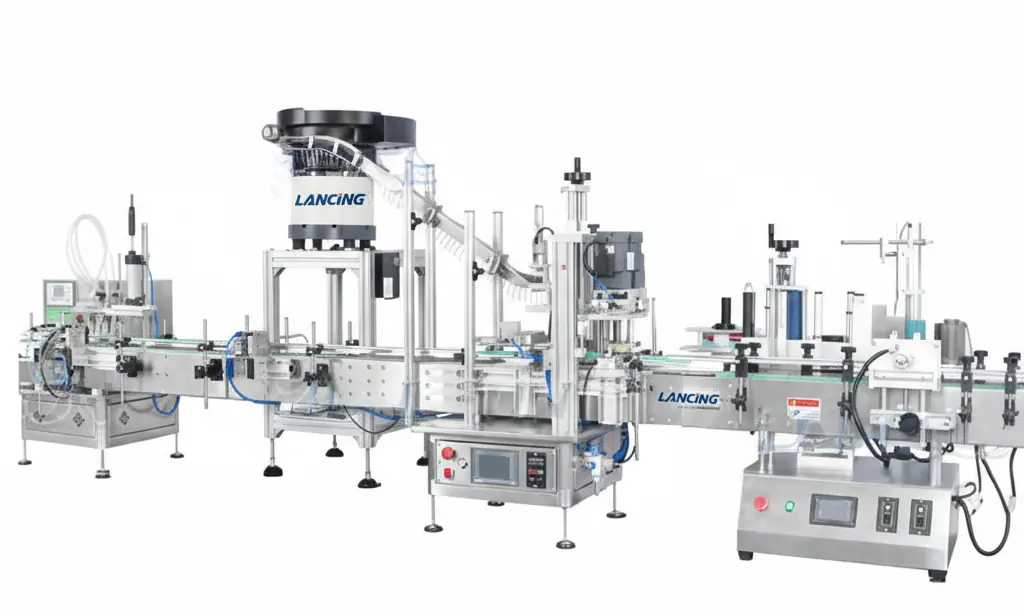
Labelling quotation checklist
Compare label heads, product handling, coding, inspection and format tooling.
Selection and application guidance
Continue with the most relevant technical guide to compare equipment, prepare representative samples and define the line interfaces that affect final selection.
Connect label application with artwork, coding and verification requirements.
Container presentation, label stock, adhesive, artwork and code position should be reviewed together. Where printing or inspection is connected, define the job source, verification target, reject response and production record before equipment is released.