How do you write a user requirement specification for packaging machinery?
A packaging machinery user requirement specification (URS) should describe the production outcome, products, pack formats, operating conditions, interfaces, safety expectations and acceptance evidence the project must deliver. It should define what the system must achieve without unnecessarily fixing the design before suppliers have reviewed the real application.
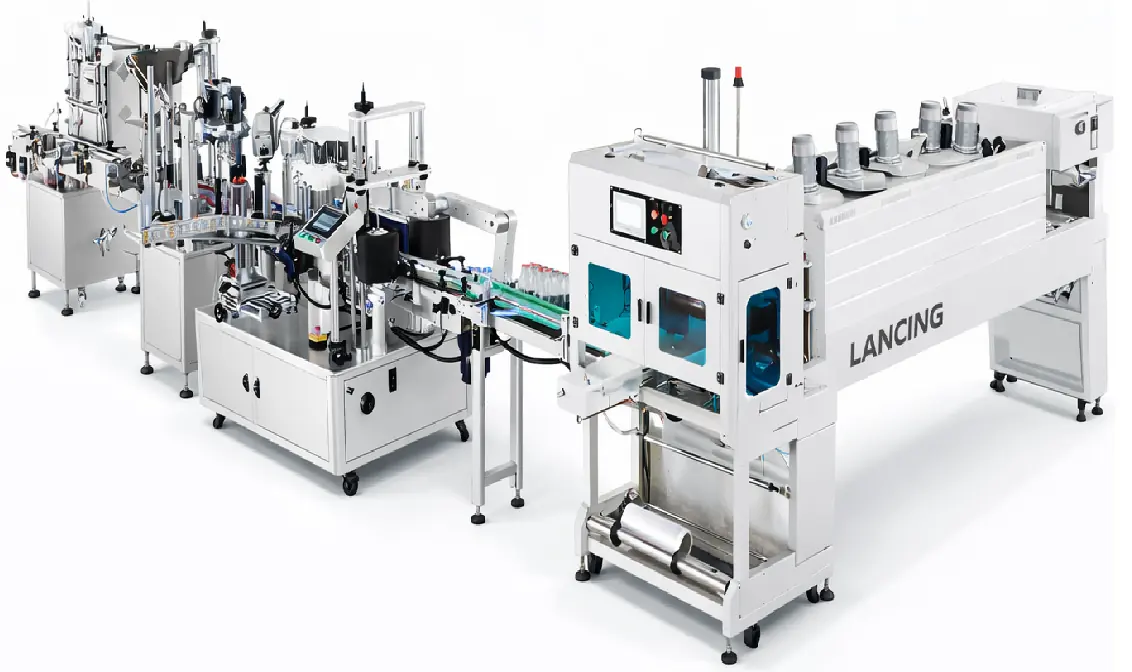
Specify the required production outcome before naming a machine
A good URS gives competing suppliers the same controlled evidence. It states the problem to solve, the boundaries of supply and how the buyer will decide whether the delivered system is suitable.
Describe the current method
Record the present process, operator tasks, recurring faults, production pattern and the constraint the project is intended to remove. This prevents a proposed machine from solving only one visible symptom.
Define products and formats
List the products, containers, closures, labels, films, pouches or cases that are genuinely in scope. Identify normal variation and separate launch formats from possible future formats.
Make acceptance observable
State the samples, run conditions, quality checks, interfaces and records that will be used during factory and site acceptance. Avoid criteria that cannot be measured or reproduced.
Build the URS around the complete operating system
The process machine is only one part of a packaging project. Product presentation, operator work, guarding, controls, utilities, coding, inspection, collection and retained equipment can all change the required solution. The URS should identify each boundary and the party responsible for it.
| Requirement area | Evidence to define |
|---|---|
| Product and packaging | Representative samples, drawings, dimensions, material variation, product behaviour and the controlled format list. |
| Production pattern | Batch size, shifts, campaign length, change frequency, sustained target output and how replenishment will be performed. |
| Quality outcome | Fill, closure, label, seal, code, inspection or handling checks that matter to the finished pack. |
| Interfaces | Working heights, line direction, conveyor transfers, signals, line states, data, utilities and existing equipment. |
| People and access | Operator tasks, loading points, cleaning, changeover, maintenance access, training and competence assumptions. |
| Delivery evidence | Drawings, manuals, backups, test records, declarations, spare-parts information and handover responsibilities. |
Write requirements that allow a supplier to propose the right technology
State the required result and the conditions under which it must be achieved. For example, define the product range and container opening rather than demanding a pump type before product behaviour has been reviewed. Identify any mandatory site or process constraints, then allow the proposed design to explain how they will be met.
- Separate mandatory requirements from preferences and future options.
- Use units, tolerances and definitions consistently where verified values exist.
- State whether output means instantaneous rate, sustained line rate or completed good packs.
- Identify the most difficult product and pack combinations, not only the nominal format.
- Record exclusions, assumptions and customer-supplied services explicitly.
Control safety and compliance statements carefully
The URS should identify the intended use, users, environment, foreseeable interventions and site-specific risk information. Final legal and conformity responsibilities depend on the equipment, supply arrangement, market and any modifications or integration performed.
The HSE's guidance on buying new machinery provides a useful buyer checklist, while current marking and market guidance should be checked on GOV.UK. Application-specific assessment remains necessary.
Trace factory and site acceptance back to the approved URS
Each important requirement should have a practical verification route. Some requirements can be confirmed by document review or inspection; others need trials with representative products and packaging components. Site acceptance should focus on conditions that could not be reproduced at the supplier's works, including utilities, retained machinery, site controls and real operator use.
- Approve the controlled URS and record open assumptions.
- Create a requirement-to-test matrix showing how each item will be verified.
- Use named samples and formats during trials.
- Record observations, deviations and agreed actions.
- Control later changes to products, materials, recipes, interfaces and acceptance criteria.
Questions about packaging machinery user requirements
Is a URS needed for semi-automatic packaging machinery?
A proportionate URS is useful even for a semi-automatic machine because it records the product, pack, operator task, expected output, utilities, safety boundary and acceptance method. It can be shorter than a complete-line specification, but it should still prevent different assumptions being used by the buyer and supplier.
Who should own the packaging machinery URS?
The buyer should own and approve the URS, with input from production, engineering, quality, safety, maintenance and procurement as relevant. A supplier can help clarify requirements, but should not silently define the buyer's process, acceptance criteria or site responsibilities.
How specific should an output requirement be?
Define what is counted, the product and format, the run conditions, the expected sustained period and any planned stops or replenishment tasks. A headline speed without these conditions can create a requirement that is technically ambiguous or unrelated to usable line output.
Should a URS name the machine technology?
Name a technology only when it is a verified mandatory constraint. Otherwise describe the required function, product behaviour, quality result and operating conditions so suppliers can compare credible methods. The selected design can then be justified against the same evidence.
How are changes to a URS controlled?
Use a revision number, approval record and change description. Assess whether each change affects design, risk, tooling, software, documentation, trials, cost or delivery. Do not rely on informal email changes that are absent from the final controlled specification.
Use the URS with the project and acceptance guides
These pages help turn the controlled requirement into comparable proposals and testable delivery evidence.
Packaging automation project brief
Assemble the evidence needed before the formal requirement is agreed.
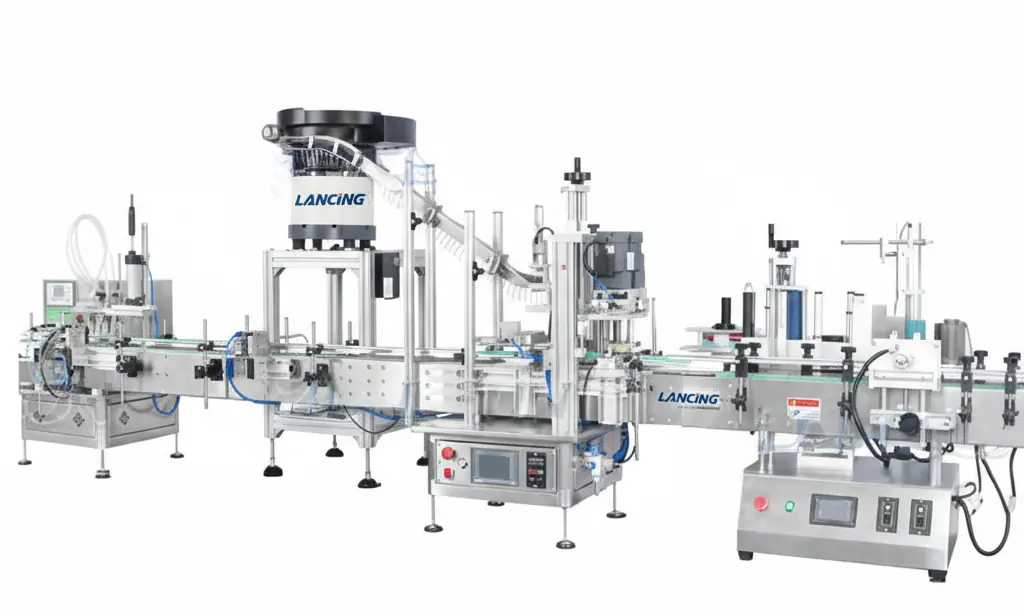
Quotation checklist
Compare the proposed scope, interfaces, exclusions and support against one requirement.
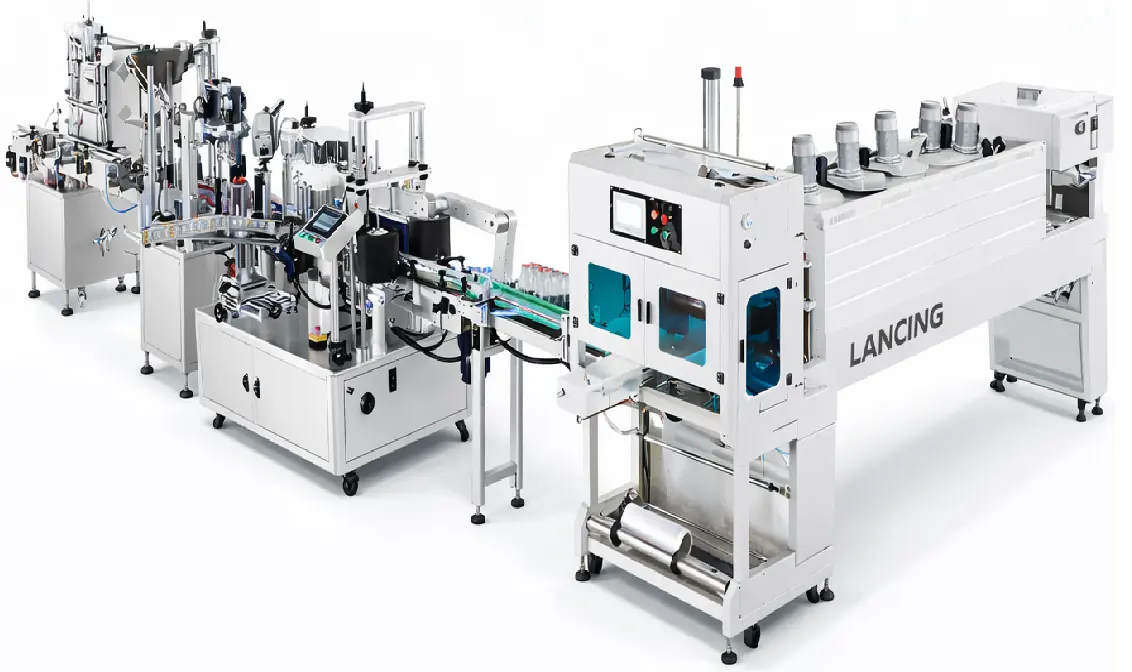
FAT and SAT acceptance
Convert requirements into representative, traceable acceptance checks.
Prepare a controlled packaging machinery requirement
Send the current process, product and pack information, target operating pattern, layout and known acceptance needs. Lancing can help identify the evidence still needed before a machinery route is confirmed.