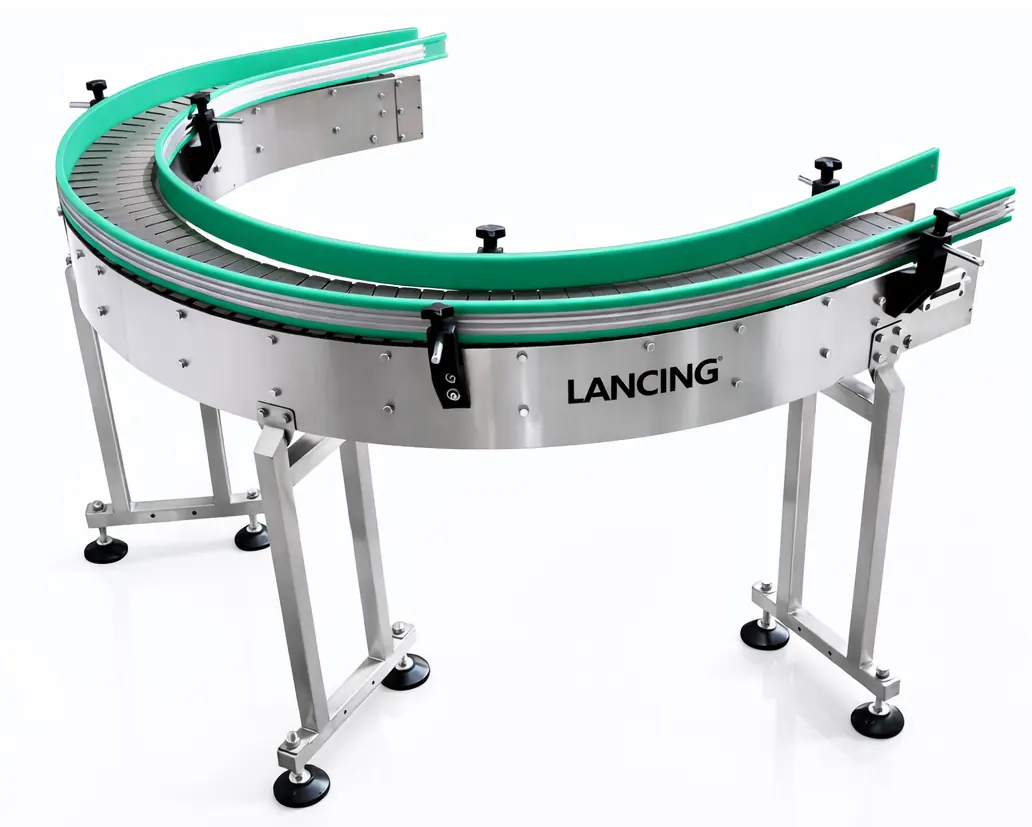
Conveyor & Accumulation for packaging automation projects.
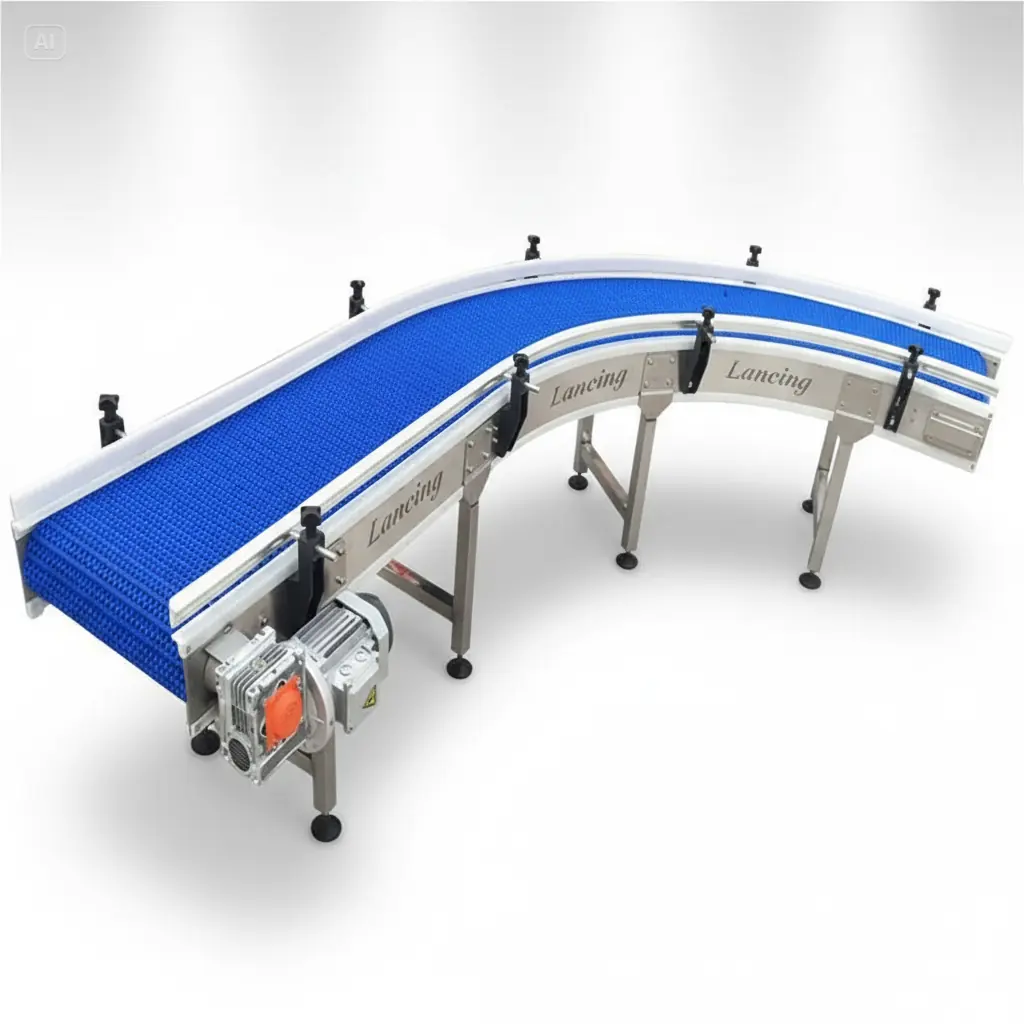
Belt, slatted, curved, incline and infeed conveyors with rotary outfeed and accumulation tables.
How this range is specified
The best machine configuration depends on product behaviour, container format, required speed, accuracy, utilities and integration requirements.
- Confirm product and pack samples before final selection.
- Review throughput expectations and operator involvement.
- Consider upstream feeding, downstream coding and conveyor transfer.
What is conveyor & accumulation used for?
Conveyor & Accumulation is used to automate the relevant packaging operation as part of a standalone cell or integrated production line.
How do I specify conveyor & accumulation?
Prepare product details, pack dimensions, target output, utilities, changeover needs and any site constraints before requesting a proposal.
Can this equipment be integrated into a line?
Yes. Most projects can be combined with conveyors, coding, inspection, accumulation and end-of-line packing depending on the product and required throughput.
the transfer, accumulation and line-control strategy.
Conveyors do more than move packs. They establish height, direction, spacing, back-pressure and recovery between machines with different operating behaviour.
Protect every transfer point
Small gaps, level changes, curves and guide transitions can destabilise packs or interrupt a reliable production flow.
Use accumulation deliberately
A buffer should have a defined purpose and capacity, with controlled behaviour when downstream equipment stops or upstream supply is interrupted.
Coordinate speeds and signals
Conveyor speed, sensors and machine handshakes should support starve/block control rather than simply running every section independently.
Information to confirm before configuration
| Pack range | Provide dimensions, filled weight, base shape, centre of gravity and surface sensitivity. |
|---|---|
| Line geometry | Supply the route, direction, elevations, available width and operator or maintenance access. |
| Interface heights | Record the datum and tolerance at every connected machine. |
| Accumulation need | Identify the interruption or changeover the buffer is intended to absorb. |
| Control behaviour | Define sensors, variable speed, stop/start zones, fault response and reset ownership. |
Questions to resolve before selecting the transfer, accumulation and line-control strategy.
Answers depend on the real product, packaging components and operating conditions; representative samples should be used wherever practical.
Why can a stable bottle fall at a transfer?
A small gap, guide step, speed difference or change in support can move the centre of gravity outside the base.
How much accumulation is required?
It depends on the event the buffer must absorb, the line rate, pack pitch and the way pressure is managed.
Should every conveyor run at the same speed?
Not always. Speed relationships may be used to create spacing or control pressure, but they should be designed as part of the line.
What pack data is important?
Base geometry, height, filled weight, centre of gravity, stiffness, friction and surface finish can all influence handling.
How should conveyor controls interface with machines?
Agree starve, block, run, ready and fault behaviour, together with safe restart and operator control ownership.
Prepare a useful machinery enquiry
Send representative materials, the required output and details of any connected machinery. Lancing can then review the most suitable configuration and identify further tests or data needed.
Design the transfer around pack stability and line behaviour.
Conveyors connect processes mechanically and operationally. Width, height and speed matter, but stable transfers, guide strategy, accumulation purpose, access and controls determine whether the line works as a system.
Map every hand-off
Record pack condition, orientation, spacing and stability at each transition, including curves, dead plates, side transfers and changes in conveyor type.
Give accumulation a purpose
Define which short interruptions the buffer should absorb, how first-in-first-out behaviour is maintained and when the upstream process must stop.
Coordinate controls and access
Plan sensors, zones, blocked/starved states, guarding interfaces, operator crossings, cleaning and fault clearance together.
Information to prepare
- Pack dimensions, weight, centre of gravity and base condition.
- Line direction, conveyor heights and transfer points.
- Machine operating states and desired buffer purpose.
- Cleaning, access, guarding and operator crossing needs.
- Layout constraints and future format range.
Continue from this page
Use the most relevant next step to move from initial selection towards a defined, testable project.
Packaging line controls integration
Define conveyor zones, machine states, safety boundaries and restart behaviour.
Packaging line bottleneck analysis
Use state evidence to decide whether accumulation or another improvement is justified.
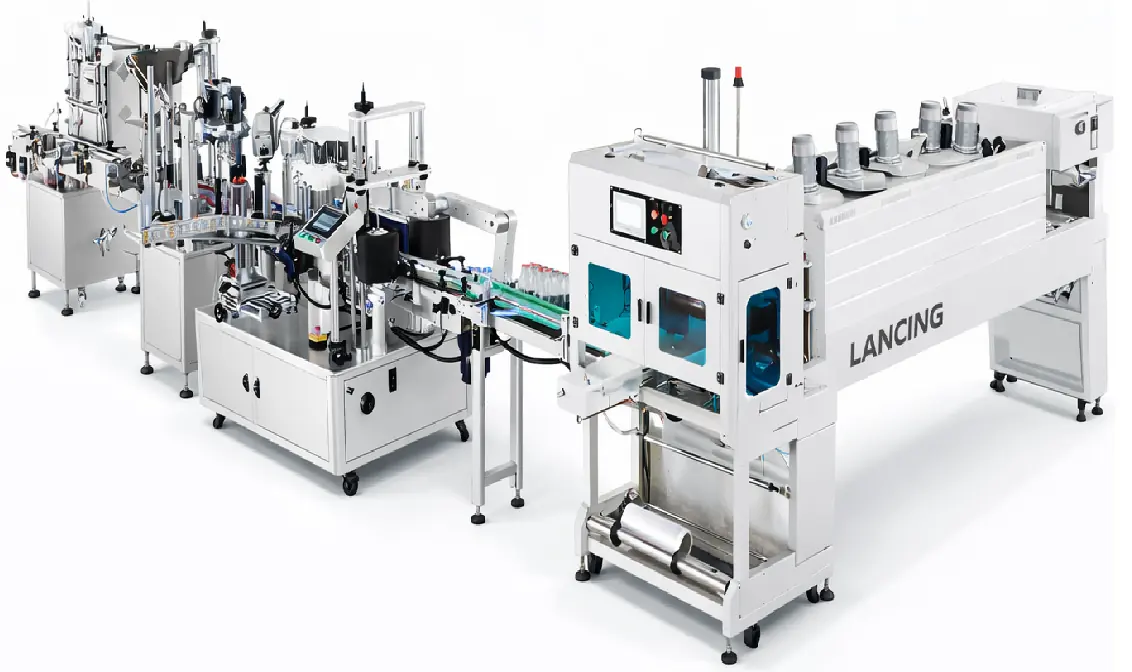
Conveyor site readiness
Prepare layout, levels, services, access and retained-machine interfaces.
Selection and application guidance
Continue with the most relevant technical guide to compare equipment, prepare representative samples and define the line interfaces that affect final selection.
Measure product flow across the interface, not conveyor speed alone.
Conveyor and accumulation design should record pack stability, minimum spacing, transfer points, starved/blocked behaviour and the count location used to understand line losses.