Packaging machine changeover, cleaning and maintenance guide
Changeover, cleaning and maintenance determine how easily packaging machinery can support a real production schedule after commissioning. These activities should be reviewed during selection and trials, not left until operators receive the equipment.
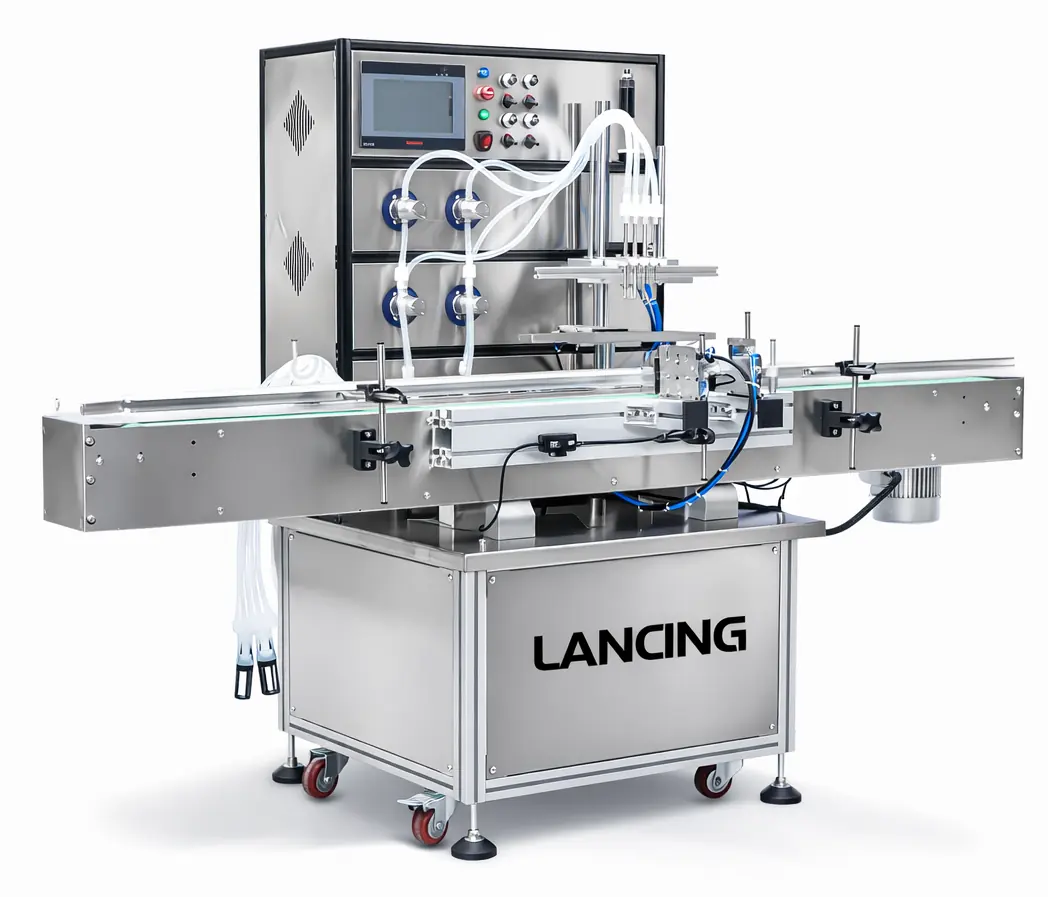
Design routine work into the machinery selection
A machine that produces an acceptable pack may still be unsuitable if format changes, cleaning or fault recovery require excessive time, unsafe access or uncontrolled adjustment.
Define the change task
List the parts, guides, recipes, sensors and settings that change for each format. Distinguish tool-free adjustment from parts that require removal, measurement or specialist setup.
Map the cleaning boundary
Identify every product-contact surface, spill area, dust trap and component that must be cleaned between products or batches. The method depends on the product, hygiene policy and risk assessment.
Protect maintainability
Check access to bearings, belts, drives, filters, nozzles, capping heads, label paths, heaters and electrical equipment. Planned maintenance should not depend on dismantling unrelated modules.
Treat changeover as a controlled production process
A format change may include mechanical change parts, recipe selection, guide adjustment, sensor repositioning, label or film loading, fill setup, closure-tool setup and verification of the first acceptable pack. Document the sequence in the order operators will perform it and identify which steps require measurement, test packs or a second-person check.
Where a machine uses recipes, confirm which settings are stored and which mechanical adjustments remain manual. Recipes do not remove the need to verify the physical format. Use clear identification and storage for change parts so that the correct components can be located, inspected and returned without damage.
- Create a format matrix showing common and unique change parts.
- Mark reference positions only where they are repeatable and protected from accidental movement.
- Define startup checks for fill, closure, label, seal, code or pack presentation.
- Record authorised parameter ranges rather than relying on undocumented operator knowledge.
Match cleaning access and method to the product and production risk
Cleaning requirements differ for free-flowing liquids, viscous products, powders, food, cosmetics, chemicals and dry packaging components. Identify whether the task is a product change, batch clean, allergen clean, colour change, spill clean or routine housekeeping. The customer’s hygiene and safety procedures, product information and competent risk assessment determine the final method.
Review dismantling, drainage, retained product, dead spaces, seals, hoses, hoppers, nozzles and guards. Components removed for cleaning need safe handling, inspection and storage. Where chemicals, heat, pressure or confined access are involved, specialist procedures may be required.
- Provide product information and cleaning agents during machine review.
- Identify parts that need removal and the tools or lifting method required.
- Check that liquids and debris cannot reach unsuitable electrical or mechanical areas.
- Define verification and release records where the production system requires them.
Build maintenance around condition, duty and consequence
A maintenance plan should reflect the machine’s operating hours, environment, product exposure, format changes and consequence of failure. Supplier recommendations provide a starting point, but the site should adapt inspection and replacement intervals using operating evidence and competent engineering judgement.
Separate routine operator checks from planned engineering tasks and specialist work. Typical checks may cover cleanliness, loose fasteners, guards, air preparation, belt condition, lubrication points, sensor alignment, wear parts and abnormal noise or heat. Do not introduce a generic interval where the machine documentation or risk assessment requires another approach.
- Keep the latest manuals, drawings, software backups and parts lists accessible.
- Record recurring faults and the corrective action rather than repeatedly resetting them.
- Inspect removed change parts before storage.
- Review critical and long-lead spares against actual production consequence.
Use trials to observe how people really interact with the machine
During a sample trial or acceptance test, observe loading, replenishment, adjustment, clearing, cleaning and inspection. Check reach, visibility, lifting, pinch points, working height and the temptation to bypass a guard or enter an unsafe area. These observations can reveal layout and tooling changes before routine production begins.
A clear handover should explain normal operation, permitted adjustment, safe isolation, changeover, cleaning boundaries, fault reporting and the conditions that require engineering support. Training is most effective when it uses the customer’s actual formats and is supported by controlled instructions.
- Include operators and maintenance personnel in the design review where practical.
- Provide suitable storage for tooling, manuals and cleaning equipment.
- Make fault messages and recovery steps understandable at the point of use.
- Update procedures when software, tooling or guarding changes.
Questions to ask before approving a packaging machine
Use representative formats and realistic tasks during trials rather than assessing only normal running.
| Change parts | Which components change, how are they identified, handled, stored and inspected? |
|---|---|
| Adjustments | Which settings are recipe-controlled, manually set, measured or verified by a test pack? |
| Product contact | What retains product, what is removable and how is safe drainage or emptying achieved? |
| Cleaning method | What site procedure, chemicals, temperature, pressure, extraction or containment applies? |
| Maintenance access | Can routine wear parts, filters, drives and sensors be reached without disturbing unrelated systems? |
| Isolation | How are relevant energy sources identified and safely isolated for the required task? |
| Records | What changeover, clean, maintenance, fault and configuration records must be retained? |
| Handover | Which roles need operating, cleaning, maintenance or specialist training? |
Evidence to supply for an operational suitability review
Provide the real format mix and site procedures so that the machinery is assessed against the work it must support.
- Product list and sequence of expected product changes.
- Complete format schedule with common and unique components.
- Customer cleaning and hygiene requirements.
- Safety data and handling information where applicable.
- Available maintenance skills, workshop facilities and shutdown windows.
- Current failure history if replacing or upgrading equipment.
- Tooling storage and spare-parts expectations.
- Roles that will operate, change, clean and maintain the machine.
Optimise the complete production cycle
Machine selection should account for productive running, replenishment, changeover, cleaning, planned maintenance and recovery. Improving one phase at the expense of another can reduce the overall benefit.
Packaging machine changeover, cleaning and maintenance questions
Can changeover time be confirmed from a brochure?
Not reliably. It depends on the exact formats, tooling, operator method and verification steps. Demonstrate the agreed change during a representative trial where it is commercially important.
Does a stored recipe complete the changeover?
A recipe may restore software settings, but physical tooling, guides, sensors and material loading still need to match the format and be verified.
What is the best cleaning method?
It depends on the product, machine construction, site hygiene policy, cleaning agents and risk assessment. The method should be agreed for the specific application.
Which spares should be held on site?
Prioritise parts according to wear, failure consequence, lead time, commonality and the site’s ability to diagnose and replace them. Use verified machine documentation.
Should operators perform maintenance?
Only defined tasks for which they are trained and authorised. Engineering and safety-critical work should remain with competent personnel under site procedures.
Related packaging automation guidance
Use these pages to continue from initial requirements through machinery selection, integration and acceptance.
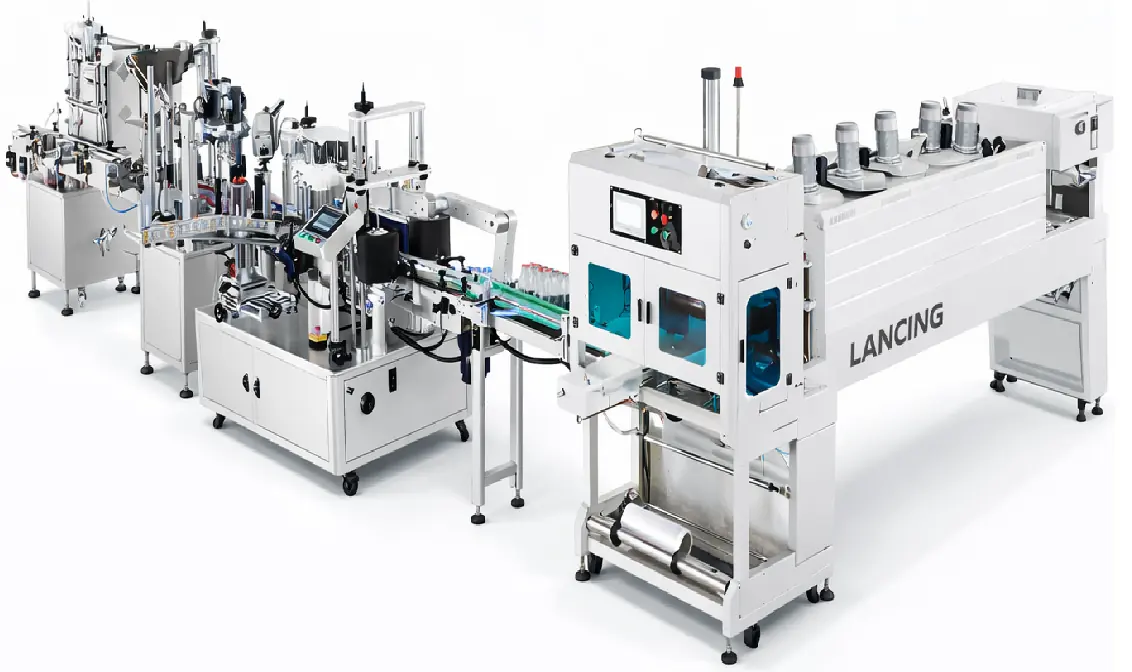
Packaging line sample trials
Use trials to observe changeover, cleaning access and realistic operator activity.
Packaging machinery retrofit guide
Assess whether access, tooling or obsolete components justify an upgrade.
Packaging automation project brief
Include format mix, cleaning method and maintenance expectations in the original scope.
Turn the guidance into a workable machinery brief
Send the information you already have, including samples, drawings, photographs or a process video where available. Lancing can help identify the remaining technical decisions before a quotation or line proposal is prepared.
Keep recipes, physical parts and release checks aligned.
Repeatable changeover depends on the relationship between the approved product format, electronic settings, manual adjustments, change parts, line clearance and first-off quality checks.
Protect recovery parts and technical information.
Maintenance planning should identify critical spares, wear items, backups, component references and obsolescence risks before a failure removes the normal recovery route.
Connect routine work with service evidence and operator roles.
Controlled maintenance depends on accurate machine history, competent people, safe isolation and a clear escalation route.
Prepare a service or fault request
Provide the machine identity, condition, symptoms, history and production consequence.
Define operator and maintenance boundaries
Make normal operating, cleaning, changeover and technical tasks explicit.
Plan spares and recovery
Control wear parts, critical spares, backups and unsupported components.