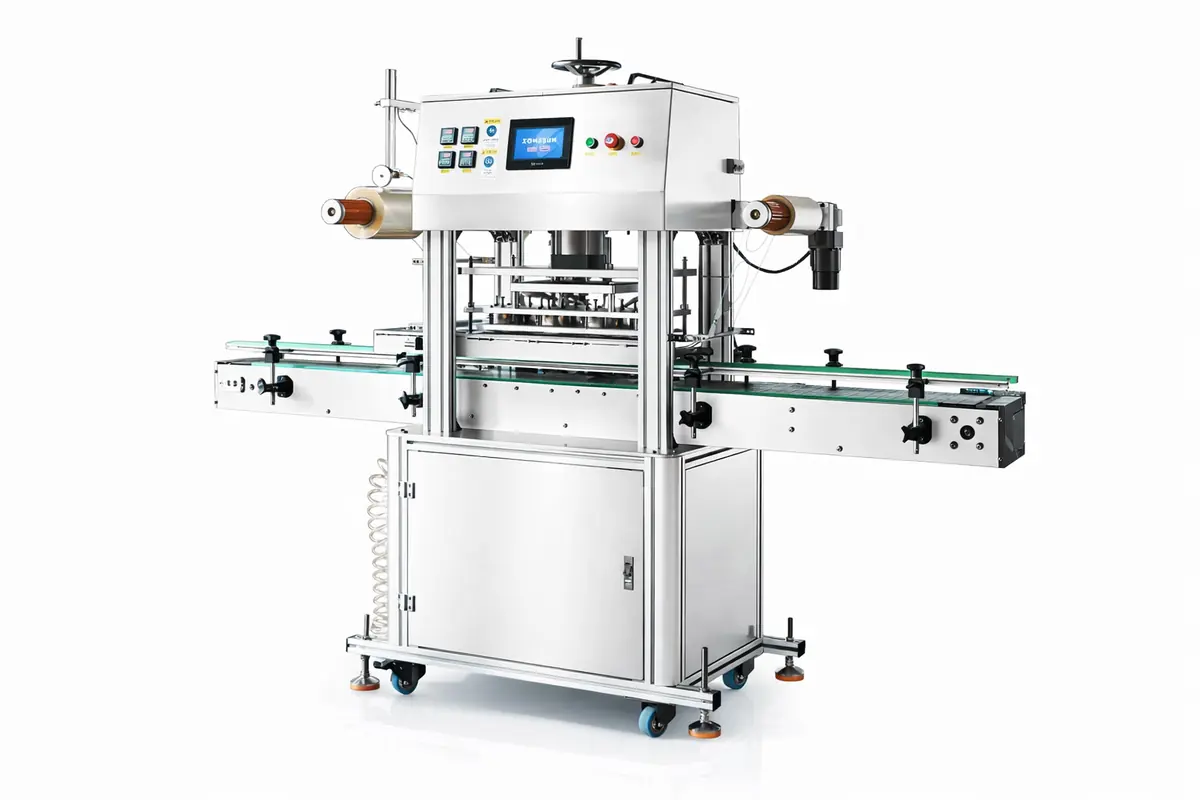
Sealing & Packing for packaging automation projects.
Induction sealing, foil sealing, continuous band sealing, vacuum packing, cartonizing and end-of-line sealing systems.
How this range is specified
The best machine configuration depends on product behaviour, container format, required speed, accuracy, utilities and integration requirements.
- Confirm product and pack samples before final selection.
- Review throughput expectations and operator involvement.
- Consider upstream feeding, downstream coding and conveyor transfer.
3 machinery options.
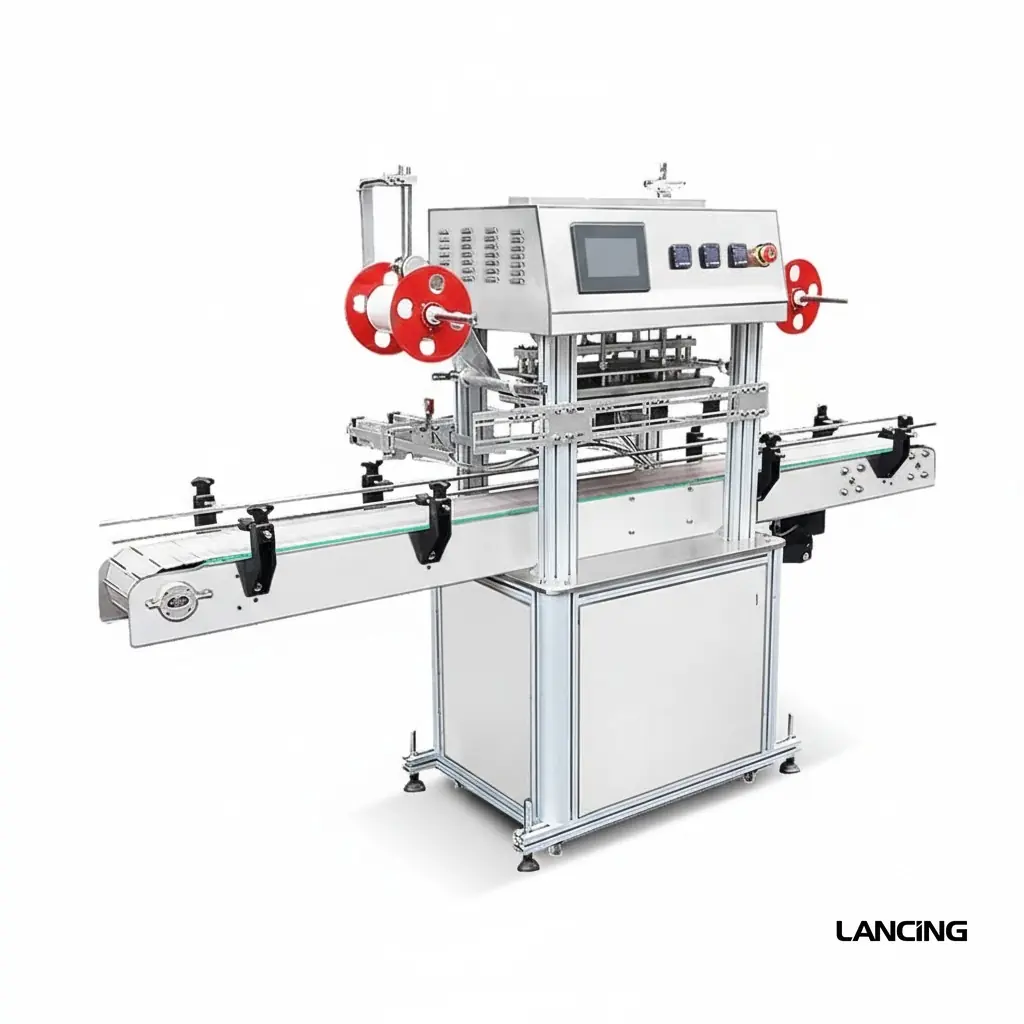
Continuous Sealing Machine
The Lancing UK LU-FR900 Automatic Continuous Sealing Machine is designed for efficient sealing of kraft paper bags, aluminum foil bags, and storage pouc...
View machine →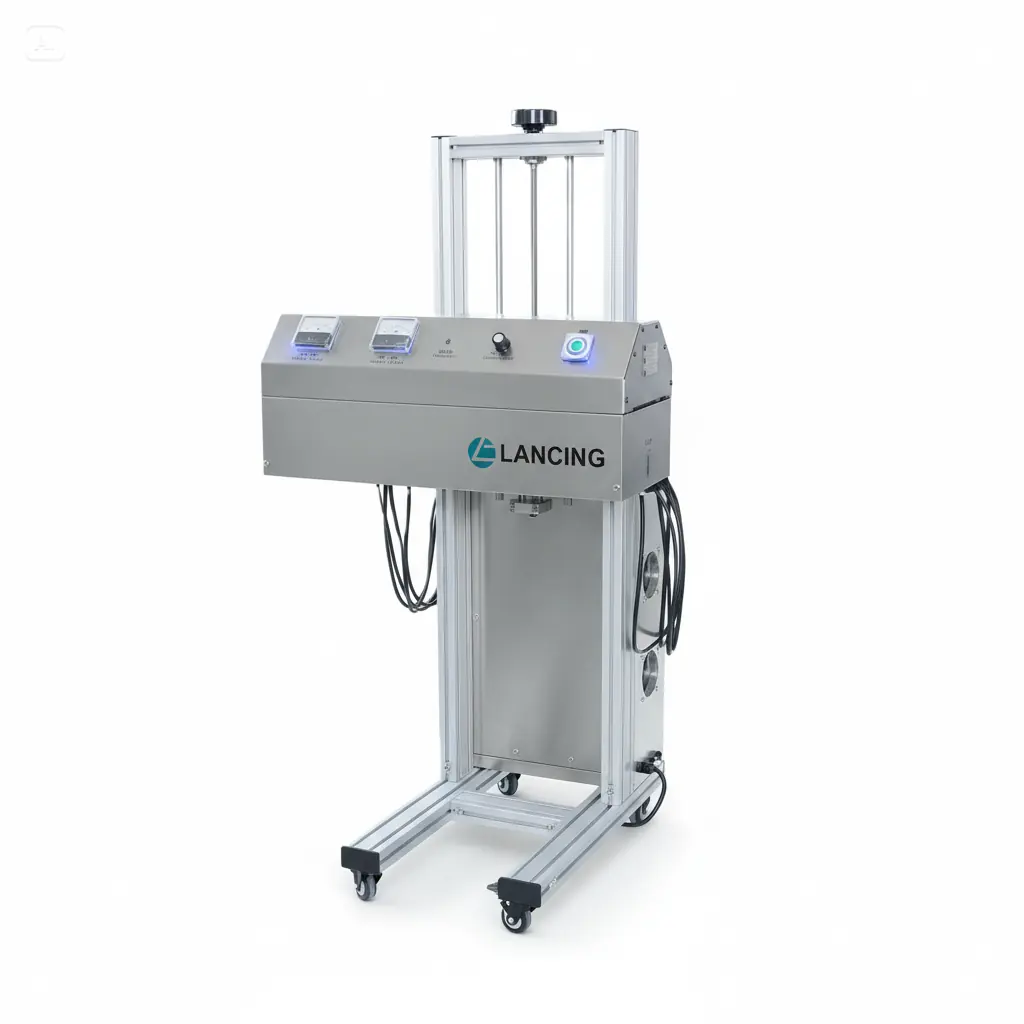
Desktop Induction Foil Sealer for Aluminum Cap Bottles
Packaging machinery configured to your product, format, and throughput requirements. Enquire about Desktop Induction Foil Sealer for Aluminum Cap Bottles with Lancing UK.
View machine →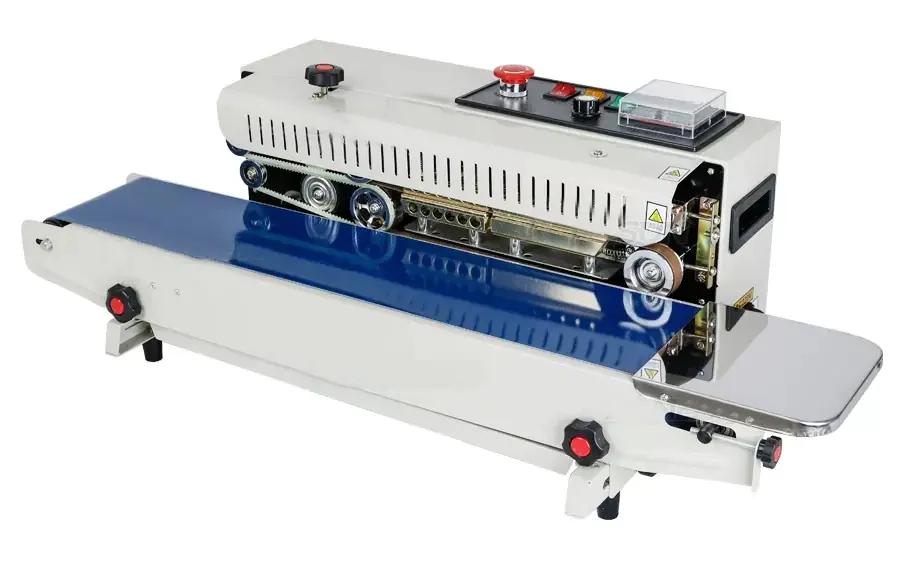
Semi-Auto Ink Band Sealing Machine
ML series film sealing machine is in the function on continuous carry,seal and print in one operation,enable to horizontally,vertically and with stand, ...
View machine →What is sealing & packing used for?
Sealing & Packing is used to automate the relevant packaging operation as part of a standalone cell or integrated production line.
How do I specify sealing & packing?
Prepare product details, pack dimensions, target output, utilities, changeover needs and any site constraints before requesting a proposal.
Can this equipment be integrated into a line?
Yes. Most projects can be combined with conveyors, coding, inspection, accumulation and end-of-line packing depending on the product and required throughput.
the pack material, seal mechanism and barrier requirement.
Sealing and packing machinery covers different processes. Selection starts with how the package is intended to close and the condition that must be achieved at the seal.
Heat-sealed flexible packs
Material structure, sealant layer, contamination at the seal, temperature, pressure and dwell determine the operating window.
Induction and foil sealing
Container, cap and liner compatibility must be reviewed as a system, with the closure applied correctly before energy is delivered.
Vacuum and secondary packing
Product shape, bag construction, evacuation requirement and presentation influence chamber, belt or other packing arrangements.
Information to confirm before configuration
| Pack and material | Supply the actual pouch, liner, cap, foil, carton or bag with supplier details where available. |
|---|---|
| Seal objective | Define leak resistance, tamper evidence, barrier, presentation or simple closure requirements. |
| Product at the seal | Describe dust, oil, liquid or particles that may reach the sealing area. |
| Operating pattern | State pack size range, batch length, changeover and whether the process is manual or inline. |
| Verification | Explain how seal quality is checked and what constitutes an unacceptable pack. |
Questions to resolve before selecting the pack material, seal mechanism and barrier requirement.
Answers depend on the real product, packaging components and operating conditions; representative samples should be used wherever practical.
Why is material compatibility important?
A machine can apply heat or pressure correctly while an incompatible material structure still gives an unreliable seal.
What affects a heat-seal setting?
Material, thickness, contamination, jaw condition, pressure, dwell, cooling and line speed can all affect the result.
Does induction sealing work with any bottle and cap?
No. The container, cap, liner and neck finish must be designed to work together and the cap must be applied consistently.
How should seal quality be checked?
Use a method appropriate to the pack and product, with an agreed sample size and acceptance condition.
Can sealing be integrated with coding or inspection?
Yes, provided pack control, sensor position, reject handling and line signals are defined.
Prepare a useful machinery enquiry
Send representative materials, the required output and details of any connected machinery. Lancing can then review the most suitable configuration and identify further tests or data needed.
Define the material interface and the evidence of an acceptable seal.
Sealing equipment must match the container or pouch, closure or laminate, product condition, seal area and required quality check. A visually closed pack is not automatically a proven seal.
Confirm material compatibility
Provide the container, closure, liner, pouch or film specification and explain any coating, contamination, moisture or product contact that can affect sealing.
Define the required result
State whether the process provides tamper evidence, leak resistance, closure retention, air removal, presentation or another function and how it will be checked.
Control process conditions
Review product level, seal-area cleanliness, speed, pressure, temperature, cooling, orientation and downstream handling using the relevant technology.
Information to prepare
- Production containers, closures, liners, pouches or film.
- Product condition and possible seal-area contamination.
- Required seal function and approved test method.
- Format range and change pattern.
- Upstream presentation and downstream handling.
Continue from this page
Use the most relevant next step to move from initial selection towards a defined, testable project.
Seal and pack sample trials
Test production materials, contamination risks and quality checks before configuration is final.
Sealing changeover and cleaning
Plan access, film or liner changes, contact areas and routine inspection.
Machinery safety and compliance
Use competent assessment for heat, pressure, vacuum, guarding and isolation.
Selection and application guidance
Continue with the most relevant technical guide to compare equipment, prepare representative samples and define the line interfaces that affect final selection.
Connect seal formation, coding, inspection and reject handling.
The process should define material condition, seal method, pack presentation and the checks used to identify an unacceptable pack. Where coding or inspection is added, preserve pack identity through the reject zone and final count.