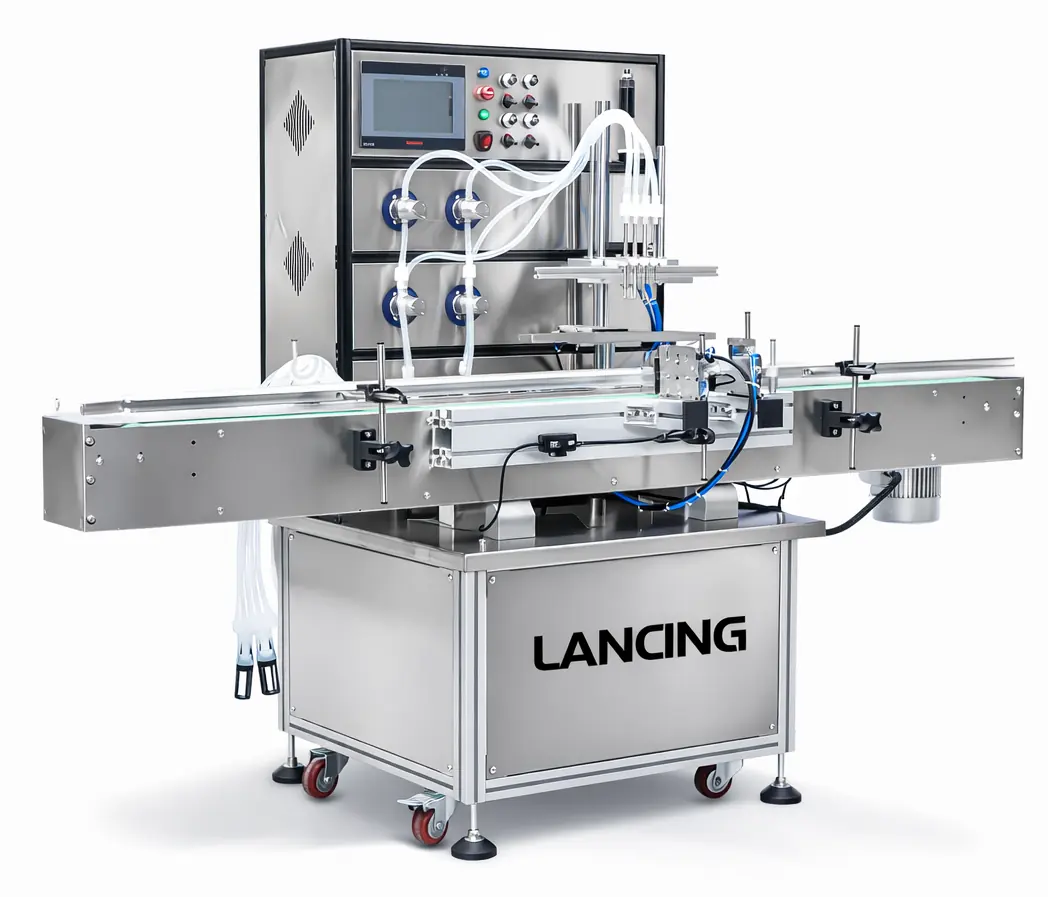
Filling Machinery for packaging automation projects.
Liquid, paste, powder, granule, weight and ATEX filling machinery for production and pilot scale lines.
How this range is specified
The best machine configuration depends on product behaviour, container format, required speed, accuracy, utilities and integration requirements.
- Confirm product and pack samples before final selection.
- Review throughput expectations and operator involvement.
- Consider upstream feeding, downstream coding and conveyor transfer.
10 machinery options.
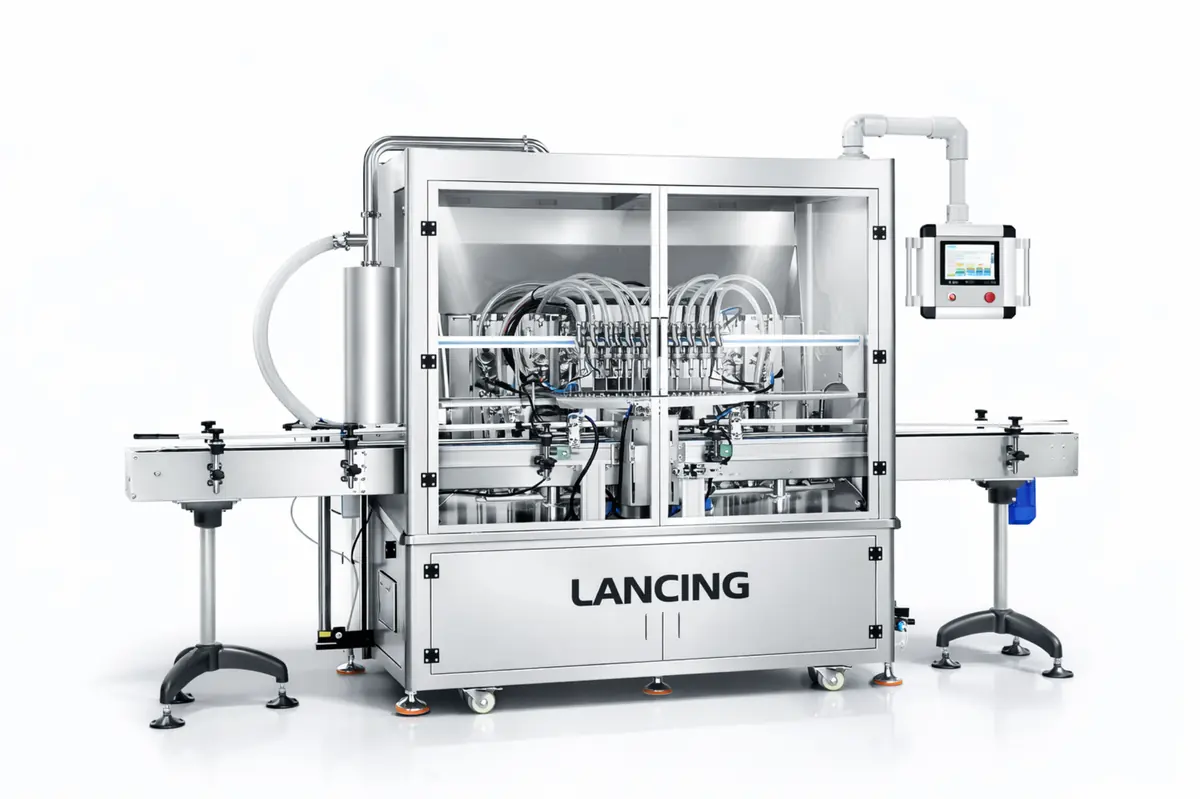
4 Heads Flow Diaphragm Pump Liquid Filling Machine
The LU-VTDP40 liquid filling machine is equipped with a high-performance diaphragm pump and supports automatic operation. With a maximum flow rate of 40...
View machine →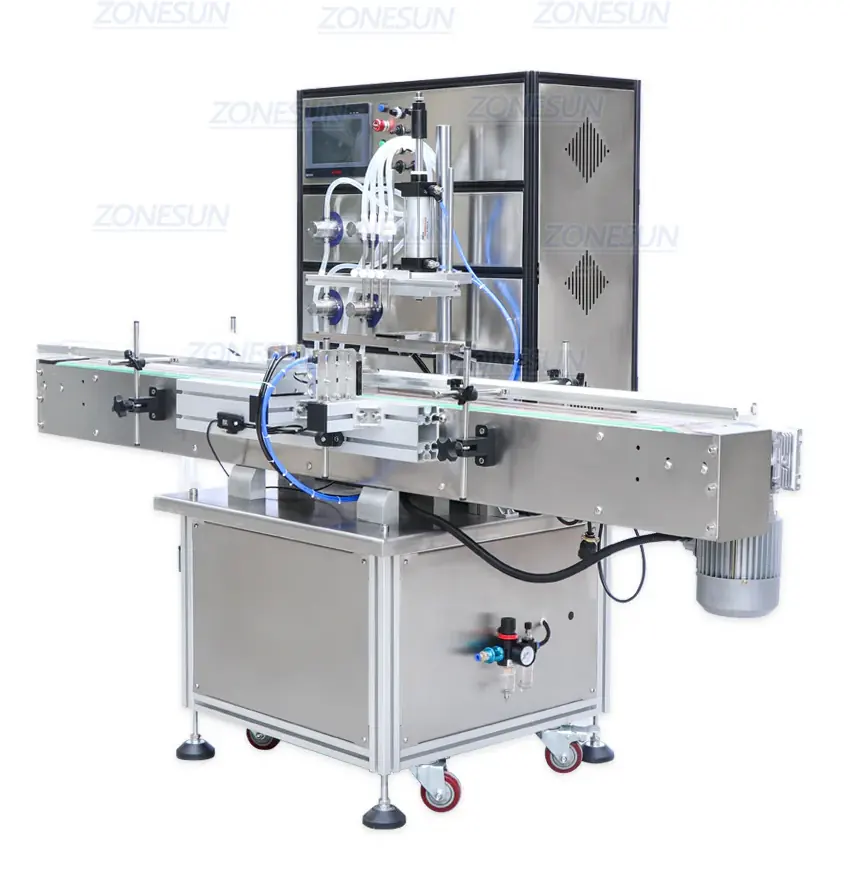
Automatic 8‑Nozzle Vacuum Liquid Filling Machine
The Lancing UK LU‑YTZL8A Automatic 8‑Nozzle Vacuum Liquid Filling Machine is engineered for precision and product integrity. Using a vacuum filling meth...
View machine →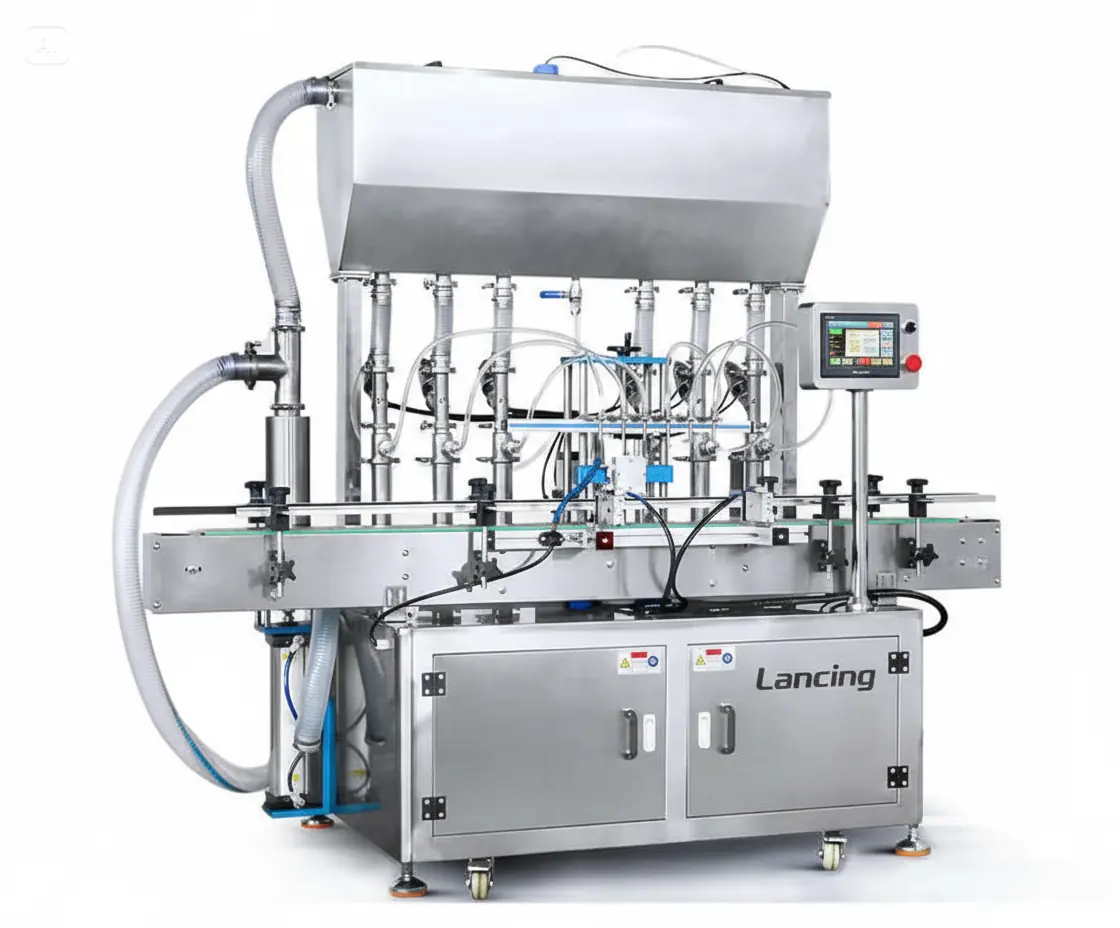
Automatic Sauce Filling Machine
LU-S100RP Packaging Machine – Technical Specifications Parameter Specification Model LU-S100RP Power Supply 220V AC, 50Hz, 1.6KW Air Source 0.8Mpa, 150L...
View machine →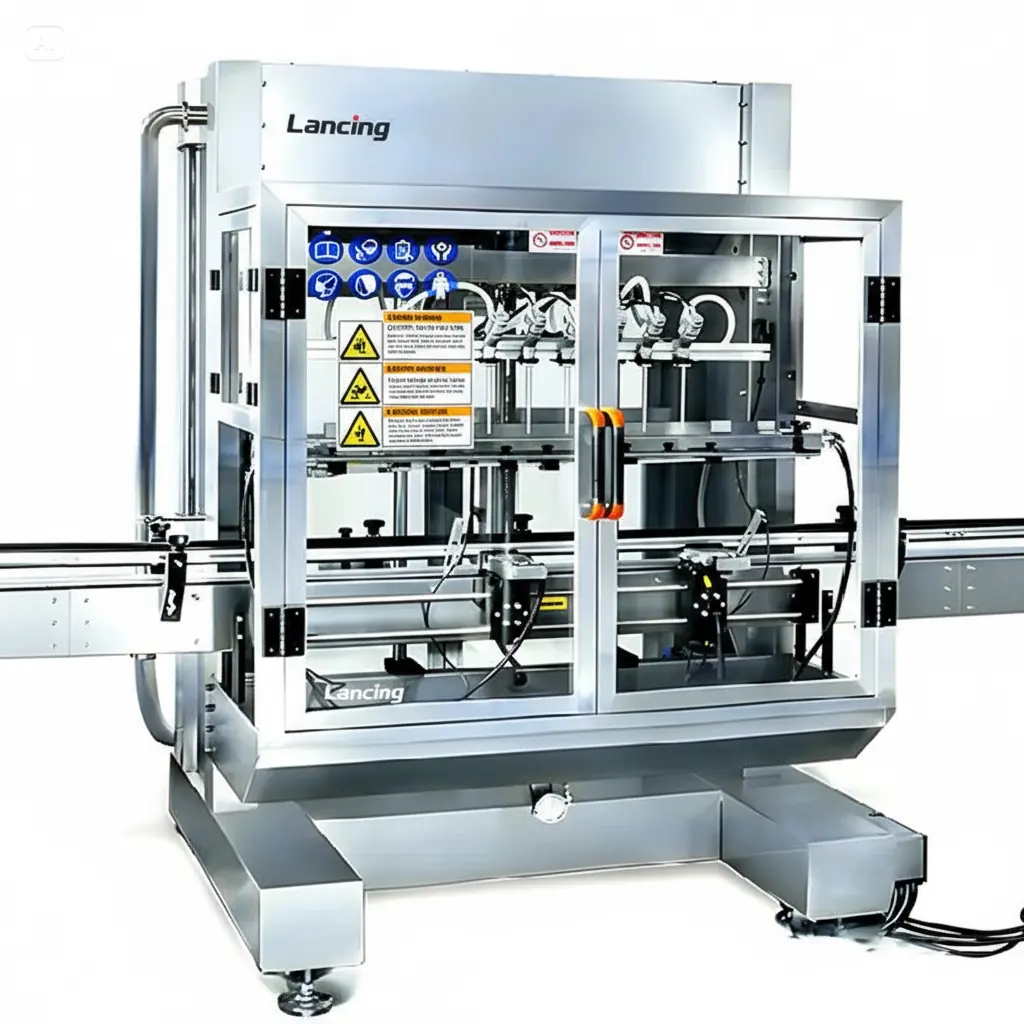
Automatic Strong Acid Corrosive Liquid Filling Machine
This anti-corrosion filling machine is built for high-efficiency liquid filling of strong acid , strong base , high oxidizer , and foaming liquid . Idea...
View machine →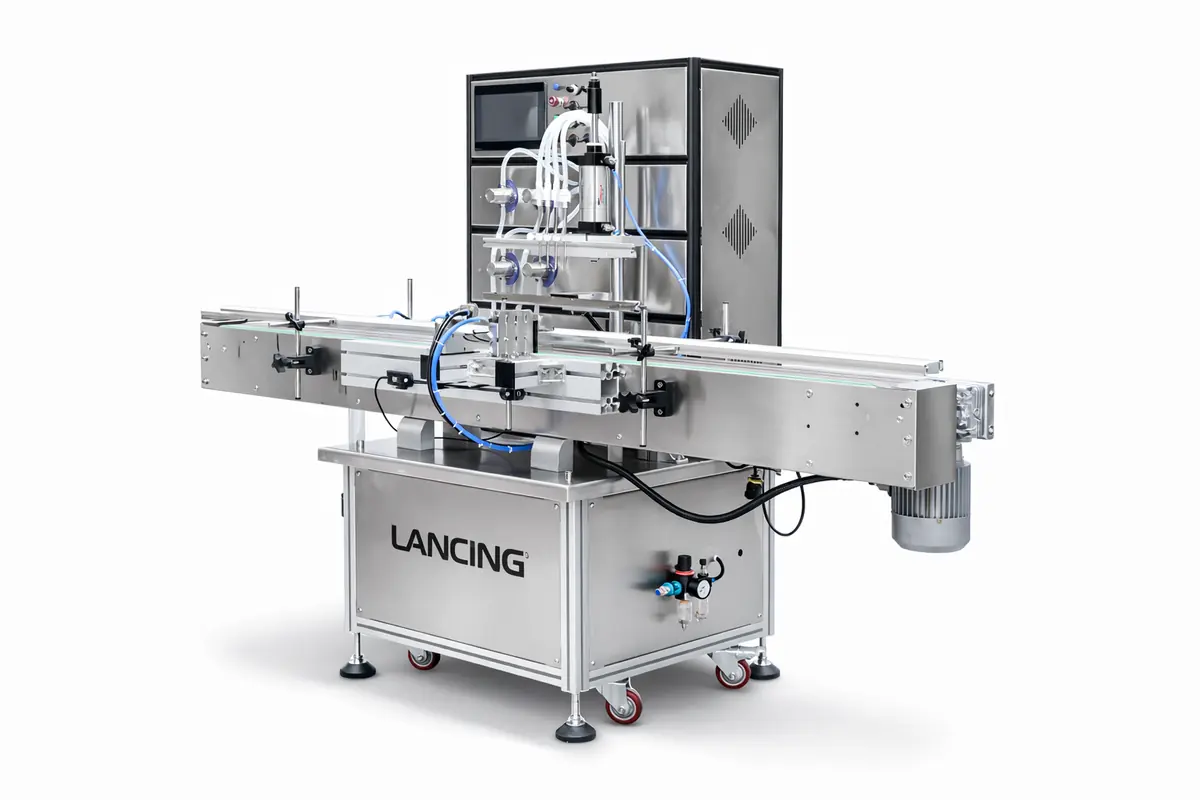
Gear Pump Liquid Weighing Filling Machine
The LU-GP261W is a semi-automatic gear pump filling machine designed for precise oil dispensing. With built-in weighing control, operators can easily se...
View machine →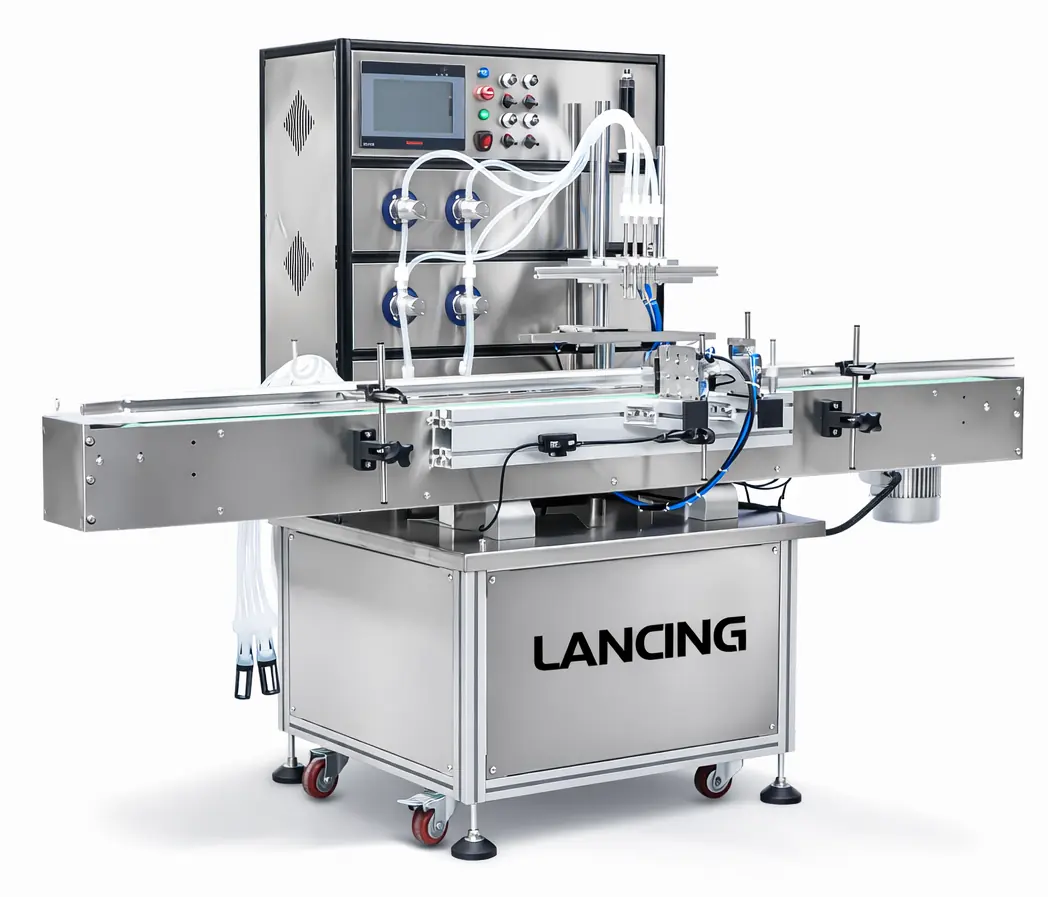
High-Volume Liquid Filling Machine
The Lancing UK LU-CL6T Automatic Liquid Filling Machine is built for high-volume, precision filling of liquids ranging from 500ml to 5000ml. Featuring s...
View machine →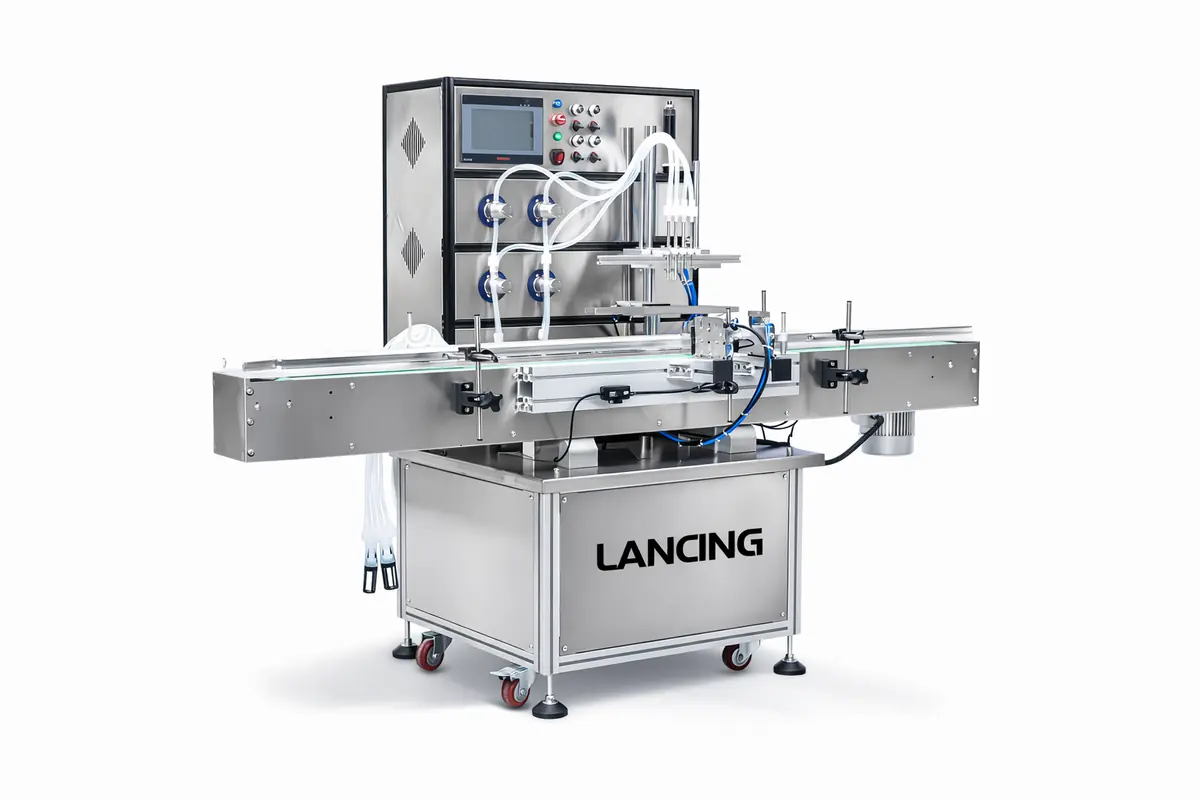
Pneumatic Vacuum Liquid Filling Machine
The vacuum liquid filling machine is a pure pneumatic equipment and requires no electricity,it can prevent the fragrance from spreading,this is especial...
View machine →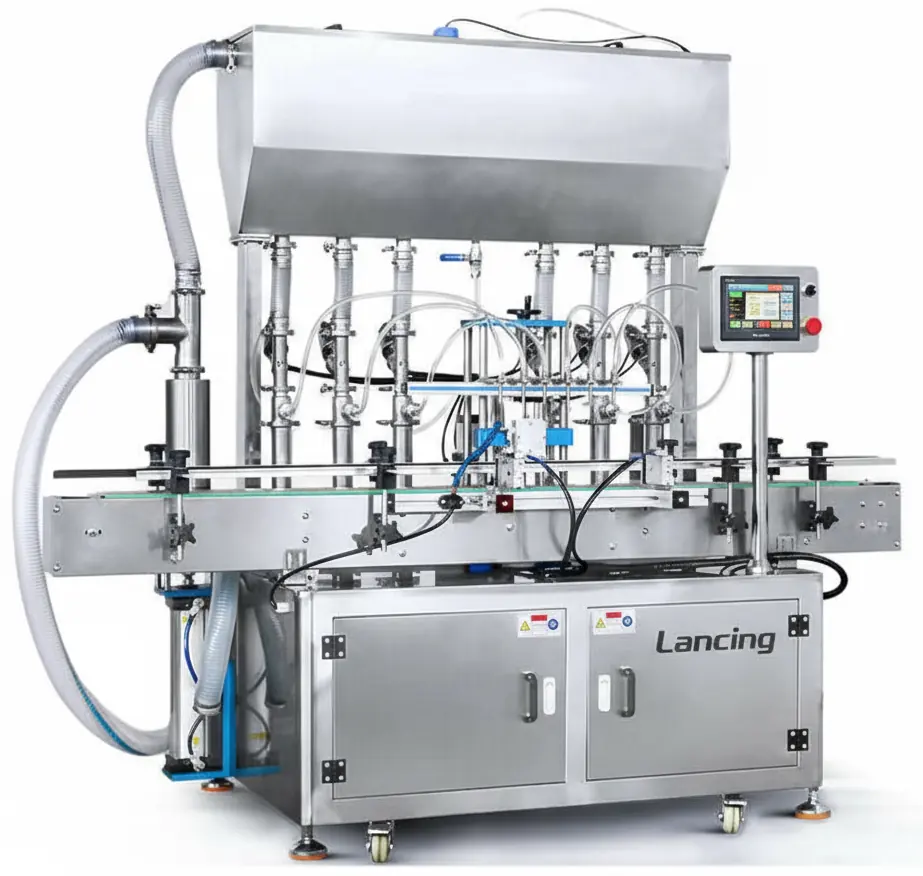
Rotor Pump Paste Filling Machine
The Lancing UK LU-DTGT900U is a high-performance automatic filling machine equipped with a rotor pump and a 100L mixer hopper, ideal for handling viscou...
View machine →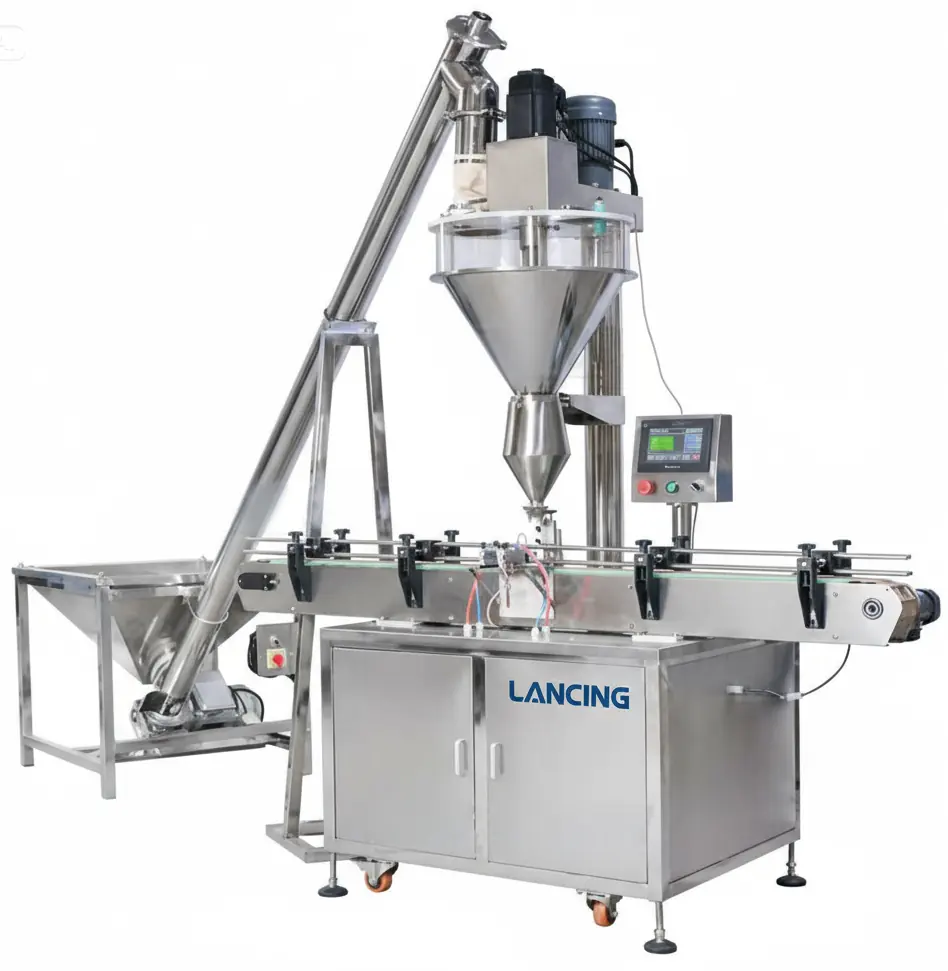
Semi-Auto Auger Powder Filling Machine
The Lancing UK LU-FM100L auger filling machine is designed for precise dosing of powders such as milk powder, flour, and fodder into bottles or bags. It...
View machine →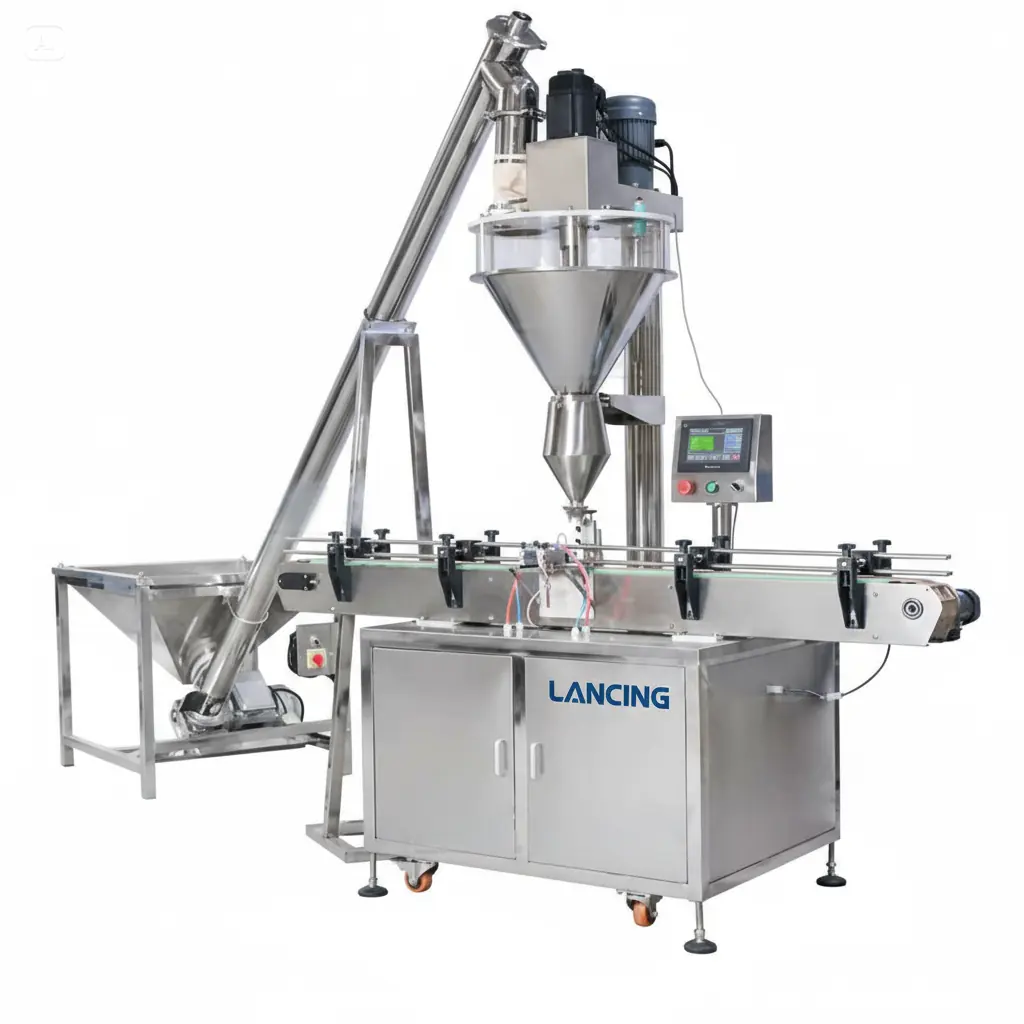
Semi-Auto Powder Auger Filling Machine
The LU-FM710 is a semi-automatic auger filling machine designed for precise powder dispensing. It supports two filling modes: volume-based and weight-ba...
View machine →What is filling machinery used for?
Filling Machinery is used to automate the relevant packaging operation as part of a standalone cell or integrated production line.
How do I specify filling machinery?
Prepare product details, pack dimensions, target output, utilities, changeover needs and any site constraints before requesting a proposal.
Can this equipment be integrated into a line?
Yes. Most projects can be combined with conveyors, coding, inspection, accumulation and end-of-line packing depending on the product and required throughput.
the filling process and dosing principle.
Filling machinery should be selected around product behaviour, fill target, container geometry, cleaning method and the way containers enter and leave the machine.
Liquid and low-viscosity products
Vacuum, timed-flow or pump-based systems can suit different products and containers. The correct principle depends on whether the target is level, volume, mass or another controlled condition.
Viscous products and pastes
Pump selection, nozzle design, cut-off behaviour, product temperature and the route from the supply vessel influence consistency and clean operation.
Powders and granules
Auger, vibration or weighing methods depend on flow, bulk density, dust, particle damage and the accuracy evidence required for the pack.
Information to confirm before configuration
| Product data | Provide viscosity or flow description, temperature, particulates, foaming tendency and any settling, aeration or separation behaviour. |
|---|---|
| Fill requirement | State the target amount, acceptable variation, fill reference and how the result is checked in production. |
| Container | Supply the opening size, height range, rigidity, stability and representative samples. |
| Product supply | Describe the source vessel, transfer distance, required agitation and cleaning or drain-down method. |
| Line interface | Confirm infeed, spacing, no-container control, outfeed, coding, closure and inspection requirements. |
Questions to resolve before selecting the filling process and dosing principle.
Answers depend on the real product, packaging components and operating conditions; representative samples should be used wherever practical.
Should the filler be chosen from fill volume alone?
No. Product behaviour, container opening, desired fill reference, cleaning and the supply method can be just as important as the nominal amount.
When is a sample trial useful?
A trial is useful when flow, foaming, stringing, particulates, container stability or product recovery could affect the result.
What container information is required?
Provide representative containers and drawings where available, including opening, overall dimensions, material, stiffness and any variation between suppliers.
How should cleaning be considered?
Define what must contact the product, how parts are accessed or removed, the cleaning agent and method, and the required changeover between products.
Can a filler be integrated with capping and labelling?
Yes, subject to a defined container transfer, line rate, accumulation strategy, control signals and safe access between processes.
Prepare a useful machinery enquiry
Send representative materials, the required output and details of any connected machinery. Lancing can then review the most suitable configuration and identify further tests or data needed.
Match the dosing method and machine format to the real product.
Filling performance depends on product behaviour, target quantity, container access, product supply and the way the pack is presented before and after dosing.
Characterise the product
Record viscosity, foam, aeration, solids, settling, dust, fragility, temperature and cleaning requirements using representative production material.
Define dose and container conditions
Include the full fill range, container dimensions, neck opening, headspace and the condition required at the next process.
Plan product supply and recovery
Review hopper, tank, pump or feeder arrangement, refill method, drip control, reject handling and safe emptying or cleaning.
Information to prepare
- Representative product, including expected variation.
- Empty and filled containers across the format range.
- Required dose or fill range and production pattern.
- Product supply, cleaning and cross-contamination constraints.
- Upstream and downstream equipment details.
Continue from this page
Use the most relevant next step to move from initial selection towards a defined, testable project.
Filling product sample trials
Use representative product and containers to compare nozzles, dosing routes and finished-pack behaviour.
Filling changeover and cleaning
Assess product-contact access, retained product, tooling and routine maintenance.
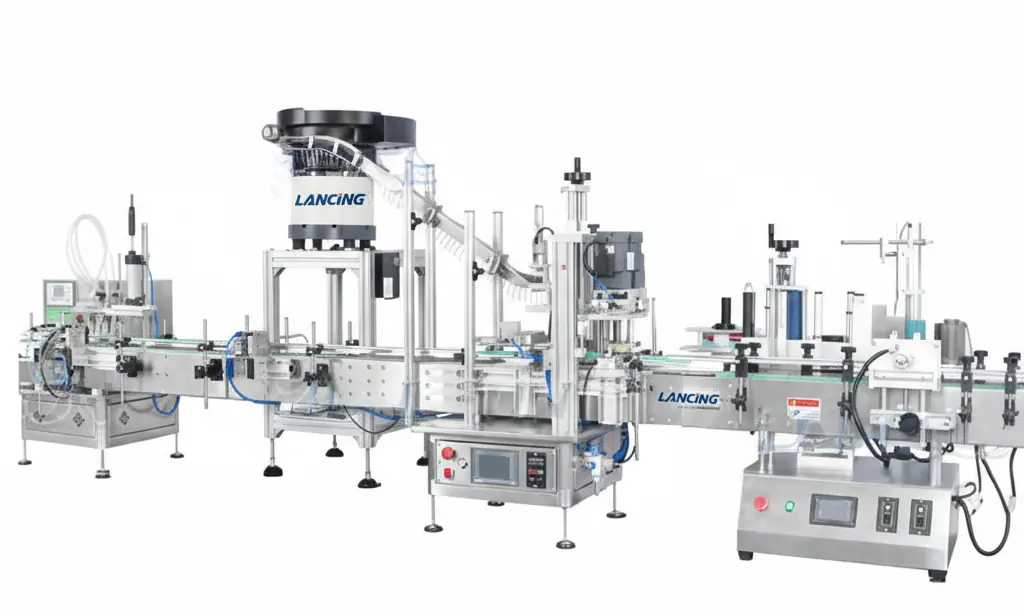
Filling machinery cost factors
Understand how product handling, fill range, automation and integration shape scope.
Selection and application guidance
Continue with the most relevant technical guide to compare equipment, prepare representative samples and define the line interfaces that affect final selection.
Keep the approved product, dosing method, format settings and output evidence connected after selection.
Product behaviour and representative samples determine the filling route. Record the controlled format list, recipe values, good/reject count point and cleaning boundary so commissioning and later changes use the same evidence.