Vertical Form Fill & Seal for packaging automation projects.
VFFS, sachet, pouch, bag forming, weighing, filling and sealing machinery for granular, powder and liquid packs.
How this range is specified
The best machine configuration depends on product behaviour, container format, required speed, accuracy, utilities and integration requirements.
- Confirm product and pack samples before final selection.
- Review throughput expectations and operator involvement.
- Consider upstream feeding, downstream coding and conveyor transfer.
5 machinery options.
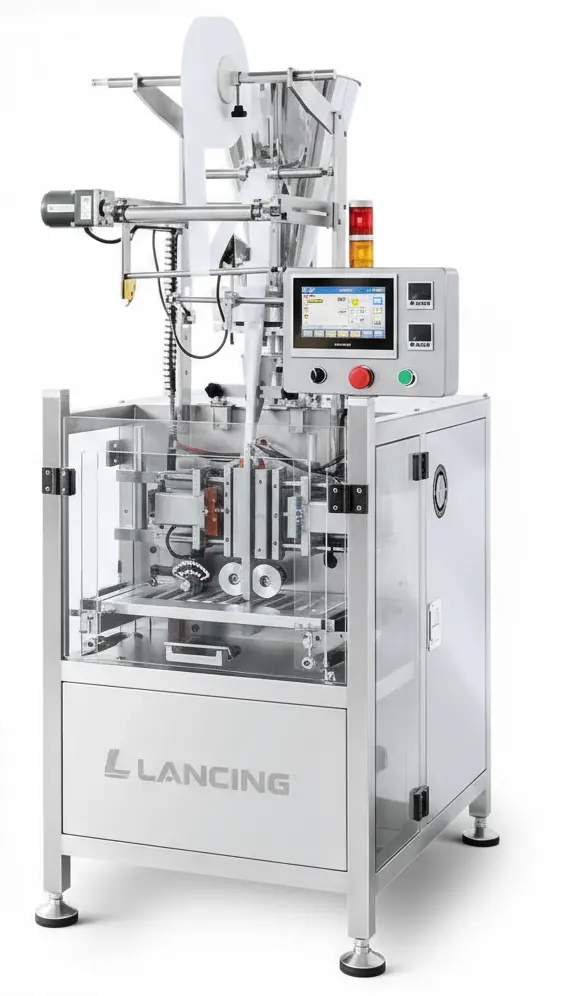
Automatic Granule Bag Filling Sealing Machine
The LU-FS280 is a versatile pouch filling and sealing machine designed for granule products like chocolate, candy, and snacks. It supports multiple seal...
View machine →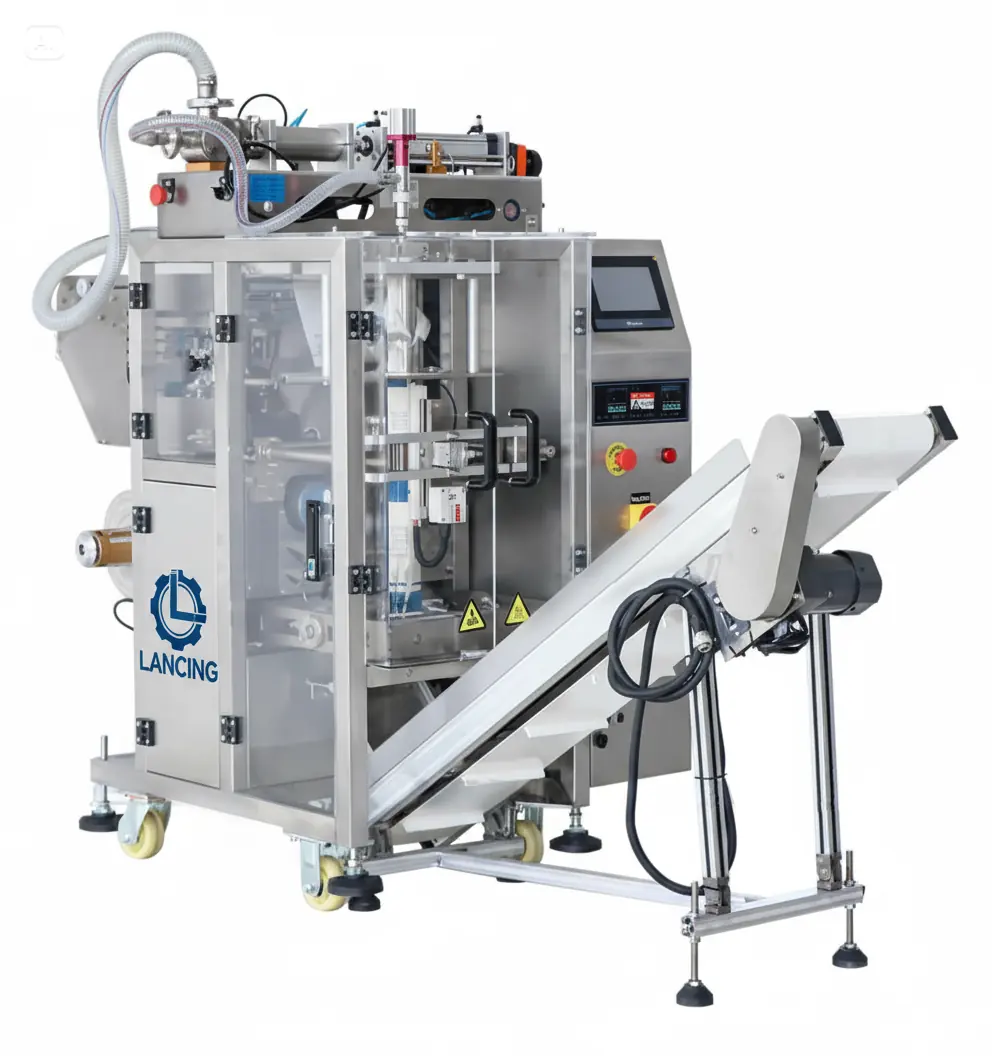
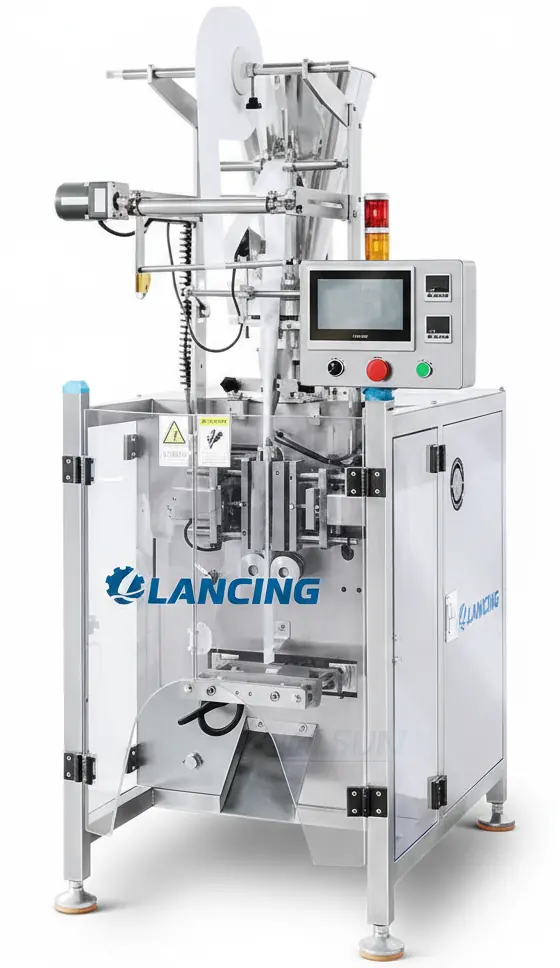
Automatic Pouch Granule Bag Weighing Filling Sealing Machine
Whatever your packaging needs are, you can rely on Lancing UK.
View machine →Automatic Powder Filling Sealing Machine
Designed for filling granule automatically,this machine can finish making-bag,metering,filling,sealing,cutting,counting and printing date,and for improv...
View machine →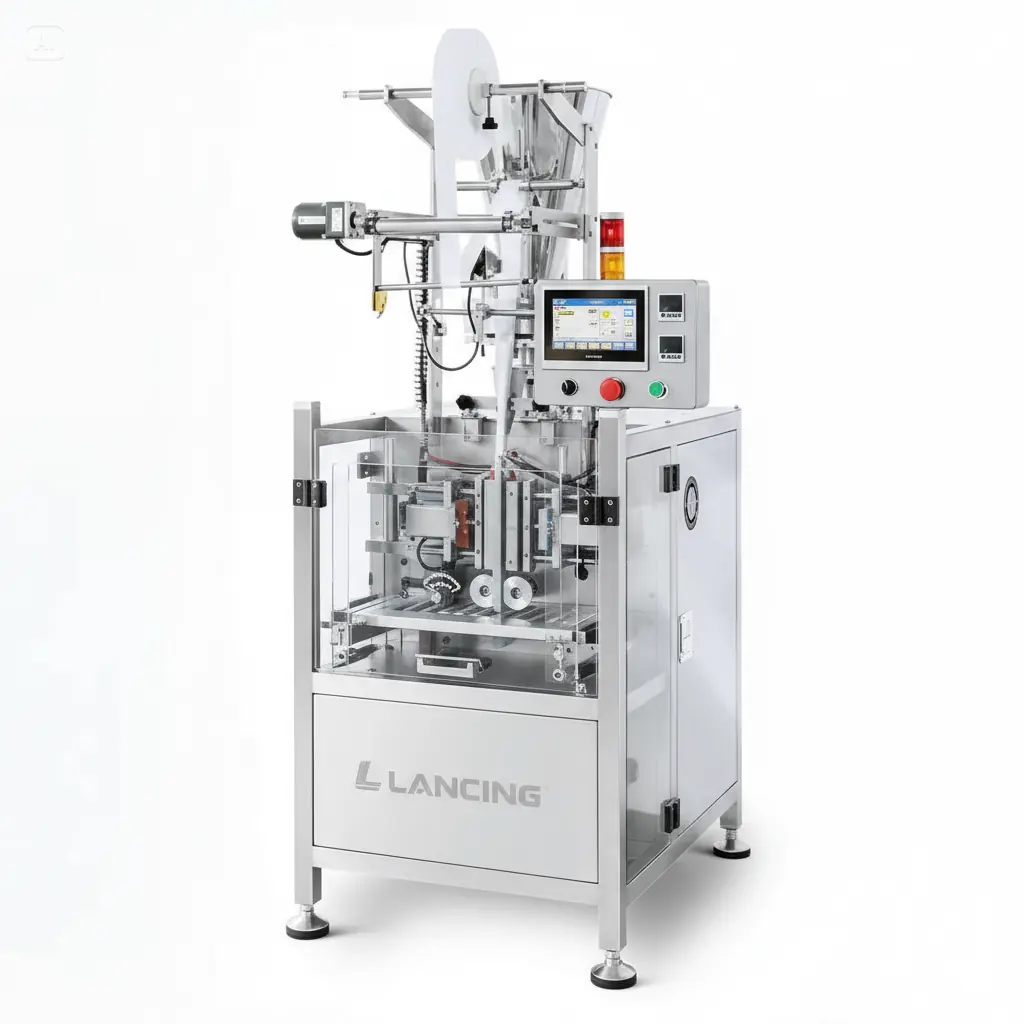
Automatic VFFS Auger Powder Filling Machine
The Lancing UK LU-FS06 is a fully automatic auger filling and vertical form-fill-seal (VFFS) packaging machine specially designed for powder products. I...
View machine →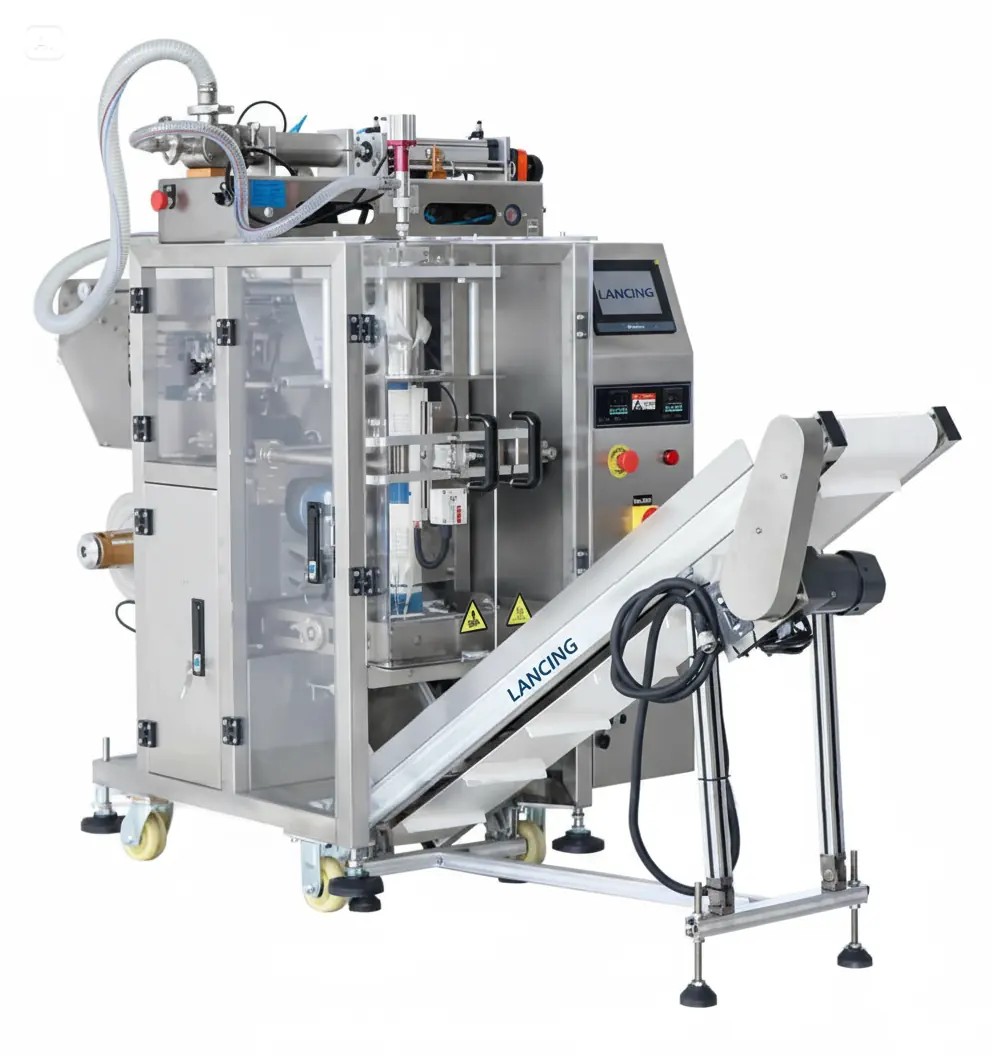
Back Seal Granule Pouch Filling & Sealing Machine
Whatever your packaging needs are, you can rely on Lancing UK.
View machine →What is vertical form fill & seal used for?
Vertical Form Fill & Seal is used to automate the relevant packaging operation as part of a standalone cell or integrated production line.
How do I specify vertical form fill & seal?
Prepare product details, pack dimensions, target output, utilities, changeover needs and any site constraints before requesting a proposal.
Can this equipment be integrated into a line?
Yes. Most projects can be combined with conveyors, coding, inspection, accumulation and end-of-line packing depending on the product and required throughput.
the dosing system, film and finished bag.
Vertical form fill and seal projects combine product dosing with film forming, sealing and cutting. Each part must be compatible with the intended bag and product.
Choose the product dosing method
Auger, volumetric cup, vibration or weighing systems suit different powders, granules and product behaviours.
Define the film and seal window
Film structure, thickness, coefficient of friction, print registration and seal response affect forming and reliable closure.
Define the finished bag
Width, length, fill height, headspace, seal style, cut and coding position should be agreed from a physical pack target.
Information to confirm before configuration
| Product sample | Provide enough representative material to assess flow, dust, density, fragility and dosing behaviour. |
|---|---|
| Film specification | Supply production film or the converter specification, including roll width, thickness, print repeat and winding. |
| Bag drawing | Record finished dimensions, seal arrangement, cut position and any registration requirement. |
| Dose and check | State the target amount and how filled packs will be verified. |
| Downstream handling | Confirm take-away conveyor, checkweighing, coding, metal detection or case packing interfaces. |
Questions to resolve before selecting the dosing system, film and finished bag.
Answers depend on the real product, packaging components and operating conditions; representative samples should be used wherever practical.
Is VFFS suitable for every powder or granule?
No. Flow, dust, aeration, fragility and product size affect the dosing method, bag fall and seal-area cleanliness.
Why is production film needed for trials?
Different films can form, track and seal differently even when nominal dimensions appear similar.
What determines bag size?
Film width, former geometry, seal style, product volume, headspace and the required finished presentation all contribute.
How is printed film controlled?
A registration mark can be detected to position the cut and artwork, provided the contrast and repeat are suitable.
What should an acceptance run include?
Use agreed product, film and dose settings, then check bag dimensions, seal condition, registration, fill verification and fault recovery.
Prepare a useful machinery enquiry
Send representative materials, the required output and details of any connected machinery. Lancing can then review the most suitable configuration and identify further tests or data needed.
Specify the dose, product flow and film as a connected process.
A vertical form fill seal project combines product feeding and dosing with film control, bag formation, sealing and discharge. Each part must suit the same product and pack objective.
Characterise product flow
Record bulk behaviour, dust, fines, fragility, static, settling and the way product is supplied to the dosing system.
Define the finished bag
Provide fill quantity, bag dimensions, film structure, seal area, code position, tear or hang features and acceptable headspace.
Plan dust and seal protection
Review product fall, timing, extraction or containment and the risk of material entering the sealing area.
Information to prepare
- Representative product and bulk-handling information.
- Production film or a controlled specification.
- Required fill range and finished bag dimensions.
- Coding, seal and inspection requirements.
- Product infeed and finished-pack discharge arrangement.
Continue from this page
Use the most relevant next step to move from initial selection towards a defined, testable project.
VFFS product and film trials
Test product dose, film tracking, bag formation and seal quality with representative materials.
VFFS site readiness
Prepare height, access, product feeding, extraction, services and discharge handling.
VFFS cost factors
Understand the effect of dosing method, film features, feeding and downstream scope.
Selection and application guidance
Continue with the most relevant technical guide to compare equipment, prepare representative samples and define the line interfaces that affect final selection.
Control the product, film, forming set, seal settings and code as one format.
VFFS format performance depends on product delivery, film behaviour, forming geometry, sealing conditions and downstream handling. Use representative materials and define the recipe, good-pack count, rejects and change verification for each approved format.