How should packaging machine spares and obsolescence be planned?
Packaging machine spares and obsolescence should be planned from production criticality, failure consequence, usage, lead time, storage conditions and the site's ability to diagnose and replace parts. A useful plan separates routine wear items from critical recovery spares and keeps drawings, software backups and component references aligned with the installed machine.
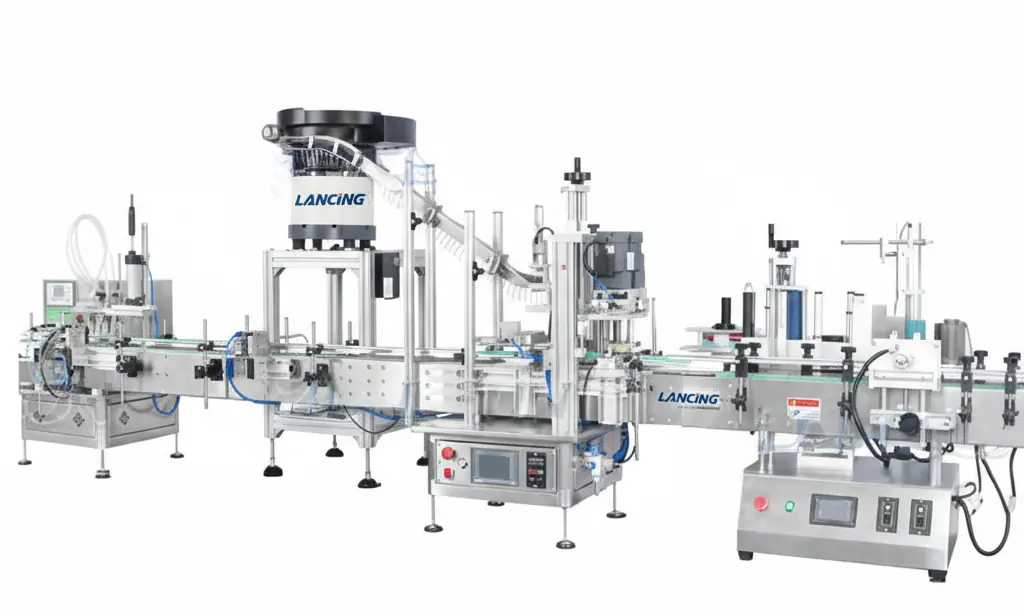
Choose spares by consequence and recovery route, not by part price alone
A low-cost sensor can stop a complete line, while an expensive mechanical assembly may be serviceable or available quickly. The criticality review should consider the production impact, probability of failure, diagnostic difficulty, replacement competence and realistic supply route.
Wear and consumable items
Parts expected to be replaced through normal use, product contact, friction, heat or routine adjustment. Their inspection and replacement interval should be linked to the maintenance plan.
Critical recovery spares
Components whose failure would create unacceptable downtime and cannot be sourced or repaired within the required recovery period. These may include selected controls, drives, sensors or machine-specific items.
Repairable and strategic items
Higher-value assemblies that can be repaired, exchanged or held centrally. The plan should record the approved substitute, configuration and return route where one exists.
Create a controlled record that identifies the installed component
| Record field | Why it matters |
|---|---|
| Machine and assembly | Links the spare to the exact location and avoids using a visually similar component in the wrong duty. |
| Manufacturer reference | Provides the ordering identity, including revision or configuration where relevant. |
| Criticality and quantity | Records the consequence of failure and the approved holding level rather than an unqualified list. |
| Storage and shelf life | Identifies temperature, humidity, contamination, battery or elastomer conditions and any inspection need. |
| Replacement competence | States whether site engineering, Lancing or another specialist should perform the work. |
| Backup or parameter set | Links programmable devices and drives to the correct software, firmware, parameters and restoration method. |
Protect the information needed to restore the machine
A spare programmable component is not a complete recovery plan if the software, parameters, network settings, safety configuration or passwords needed for authorised restoration are missing. Keep controlled backups and record the installed versions after commissioning and after every approved change.
- Electrical, pneumatic and mechanical drawings for the as-installed machine.
- PLC, HMI, drive and device backups where supplied and permitted.
- Format recipes, calibration values and approved change records.
- Bill of materials and component references tied to the installed revision.
- Instructions for safe isolation, replacement, testing and return to service.
Plan maintenance work so it can be carried out safely
Maintenance can expose people to hazards that are normally enclosed during production. The site should define competence, isolation, access, testing and handback arrangements for planned and unplanned work.
The HSE's maintenance of work equipment guidance explains the importance of safe maintenance planning and keeping work equipment in effective condition. Site-specific risk assessment and instructions remain necessary.
Review component support before a failure removes the upgrade options
Obsolescence is not limited to a discontinued PLC. Drives, HMIs, safety devices, industrial computers, proprietary boards, software tools and communication interfaces can all become difficult to support. Review the installed base periodically and before major format, controls or line-integration changes.
- Confirm the current support status of critical components.
- Identify approved replacements and the engineering needed to use them.
- Check whether source files, licences, cables and software tools are available.
- Assess the mechanical life and condition of the machine before a controls-only upgrade.
- Plan migration, testing, rollback and production downtime as a controlled project.
Questions about packaging machinery spares and obsolescence
Which spares should be ordered with a new packaging machine?
Start with the supplier's recommended list, then assess each item against production criticality, likely wear, lead time, site stock and the ability to replace it safely. Include the tools, backups and instructions needed to make the spare usable rather than buying parts without a recovery method.
What is the difference between wear parts and critical spares?
Wear parts are expected to deteriorate through normal use and are replaced through planned maintenance. Critical spares are held because their failure would create unacceptable downtime and the normal supply or repair route is too slow, even if the component does not fail frequently.
How often should an obsolescence review be completed?
Review the most critical assets on a planned cycle and whenever the supplier announces a product change, a major line modification is proposed, repeated faults emerge or essential engineering tools become unsupported. The appropriate frequency depends on the installed equipment and production risk.
Can obsolete packaging machine controls be retrofitted?
Controls can often be replaced, but suitability depends on the machine's mechanical condition, safety functions, documentation, interfaces and access to the original program and parameters. A retrofit should be treated as an engineered modification with risk review and recommissioning.
What records should be kept after a spare is fitted?
Record the machine, component reference, reason for replacement, configuration, software or parameter version, tests completed and the person authorising return to service. Update the spare holding and drawings if the installed component or revision changed.
Connect spares planning with maintenance and upgrade decisions
Use these guides to review routine work, machine condition and the boundary between repair, retrofit and replacement.
Changeover, cleaning and maintenance
Design routine intervention into machinery selection and operation.
Retrofit and upgrade planning
Compare modification and replacement using condition and evidence.
Machinery services
Plan commissioning, spares, upgrades and production support.
Review the support risk around your packaging machinery
Send the machine details, current documentation, recurring faults, critical components and required recovery expectations. Lancing can help define the evidence needed for a spares or upgrade review.
Use machine identity and condition evidence before parts are ordered or a visit is scoped.
Similar-looking components can have different ratings, materials and software requirements, so compatibility should be confirmed from traceable information.
Package machinery service information
Prepare serial numbers, photographs, fault evidence, history and parts markings.
Review retrofit or replacement
Separate restoration of the original function from a controlled improvement project.
Assign lifecycle responsibilities
Define who owns backups, spare parts, software licences and support records.