How do you build a business case for packaging automation?
A packaging automation business case should compare the verified current process with credible improvement options and the complete delivered project scope. It should include labour, output, quality, waste, changeover, downtime, safety, support and implementation risk without assuming that every theoretical saving will be realised immediately.
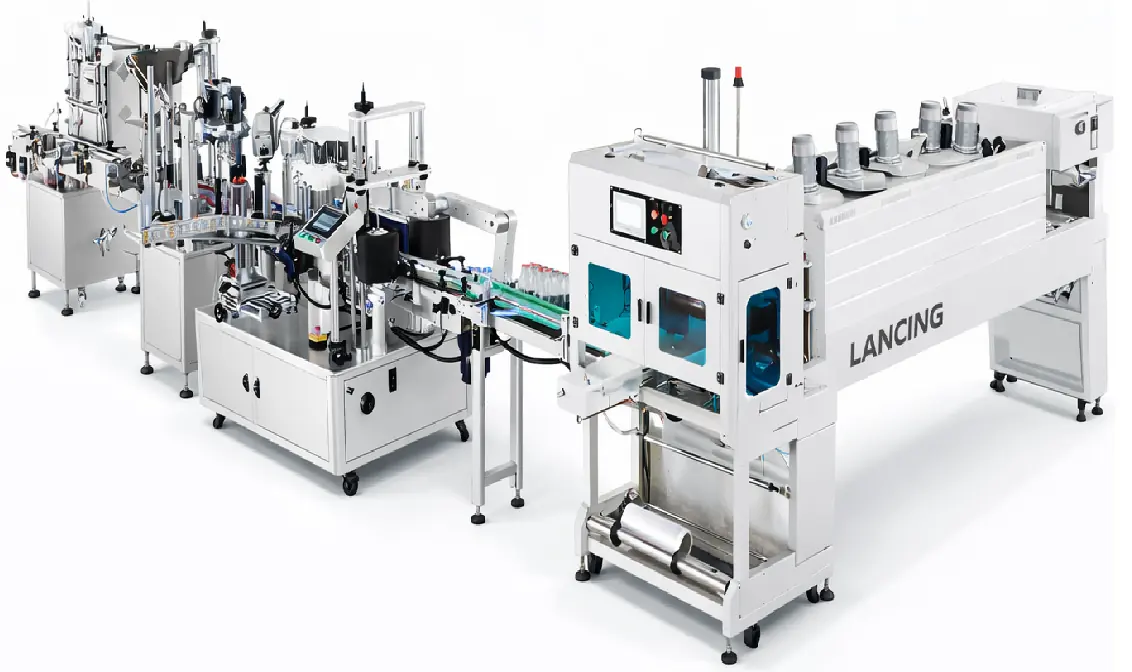
Measure the present process before assigning future savings
The baseline should describe actual production across representative products and campaigns. Separate normal work from temporary workarounds, and identify whether the visible issue is the true constraint or a symptom of an upstream or downstream loss.
Current operating method
Record staffing, tasks, line rate, good output, rejects, rework, waiting, replenishment, cleaning, changeover and unplanned interventions using a defined period.
Required future capability
Define the products, formats, campaign pattern, quality result, target output and future options that the investment must support.
Constraints and dependencies
Include available footprint, utilities, skills, upstream supply, downstream capacity, approvals, sample readiness and implementation windows.
Use several credible scenarios rather than one preferred machine
| Scenario | Questions to answer |
|---|---|
| Retain the current method | What capacity, quality, labour or resilience risk remains, and what investment is still needed to keep the process viable? |
| Improve the existing process | Can layout, tooling, maintenance, training or a targeted retrofit remove the constraint without a new machine? |
| Semi-automatic step | Which task is mechanised, what work remains with the operator, and will the next bottleneck limit the benefit? |
| Automatic standalone machine | How will products and components be loaded, transferred and collected, and what support processes remain manual? |
| Integrated packaging line | How do conveyors, controls, guarding, coding, inspection, utilities and site work affect the complete outcome? |
Include the work needed to produce accepted packs
The equipment price is only part of the investment. Include tooling, feeding, conveyors, controls, guarding, coding, inspection, freight, unloading, installation, utilities, trials, commissioning, training, documentation, spares and internal project time where they apply.
- Separate mandatory scope from optional and future scope.
- Record exclusions and customer responsibilities.
- Allow for representative trials and acceptance activities.
- Include production disruption and controlled ramp-up.
- Consider maintenance, consumables and support over the intended life.
Value benefits conservatively and make assumptions visible
Labour may be redeployed rather than removed. Nominal machine speed may not become sustained line output. Quality gains depend on the materials, controls and operating discipline. Use a range of credible outcomes and identify the assumptions that have the greatest effect on the decision.
Benefits can include released operator time, additional usable capacity, improved consistency, reduced giveaway or waste, fewer manual handling steps, improved traceability, better use of floor space and reduced risk from an unsupported process. Include only benefits the project can reasonably influence.
Build a transparent calculation that can be checked after commissioning
| Evidence group | Record before approval |
|---|---|
| Baseline | Measurement period, products, shifts, people, good output, losses and data source. |
| Project scope | Included equipment, services, internal work, interfaces, exclusions and acceptance conditions. |
| Benefits | Calculation method, responsible owner, timing, dependencies and conservative range. |
| Risks | Sample uncertainty, site readiness, skills, product changes, supply constraints and implementation disruption. |
| Decision gates | Trials, layout approval, quotation review, FAT, SAT and post-start performance review. |
| Post-project review | Actual production measures, unresolved actions and whether the original assumptions were achieved. |
Questions about packaging automation business cases
What costs belong in a packaging automation business case?
Include the complete scope needed to deliver and operate the solution: machinery, tooling, integration, guarding, utilities, installation, trials, commissioning, training, documentation, spares, internal project time and production disruption where relevant. Exclusions should be visible rather than assumed.
How should semi-automatic and automatic options be compared?
Compare the whole production method, including operator loading, replenishment, transfer, inspection, collection, changeover and support. A lower-cost machine may retain more work, while a highly automated option may add feeding and integration that the volume or format mix does not justify.
Are labour savings enough to justify packaging automation?
Labour can be important, but the case should also consider capacity, quality, waste, consistency, ergonomics, traceability, resilience and future demand. State whether time is genuinely removed, redeployed or shifted to replenishment, changeover and supervision.
How can an investment be phased when demand is uncertain?
Define interfaces and future requirements early, then consider a semi-automatic step, a standalone automatic machine or a line designed for later modules. The first phase should deliver independent value without creating a layout or controls barrier to the next phase.
How should the business case be checked after commissioning?
Repeat the baseline measures using agreed products and operating periods after the process has stabilised. Compare actual staffing, output, quality, downtime and support work with the approved assumptions, and record actions where the expected benefit depends on further training or process changes.
Move from investment logic to a testable machinery project
Use the cost, automation and project guides to control assumptions before the machinery route is approved.
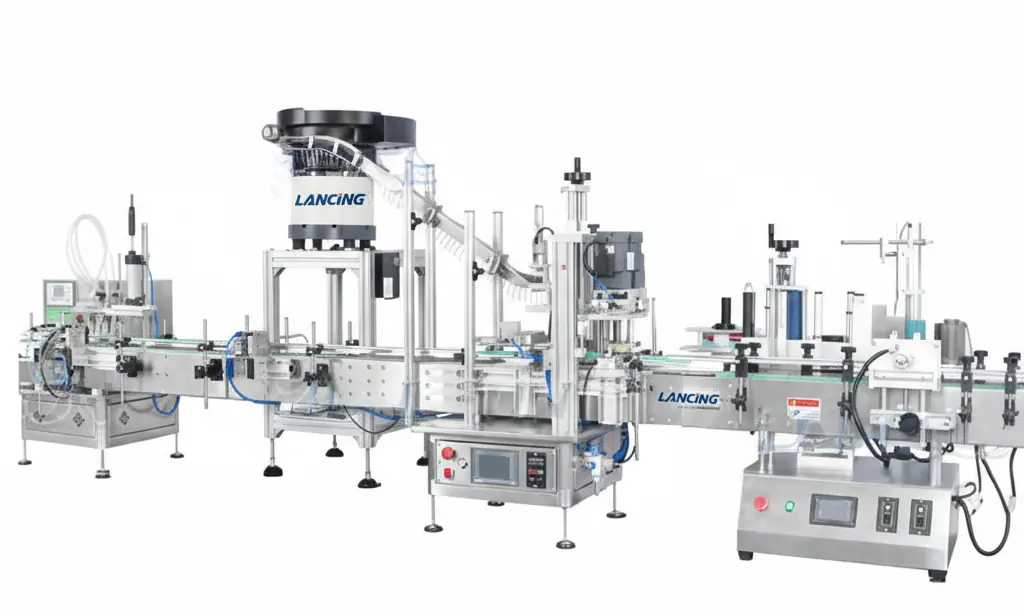
Packaging machinery cost factors
Understand what changes the delivered scope and quotation.
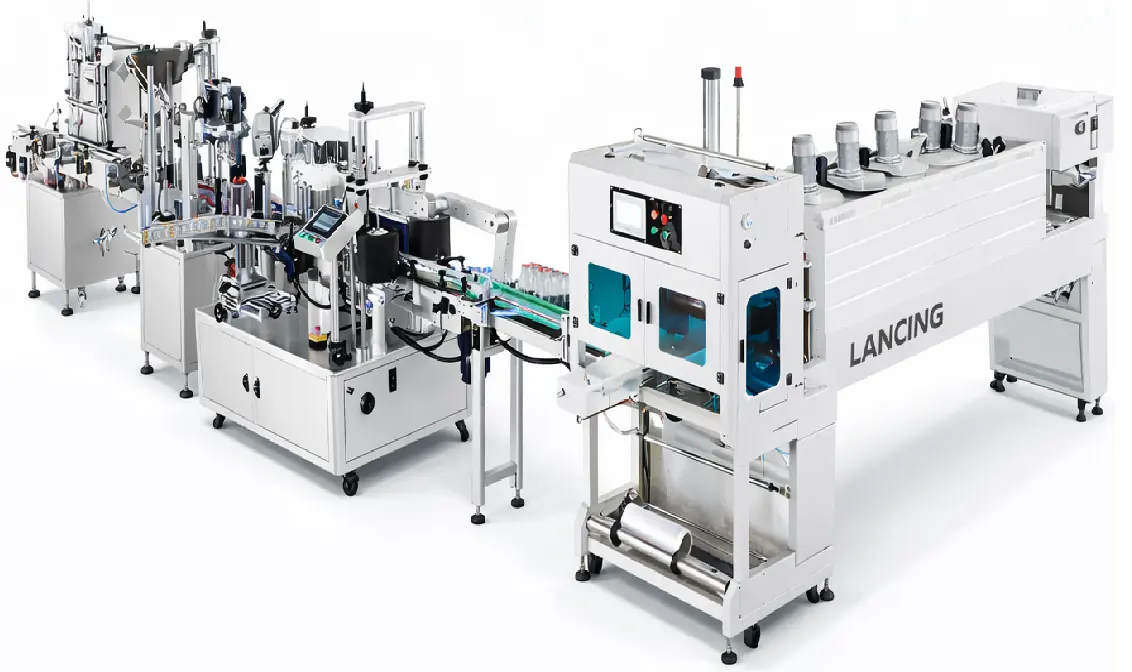
When to automate packaging
Check process readiness and choose a proportionate automation level.
Packaging automation project brief
Prepare the product, pack, site and acceptance evidence.
Build the case around your actual production evidence
Send the current process, format range, operating pattern, constraints and improvement priorities. Lancing can help define the machinery and integration evidence needed before a budget or proposal is compared.
Separate feasibility, complete scope and production handover.
The business case is more credible when the technical route, project boundaries and implementation workload are explicit.
Prove technical feasibility
Test the assumptions that could change the selected machine route or project cost.
Capture the complete scope
Include site services, interfaces, testing, training and customer work in the comparison.
Plan the transition to production
Account for ramp-up, open actions, operator independence and controlled changes.