UK packaging automation projects01494 623015sales@lancinguk.com
Packaging machinery support

Packaging machinery servicing and maintenance in the UK

Packaging machinery servicing is most effective when the machine identity, operating condition, fault evidence, maintenance history and production consequence are known. Lancing can review support requirements for supplied and relevant connected equipment, subject to machine type, condition, safe access and parts availability.

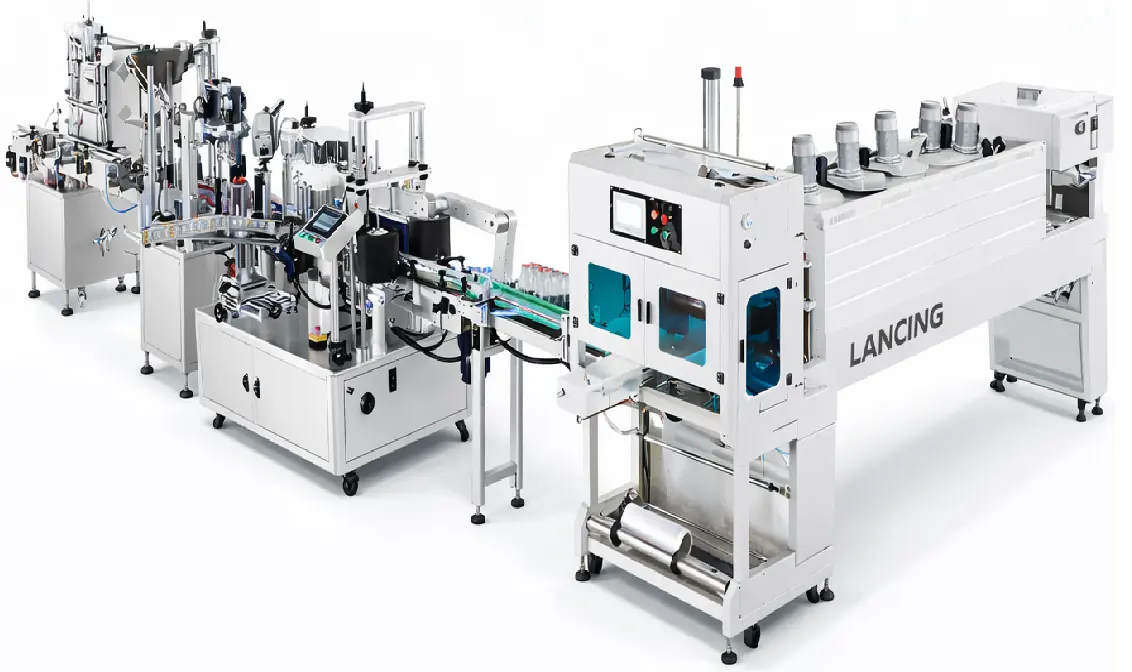
Integrated packaging machinery and conveyor line used for project planning guidance
Service scope

Start with the exact machine, condition and production problem.

A useful service request identifies the equipment and symptoms before deciding whether the next step is inspection, maintenance, parts identification, remote review or an engineer visit.

Machine identity

Provide the machine type, manufacturer, model, serial number, age if known and clear photographs of the complete machine and rating plate.

Observed condition

Describe the fault, warning messages, intermittent behaviour, affected formats, recent changes and whether the machine can still operate safely.

Production consequence

Explain whether the issue has stopped production, reduced output, created inconsistent packs or increased operator intervention.

Planned work

What planned packaging machinery maintenance should establish

Planned maintenance should be based on the machine instructions, operating duty, environment, product contact, previous faults and wear history. A visit may include condition review, cleaning and lubrication checks, inspection of wear items, settings review and identification of follow-on work. The exact scope must be agreed for the machine being serviced.

  • Confirm guarding, access and isolation arrangements before work starts.
  • Identify wear, contamination, looseness, leakage, damage or adjustment drift.
  • Record parts that are fitted, recommended or subject to further investigation.
  • Separate immediate safety or production concerns from longer-term improvement work.
  • Retain the service record with the machine history, backups and change records.
Fault support

Information that improves breakdown triage

Accurate fault information helps distinguish a local machine fault from a product, packaging-component, utility or upstream/downstream issue. Do not bypass guards or safety functions to obtain evidence. Record what the operator can observe safely.

  • Photographs or a short video of the fault where it can be captured safely.
  • HMI alarms, displayed codes and the sequence immediately before the stop.
  • Product, container, closure, label, film or pouch format in use.
  • Whether the fault occurs continuously, intermittently or only after changeover.
  • Any recent maintenance, format, recipe, supplier or utility change.
Decision aid

Match the support route to the evidence available.

Not every issue needs the same response. The safest and fastest route depends on machine identity, condition, information quality, parts availability and whether the fault can be reproduced.

Support needUseful evidence before reviewPossible next step
Repeat stoppageAlarm history, video, affected format and recent changesRemote triage, inspection or targeted parts review
Condition-based serviceMachine details, duty, service history and known wearDefined inspection and maintenance scope
Parts identificationSerial number, photographs, drawings and part markingsConfirm part identity and compatibility before supply
Performance driftApproved format, settings, output pattern and reject examplesReview product, components, setup and machine condition together
Upgrade or obsolescenceExisting drawings, backups, component status and required outcomeCondition review and controlled retrofit proposal
Safety boundary

Maintenance must be planned around competent people and safe isolation.

General website guidance cannot replace the machine instructions, site procedures or an application-specific risk assessment.

The Health and Safety Executive states that maintenance should be carried out by people competent for the work and that planned maintenance can help reduce risk. Work on guards, electrical systems, pneumatic systems, stored energy or moving machinery requires suitable isolation and site control. Review the current HSE maintenance guidance and PUWER overview alongside the machine documentation and your own procedures.

Buyer questions

Common questions about packaging machinery servicing.

These answers explain the information and boundaries that affect an effective support request.

What details are needed for a packaging machine service request?

A packaging machine service request should identify the machine, model and serial number; explain the fault or maintenance objective; describe the product and pack format; and include safe photographs, video, alarm messages and recent changes. Site access, production availability and isolation responsibilities should also be stated before attendance is arranged.

Does planned maintenance prevent every breakdown?

No. Planned maintenance can identify wear, contamination, adjustment drift and developing defects, but it cannot eliminate every failure. Parts can fail unexpectedly, packaging materials can change and faults can arise outside the inspected scope. The maintenance plan should be combined with operator reporting, controlled spares and accurate machine history.

Can a packaging machinery fault be diagnosed remotely?

Some faults can be narrowed remotely when the machine identity, alarms, sequence, photographs and video are clear. Other faults require safe on-site inspection, measurement or reproduction under production conditions. Remote guidance must not encourage an operator to defeat guarding, access live equipment or undertake work outside their competence.

How are packaging machinery service parts identified?

Parts are best identified from the machine serial number, drawings, original parts list, clear photographs, dimensions and component markings. Similar-looking sensors, belts, seals and valves may have different ratings or materials. Compatibility should be confirmed before ordering rather than assumed from appearance alone.

When should maintenance be combined with an upgrade review?

Combine maintenance with an upgrade review when repeat faults, unsupported components, lost program backups, poor access, unstable settings or a changed production requirement cannot be resolved by routine service work. The review should separate restoration of the original function from optional improvements and identify any safety or documentation consequences.

Request packaging machinery support

Send the machine identity, symptoms, photographs or video, product and pack format, recent changes and the production consequence. Lancing can then review the information and define the most appropriate next step, subject to machine type, condition, access and parts availability.

CallContact