Packaging machinery retrofit and upgrade planning
A packaging machinery retrofit can extend useful life, remove an operational constraint or connect a previously standalone machine into a line. The decision should be based on the condition and documentation of the existing equipment, the required outcome and the risks created by modifying it.
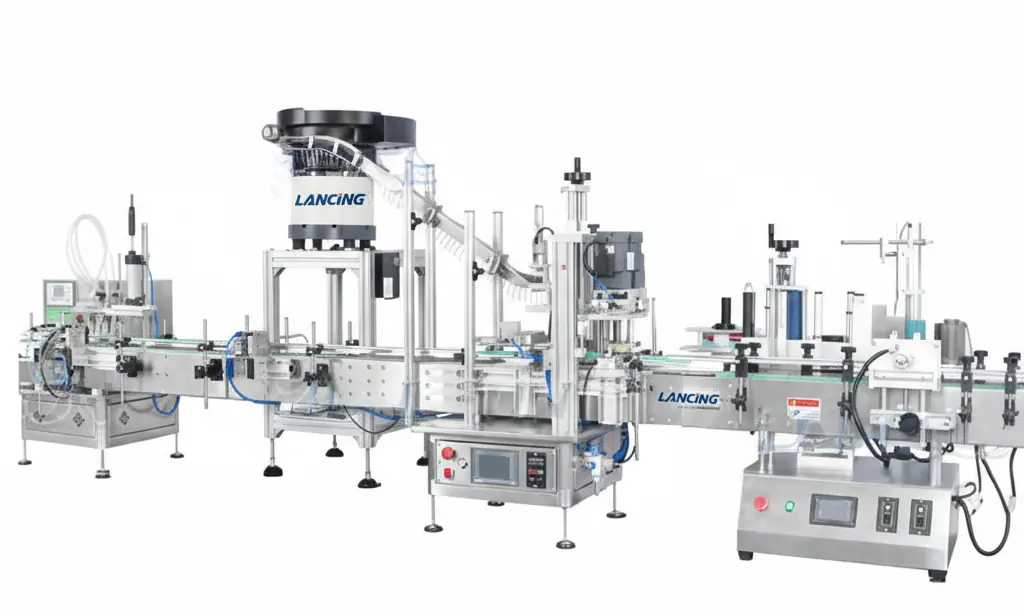
Decide whether to modify, integrate or replace
A retrofit is strongest when it solves a defined production problem and the existing mechanical platform is suitable for the new duty. It should not become a series of unrelated additions without a controlled design basis.
Inspect the existing machine
Record mechanical condition, guarding, controls, documentation, available spares and current performance. Confirm the real machine configuration rather than relying on an old manual or nameplate alone.
Define the upgrade outcome
Separate essential objectives such as a new format, reliable feeding, controls integration or obsolete component replacement from optional improvements that can be staged later.
Assess change consequences
A new conveyor, drive, guard, control function or operating mode can alter hazards and responsibilities. Plan competent review, validation, documentation and operator handover as part of the project.
Start with condition, evidence and the remaining mechanical life
A site survey should establish the machine’s identity, build condition and current use. Review frames, shafts, bearings, product-contact parts, drives, tooling, sensors, wiring, pneumatic equipment and guarding. Identify damage, improvised modifications and components that are no longer supported.
Documentation can be as important as physical condition. Electrical drawings, software backups, operating instructions, parts lists and change-part records affect the effort and risk involved. Where source files or passwords are unavailable, the project may require more reverse engineering or a replacement control approach.
- Photograph the machine from all sides and record serial or project references.
- Observe it running every important format where possible.
- List recurring faults, maintenance history and unavailable spares.
- Confirm ownership and availability of software, drawings and configuration backups.
Match the intervention to the production constraint
Common retrofit routes include new format tooling, improved product guides, cap or component feeding, conveyor integration, sensor upgrades, drive replacement, control-panel replacement, new operator interfaces, coding or inspection integration and guarding changes. The correct scope depends on the cause of the problem rather than the most visible symptom.
For example, repeated jams may arise from inconsistent components, poor upstream presentation, transfer geometry or unstable containers rather than the control software. Trial the likely cause before specifying a major upgrade. Where several core systems need replacement, compare the retrofit with a new machine on technical risk, downtime, supportability and future formats.
- Link every proposed modification to a defined problem or requirement.
- Check whether existing tooling and product-contact parts remain suitable.
- Consider the effect on cleaning, changeover, access and maintenance.
- Review future component availability and the support route after completion.
Treat modifications as engineering changes, not maintenance shortcuts
A modification can change the intended use, foreseeable misuse, access or safety functions of the machinery. The legal and conformity implications depend on the nature and extent of the change and require competent project-specific assessment. Current official guidance should be checked when the scope is defined.
Update drawings, instructions, risk information and validation records to reflect the final configuration. Avoid bypassing existing safety functions to obtain a production benefit. This page provides general planning guidance and is not a substitute for machinery-safety or legal advice.
- Record the original and proposed operating modes.
- Identify new hazards and changed access conditions.
- Define validation responsibility for modified safety functions.
- Keep a controlled technical record of hardware, software and documentation changes.
Plan downtime, rollback and recommissioning before work starts
Retrofits often take place during a limited shutdown, so pre-build and off-line testing can be valuable. Confirm what can be assembled or programmed before the machine is stopped, which components must be measured on site and what production materials are needed for recommissioning.
Create a realistic plan for safe isolation, removal, installation, wiring, software loading, dry testing, product testing and operator handover. For a critical production asset, consider the point at which a rollback is no longer possible and how production risk will be managed if an unexpected condition is found.
- Freeze the machine configuration and back up software before changes.
- Stage components, tools and drawings before the shutdown.
- Define functional and production acceptance checks.
- Update spare-parts and maintenance information after handover.
Questions to compare retrofit and replacement routes
The decision should consider technical confidence and operational consequence, not only initial equipment cost.
| Mechanical condition | Is the frame, motion system, tooling base and product path suitable for continued service? |
|---|---|
| Documentation | Are drawings, software, passwords, manuals and previous modification records available and accurate? |
| Required change | Is the project a contained upgrade or does it affect several core machine systems? |
| Format capability | Can the existing geometry and adjustment range handle current and planned products? |
| Safety impact | Will the change alter access, hazards, safety functions or conformity responsibilities? |
| Downtime risk | How much site work, commissioning and contingency time is required? |
| Supportability | Will the completed machine use maintainable components with a clear backup and spare-parts route? |
| Future use | Does the upgrade leave enough capacity and flexibility for the expected production life? |
Information for a packaging machinery retrofit survey
Good evidence allows likely options and risks to be identified before detailed engineering begins.
- Machine make, model, serial information and current function.
- General arrangement, electrical drawings, manuals and parts lists.
- PLC, HMI, drive and recipe backups where authorised and available.
- Photographs, videos and measured interface dimensions.
- Current products, pack formats, change parts and target future formats.
- Fault history, maintenance concerns and obsolete components.
- Required production outcome, available shutdown and site restrictions.
- Existing risk assessment and records of previous modifications where available.
Do not assume an old machine is automatically unsuitable
A sound mechanical platform may justify a targeted upgrade, while a heavily modified or poorly documented machine may carry disproportionate risk. The survey should establish which situation applies.
Packaging machinery retrofit questions
Can an old PLC be replaced without changing the rest of the machine?
Sometimes, but the new control system must reproduce or deliberately improve the required sequence, interfaces and safety-related behaviour. Available drawings and backups influence feasibility.
Can a standalone machine be added to an automatic line?
Potentially. The review must cover product transfer, speed control, blocked and starved states, safety boundaries, guarding and signal interfaces.
Is a retrofit always cheaper than replacement?
No. The total depends on condition, documentation, engineering scope, downtime, testing and future support. Compare routes against the same required outcome.
Can new pack formats be added to existing machinery?
Only when the machine geometry, tooling, feeding, controls and operating envelope can accommodate them. Representative samples and measurements are needed.
Who assesses the safety effect of a modification?
A competent person or team should assess the project-specific change and applicable duties. The responsible parties must be agreed before design and commissioning.
Related packaging automation guidance
Use these pages to continue from initial requirements through machinery selection, integration and acceptance.
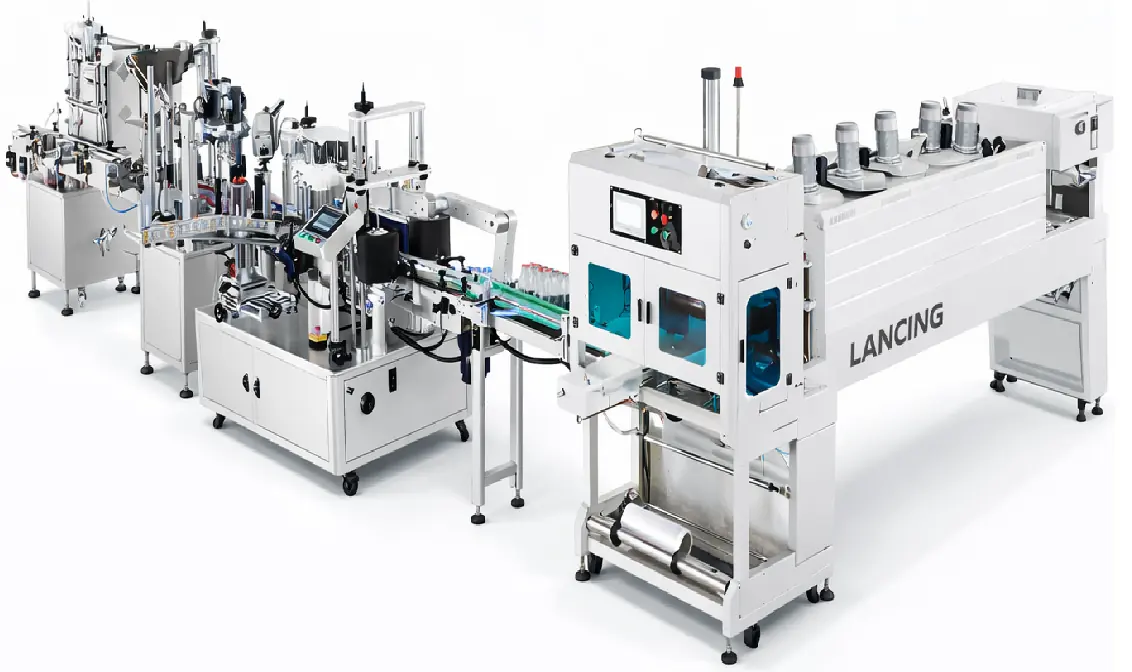
Packaging line controls integration
Plan operating states, signals and safety boundaries when an existing machine joins a line.
Changeover, cleaning and maintenance guide
Assess whether an upgrade improves access, format control and maintainability.
Packaging machinery cost factors
Compare the scope and risk drivers behind retrofit and replacement quotations.
Turn the guidance into a workable machinery brief
Send the information you already have, including samples, drawings, photographs or a process video where available. Lancing can help identify the remaining technical decisions before a quotation or line proposal is prepared.
Review obsolescence before selecting the retrofit boundary.
Confirm the support status of controls, drives, HMIs, safety devices, proprietary boards and engineering software alongside the machine's mechanical condition. A replacement component may still need program conversion, parameter recovery, interface changes and recommissioning.