UK packaging automation projects01494 623015sales@lancinguk.com
Feasibility and concept study

How should a packaging automation feasibility study be carried out?

A packaging automation feasibility study should establish whether the proposed process can handle the real product and pack, fit the operating environment, connect to existing equipment and deliver a testable improvement. It closes the most important uncertainties before detailed design or quotation.

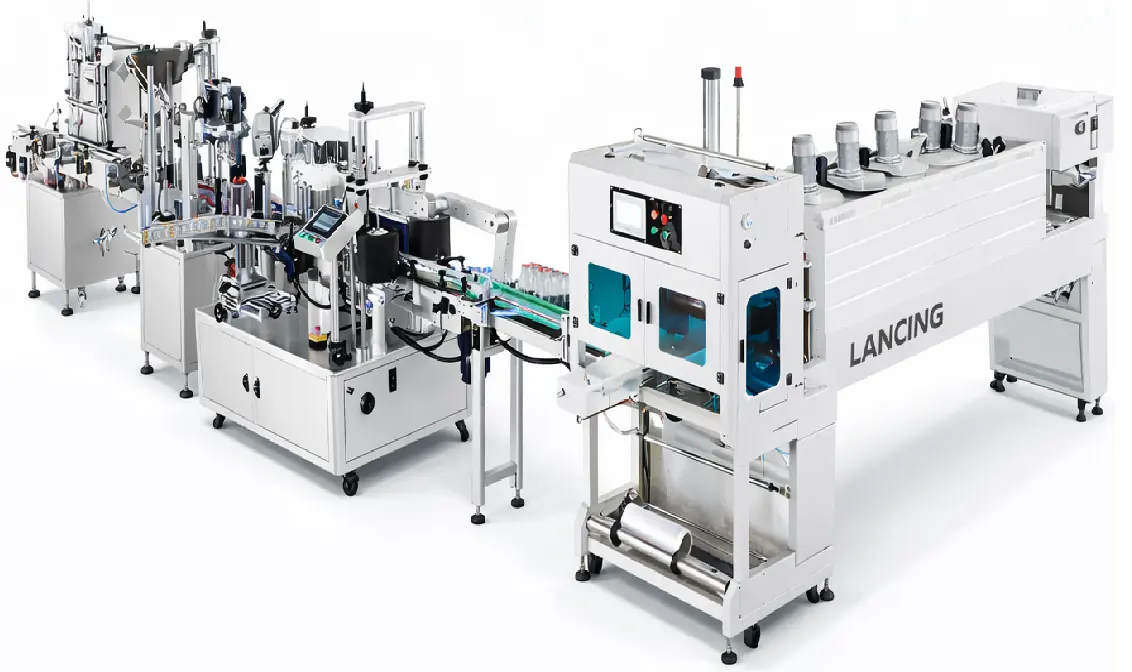
Integrated packaging machinery and conveyor line used for project planning guidance
Direct answer

A feasibility study tests whether automation can solve the real production constraint.

The study should compare the current process, product and pack behaviour, available space, target operating pattern, interfaces, risks and evidence needed before a machine or line route is selected.

Observe the current process

Record manual tasks, repeated stops, rework, transfers, quality checks, format changes and the point that limits sustained output.

Test the uncertain variables

Use representative products and packaging components to investigate filling, feeding, closure, transfer, label or sealing behaviour.

Compare feasible routes

Assess standalone, phased and integrated options against the same scope, interfaces, space, labour and acceptance requirements.

Current-state evidence

What should be recorded before concepts are compared?

A feasibility study should start with evidence rather than a preferred machine name. A short production observation can show whether the main loss comes from the process machine, material presentation, container handling, operator movement, changeover, controls or a downstream restriction.

  • Product and packaging-component variants, including tolerances and supplier differences.
  • Current output pattern, batch size, shifts, manual handling and reject causes.
  • Sequence of operations and every point where the product changes orientation or ownership.
  • Available footprint, access, services, environmental constraints and cleaning requirements.
  • Existing machines, conveyors, signals, guarding and quality checks that must remain.
Site survey

What should a packaging automation site survey confirm?

A site survey should confirm the physical and operational boundary that drawings or photographs cannot prove. The survey is not a substitute for detailed design, but it should close obvious uncertainty before a concept is costed.

  • Access route, floor condition, working height and line direction.
  • Electrical, pneumatic, extraction, drainage or network services where relevant.
  • Operator positions, material replenishment, waste removal and maintenance access.
  • Connections to upstream and downstream equipment and responsibility for each boundary.
  • Space for change parts, product samples, safety distances and future expansion.
Option comparison

Compare automation concepts against one controlled requirement.

A concept that appears cheaper can be less suitable if it moves labour or risk elsewhere, cannot handle the full format range or needs unpriced supporting equipment.

Decision areaEvidence to compareWhy it matters
Process suitabilityRepresentative product and pack trialsConfirms whether the proposed operating principle handles the real application
Effective outputWhole sequence, changeover and replenishment patternPrevents a single machine rating being mistaken for sustained line output
Integration scopeInterfaces, signals, transfers, guarding and utilitiesExposes supporting work that can otherwise be missed from the quotation
Operator workLoading, clearing, inspection, cleaning and change partsShows whether labour is removed, relocated or made more specialised
Acceptance evidenceProducts, formats, run conditions and recordsTurns a general objective into a testable project requirement
Lifecycle supportSpares, backups, training, maintenance and obsolescenceTests whether the route remains supportable after commissioning
Feasibility output

What a useful study should leave behind

The output should be concise enough to support a decision and detailed enough to prevent the same questions returning at quotation or design review.

Defined requirement

Current process, target outcome, products, pack formats, operating pattern and exclusions.

Concept boundary

Proposed sequence, equipment functions, controls, layout assumptions and supplier/customer responsibilities.

Open-risk register

Unproven handling, trials required, missing drawings, site constraints and decisions that affect cost or programme.

Acceptance route

Representative samples, observable checks and the evidence needed to progress from concept to order.

Option comparison

Consistent comparison of scope, interfaces, labour, changeover, support and implementation dependencies.

Next decision

Proceed, revise, test further, phase the project or retain the existing method with targeted improvements.

Buyer questions

Common questions about packaging automation feasibility.

These answers help determine whether a feasibility study, sample trial or detailed project brief is the correct next step.

When is a packaging automation feasibility study needed?

A packaging automation feasibility study is useful when the production problem is clear but the suitable machine route, integration scope or return depends on unproven product handling, site constraints or several competing concepts. It should precede detailed quotation when assumptions about the product, pack, operator work or line interfaces could materially change the solution.

What is the difference between a feasibility study and a quotation?

A feasibility study establishes what is technically and operationally credible, what remains unproven and which project boundary should be costed. A quotation prices a defined scope. If the requirement is still ambiguous, a quotation may contain assumptions that make apparently similar proposals difficult to compare.

Does every feasibility study need a product trial?

No. A trial is most valuable when product flow, particulates, foaming, closure presentation, label behaviour, pouch handling or another application variable is uncertain. Established handling may be assessed from verified data and samples, but a trial should be planned where suitability cannot be shown reliably from documentation alone.

What samples are needed for packaging automation feasibility work?

Provide representative product, containers, closures, labels, film, pouches, cartons or other components from normal production tolerances. Include difficult variants, supplier alternatives and details of temperature or conditioning. The sample quantity depends on the process and test objective and should be agreed before dispatch.

Can a feasibility study cover a phased automation project?

Yes. A phased study can identify the first constraint to automate, the interfaces that must remain compatible with later stages and the controls, conveyor height, footprint and utility decisions that avoid rework. The phases should still be evaluated as one future operating sequence rather than isolated machine purchases.

Discuss packaging automation feasibility

Send the current process, products, packs, target operating pattern, available layout, photographs or video and the uncertainty you need to resolve. Lancing can help identify the evidence needed before a machinery route is specified.

CallContact