Packaging machine product and pack sample trials
A useful machinery trial answers defined technical questions using representative product and packaging components. It should show the tested conditions, the observations made and any limits or follow-up work, rather than producing a short video without a controlled test basis.
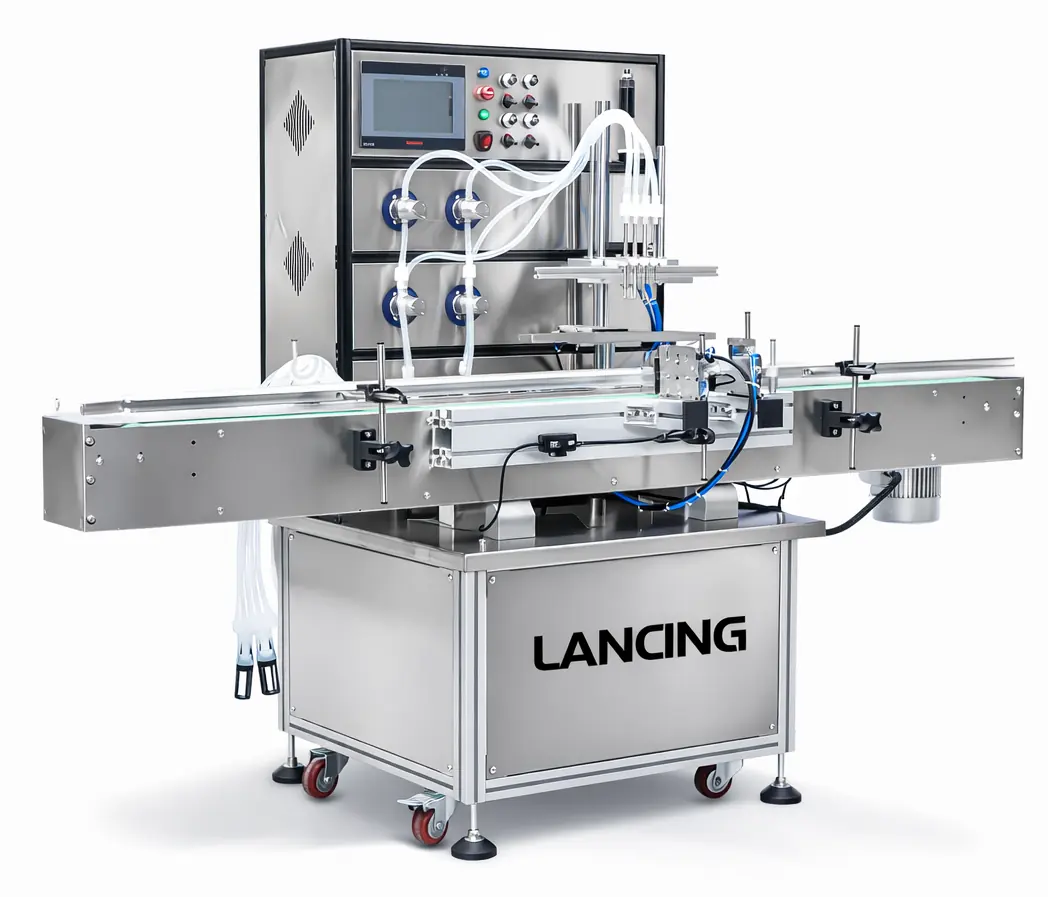
Design the trial around the decision it must support
Trials are most valuable when they target uncertainty: product behaviour, component feeding, pack stability, finished quality, cleaning, changeover or the interface between processes.
Define the question
State what the trial must prove or compare, such as nozzle behaviour, cap application, label placement, seal quality, transfer stability or the practical difference between two machinery routes.
Use representative materials
Send production product and normal packaging components, including expected variation. Record substitutions, storage condition and batch information so the result is not applied beyond the evidence.
Record method and outcome
Capture machine configuration, adjustments, operator actions, quality checks and observed limitations. Keep selected packs and measured results where they help later review.
Turn an open application question into a testable plan
Begin by listing the decisions that cannot be resolved confidently from drawings or descriptions. A filling trial might compare nozzle design or dosing method for a foamy or viscous product. A capping trial might assess component orientation, placement, tightening and bottle support. A labelling trial may focus on container control, label release, registration or surface behaviour.
Prioritise the most difficult or commercially important formats rather than testing every simple combination first. Define the observable result and any measurement method before equipment is adjusted. This avoids interpreting a visually promising run as proof of a requirement that was never checked.
- Identify the machine route or configuration being considered.
- List the uncertainties the trial is expected to reduce.
- Define finished-pack checks and who reviews them.
- Record conditions that would require another technology or further engineering.
Represent product behaviour and component variation honestly
Samples should match normal production as closely as practical. Product temperature, age, aeration, settling, viscosity, particle distribution or dust can change behaviour. Packaging components can vary in dimensions, stiffness, finish, release, friction or moulding. A small set of ideal components may conceal a feeding or quality problem that appears in routine supply.
Label every sample and provide handling or safety information. For hazardous, reactive, food, cosmetic or contamination-sensitive products, agree transport, storage, disposal and cleaning arrangements before sending materials. Do not send unannounced substances or pressurised components.
- Include the full normal component, not a drawing alone, where handling is being tested.
- Provide filled and empty examples when pack behaviour changes after filling.
- Include known boundary samples or explain the expected variation.
- Send sufficient quantity for setup, repeat checks and controlled losses.
Record configuration, interventions and pack quality together
The trial record should identify the equipment, tooling, recipe and key settings used. Note manual presentation, replenishment, adjustments, stoppages and any component that is rejected before processing. Where several configurations are compared, change one meaningful variable at a time where practical.
Assess the complete pack, not only the main process. A correct fill can still drip onto the closure or label area; a correctly tightened cap can damage the container; a well-placed label can crease after downstream handling. Allow samples to rest or undergo relevant customer checks where the result is not immediately visible.
- Photograph the setup as well as the finished packs.
- Keep sample IDs linked to machine configuration and observations.
- Record planned and unplanned operator interventions.
- Do not quote an unqualified output from a brief setup run.
State what the trial supports and what remains open
A trial conclusion should distinguish proven suitability under the tested conditions, promising results requiring development, and evidence that another approach is more appropriate. Record any tooling, material or control change needed before quotation or acceptance. If production components were not available, identify the risk created by the substitution.
Retain the outcome with the project brief and quotation. The final supplied machine may require a separate factory acceptance test using the agreed configuration and production materials. A selection trial is evidence for a decision; it is not automatically final acceptance of the delivered system.
- List tested and untested formats separately.
- Identify changes required before the proposed configuration is final.
- Agree whether another sample batch or site observation is needed.
- Link the result to the quotation assumptions and acceptance plan.
Information to define for a machinery sample trial
The plan can be concise, but it should be clear enough that another reviewer can understand exactly what was demonstrated.
| Decision required | Technology selection, configuration, tooling, component feed, quality or integration question. |
|---|---|
| Product condition | Batch, temperature, age, mixing, settling, foam, viscosity, dust or other relevant behaviour. |
| Packaging components | Format IDs, dimensions, material, variation, orientation and supplied condition. |
| Machine setup | Equipment, tooling, recipe, adjustments and any temporary arrangement. |
| Method | Sequence, sample size, operator presentation, replenishment and planned comparison. |
| Quality checks | Fill, closure, label, seal, code, leak, appearance or customer-specific evaluation. |
| Observations | Stops, rejects, manual intervention, variation, cleaning and limitations. |
| Conclusion | Supported decision, required changes, untested conditions and next evidence needed. |
What to send with product and packaging samples
Good labelling and context prevent samples from being mixed or tested under the wrong assumptions.
- Contact and project reference on every shipment.
- Product description and safety or handling information.
- Format list linking each container, closure, label, film or case.
- Normal production condition and expected variation.
- Required fill, closure, label, seal, code or finished-pack checks.
- Current process problem and target outcome.
- Trial questions ranked by importance.
- Return, retention, disposal or confidentiality instructions where applicable.
Agree materials before dispatch
Contact Lancing before sending samples so the quantity, packaging, transport, safety information and test objective can be confirmed for the proposed trial.
Packaging machinery sample trial questions
Why are samples needed when drawings are available?
Drawings confirm dimensions, but they may not show friction, stiffness, finish, variation, product behaviour or how components feed and transfer in practice.
Should I send the easiest or hardest format?
Prioritise representative and boundary formats that influence the machine choice. The exact trial set should be agreed against the project decisions.
Can substitute product be used?
It may support an early mechanical check, but differences in viscosity, foam, dust, particles, compatibility or cleaning can limit the conclusion. Record the substitution clearly.
Does a successful trial guarantee production output?
No. The result applies to the tested materials, configuration and method. Sustained output and complete-line performance require an agreed acceptance test under representative conditions.
Can the trial compare two technologies?
Yes, where both can be tested fairly against the same product, pack and quality criteria. Define the comparison before the trial begins.
Related packaging automation guidance
Use these pages to continue from initial requirements through machinery selection, integration and acceptance.
Packaging line FAT and SAT guide
Move from selection trials to controlled acceptance of the final configured equipment.
Packaging automation project brief
Use the trial questions to close application assumptions in the project scope.
Packaging machinery quotation checklist
Make sure trial outcomes, tooling changes and remaining conditions are reflected in proposals.
Turn the guidance into a workable machinery brief
Send the information you already have, including samples, drawings, photographs or a process video where available. Lancing can help identify the remaining technical decisions before a quotation or line proposal is prepared.