Packaging machinery quotation checklist
Packaging machinery quotations can look similar while covering different assumptions, interfaces and responsibilities. A structured comparison helps procurement and engineering teams identify what is included, what still needs confirmation and how each proposal will be tested.
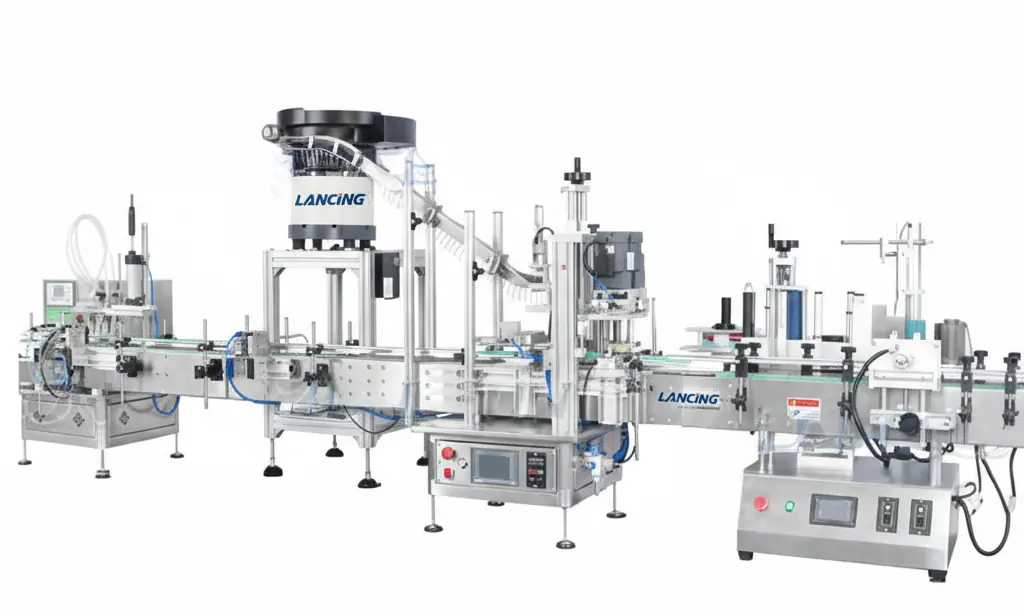
Compare the delivered outcome, not only the machine description
The lowest apparent price is not necessarily the lowest project cost when required tooling, interfaces, installation work or acceptance evidence sit outside the quoted scope.
Align the scope
Create one reference list of products, packs, output requirements, retained equipment and services. Ask each supplier to identify compliance, deviation, assumption and exclusion against that same list.
Separate base and options
Distinguish essential equipment from future formats, spare tooling, additional guarding, data functions and optional services. This prevents an incomplete base proposal from appearing directly comparable with a fuller package.
Test the assumptions
Check what samples were reviewed, what remains subject to trial and which performance statements depend on product behaviour, component quality, operator activity or upstream supply.
Confirm exactly which formats and functions the proposal covers
A quotation should identify the production materials and format range on which the proposed configuration is based. Review every product, container, closure, label, film or case expected at launch. If a future format is not included, record whether it is technically possible, requires change parts or needs a later machine modification.
Check the complete process boundary. A filling quotation may exclude product supply, infeed, cap handling, coding, inspection, reject handling, accumulation or downstream collection. The proposal should explain where the supplier’s responsibility starts and ends and how product is presented at those points.
- Match quoted change parts to the format list and identify any format still unpriced.
- Confirm whether guarding, conveyors, sensors, controls and interconnecting cables are inside the scope.
- Record product-contact material, cleaning and environmental requirements that remain subject to confirmation.
- Identify consumables, tooling and production materials needed for trials and commissioning.
Make mechanical, electrical and controls interfaces visible
Integrated lines depend on more than matching conveyor heights. Compare how each proposal handles product transfer, line start and stop states, blocked and starved conditions, emergency stops, access requests, reject signals and recovery after a fault. Where existing machinery is retained, identify who surveys it and who owns the final interface design.
A supplier may provide a complete control panel, individual machine controls or an interface to a customer system. The quotation should state what signals and data are included, who supplies network hardware, and whether coding, inspection or production reporting needs third-party involvement.
- List every third-party machine and the evidence available for its interface.
- Confirm responsibility for guarding gaps and safety functions at equipment boundaries.
- Identify required remote support, network access or customer IT approval.
- Record whether line drawings, electrical information and operating documentation are included.
Compare installation, commissioning, training and aftercare on the same basis
Delivery to site, mechanical placement, electrical connection, commissioning and production support may be separate activities. Review the number and purpose of site visits, customer responsibilities, access and lifting assumptions, and the production materials required. Avoid treating “installation” as a single undefined item.
Training should be linked to the roles that will operate, change, clean and maintain the equipment. Aftercare comparison can include the route for technical support, recommended spare parts, service availability and how software or configuration backups are managed. Do not assume those items are included unless the quotation says so.
- Clarify unloading, positioning, final connections and site permits.
- Confirm the expected readiness condition before an engineer attends.
- Identify who receives operator and maintenance handover.
- Review spare-parts and service options separately from unsupported response-time assumptions.
Record exclusions and open points before an order is placed
Open technical questions are normal at quotation stage, but they should not disappear inside general wording. Maintain an assumptions and exclusions register showing the evidence needed, the responsible person and the point by which each item must be closed.
Compare payment milestones and delivery dependencies against objective project events such as design approval, trial completion, factory acceptance and readiness for dispatch. The commercial schedule should not be interpreted as technical acceptance unless that relationship is explicitly defined.
- Distinguish provisional allowances from fixed scope.
- Record currency, taxes, freight, packaging and site-work treatment.
- Identify conditions that can change delivery timing or configuration.
- Make the final signed scope and acceptance plan part of the controlled order record.
Questions to apply to every machinery proposal
Use one matrix so that differences are visible rather than hidden in supplier-specific wording.
| Application basis | Which products, samples and pack formats were reviewed, and what remains untested? |
|---|---|
| Included process | Where does the equipment scope begin and end, including infeed, discharge and rejects? |
| Format coverage | Which change parts, recipes, tooling and future formats are included or excluded? |
| Integration | Who owns conveyors, signals, guarding interfaces, coding, inspection and retained equipment? |
| Site services | What electrical, pneumatic, water, drainage, extraction, access and foundation assumptions apply? |
| Testing | What materials, duration, checks, interventions and evidence define factory and site acceptance? |
| Handover | What installation, commissioning, training, documentation, spares and support activities are included? |
| Open points | Which decisions can change price, delivery, layout or technical suitability? |
Documents to request before final commercial comparison
The exact document set depends on project stage, but the following items help reveal gaps while changes are still manageable.
- Controlled scope or compliance statement against the enquiry brief.
- General arrangement drawing or clearly stated footprint allowance.
- Format and change-part schedule.
- Utilities and environmental assumptions.
- Interface list for every retained or third-party system.
- Factory and site acceptance outline.
- Installation, commissioning and training responsibility schedule.
- Exclusions, options and unresolved technical points.
Do not compare a developed proposal with an early budget estimate
A budget estimate may be useful for project screening, but it should be labelled and compared separately from a proposal based on samples, layout review and defined interfaces.
Packaging machinery quotation questions
Why do machinery quotations vary so much?
Suppliers may have assumed different automation levels, interfaces, format coverage, test scope and site services. A like-for-like matrix exposes these differences before price is compared.
Should every future format be included immediately?
Not necessarily. Record likely future formats and ask whether the design can accommodate them. Price only what is justified, while avoiding a machine choice that prevents a known expansion.
What does subject to sample trial mean?
It means final suitability or configuration depends on testing representative product or packaging components. The quotation should state what must be trialled and how the result affects scope.
Is factory acceptance the same as final acceptance?
Not always. Factory testing checks agreed functions before dispatch; site testing confirms installation and operation under site conditions. The project should define both stages where relevant.
How should exclusions be handled?
Place exclusions in the comparison matrix and assign each one to a responsible party. An excluded item may still be essential to the working line.
Related packaging automation guidance
Use these pages to continue from initial requirements through machinery selection, integration and acceptance.
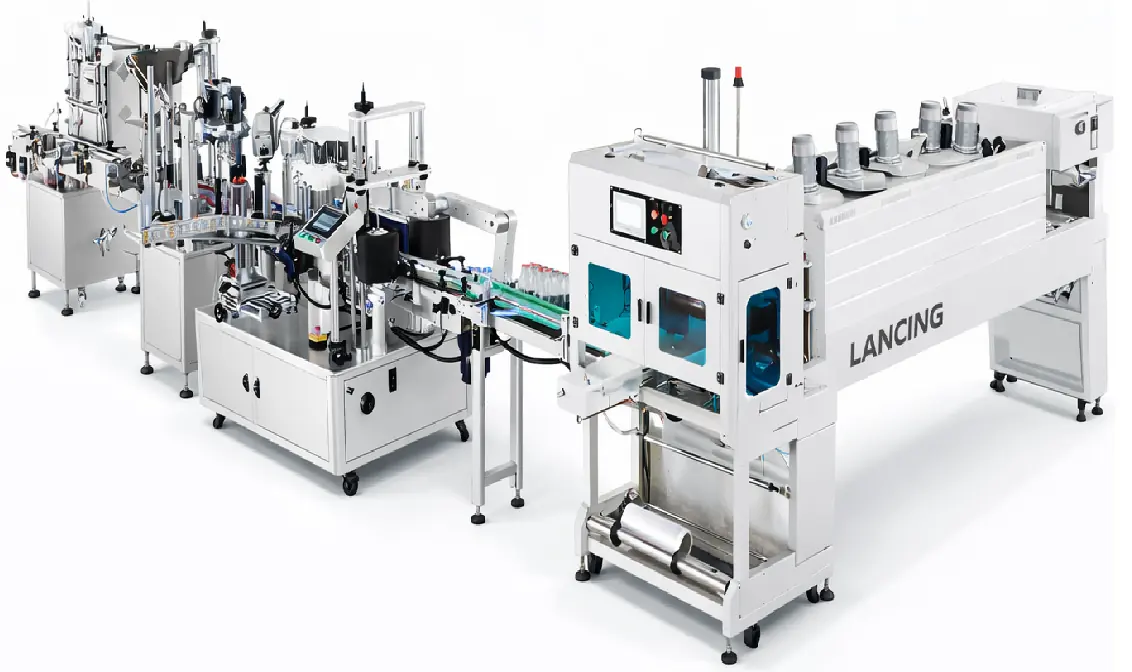
Packaging automation project brief
Build one reference scope before asking suppliers to propose machinery.
Packaging line FAT and SAT guide
Define representative test materials, operating conditions and acceptance records.
Packaging machinery cost factors
Understand which technical choices and project responsibilities influence a quotation.
Turn the guidance into a workable machinery brief
Send the information you already have, including samples, drawings, photographs or a process video where available. Lancing can help identify the remaining technical decisions before a quotation or line proposal is prepared.
Use an approved URS to keep quotation comparisons aligned.
The quotation checklist can show what each supplier includes, but the user requirement specification defines the product range, operating conditions, interfaces, documentation and acceptance evidence being priced. Keep assumptions and deviations visible so the selected proposal does not silently change the requirement.