UK packaging automation projects01494 623015sales@lancinguk.com
High-intent packaging machinery search

Packaging machinery UK

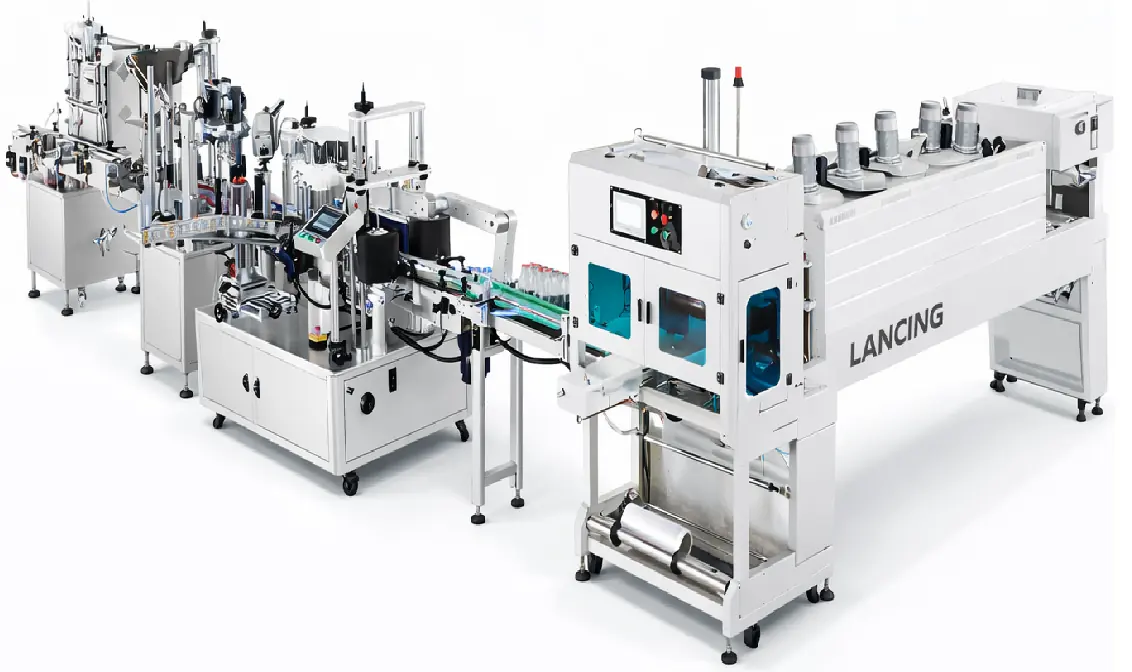
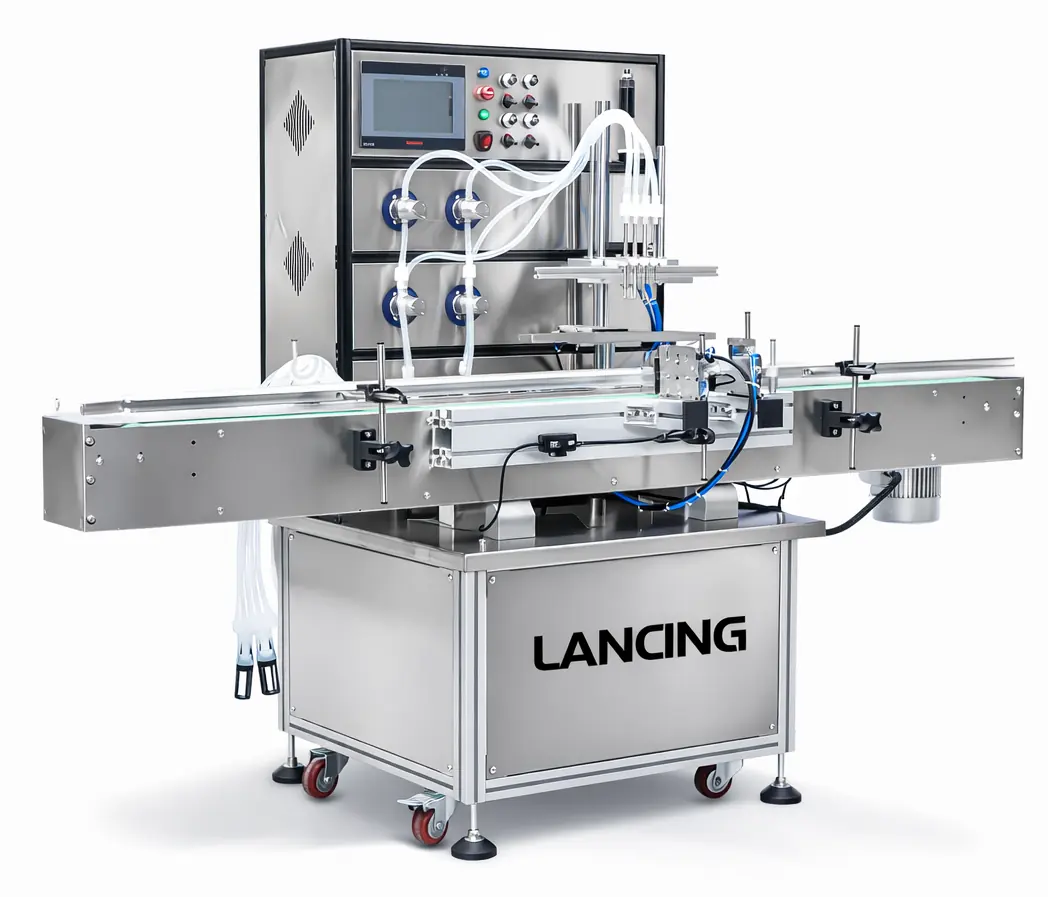
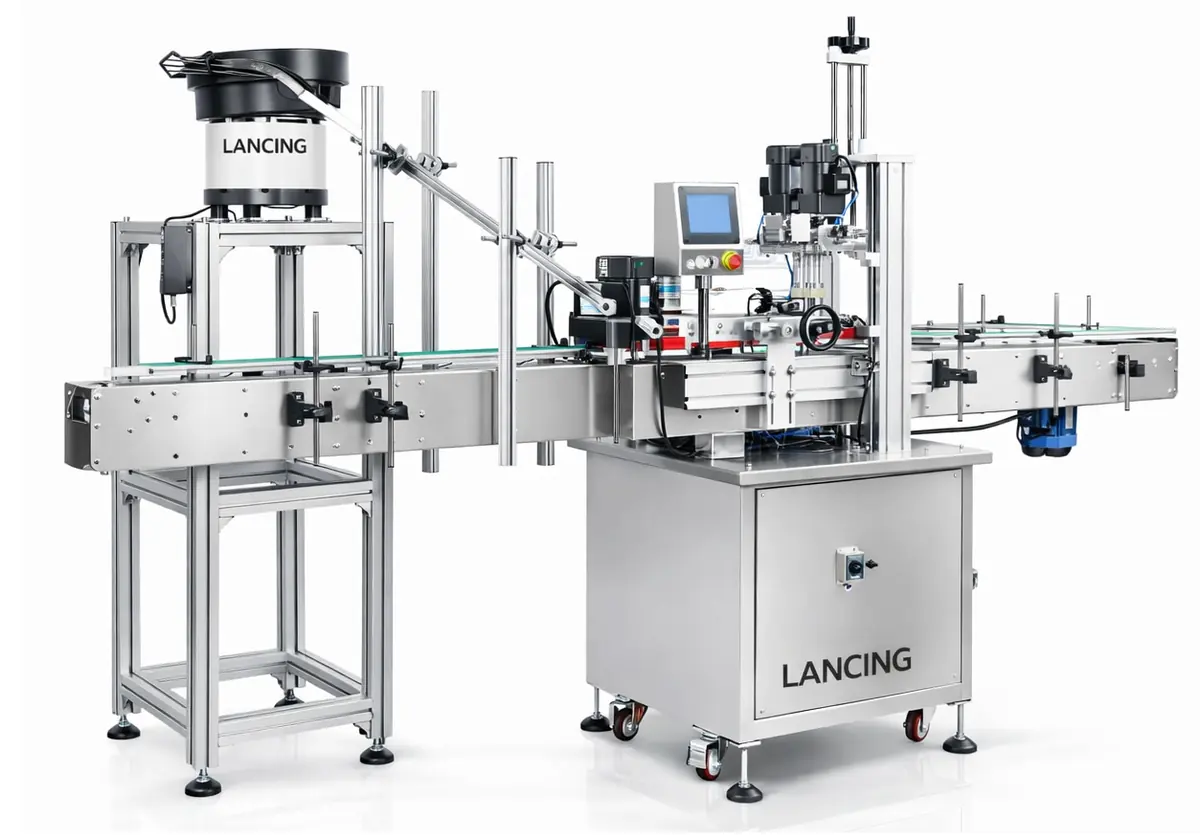
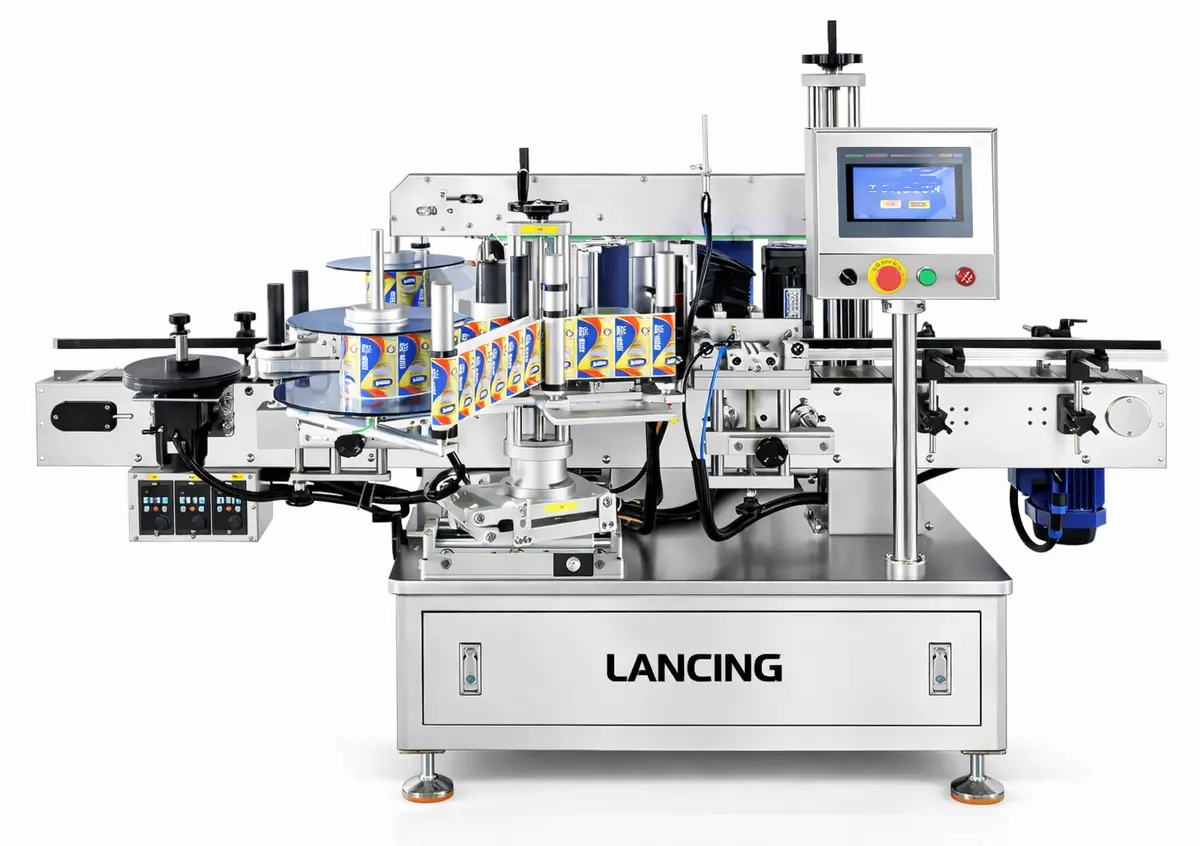
Find packaging machinery for UK production lines, from standalone machines to complete filling, capping, labelling and conveying systems.

Packaging machinery UK
Buyer information

What to consider before selecting equipment.

These notes help match the machinery specification to the product, pack format and output required.

Define the pack and product first

Packaging machinery UK should be selected around the actual product sample, container dimensions, closure or label specification and how the operator will load or unload the line.

  • Provide filled and empty samples before final machine selection.
  • Confirm whether the machine must run semi-automatically or automatically.
  • Review cleaning, changeover and maintenance access at quotation stage.

Match output to a realistic line layout

The best result normally comes from balancing each process rather than buying one fast machine that is restricted by upstream or downstream handling.

  • Confirm containers per minute or packs per hour.
  • Allow space for infeed, accumulation, rejects and operator access.
  • Check utilities including compressed air, power and extraction where required.

Use the enquiry to reduce risk

A short technical review can identify whether a standard machine is suitable or whether tooling, guarding, conveyors or integration changes are required.

  • Share photos or videos of the current process.
  • State the product range and expected future formats.
  • Ask for any sample testing needed before order.

Speak to Packaging Automation UK

Send product and container details and we will suggest the closest machine style, whether a semi-automatic machine, standalone automatic machine or integrated line is the better starting point.

Send an enquiry
What information is needed for packaging machinery uk?

The key details are product type, pack dimensions, target output, accuracy or finish requirement, utilities, available space and whether the process is manual, semi-automatic or fully automatic.

Can packaging machinery uk be integrated into a line?

In many cases yes. Integration normally depends on conveyor height, pack stability, available control interfaces, guarding requirements and the upstream/downstream machinery.

How quickly can I get advice?

Send product details, pack photos and the required output through the enquiry form and the team can advise on the closest suitable machinery type.

UK machinery projects

Specify the operation, the interfaces and the evidence needed for acceptance.

Packaging machinery is most effective when it is chosen as part of a production method rather than as an isolated catalogue item.

Select from the pack backwards

Start with the required finished pack, then work backwards through labelling, closing, filling, feeding and container handling.

Define the automation boundary

Separate operator tasks, stand-alone machine functions, connected conveyors and any common controls or guarding.

Review lifecycle work

Cleaning, changeover, fault recovery, routine maintenance, spares and future formats should be considered before the specification is fixed.

Practical selection sequence

  • Approve the product and packaging components used for review.
  • Define the required operation and the quality condition after it.
  • Identify difficult formats and the expected changeover pattern.
  • Map upstream and downstream transfers, controls and operator tasks.
  • Agree which observations or measurements will demonstrate suitability.
  • Record supply, installation, commissioning and support responsibilities.

Project brief inputs

Product and packSamples, dimensions, material, filled condition and known variation.
Production objectiveRequired output pattern, batch size, labour or quality problem to solve.
SiteLayout, access, utilities, environment and restrictions.
InterfacesExisting machinery, conveyor heights, line signals, coding and inspection.
AcceptanceApproved formats, run conditions, checks and decision ownership.
Buyer questions

Common questions before comparing packaging machinery.

These answers are deliberately application-led because model suitability depends on the real materials and production conditions.

Should I begin with a machine model or a process requirement?

Begin with the process requirement and the finished-pack condition. A model can then be checked against the real product, pack and site.

What makes an automatic line different from several machines on conveyors?

An integrated line has coordinated transfers, controls, safety, accumulation and recovery behaviour rather than independent machines that happen to be adjacent.

What samples should be supplied?

Use production product, containers, closures, labels, films or pouches, including the smallest, largest and most difficult approved variants.

How should output be specified?

State the required production pattern, not only a headline rate. Include batch length, changeovers, expected stops and operator tasks.

What should be agreed before an acceptance test?

Agree products, formats, run duration or quantity, settings, permitted interventions, observations and the person authorised to accept or request changes.

When is a semi-automatic machine preferable?

It may be preferable for varied short batches, manual presentation, limited space or a staged investment where operator involvement remains practical.

Prepare a useful machinery enquiry

Provide the finished-pack requirement and the process you want to automate. The machinery category and project interfaces can then be reviewed together.

Proposal comparison

Compare packaging machinery proposals against one operating requirement.

A useful comparison makes scope and assumptions visible. Headline machine descriptions are not equivalent when the included formats, operator tasks, interfaces and test conditions differ.

Approved product and pack rangeList the product, container, closure, label, film or pouch combinations included in the review, including the difficult extremes rather than only the nominal format.
Required finished conditionDescribe the acceptable result after filling, closing, sealing, labelling, coding or transfer so each proposal is judged against the same output.
Production patternState batch lengths, changeover frequency, operator involvement, expected interruptions and the required good-output pattern rather than comparing theoretical cycle rates alone.
Included equipment and interfacesIdentify feeding, conveyors, accumulation, guarding, controls, coding, inspection and discharge equipment, plus every exclusion and third-party boundary.
Changeover, cleaning and accessConfirm which parts, settings and tools change between formats, how product-contact areas are cleaned and how operators reach routine adjustment or maintenance points.
Demonstration and acceptanceRecord representative materials, included formats, observations, permitted interventions and who can approve the result or request corrective action.
Installation and aftercareCompare delivery, installation, commissioning, operator familiarisation, documentation, spares and the route for ongoing technical support.
Find the correct owner

Use broad automation guidance here and specialist detail on the relevant Lancing site.

Packaging Automation UK owns the cross-process machinery journey and integration brief. Model-specific catalogue information and deeper complete-line planning sit on the appropriate Lancing resource.

Compare machinery processes

Use the packaging machinery range to move from the production task to filling, capping, labelling, sealing, feeding or conveying equipment.

Review a published machine

Use the Lancing UK product catalogue where a specific machine listing and its published model information are needed.

Develop a complete line

Use Packaging Lines UK for deeper line specification, installation and acceptance planning once the project boundary is confirmed.

Buyer route

Use one evidence-led route from machinery category to working production system.

Packaging machinery selection begins with the process, but the project succeeds only when product behaviour, pack formats, operators, site constraints and line interfaces are considered together.

Select the process family

Identify whether the main requirement is filling, capping, labelling, sealing, packing, feeding, conveying or a connected combination of processes.

Prove the application

Use representative product and packaging samples to verify difficult handling, quality and changeover questions before final configuration.

Define delivery evidence

Agree layout, interfaces, factory and site checks, installation readiness, training and handover as part of the project scope.

Information to prepare

  • Product behaviour and representative samples.
  • Complete container, closure, label, film or case formats.
  • Current and target operating pattern.
  • Available footprint, access and utilities.
  • Existing equipment, controls and acceptance priorities.
UK machinery buyer questions

Questions to resolve before requesting packaging machinery quotations.

A useful quotation compares the same project boundary, samples and acceptance expectations rather than only the machine headline.

What is the difference between a packaging machine supplier and a line integrator?

A packaging machine supplier may provide a defined standalone machine. A packaging line integrator coordinates several machines, product transfers, controls, guarding and project interfaces so the connected process works as one system. Some projects need only supply; others need both machine expertise and responsibility for the line boundary.

Can packaging machinery be specified before final pack components are approved?

Early concept work is possible, but final machinery selection and tooling should be based on approved or representative product and packaging components. Changes to bottle rigidity, neck finish, cap, label stock, pouch film or dimensions can alter handling and process performance. Record sample versions so test results are not applied to a different pack.

Which packaging process should be automated first?

The first process to automate is usually the one creating the most persistent capacity, consistency, ergonomic or handling constraint, provided the surrounding process can support it. Observe the current line across representative products and shifts, then confirm whether removing that constraint will create a new bottleneck immediately upstream or downstream.

What should a UK buyer include in a capital-equipment enquiry?

A capital-equipment enquiry should include the product and pack range, target output, current process, operating environment, available layout, utilities, cleaning and changeover expectations, required interfaces, project timing and acceptance approach. State which elements are essential, optional or future so suppliers can define comparable scope.

Continue your packaging automation research

Use the related guidance below to compare the next decision, then send the actual product, pack and production information when you are ready to discuss a suitable machine or integrated line.

Controlled requirement

Compare packaging machinery against one approved user requirement.

A user requirement specification gives production, engineering, quality and procurement one reference for the product range, operating conditions, interfaces, documentation and acceptance evidence. It reduces the risk of comparing proposals that solve different versions of the problem.

Review the packaging machinery URS guide.

Make the investment assumptions traceable.

Build the business case from the measured current method, complete delivered scope and conservative benefit assumptions. Keep labour, output, quality, waste, changeover and implementation dependencies visible.

Build an evidence-led automation business case.

Project assurance

Add delivery and lifecycle evidence to the machinery comparison.

The right machine must also fit the site, responsibilities, operator capability and support requirement.

Assess automation feasibility

Close uncertainty about product handling, site fit, interfaces and operating outcome.

Define supplier and customer boundaries

Allocate installation, utilities, controls, guarding, samples, tests and documentation.

Plan machinery support

Prepare servicing, maintenance, parts and fault-information requirements.

CallContact