UK packaging automation projects01494 623015sales@lancinguk.com
Product range

Packaging machinery grouped by production process and packaging requirement.

Browse equipment by production process, then review suitable machinery options for your product, container and required output.

Search-focused buyer routes

Need a specific machine type?

Use these focused pages when you already know the process you need to automate.

Machinery selection

Choose the process first, then confirm the pack and project boundary.

The same product can require a different machine when the container, closure, label, film, required operator input or surrounding line changes.

Standalone operation

A single machine may be appropriate where an operator loads and unloads each cycle, batches are varied or the next process is deliberately manual.

Linked production cell

Conveyors, sensors and simple control handshakes can connect two or more processes while retaining practical access and clear fault recovery.

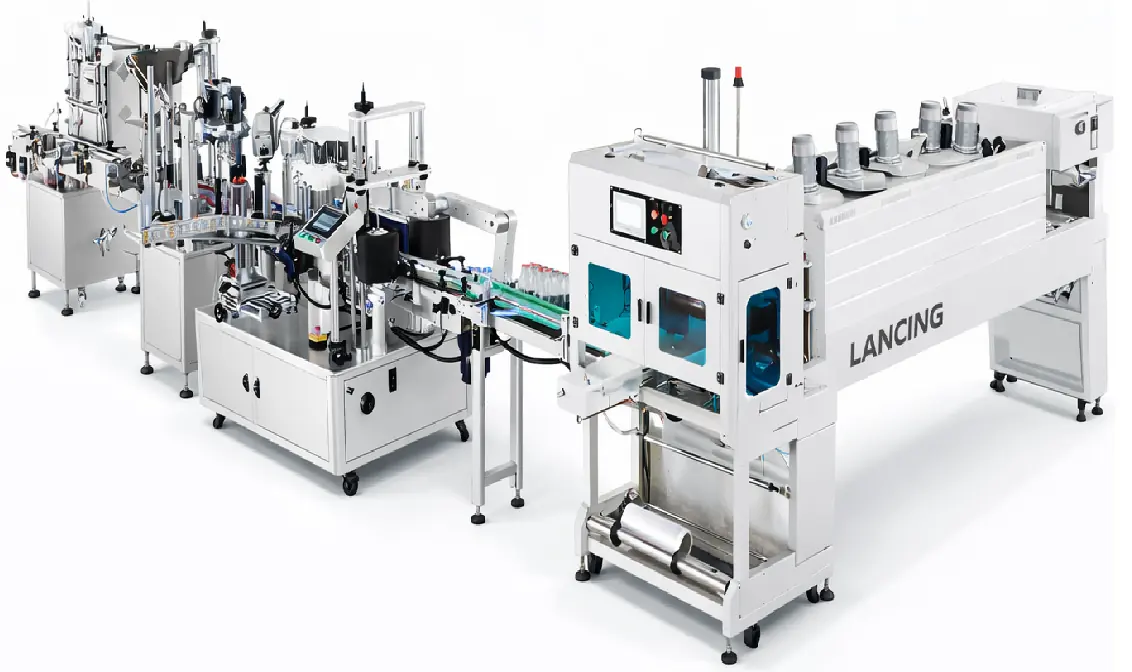
Integrated packaging line

Automatic projects need a defined line rate, controlled transfers, accumulation strategy, common safety concept and an agreed response to stops and starve/block conditions.

Use these questions to narrow the range

Product behaviourIs it free-flowing, viscous, foaming, dusty, fragile, corrosive, hot, cold or affected by air entrainment?
Primary packWhat are the minimum and maximum dimensions, material, rigidity, stability and opening geometry?
Closing or sealing methodHow is the pack closed, presented, supported and checked after the operation?
Output patternIs the priority peak speed, steady output, short batches, frequent changeovers or low operator involvement?
Project boundaryWhich conveyors, coding, inspection, guarding, controls, installation and acceptance activities are included?

Prepare a useful machinery enquiry

Provide representative samples and a simple description of the current process. This allows the machinery family to be checked before detailed options are compared.

Process-to-machine route

Match the production task to the right machinery starting point.

Start with the change required at the pack, then prepare the samples and operating information that allow the relevant machinery family to be checked.

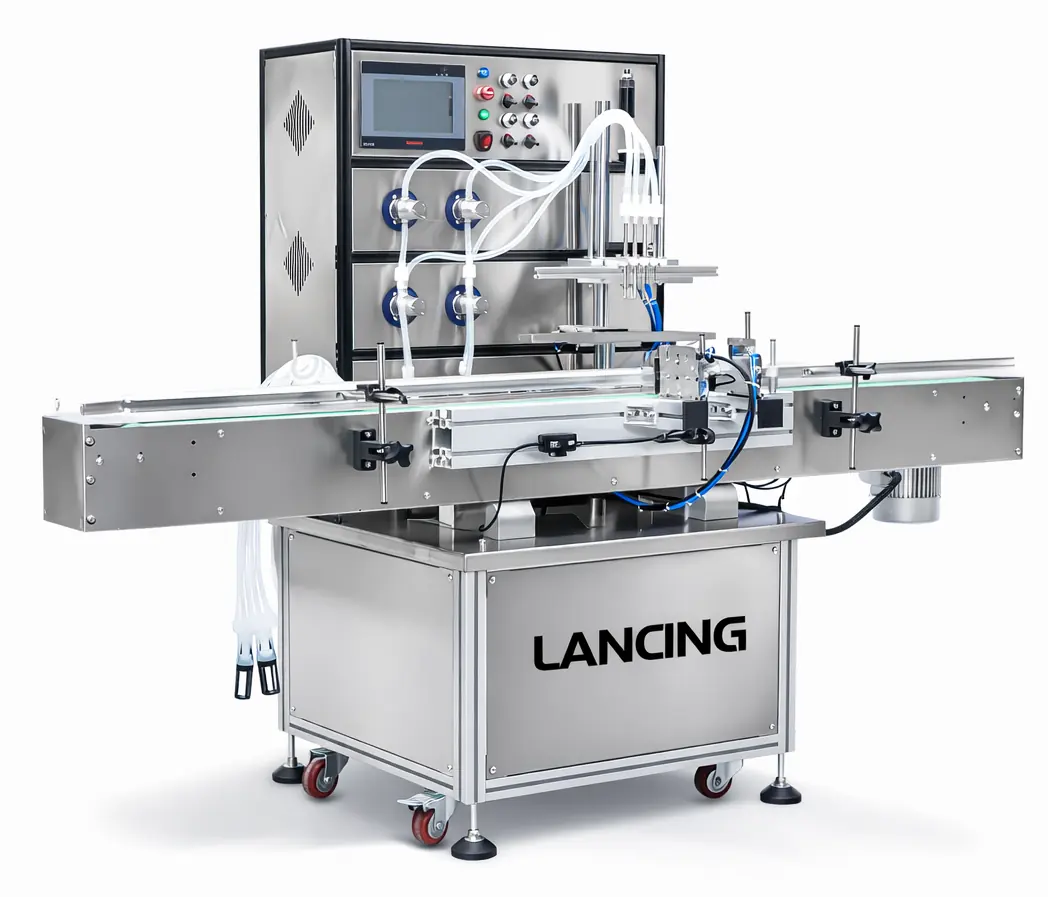
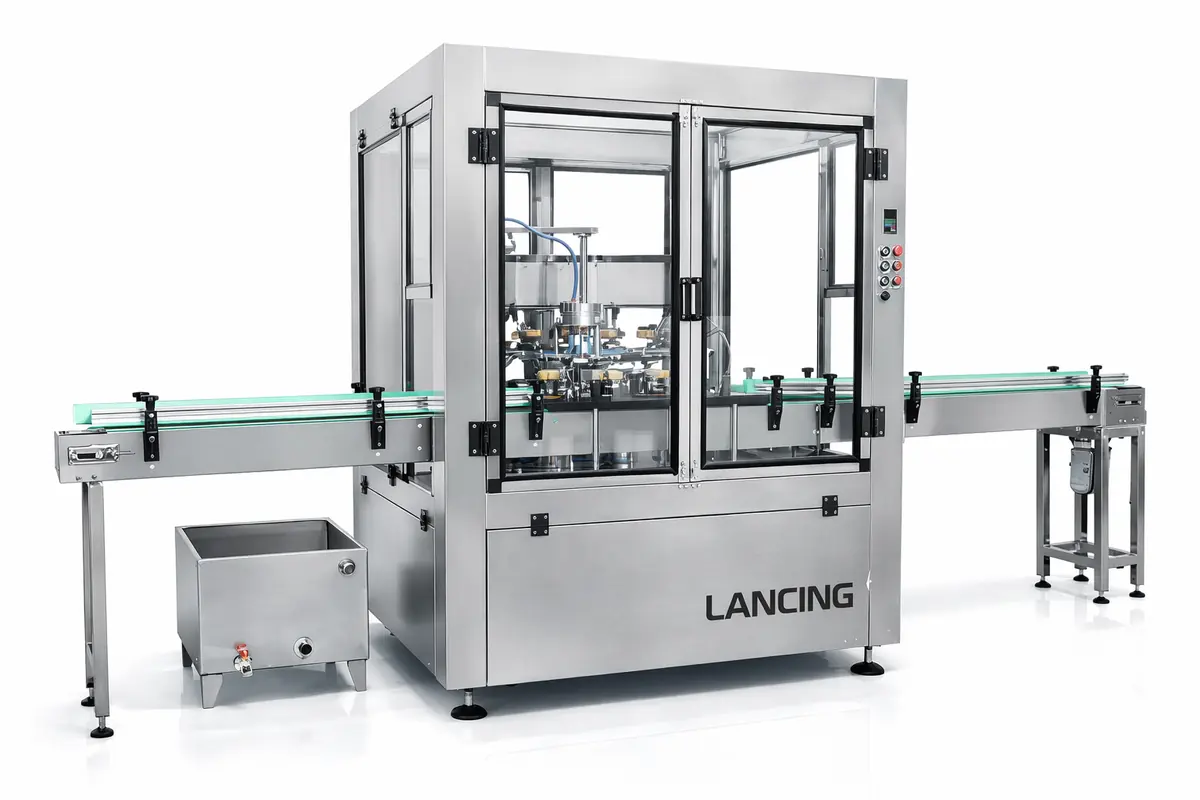
Meter product into a containerRecord product behaviour, fill or dose range, container opening and cleaning needs, then review filling machinery.
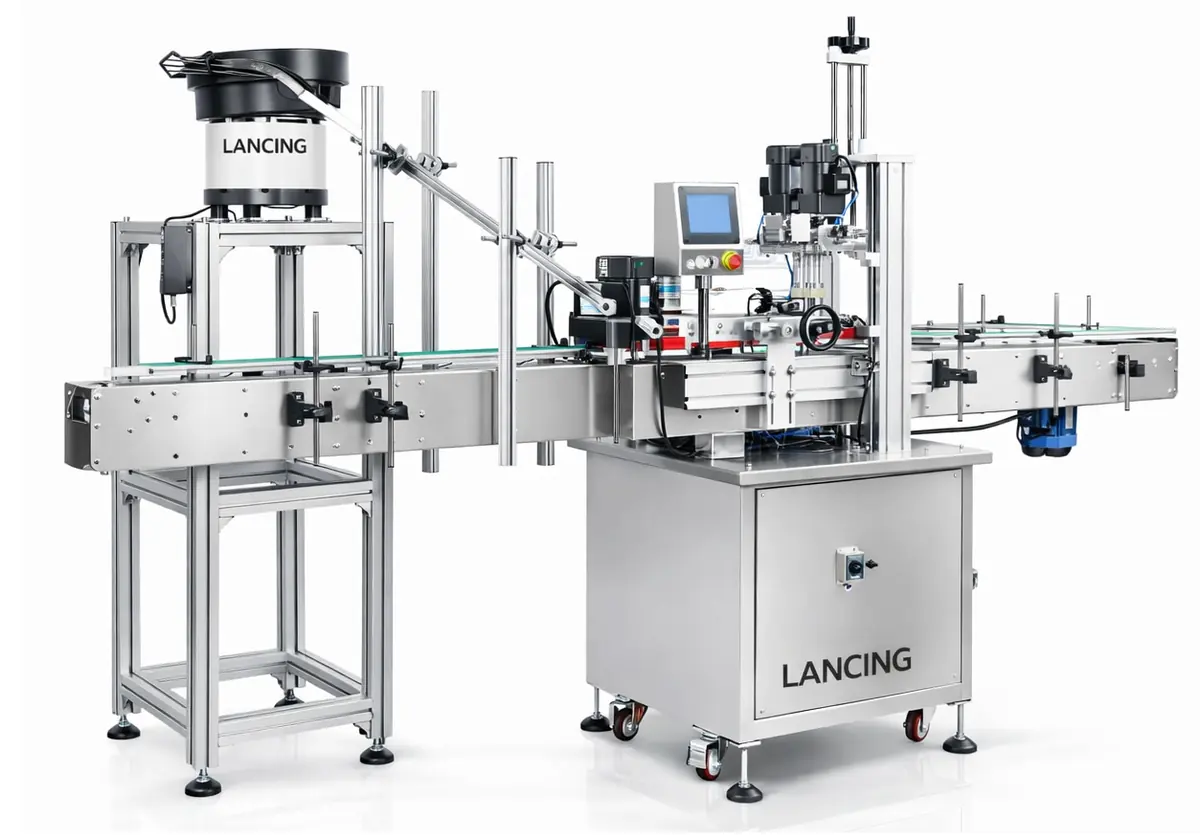
Apply or secure a closureProvide the bottle or jar, neck finish and representative closure, then compare capping machinery and feeding requirements.
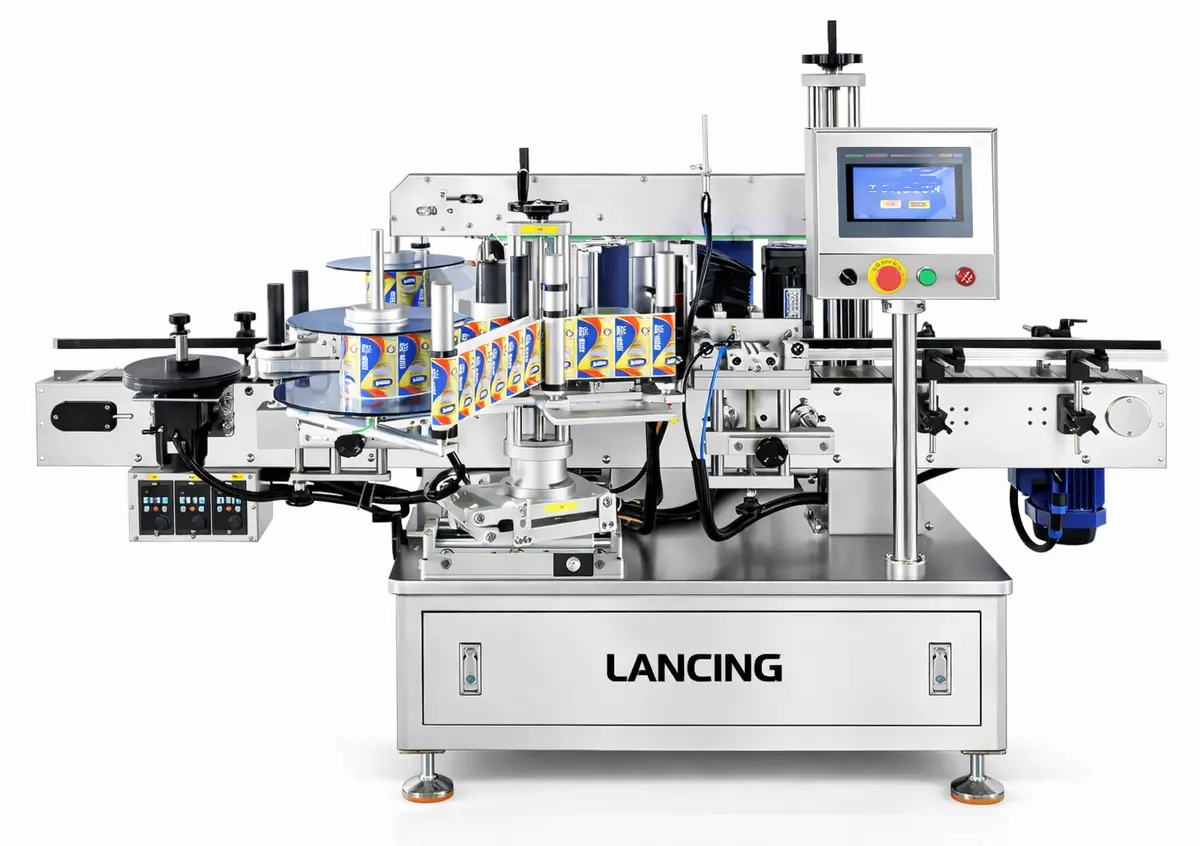
Apply a label to the packSupply the container and production label roll, including the most difficult format, then use the labelling machinery range.
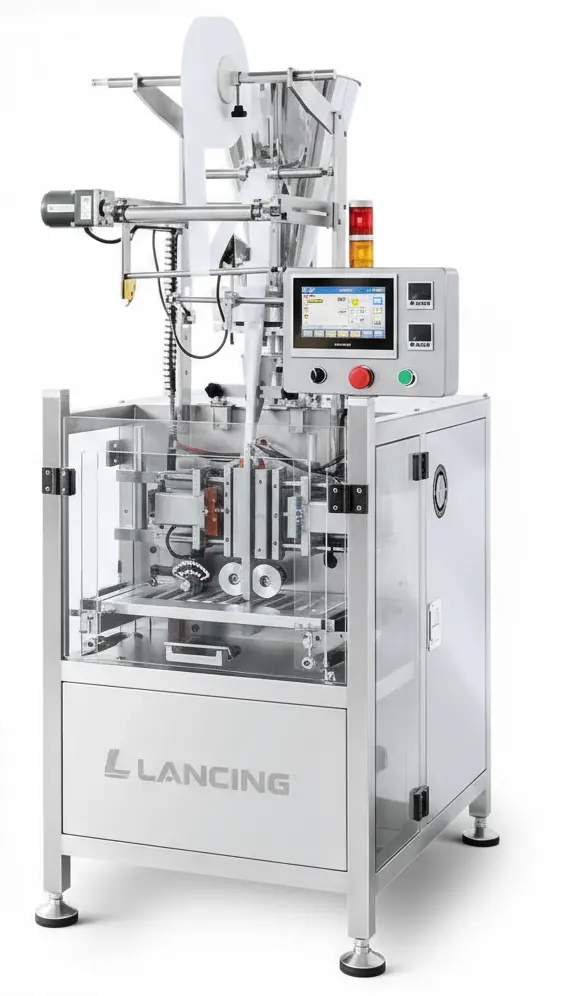
Form, fill and seal a flexible packConfirm product flow, pack dimensions and film or pouch material before reviewing vertical form fill and seal equipment.
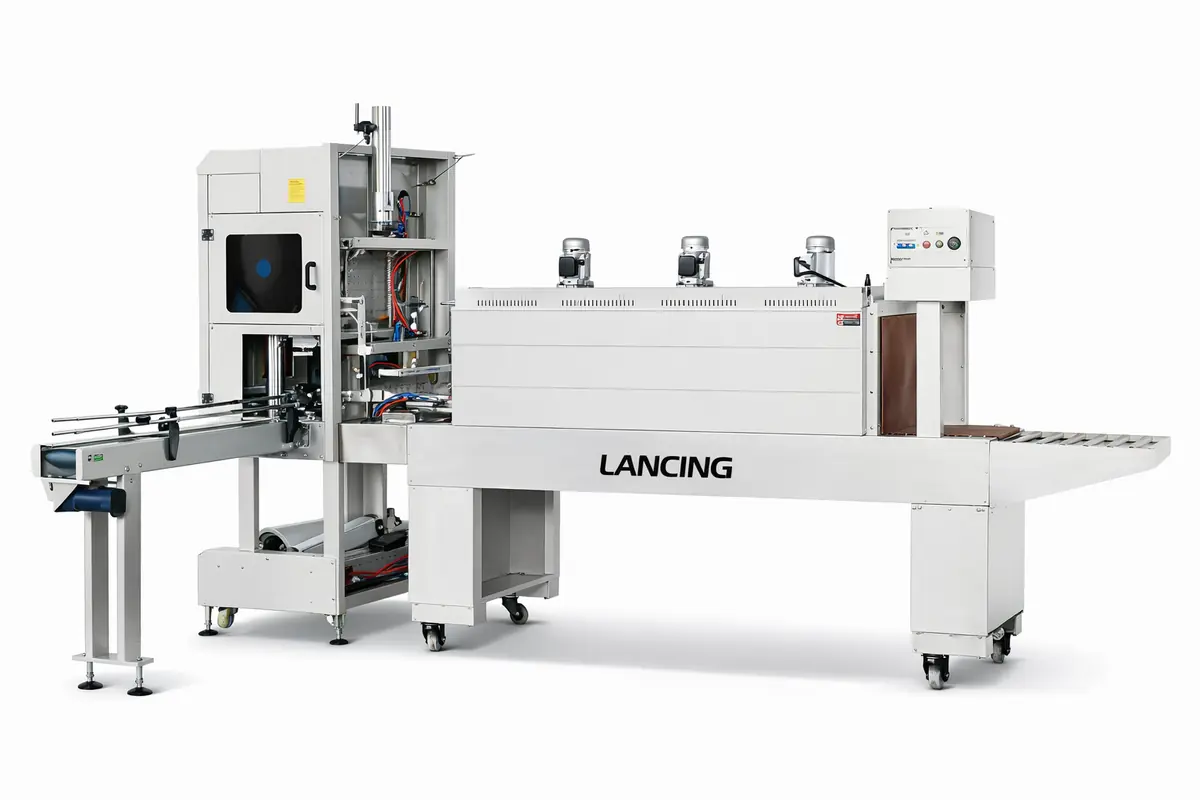
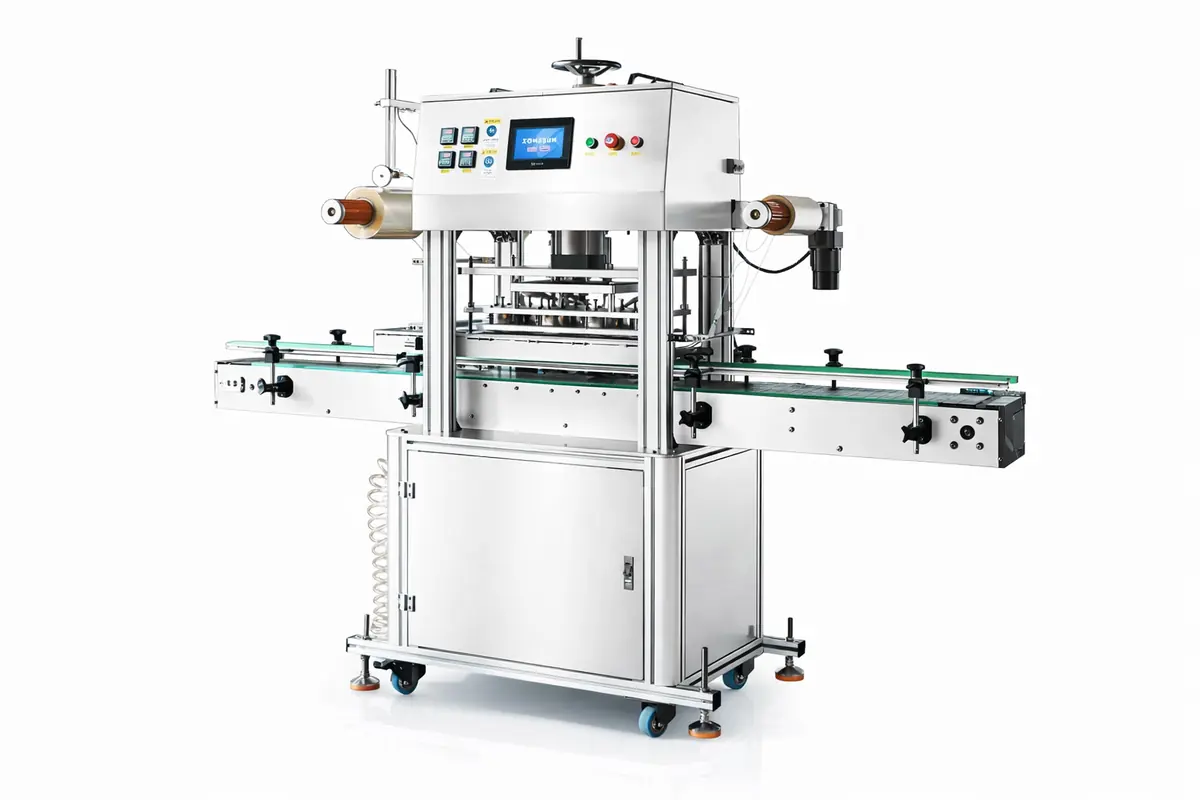
Seal, protect or group a finished packDefine the seal or wrap result and material response, then compare sealing and packing with shrinkwrapping machinery.
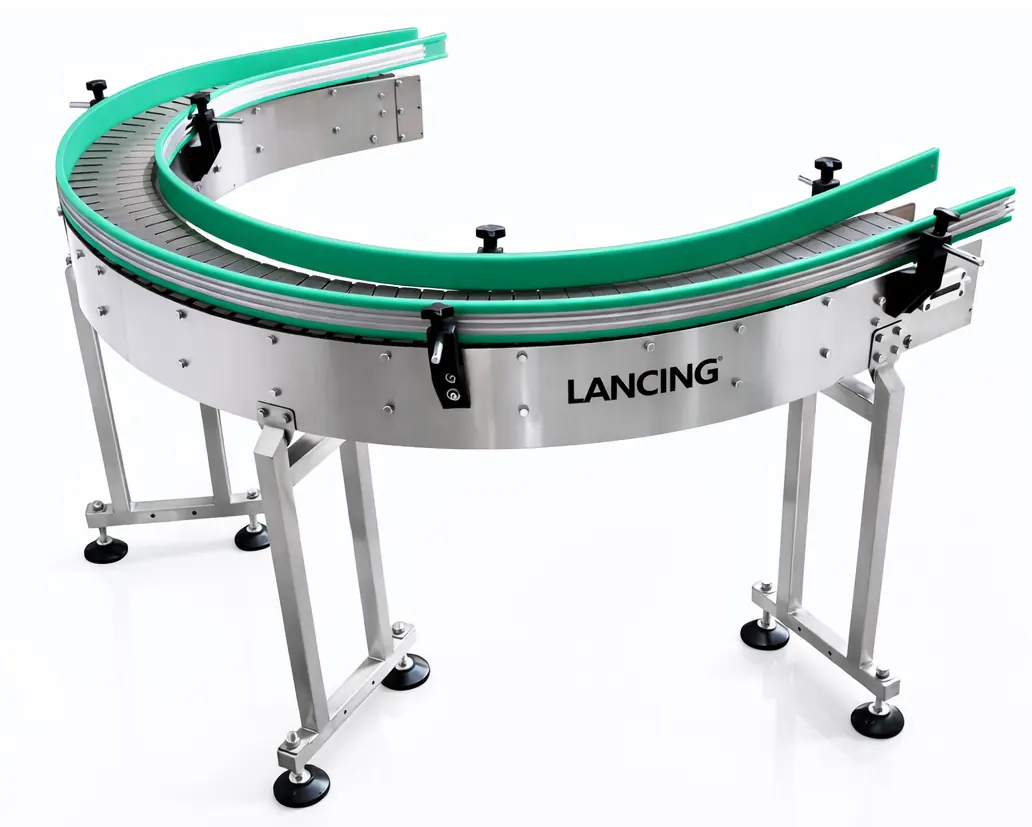
Present, move or accumulate containersRecord pack stability, line direction, working height and available space, then review rinsing and feeding or conveyor and accumulation.
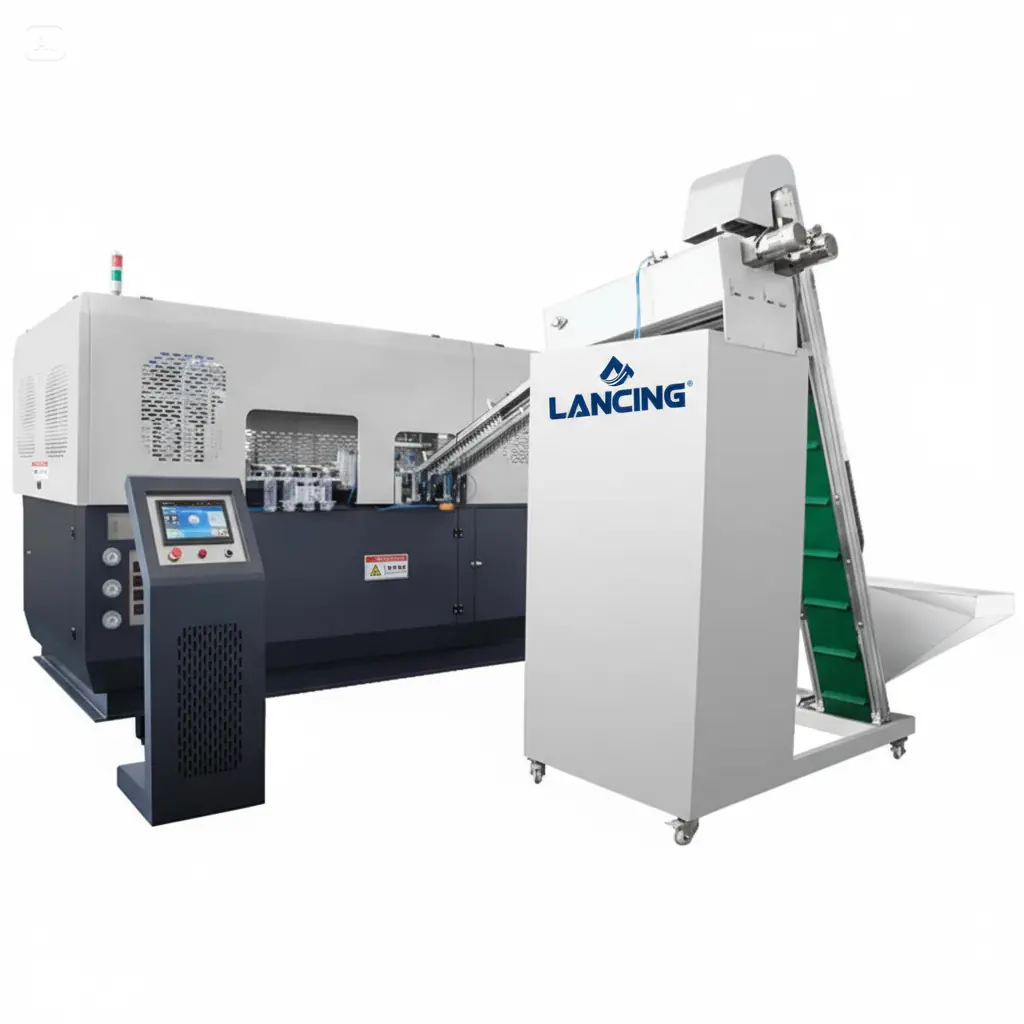
Create the container before packingDefine the required container format and how it will feed the downstream process before opening the blow moulding range.
Use the right level of detail

Move from machinery category to a controlled project brief.

The category page identifies the process. A machine page shows an available equipment style. Integration guidance is needed when two or more operations must run as one process.

Category comparison

Use a category hub to compare operating principles and identify the samples, formats and constraints that decide suitability.

Individual machine review

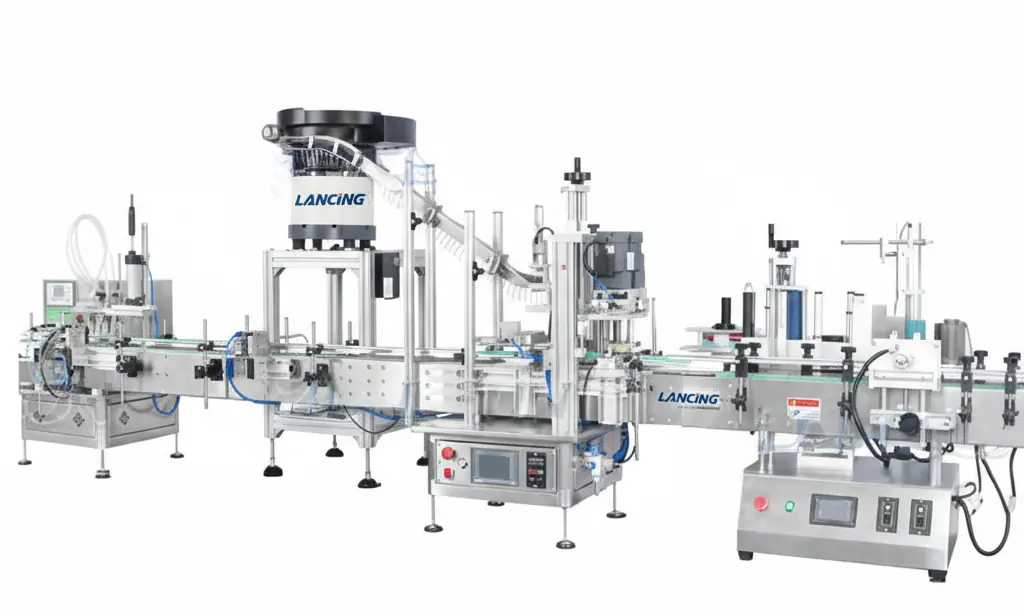
Use the machine listing to discuss that equipment style against the real application; do not assume the pictured configuration covers every format.

Connected automation

Use the integration guide when transfers, controls, guarding, accumulation or shared acceptance affect the project.

Selection framework

Choose machinery by process evidence, not category name alone.

The product range is the starting point. Final selection depends on the materials being handled, pack geometry, automation level, operator process and how the machine connects to the rest of production.

Confirm product behaviour

Viscosity, foam, dust, fragility, settling, surface finish and component variation can determine which filling, feeding, sealing or labelling route is practical.

Define the complete format family

List every container, closure, label, film, pouch, carton or case required at launch and identify which future formats are only possibilities.

Match automation to the campaign

Compare manual presentation, semi-automatic operation, automatic feeding and complete-line integration against batch size, changeover and staffing.

Information to prepare

  • Product and packaging samples.
  • Dimensioned format list.
  • Batch size, target output and staffing.
  • Cleaning and changeover expectations.
  • Upstream, downstream and site constraints.
Machinery selection questions

How to compare packaging machinery before choosing a range.

Machine category is only the starting point; the product, pack and line interfaces determine whether a machine is genuinely suitable.

How should I compare different packaging machine categories?

Compare packaging machine categories by the controlled process, product and pack compatibility, operator input, changeover, cleaning, achievable line balance and integration requirements. A machine that performs the right headline task can still be unsuitable if the container is unstable, the closure cannot be presented consistently or the downstream process cannot accept the output.
What makes a standard machine become a custom integration project?

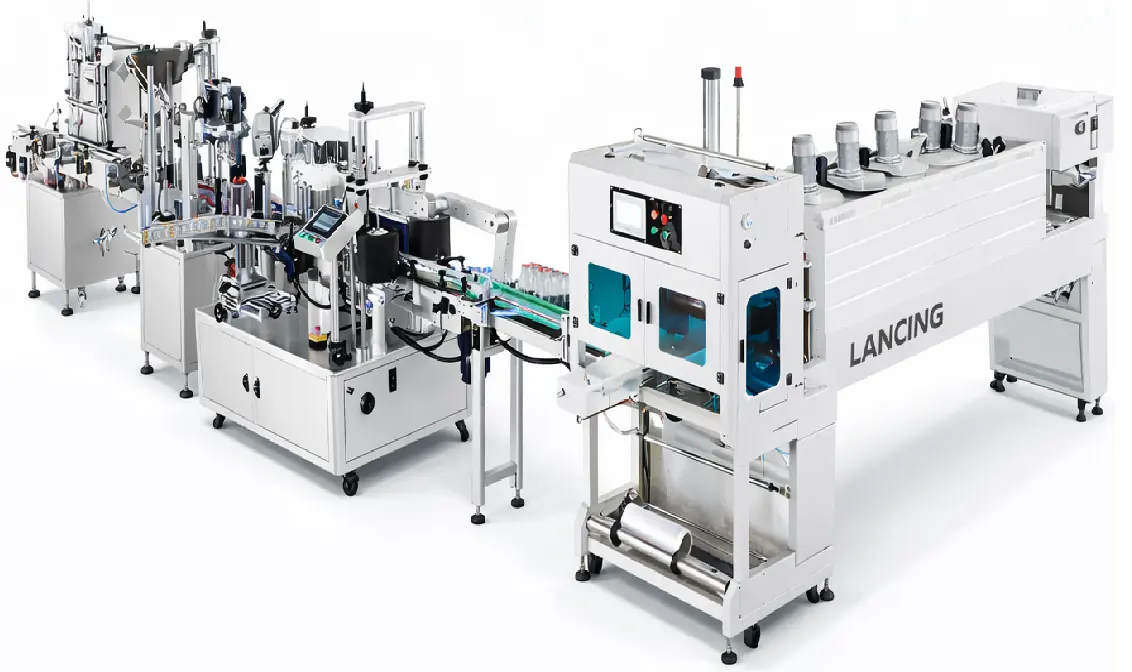
A standard machine becomes an integration project when it needs bespoke product handling, special tooling, non-standard working heights, communications with other equipment, common guarding, inspection or reject logic, unusual utilities, constrained access or a coordinated acceptance test. The scope should separate the standard machine from the engineered interfaces and site work.

Is a machine suitable if the product fits but the container does not?

No. Product compatibility alone is not enough. The container opening, rigidity, shape, centre of gravity, manufacturing tolerances and surface condition affect filling, capping, labelling and conveyor handling. Suitability should be confirmed using representative empty and filled containers, including every size that is expected to run.

Why should downstream handling be considered before selecting a machine?

Downstream handling determines whether the output can leave the machine without backing up, falling, scuffing or losing orientation. Coding, inspection, sealing, labelling, accumulation and packing may require controlled spacing or a stable product pitch. Reviewing them early prevents a fast process machine being limited by the next transfer.

Continue your packaging automation research

Use the related guidance below to compare the next decision, then send the actual product, pack and production information when you are ready to discuss a suitable machine or integrated line.

Compare machinery before shortlisting equipment

Use the technical guide library to compare automation level, machine principles, product behaviour and line-integration requirements before requesting a configuration review.

Before shortlisting

Control the requirement, operating data and support plan.

The machine category is only the starting point. Use these guides to compare equipment against one requirement and plan how the selected system will be measured and supported.

CallContact