UK packaging automation projects01494 623015sales@lancinguk.com
Conveyor and interface guide

How should products transfer between packaging machines?

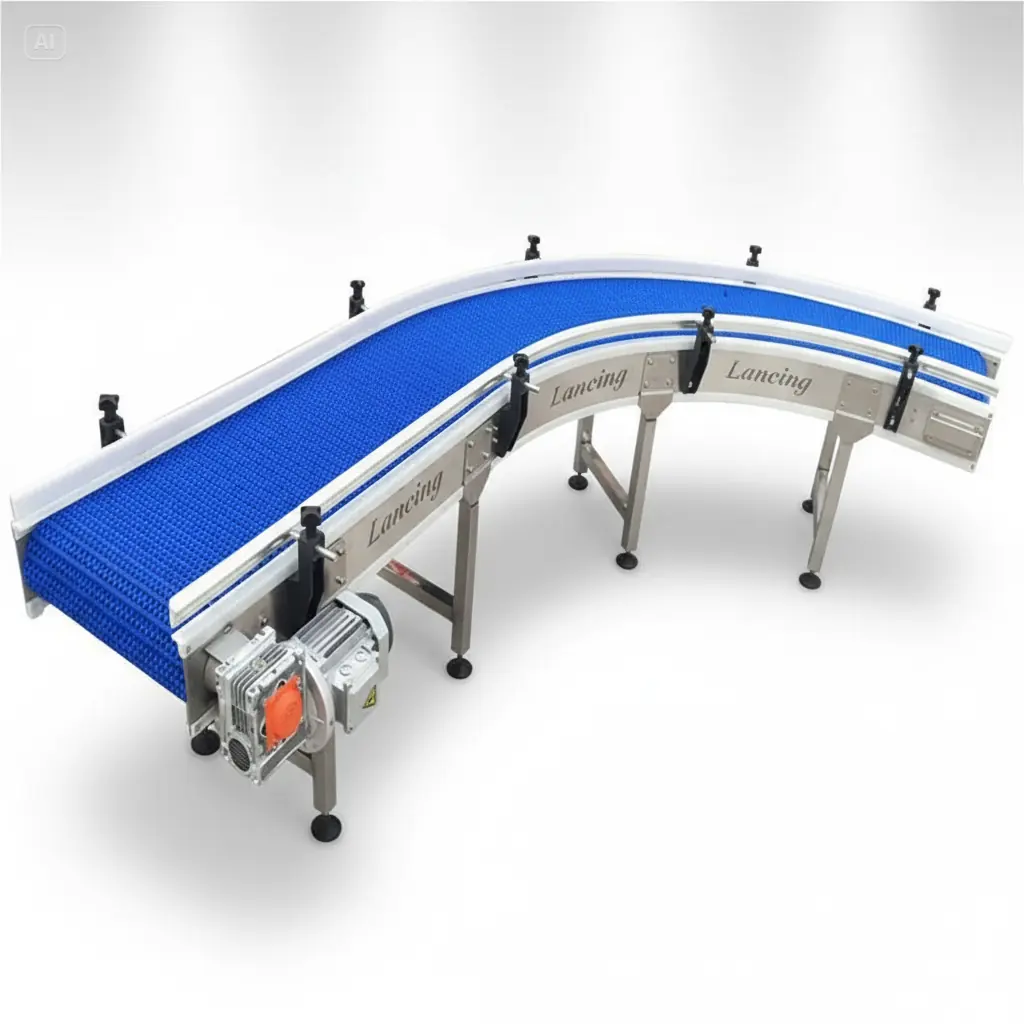
A reliable transfer supports the pack through changes in belt, speed and direction while preserving position, orientation and quality.

How should products transfer between packaging machines?
Direct answer

How should products transfer between packaging machines?

Packaging line transfer design starts with the least stable product and the exact point where one machine releases control and the next takes over. Check base support, gaps, guide contact, speed ratio, centre of gravity, liquid movement, sensor position and recovery after a stop. Mechanical transfer, controls and guarding should be reviewed together because a stable product path can still create unsafe or inaccessible interfaces.

Use this guide to prepare a decision

  • Define the product and packaging components that will actually run.
  • State the required production result and how it will be verified.
  • Include changeover, cleaning, supply, discharge and line-control conditions.
  • Confirm suitability with representative samples before final selection.
Selection framework

Turn the question into a testable machinery requirement.

These factors help suppliers compare the same application and make assumptions visible before equipment is selected.

Transfer risks to review at every interface

InterfaceWhat to checkRisk to control
Base supportDead plate, nose bar, belt gap or height step.Small or flexible bases can tip or catch.
Speed changeAcceleration, deceleration and product spacing.Can create impact, gaps or unstable queues.
Side guidanceContact height, pressure, curve and adjustment.Can scuff, rotate or squeeze the pack.
Product stateEmpty, filled, open, capped, hot or decorated.Changes stability and permitted contact.
Control pointDetection, blocked state, tracking and restart.Determines how the line reacts to interruption.

Test the difficult formats, not the average format

The shortest base, tallest centre of gravity, fullest liquid container, most flexible pouch and most easily marked surface may each define a different interface. A transfer that works with an empty rigid bottle may fail after filling. Include start, stop and queue-release conditions in the trial.

Design for adjustment without creating ambiguity

Guides and sensors need adjustment for different formats, but repeatable scales, stops or recorded settings help operators restore the approved position. Check that adjustment does not reduce guarding, create traps or make cleaning access impractical.

Safety and access remain site-specific

Transfer guards, interlocks and access arrangements must be assessed for the complete installation. HSE guidance on work equipment and machinery provides the general UK framework; the final design requires a competent, application-specific assessment.

Common buyer questions

Answers about conveyor and interface guide.

Each answer states the practical variables that should be confirmed for the actual product, pack and production environment.

What is the most common cause of bottles tipping at a transfer?

Common causes include an unsupported base crossing a gap, a height step, abrupt acceleration, guide contact above the stable support zone and liquid movement. The cause should be observed at normal speed and during start or release from a queue before changing several settings at once.

How should sensors be positioned?

Sensors should detect the relevant part of the pack consistently without being triggered by labels, gaps, transparent surfaces or product movement. Their position must also support the required control action and remain accessible for adjustment and cleaning. Test every approved format.

What should be recorded for each transfer?

Record conveyor heights and speeds, guide settings, sensor positions, approved pack formats, blocked and starved logic, accumulation limits and any change parts. Include photographs or marked drawings so the production setting can be restored after maintenance or changeover.

Why do conveyors need matched working heights?

Matched working heights reduce steps and unsupported transitions between machines. Small differences may be managed with transfer plates or adjusted supports, but the final arrangement must suit the pack base and allow safe, cleanable access. Working height should be agreed before manufacture where possible.

Can side guides fix an unstable container?

Side guides can control lateral movement, but excessive pressure or poor contact height can rotate, mark or tip the container. If instability comes from the base, speed transition or liquid movement, more guide pressure may make the problem worse rather than solve it.

Prepare an application-specific enquiry

Send the product, packaging components, target output, current process and any layout or interface information. Lancing can use the details to identify the next trial, machine category or integration review.

CallContact