Induction sealing machines
Induction sealing machines apply heat through an electromagnetic field to bond foil liners to container mouths. Correct liner, cap, container and line speed are all essential.
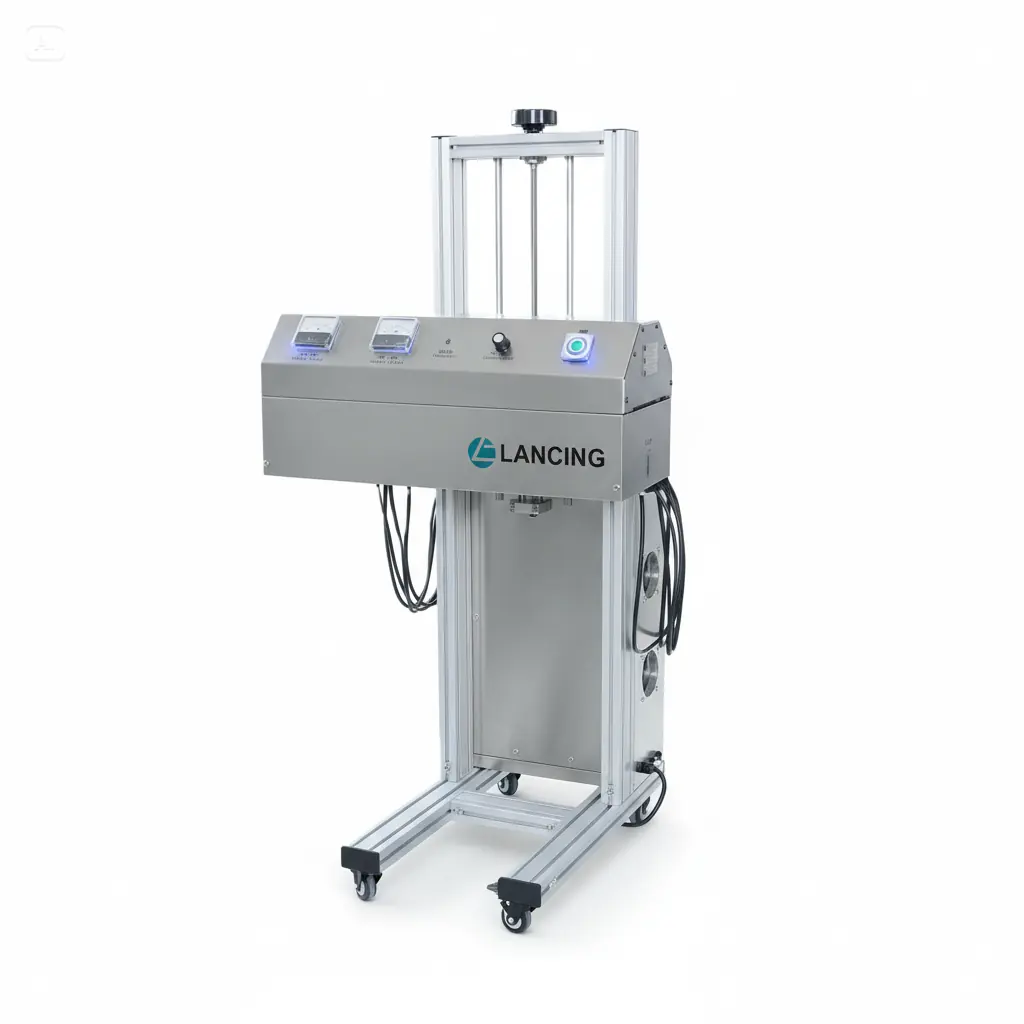
How to specify induction sealing machines.
Use these points to prepare a stronger machinery enquiry and narrow the equipment range before quotation.
Best-fit applications
Induction sealing machines are most useful when the machine format is matched to the product, pack and operator process rather than chosen from headline speed alone.
- bottles and jars requiring foil seals after capping
- food, chemical, cosmetic and liquid products needing leak reduction
- lines adding tamper-evident sealing before labelling or packing
Details to confirm before selection
Accurate specification starts with samples, real production targets and a clear view of what happens before and after this process.
- container material, neck finish, cap and foil liner specification
- line speed, conveyor height and seal head clearance
- heat sensitivity, fill level and any product contamination on the rim
Build a practical enquiry
Send product details, filled and empty pack samples, photos or videos of the current process, expected output and any site restrictions. This helps identify whether a standard machine, tooling change or integrated line is the correct route.
- Include product and pack photos where possible.
- State current output, target output and operator involvement.
- Confirm whether the requirement is standalone equipment or line integration.
Induction sealing machines FAQs
Does induction sealing work on every container?
No. Container material, liner specification and cap design must be compatible.
Where does induction sealing sit in the line?
Usually after capping and before labelling or packing.
What causes seal failure?
Wrong liner, product on the rim, cap torque problems or incorrect power/speed settings are common causes.
Continue comparing suitable options.
Use these related pages to narrow the machinery type and prepare a more accurate enquiry.
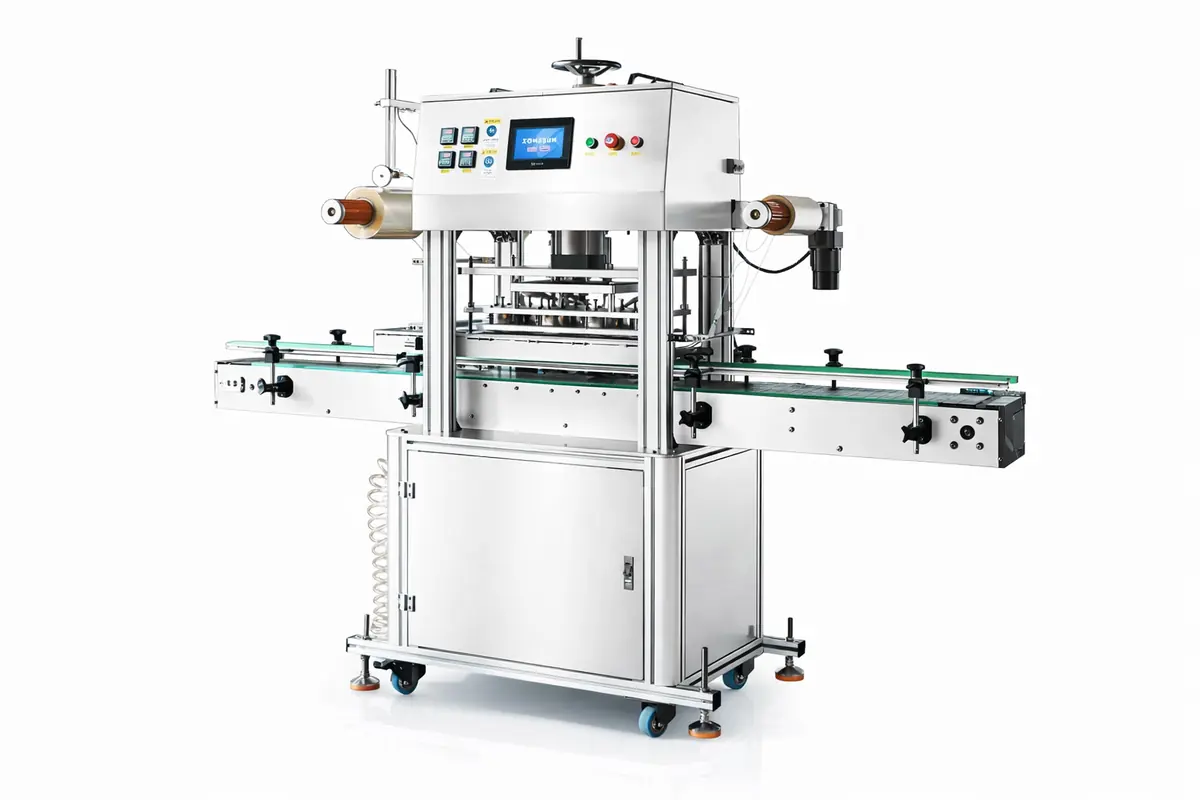
Sealing & packing
Induction sealing, band sealing and vacuum packing systems.
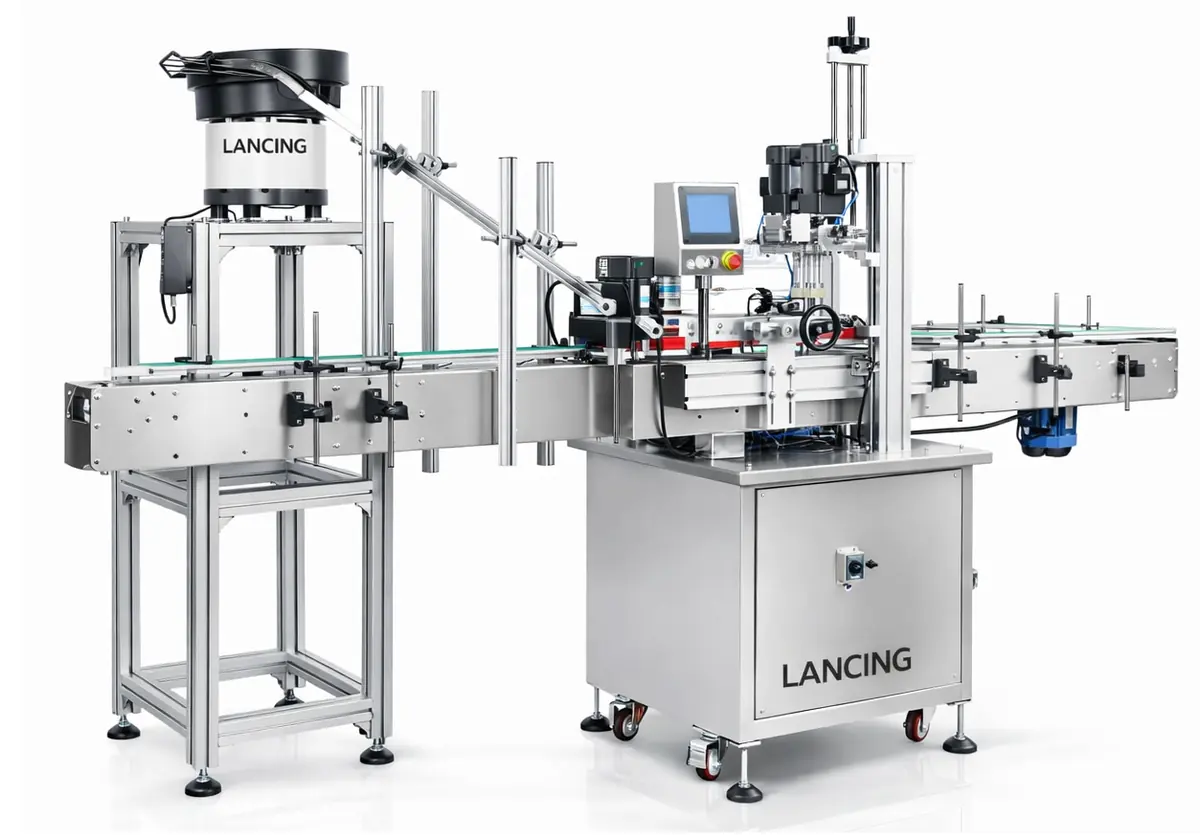
Bottle capping machines
Bottle capping machines for UK packaging lines including screw capping, trigger capping, pump capping, ROPP capping and cap feeding systems.
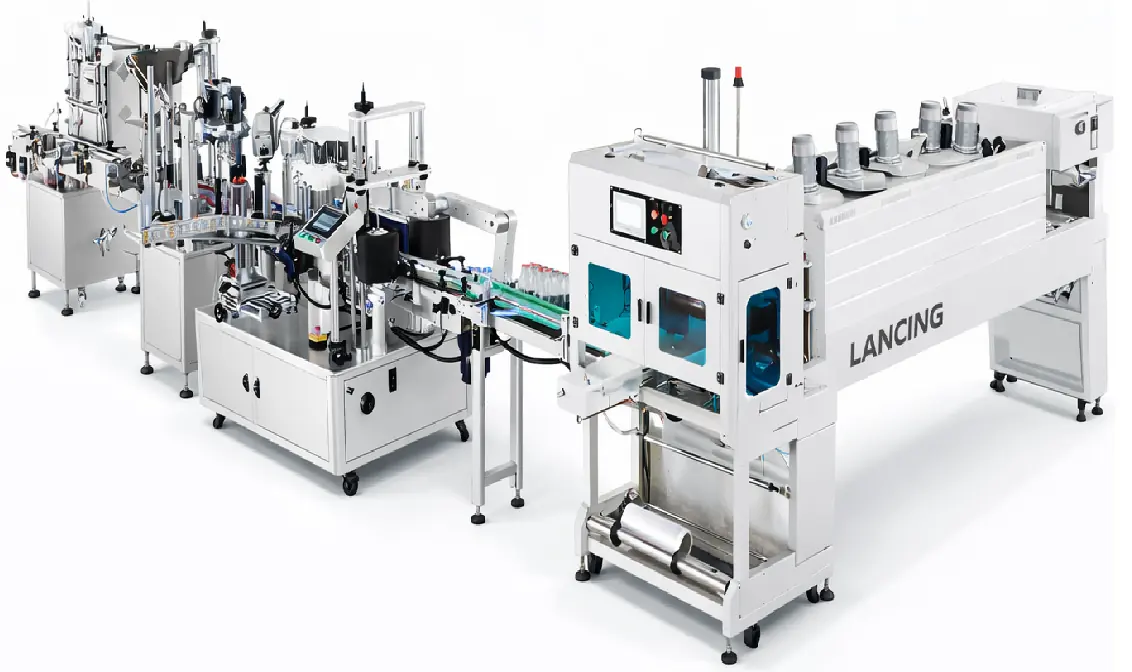
Complete packaging lines
Integrated filling, capping, labelling and conveyor systems.