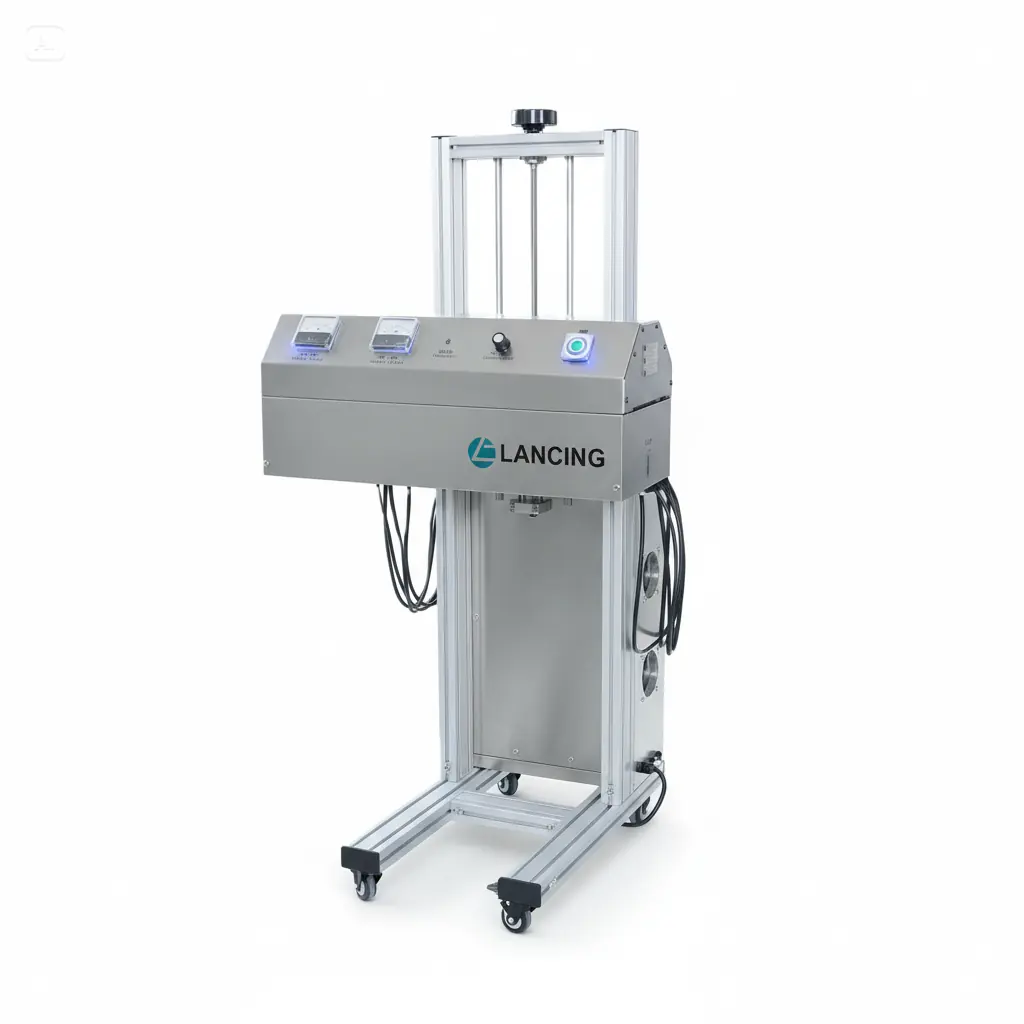
Desktop Induction Foil Sealer for Aluminum Cap Bottles
Packaging machinery configured to your product, format, and throughput requirements. Enquire about Desktop Induction Foil Sealer for Aluminum Cap Bottles with Lancing UK.
Machine overview
Use this page as a starting point for matching the machine family to your container, closure, label, pack format, target speed and available production space.
- Review suitability against your product and pack samples.
- Confirm speed, utilities, tooling and integration requirements.
- Ask for options, pricing guidance and lead time.
Reference specification
| Pack-material evidence | Provide representative bags, film, liners, foils or containers and define the required seal or vacuum result. |
|---|---|
| Process variables | Material structure, surface condition, contamination, heat exposure, dwell and cooling can affect the finished seal. |
| Utilities and installation | Electrical, pneumatic, extraction, footprint and access requirements depend on the selected sealing process. |
| Final verification | Lancing should confirm the complete specification against approved packaging materials and site information before order. |
What is Desktop Induction Foil Sealer for Aluminum Cap Bottles used for?
Packaging machinery configured to your product, format, and throughput requirements. Enquire about Desktop Induction Foil Sealer for Aluminum Cap Bottles with Lancing UK.
What output can Desktop Induction Foil Sealer for Aluminum Cap Bottles achieve?
Final throughput depends on the product, container, fill volume and level of automation selected for the project.
What utilities or site requirements should I plan for?
Electrical, pneumatic, extraction, footprint and access requirements depend on the selected sealing process.
Can Lancing UK help match this machine to my product and container?
Yes. Lancing UK can review your product characteristics, bottle or pack format, closure type, required output and site constraints to confirm the right configuration before supply.
Request a configuration check
Send product details, container dimensions, closure or label samples, target output and any available line photos. The team can confirm whether this machine is the right starting point.
Send enquiryinduction foil sealing application.
Induction sealing requires a compatible container, cap and liner, correctly assembled before the pack passes through the electromagnetic field.
Verify the packaging system
Container material, neck finish, cap and liner construction must be designed to work together; the machine cannot correct an incompatible liner system.
Control cap application first
Seating and closure pressure influence liner contact with the land area, so upstream capping is part of the sealing process.
Establish an operating window
Power, conveyor speed, coil position and pack spacing are adjusted using the real pack, then seal and container condition are checked after cooling.
Configuration evidence
| Container and cap | Matched production components with neck-finish and liner information. |
|---|---|
| Liner | Supplier specification and production examples in the cap as supplied. |
| Closure condition | Upstream cap seating or torque method and variation. |
| Seal check | The agreed peel, bond, leak, tamper-evidence or visual observation. |
| Line conditions | Conveyor height, speed range, pack spacing and nearby metal components. |
Questions to resolve for this induction foil sealing application.
The existing reference specification is a starting point; final suitability should be checked against representative product and packaging samples.
Will induction sealing work through any cap?
No. Cap, liner and container compatibility must be confirmed for the intended system.
Why must the cap be applied consistently first?
The liner needs suitable contact with the container land for a consistent bond.
Can one setting run several container sizes?
Coil relationship, liner diameter and line conditions may differ, so each format should be approved separately.
When should the seal be checked?
Allow the pack to cool as required by the material system before applying the agreed inspection or test.
What can cause overheating?
Excess energy, slow speed, poor coil position or an unsuitable pack can damage liners, caps or containers; settings should be established by controlled trial.
Prepare a useful machinery enquiry
Send the samples and production information listed above so this machine can be checked against the complete application rather than the title alone.
Treat induction sealing as a container, cap, liner and capping process.
The sealer creates energy in a compatible foil-liner system, but the final bond also depends on the container land, liner construction, closure seating, pack spacing and the approved cooling and inspection method.
Confirm the complete pack
Provide matched containers, caps and liners from normal supply with the supplier specification and any expected variation.
Control upstream capping
Check that closures are seated consistently and that the liner contacts the container land before packs reach the sealing field.
Establish and protect settings
Use controlled trials to approve each format, then manage coil position, line speed, pack spacing and power so unapproved combinations are not used.
Information to prepare
- Matched containers, caps and liners.
- Liner supplier information and normal component variation.
- Upstream closure application method.
- Required seal, peel, leak or visual check.
- Line speed range, pack spacing and nearby metal components.
Continue from this page
Use the most relevant next step to move from initial selection towards a defined, testable project.
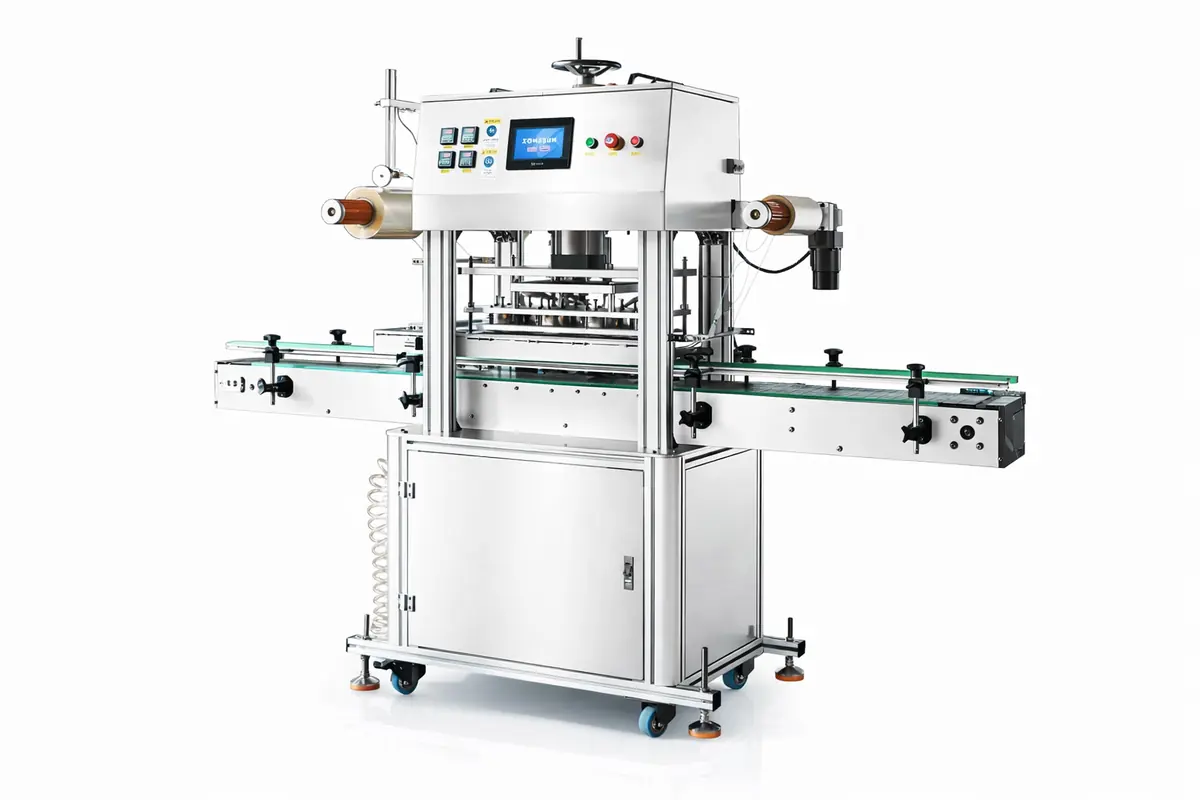
Induction sealing sample trials
Define the pack, setting window, cooling and seal checks for each format.
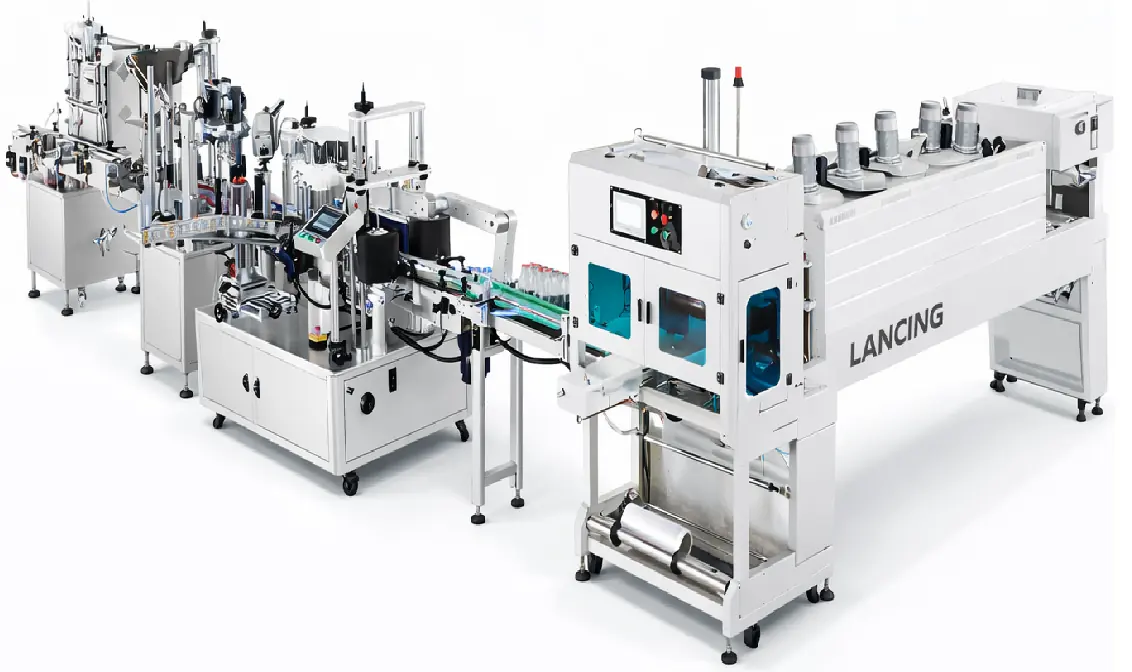
Machinery safety and compliance
Plan guarded access, electrical safety, hot components and competent assessment.
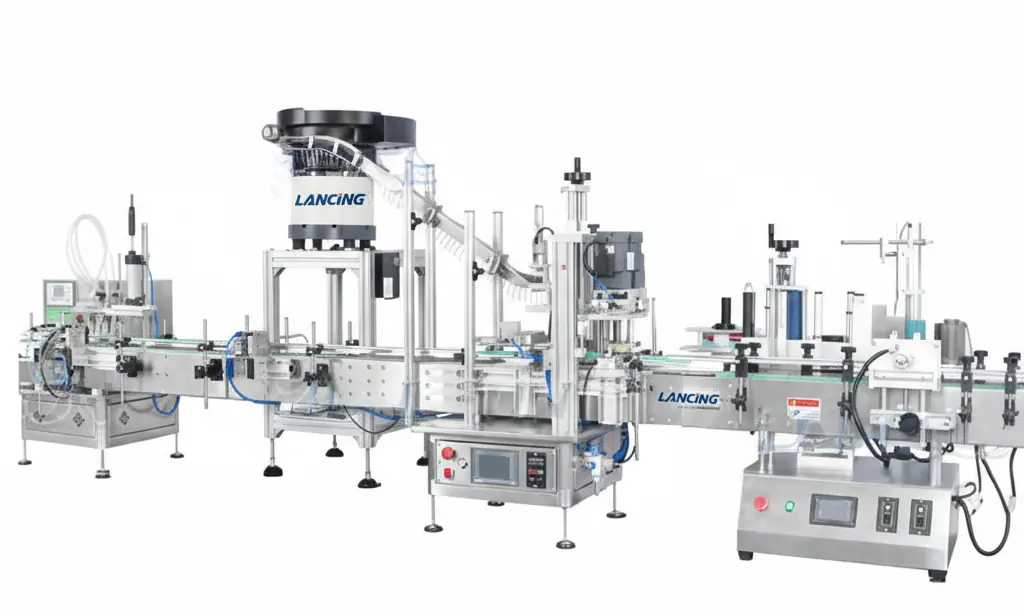
Sealing quotation checklist
Compare coil, conveyor, format coverage, trials and site responsibility.
Related machinery guidance
Use the relevant guide to check application variables before a final machine configuration is confirmed.