UK packaging automation projects01494 623015sales@lancinguk.com
UK machinery specification · integration · support

Packaging automation with a sharper edge.

Specify filling, capping, labelling, coding, conveyors and complete line automation with practical UK sales, integration and aftercare support.

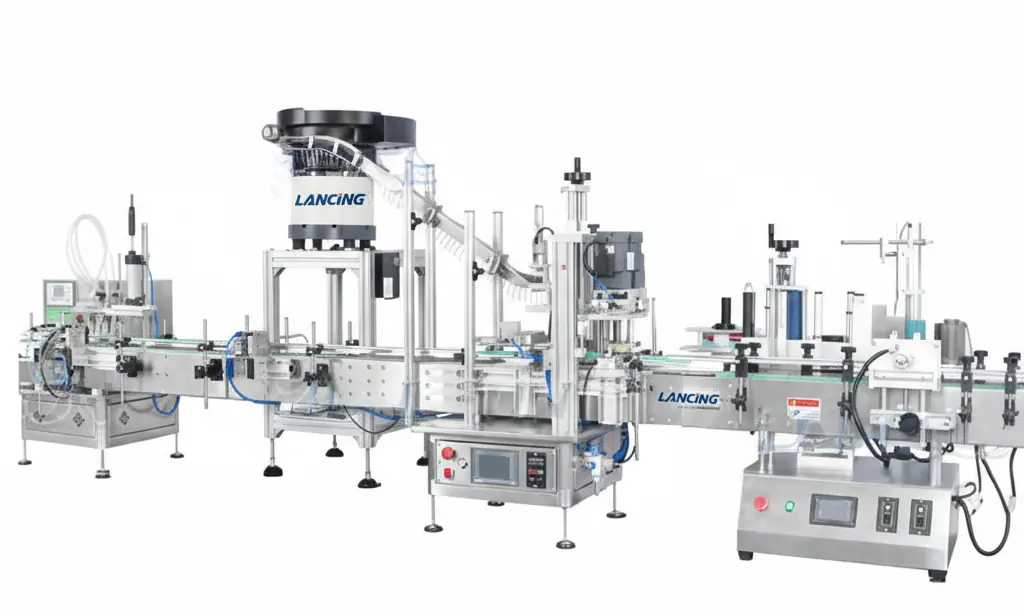
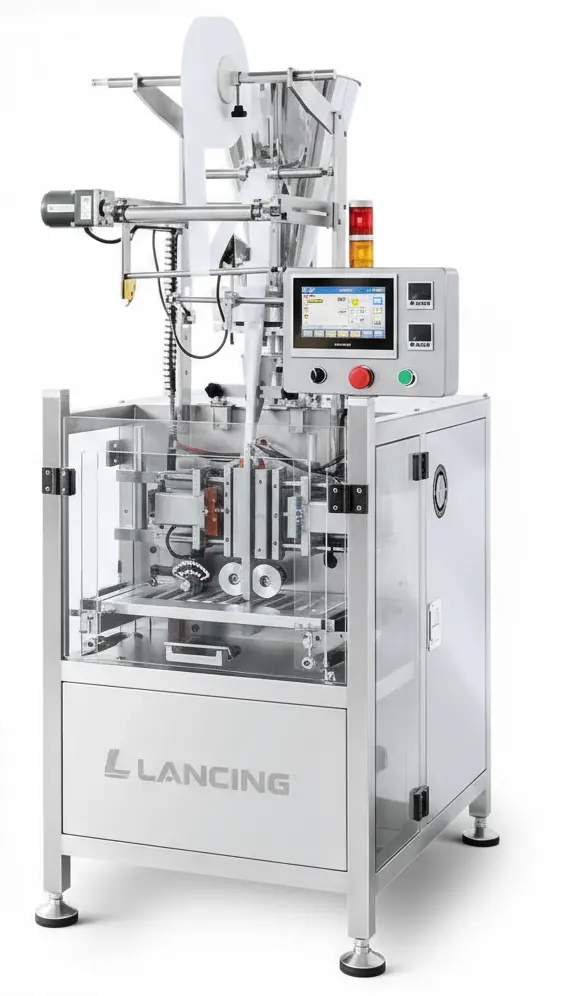
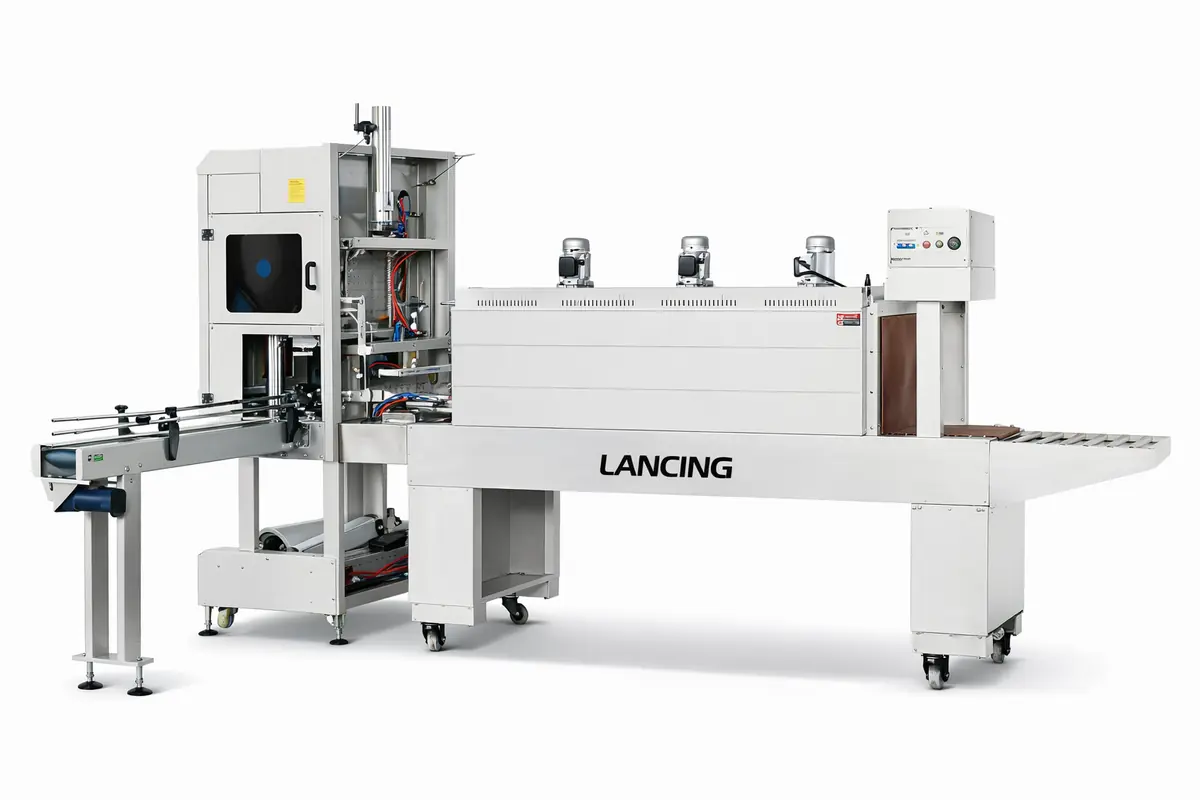
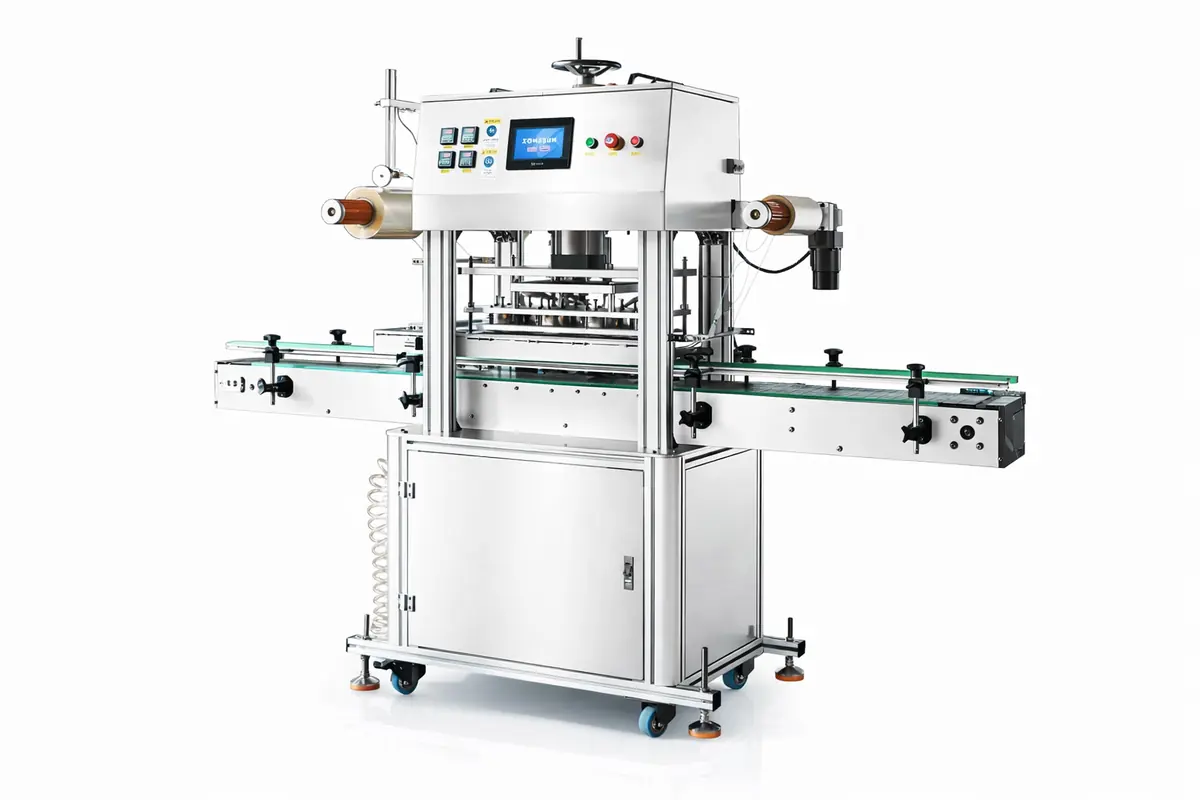
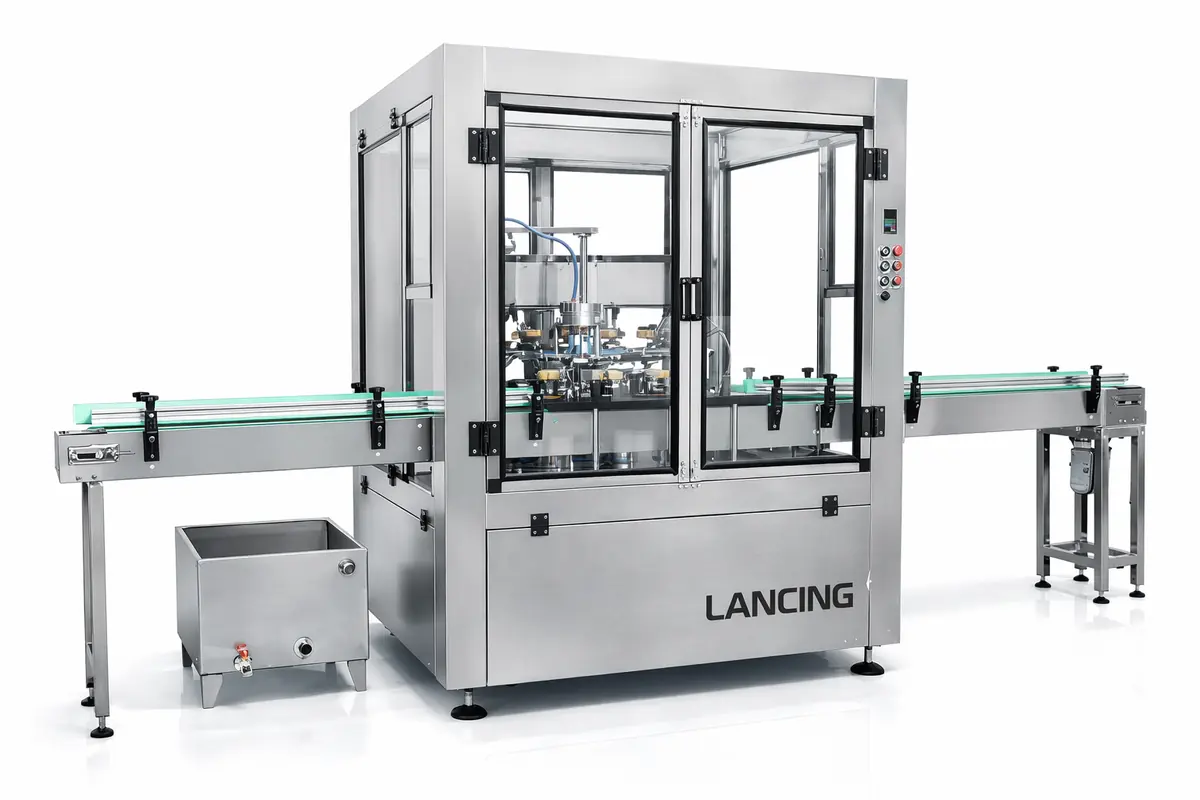
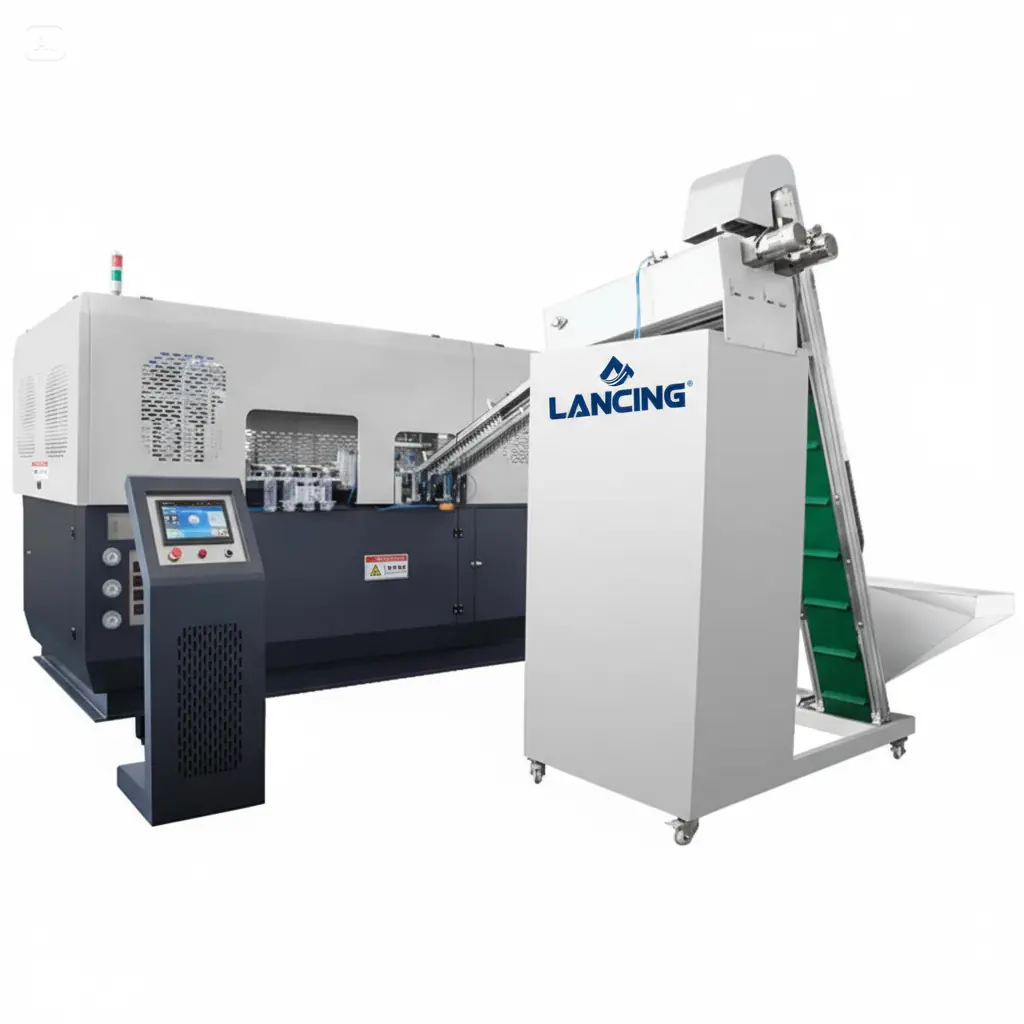
Integrated filling and packaging automation equipment
Built for production

Packaging machinery specified around your production goals.

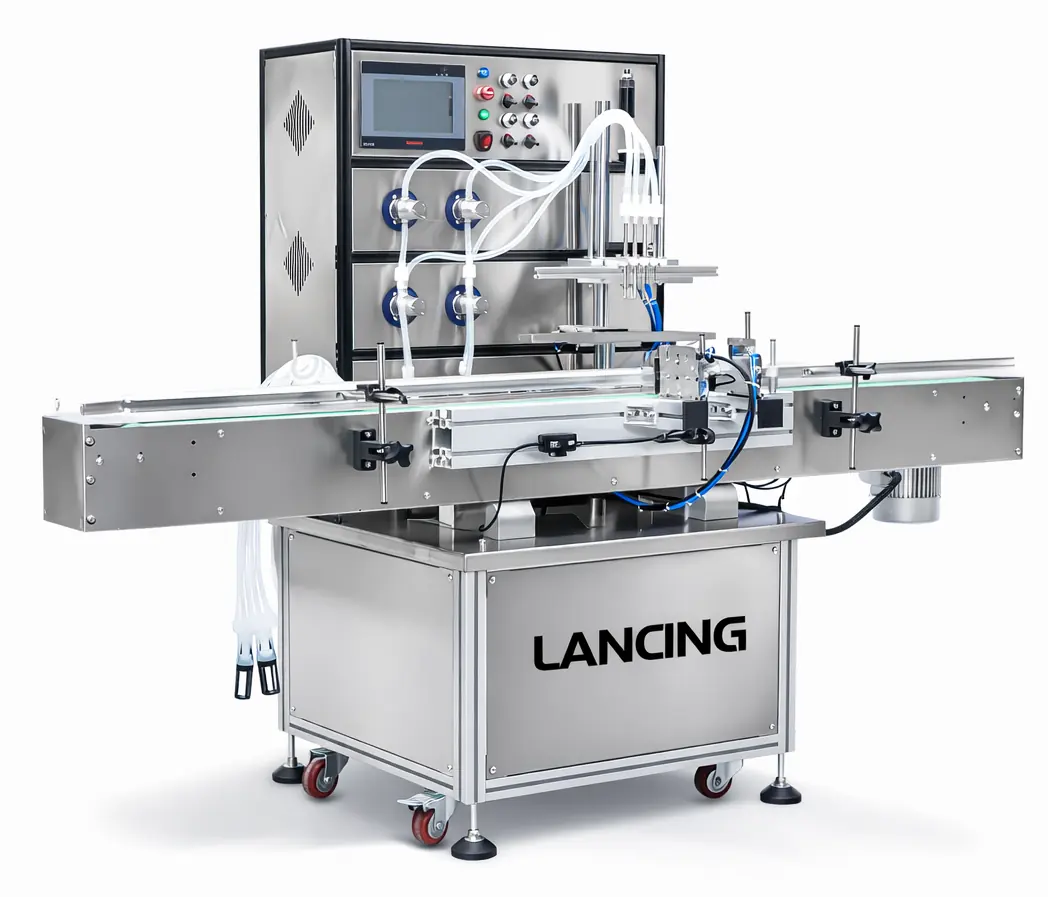
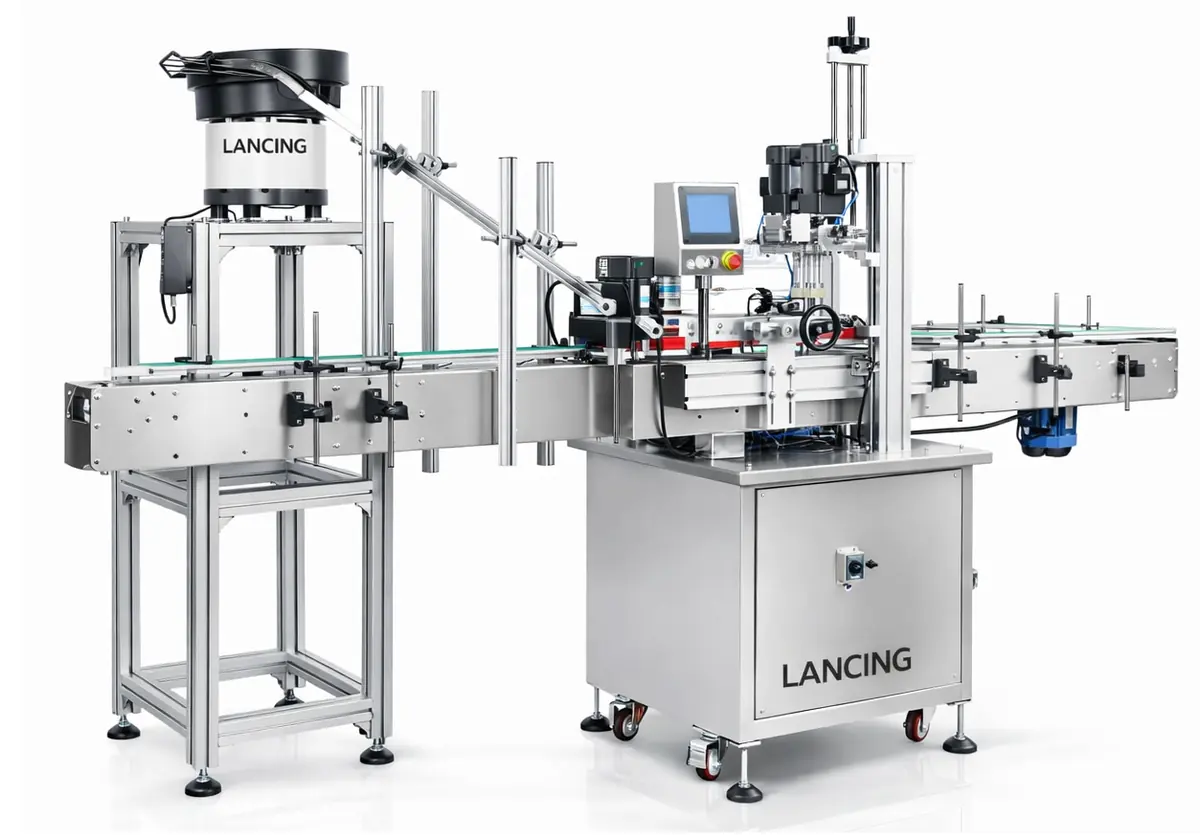
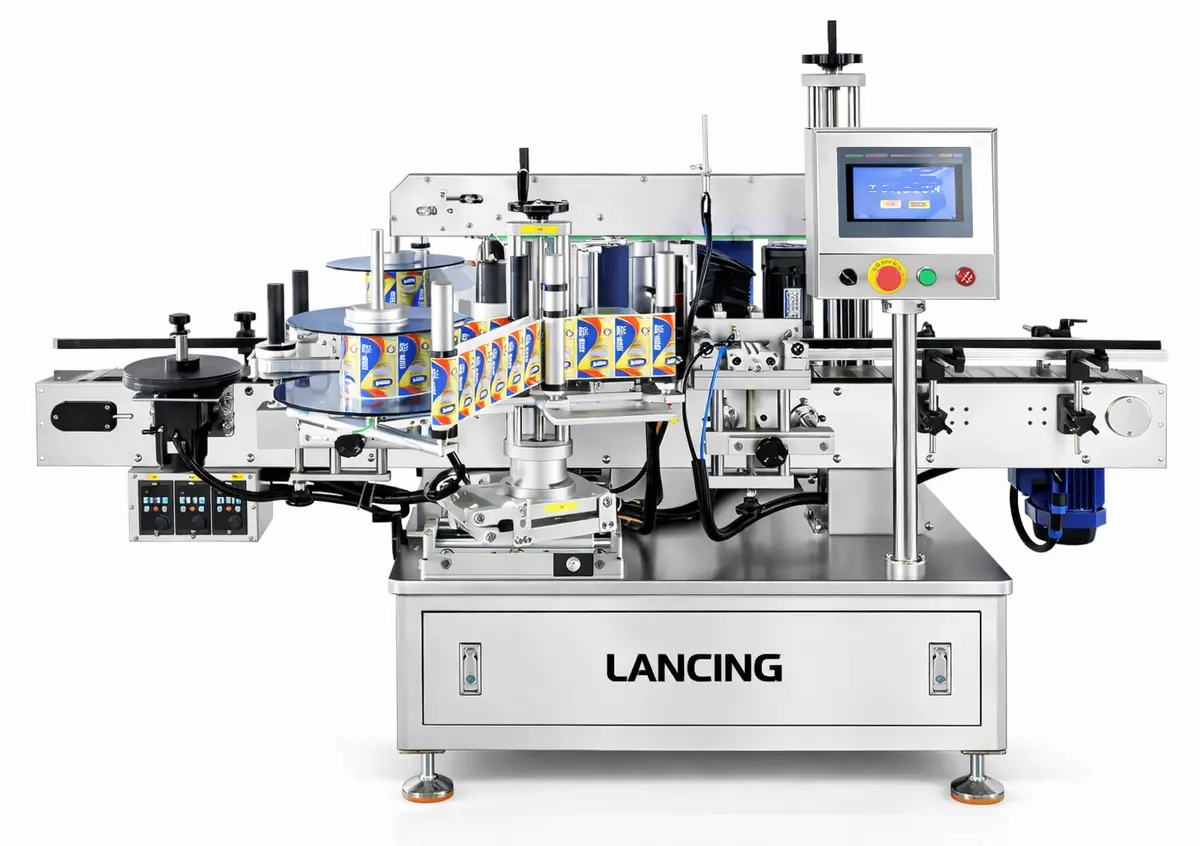
Choose from individual machines, semi-automatic systems and integrated packaging lines organised around the way your production area actually works.

  • Clear equipment ranges for filling, capping, labelling, coding, conveying and end-of-line packing.
  • Practical specification prompts for product, pack, speed, utilities and integration planning.
  • Direct enquiry routes for quotes, advice and line layout discussions.
  • Lancing UK sales and technical support from initial enquiry through to aftercare.

Specification-led supply

Match machine format to product viscosity, container dimensions, closure type, speed and site constraints.

Line integration

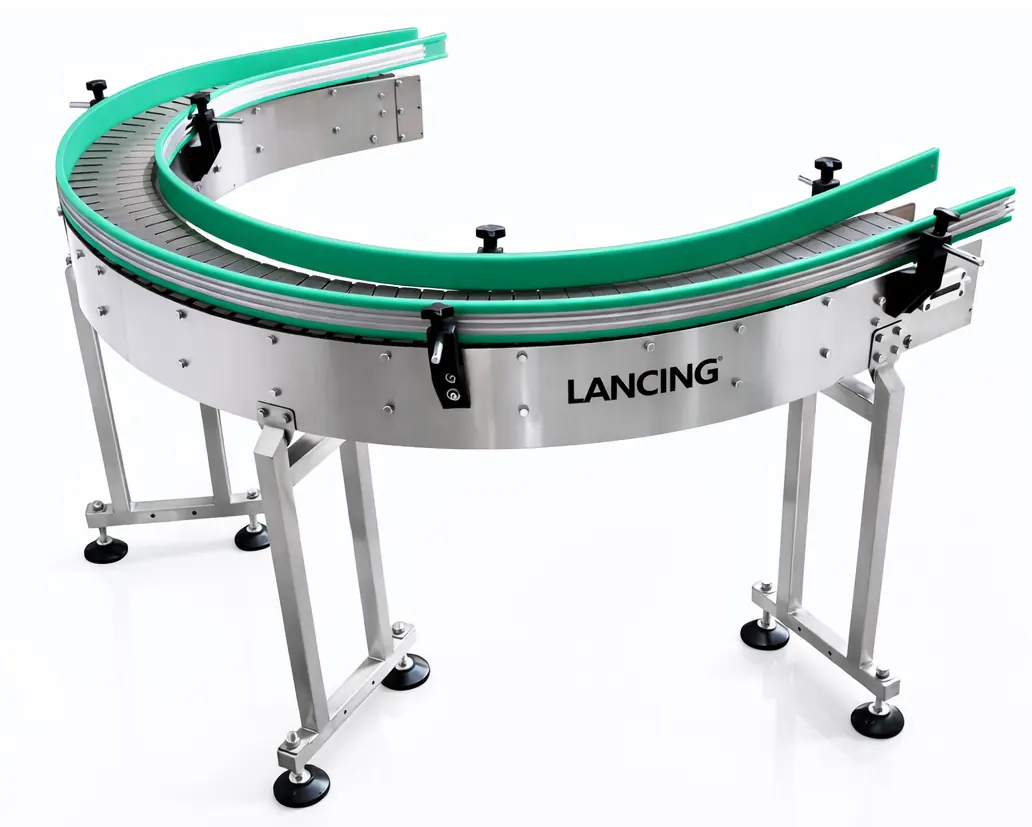
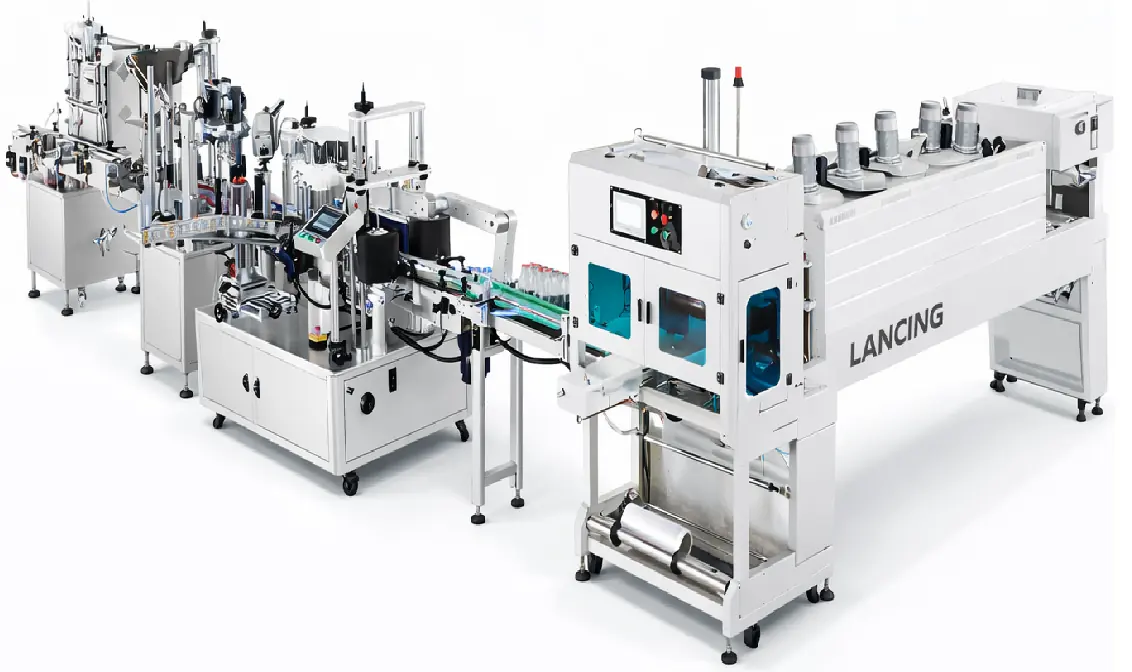
Connect fillers, cappers, labellers, coders, conveyors and end-of-line packing into practical production cells.

Aftercare route

Support for commissioning, operator familiarisation, spares and machinery upgrades through Lancing UK.

Project planning

Turn a packaging requirement into a controlled automation brief.

Better equipment decisions start with evidence about the product, pack and production environment—not a machine name alone.

Define the production problem

Record what must improve: labour content, consistency, output, operator handling, changeover or an interface that is limiting the existing line.

Treat every interface as part of the project

Container transfers, cap presentation, label control, coding, accumulation, guarding and controls can determine whether otherwise suitable machines run together reliably.

Agree how suitability will be demonstrated

Representative samples, an approved scope and clear acceptance checks help separate assumptions from testable requirements before equipment is released for production.

Information that helps Lancing review an application

  • Representative product, container, closure, label, film or pouch samples.
  • Target output, batch pattern, changeover frequency and expected operating hours.
  • Available floor space, line direction, conveyor height and operator access.
  • Utilities, environment, cleaning method and any site-specific restrictions.
  • Existing upstream and downstream equipment that the new machinery must interface with.

Evidence to retain in the project file

Approved samplesIdentify the exact product and packaging components used for review or trial.
Interface scheduleRecord heights, speeds, signals, transfer points and responsibility for each boundary.
Acceptance checksDefine the products, formats, run conditions and observations that will be used to judge the result.
Change controlDocument later changes to materials, pack dimensions, recipes or site services.
Support scopeConfirm installation, commissioning, training, spares and aftercare responsibilities.

Prepare a useful machinery enquiry

Send the product and pack details you already have. Lancing can then identify the most relevant machinery route and the gaps that need to be resolved before specification.

Project planning

Move from an automation idea to a testable packaging machinery brief.

Use a structured route to define the product, pack, operating pattern, site and acceptance evidence before final equipment selection.

Start with the production problem

Describe the current process, recurring losses and required outcome before fixing the answer as a particular machine type.

Prove application suitability

Use representative products and packaging components to close uncertainties around filling, feeding, transfer, closure, labelling or sealing.

Plan the complete interface

Treat conveyors, controls, safety boundaries, utilities, coding, inspection and operator work as part of the production system.

Information to prepare

  • Products and representative pack samples.
  • Current and target operating pattern.
  • Site layout, access route and available services.
  • Existing machinery and required line interfaces.
  • Priority quality checks and acceptance outcomes.
Packaging automation questions

Questions buyers ask before starting an automation project.

These answers help define whether the next step is a standalone machine, a phased upgrade or a connected packaging line.

What does a packaging automation project usually include?

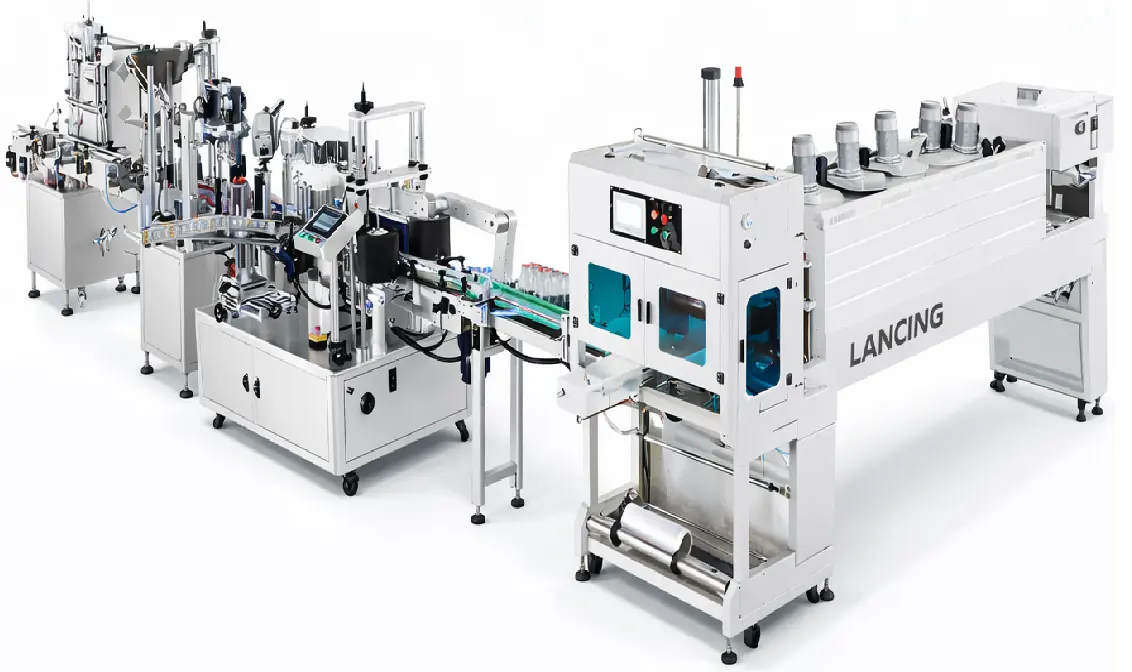
A packaging automation project can include the process machine, product and pack handling, conveyors, controls, guarding, coding, inspection, operator access, installation and acceptance planning. The exact scope should be defined around the real product, packaging components, required output, available space and existing equipment rather than around one machine in isolation.

  • Define the beginning and end of the project boundary.
  • List every manual transfer and quality check.
  • Confirm who supplies utilities, interfaces and supporting structures.
What information helps Lancing assess a packaging line?

Lancing can assess a packaging line more effectively when the enquiry includes product samples, container and closure drawings, labels or film, target output, current method, available layout, utilities, cleaning needs and upstream or downstream equipment. Photos and a short production video can reveal handling details that are difficult to describe in writing.

How do I know whether to automate one process or a complete line?

Automate one process first when it is a clear constraint, can operate safely as a standalone step and will not simply move the bottleneck elsewhere. Consider a complete line when several linked manual operations, unstable transfers or shared control requirements must be solved together. A line study should compare labour, handling risk, format range and future expansion.

Can existing packaging machines be integrated with new equipment?

Existing packaging machines can often be retained when their mechanical condition, safe access, conveyor interface and control behaviour are suitable for the proposed line. The review should confirm working heights, speed range, stop and restart behaviour, available signals, guarding boundaries and how products are transferred between old and new equipment.

Continue your packaging automation research

Use the related guidance below to compare the next decision, then send the actual product, pack and production information when you are ready to discuss a suitable machine or integrated line.

Project delivery

Add service, feasibility and handover evidence to the machinery decision.

These project stages help buyers move from an initial automation need to a supportable production system.

Test feasibility before fixing the solution

Compare the current process, product and pack evidence, site constraints and credible automation routes.

Define project responsibilities

Allocate mechanical, electrical, controls, safety, utilities, testing and handover boundaries.

Plan production ramp-up

Carry acceptance evidence, training and controlled changes into stable day-to-day production.

CallContact