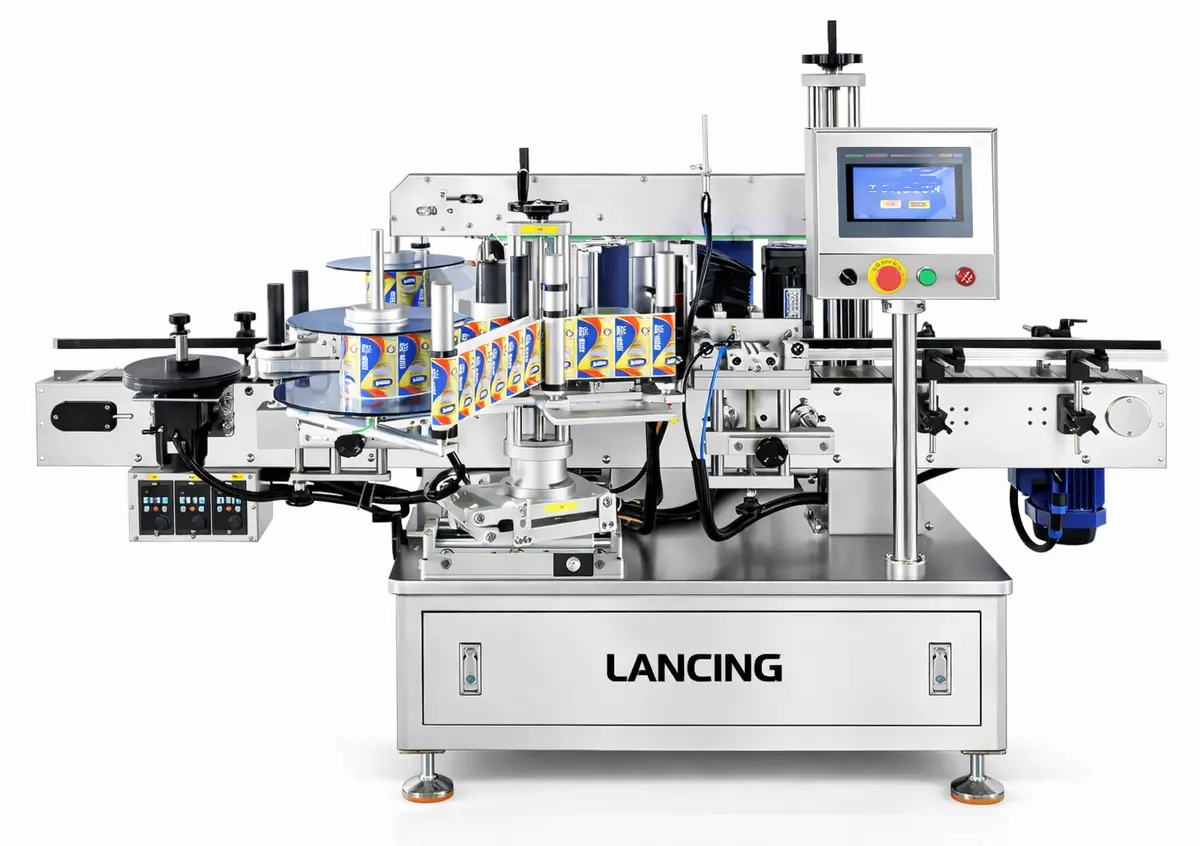
Packaging automation applications by sector.
Different products need different handling, filling accuracy, closure control, labelling orientation and line layout. These industry pages give buyers a clear route into the right machinery family.
Packaging applications by industry
Food and sauces
Machinery can be matched to pack format, output target, hygiene expectations, changeover frequency and available footprint.
Beverages
Machinery can be matched to pack format, output target, hygiene expectations, changeover frequency and available footprint.
Cosmetics and toiletries
Machinery can be matched to pack format, output target, hygiene expectations, changeover frequency and available footprint.
Chemicals and detergents
Machinery can be matched to pack format, output target, hygiene expectations, changeover frequency and available footprint.
E-liquid and small bottle filling
Machinery can be matched to pack format, output target, hygiene expectations, changeover frequency and available footprint.
Pharmaceutical-style clean packing
Machinery can be matched to pack format, output target, hygiene expectations, changeover frequency and available footprint.
Contract packing
Machinery can be matched to pack format, output target, hygiene expectations, changeover frequency and available footprint.
Pet care and household products
Machinery can be matched to pack format, output target, hygiene expectations, changeover frequency and available footprint.
Industrial fluids
Machinery can be matched to pack format, output target, hygiene expectations, changeover frequency and available footprint.
Powders, granules and dry goods
Machinery can be matched to pack format, output target, hygiene expectations, changeover frequency and available footprint.
Brewery and distillery packaging
Machinery can be matched to pack format, output target, hygiene expectations, changeover frequency and available footprint.
Start-up and pilot production
Machinery can be matched to pack format, output target, hygiene expectations, changeover frequency and available footprint.
Specify from the product and pack, not from an industry label alone.
Industry context matters, but the most useful selection evidence is the behaviour of the real product, packaging components and production environment.
Product risk
Flow, viscosity, foaming, dust, particulates, temperature, solvent content and cleaning requirements affect the dosing or handling principle.
Pack risk
Container stiffness, centre of gravity, neck finish, closure, label panel, film structure and seal area affect stability and repeatability.
Process risk
Operator loading, upstream variation, accumulation, inspection, washdown, batch traceability and changeover frequency affect the complete cell.
Evidence to include in an industry application review
| Representative production materials | Use the actual product and current packaging components where possible, not visually similar substitutes. |
|---|---|
| Environmental conditions | Record temperature, humidity, dust, washdown, ventilation and hazardous-area constraints that can influence equipment choice. |
| Quality checks | State what must be observed or measured after filling, closing, sealing, coding or labelling. |
| Cleaning and changeover | Explain the required cleaning method, allergen or cross-contamination concerns and frequency of format changes. |
| Growth route | Identify whether the requirement is for pilot work, flexible batches, a dedicated line or staged automation. |
Prepare a useful machinery enquiry
Send product and packaging samples together with the current process and required outcome. The review can then focus on the engineering risks specific to the application.
Adapt packaging automation to the production context as well as the product.
Food, beverage, cosmetics, chemicals and contract packing projects can use similar machinery categories while requiring different controls for cleaning, components, campaigns, traceability and operator work.
Product and process risk
Supply current product information and identify foam, dust, fragility, contamination, settling, temperature or cleaning conditions that affect equipment selection.
Pack and customer requirements
Define component ownership, artwork, codes, quality checks and the natural variation the line must handle rather than relying on an ideal sample.
Production operating model
Include batch size, format mix, line clearance, staffing, approval and record-keeping so the automation route supports the actual business.
Information to prepare
- Product handling and safety information.
- Customer-owned component and artwork controls.
- Batch pattern and change sequence.
- Cleaning, line-clearance and traceability needs.
- Representative quality and acceptance checks.
Continue from this page
Use the most relevant next step to move from initial selection towards a defined, testable project.
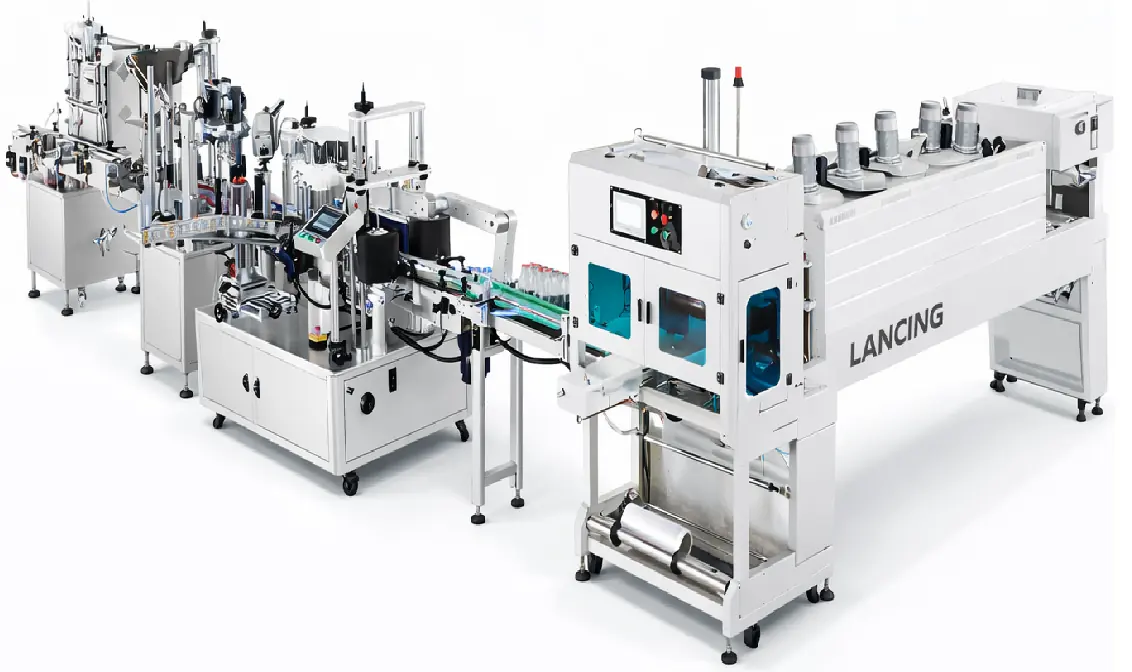
Automation for contract packers
Plan flexible multi-customer equipment, controlled job intake and repeatable changeover.
Product and pack sample trials
Use representative materials to prove application assumptions before quotation.
Changeover, cleaning and maintenance
Assess the operational work around every production campaign.
Application-specific machinery guidance
Review product behaviour, pack format, cleaning and integration requirements for the application before selecting a machine category.