Semi-automatic packaging machines UK
Semi-automatic packaging machines suit small batch, pilot scale and growing production lines where operators still load containers, closures or labels but the critical process needs better repeatability.
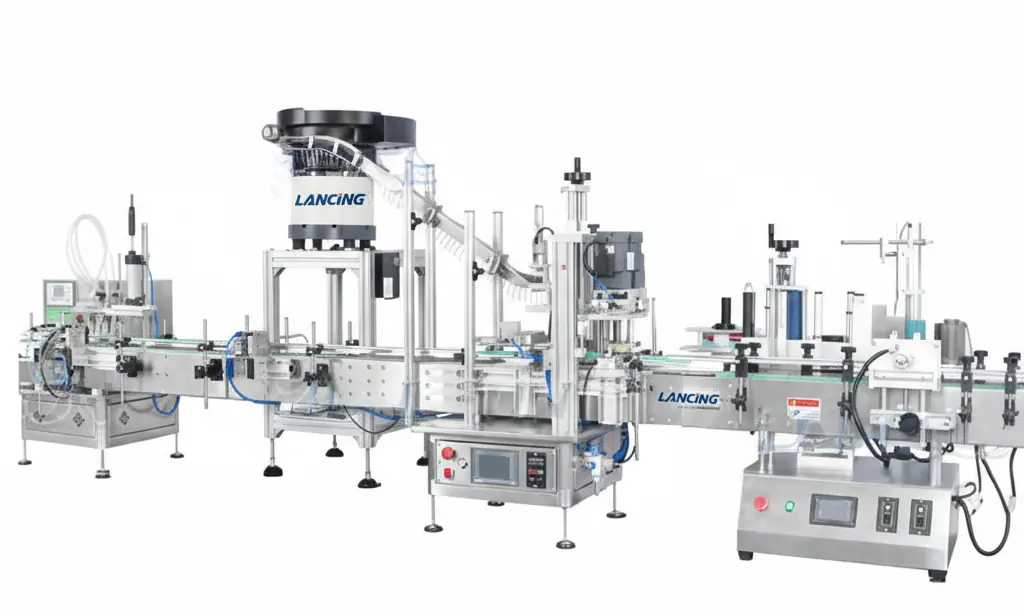
How to specify semi-automatic packaging machinery.
Use these points to prepare a stronger machinery enquiry and narrow the equipment range before quotation.
Best-fit applications
Semi-automatic packaging machines UK are most useful when the machine format is matched to the product, pack and operator process rather than chosen from headline speed alone.
- start-up and scale-up production where full line automation is not yet justified
- short runs with frequent product, label or container changeovers
- manual lines that need controlled filling, capping, sealing or labelling
Details to confirm before selection
Accurate specification starts with samples, real production targets and a clear view of what happens before and after this process.
- batch size, daily volume and expected growth over the next 12 months
- operator tasks before and after the machine
- changeover time, cleaning route and parts that contact the product
Build a practical enquiry
Send product details, filled and empty pack samples, photos or videos of the current process, expected output and any site restrictions. This helps identify whether a standard machine, tooling change or integrated line is the correct route.
- Include product and pack photos where possible.
- State current output, target output and operator involvement.
- Confirm whether the requirement is standalone equipment or line integration.
Semi-automatic packaging machines UK FAQs
Is semi-automatic machinery suitable for low volume production?
Yes. It is often the most cost-effective way to improve consistency before moving to conveyor-fed automation.
Can semi-automatic equipment be upgraded later?
Many projects can be upgraded with conveyors, feeding systems or automatic labelling once throughput justifies it.
What should I avoid?
Avoid choosing only on quoted speed; operator loading, pack handling and cleaning time often control real output.
Continue comparing suitable options.
Use these related pages to narrow the machinery type and prepare a more accurate enquiry.
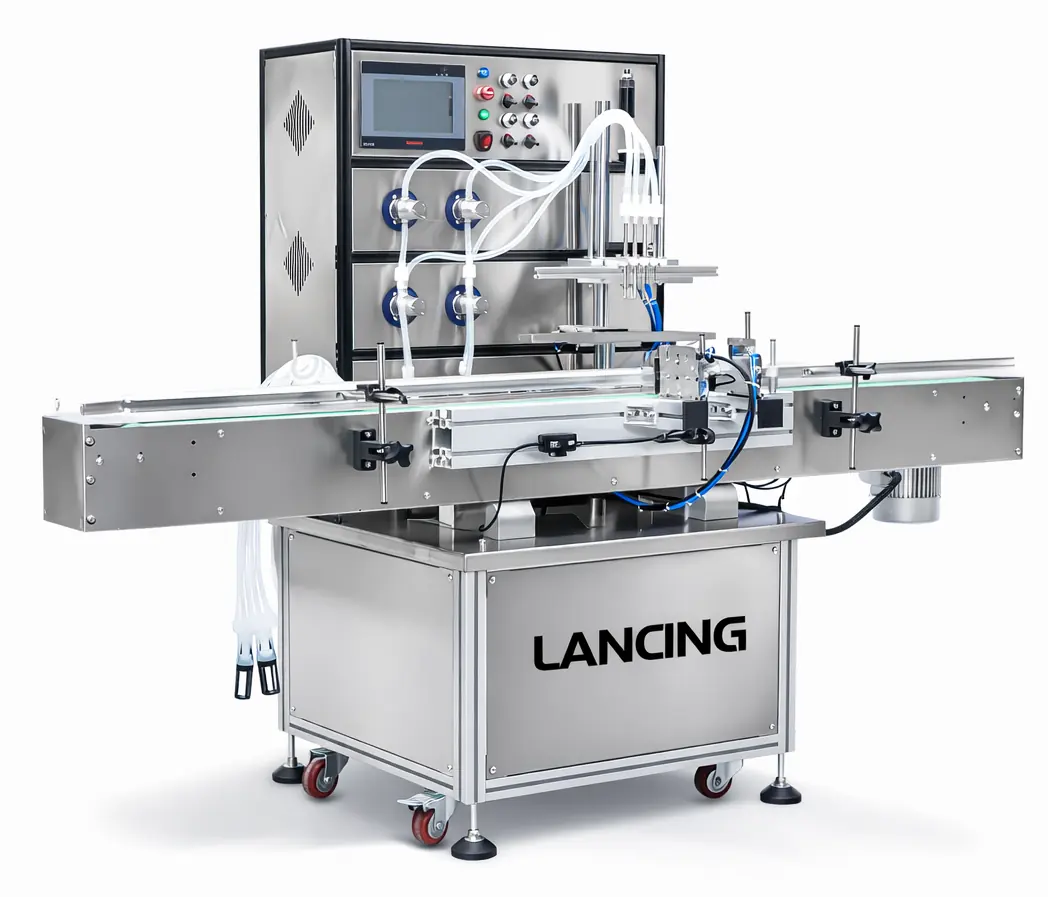
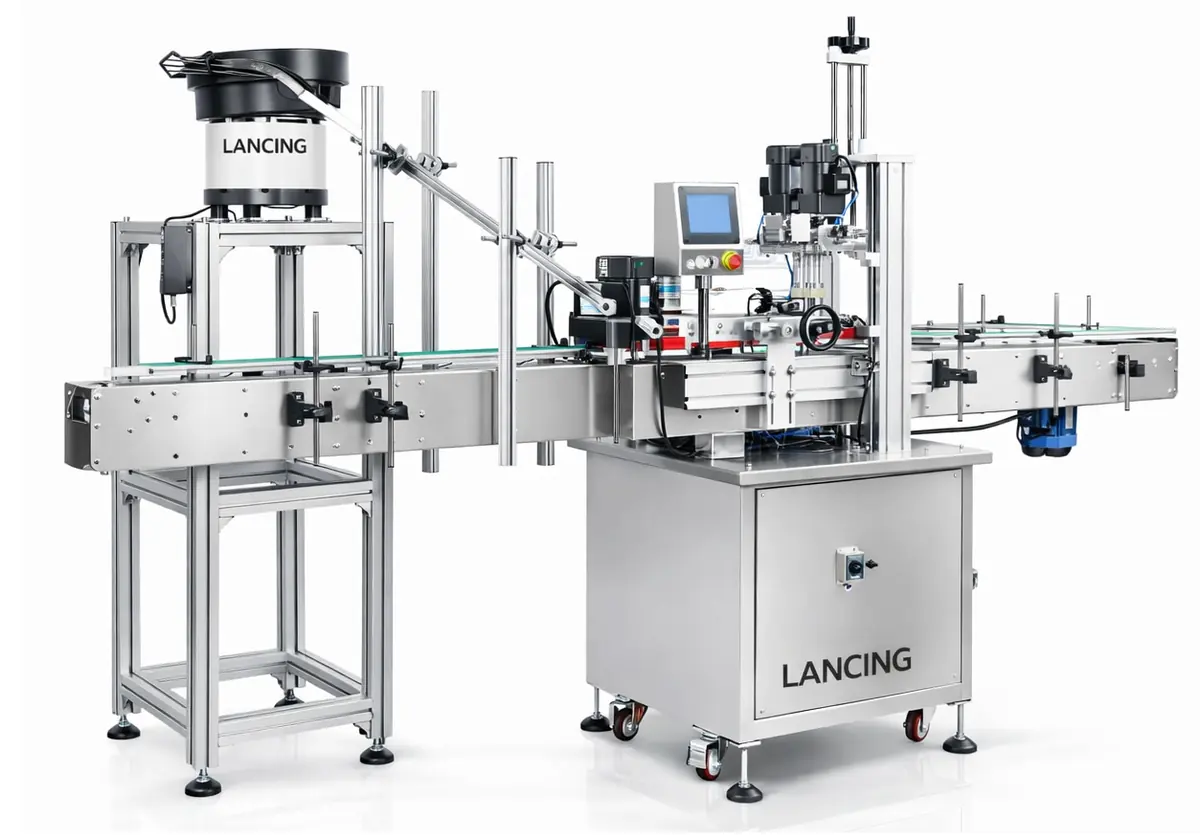
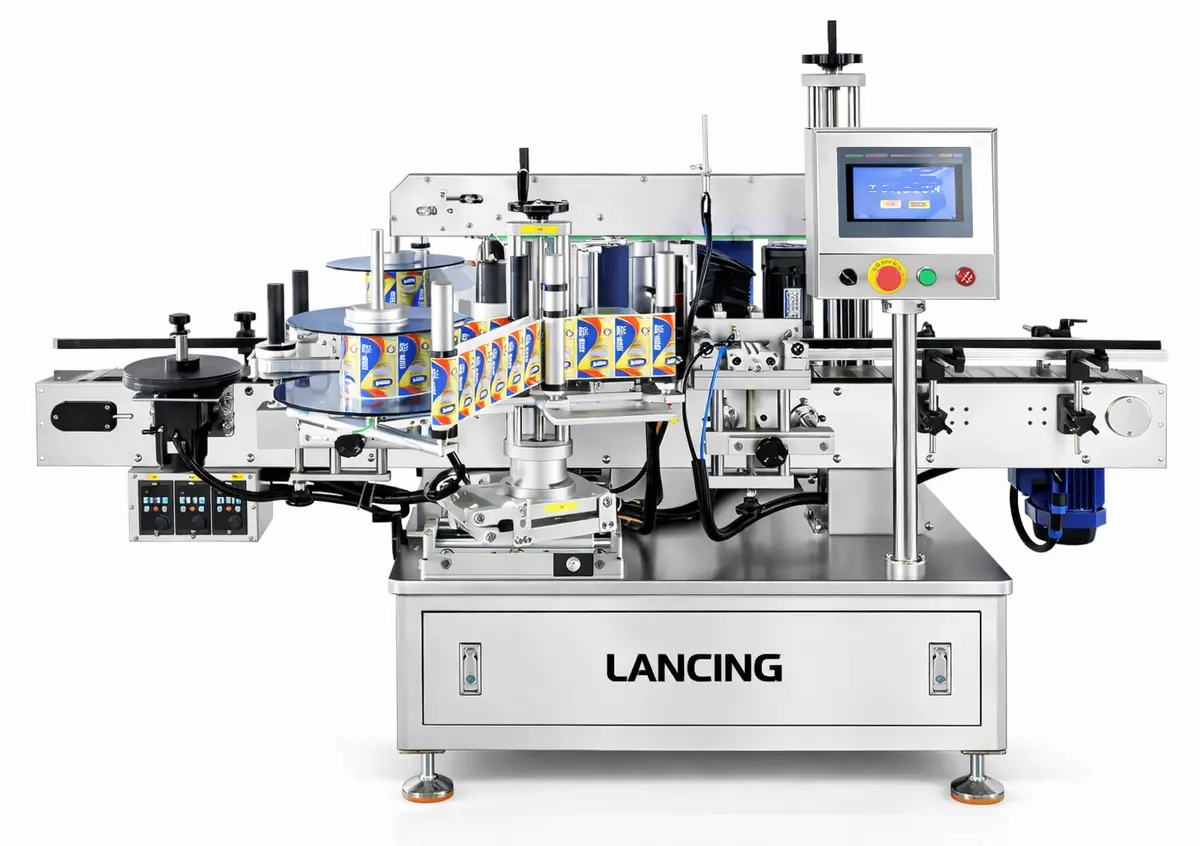
Use operator involvement where it adds flexibility without sacrificing control.
Semi-automatic equipment can suit varied batches, difficult-to-feed components or staged growth, provided the operator method is designed and repeatable.
Define the operator cycle
Loading, alignment, triggering, unloading and quality checks should be practical at the required batch pattern.
Control ergonomics and access
Working height, reach, component presentation and the handling of filled packs affect safe, consistent operation.
Prepare for future connection
Container discharge, machine height, controls and guarding can be reviewed so the equipment fits a later production cell where appropriate.
Selection evidence
| Batch pattern | Typical and maximum batch, format mix and changeover frequency. |
|---|---|
| Operator tasks | What is loaded, positioned, actuated, checked and removed each cycle? |
| Quality control | How does the operator verify fill, closure, seal or label condition? |
| Workplace | Bench or floor space, working height, services, material storage and waste route. |
| Growth route | Which upstream or downstream process may be connected later? |
Semi-automatic machinery questions.
Output depends on both the machine cycle and the sustainable operator method, so the complete task should be observed.
Is semi-automatic equipment only for start-ups?
No. It can be appropriate for established manufacturers running short batches, specialist formats or products that remain impractical to feed automatically.
How should output be assessed?
Include loading, alignment, actuation, unloading, quality checks and replenishment, not only the powered machine cycle.
Can several formats share one machine?
Potentially, but adjustment range, change parts, operator method and sample compatibility should be confirmed.
What improves repeatability?
Fixtures, guides, sensors, controlled recipes and clear work instructions can reduce dependence on individual technique.
Can a semi-automatic machine be integrated later?
Some machines can be adapted or placed in a connected cell, but this should be reviewed before purchase rather than assumed.
What should be included in training?
Approved setup, safe operation, quality checks, cleaning, changeover, fault response and the route for support.
Prepare a useful machinery enquiry
Send the batch pattern, operator task and pack samples so the practical cycle can be considered alongside the machine.