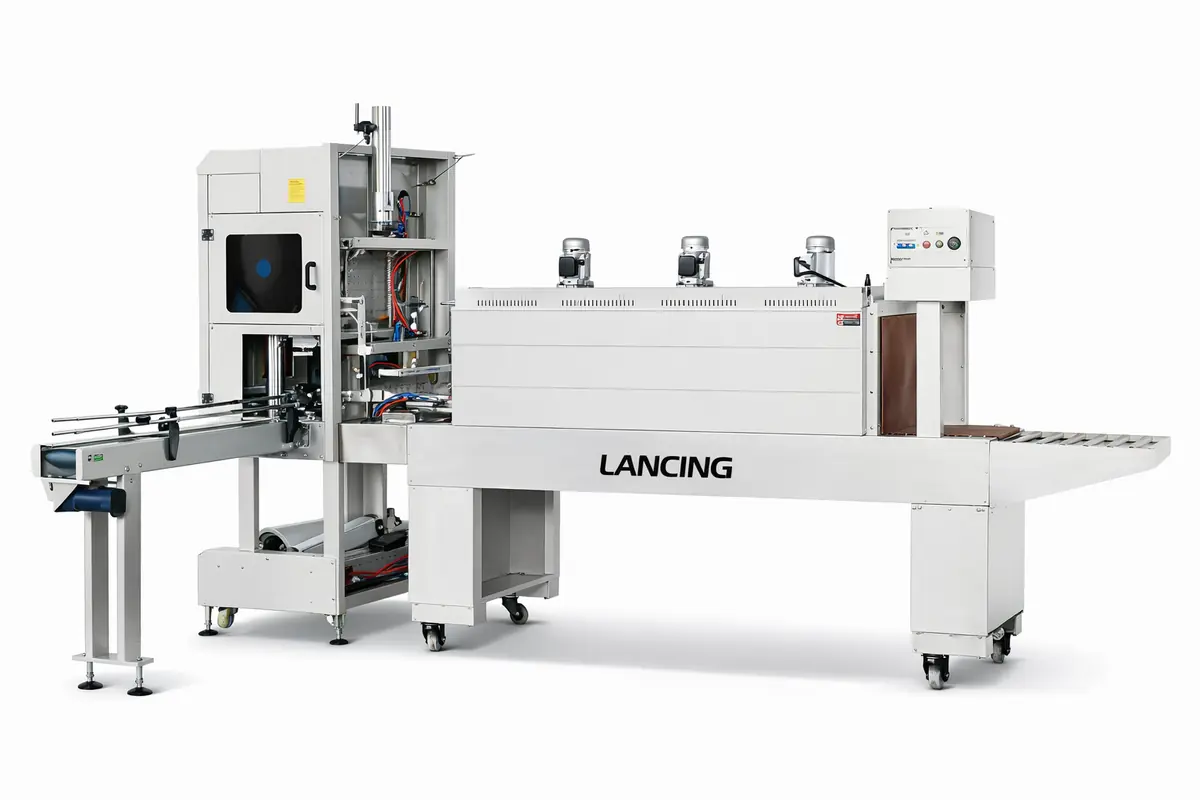
Shrinkwrapping Machinery for packaging automation projects.
Shrink tunnels, sleeve applicators, L-sealers, chamber sealers and tamper-evident shrink solutions.
How this range is specified
The best machine configuration depends on product behaviour, container format, required speed, accuracy, utilities and integration requirements.
- Confirm product and pack samples before final selection.
- Review throughput expectations and operator involvement.
- Consider upstream feeding, downstream coding and conveyor transfer.
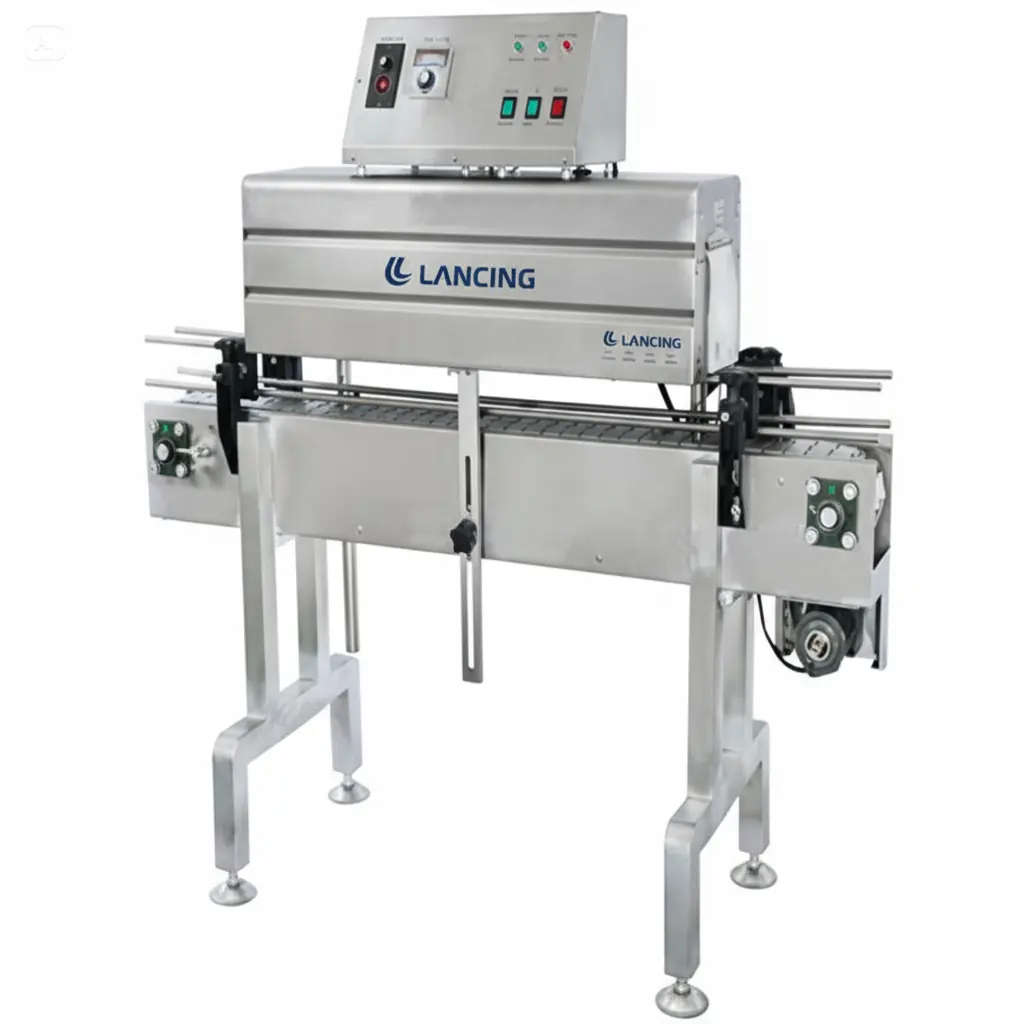
What is shrinkwrapping machinery used for?
Shrinkwrapping Machinery is used to automate the relevant packaging operation as part of a standalone cell or integrated production line.
How do I specify shrinkwrapping machinery?
Prepare product details, pack dimensions, target output, utilities, changeover needs and any site constraints before requesting a proposal.
Can this equipment be integrated into a line?
Yes. Most projects can be combined with conveyors, coding, inspection, accumulation and end-of-line packing depending on the product and required throughput.
the film or sleeve, heat process and pack response.
Shrink results depend on the material, applied heat, exposure time, airflow and the way the container or product responds through the tunnel or sealing cycle.
Define the shrink material
Film or sleeve type, thickness, shrink direction and print position affect application and finished appearance.
Control heat exposure
Temperature alone is not the full setting; conveyor speed, airflow, tunnel geometry and pack spacing influence the heat delivered.
Protect the product and pack
Heat-sensitive products, thin containers, caps and labels may require trials to establish a safe processing window.
Information to confirm before configuration
| Material sample | Provide the intended film or sleeve with supplier data where available. |
|---|---|
| Pack condition | Test the real filled or empty condition that will be used in production. |
| Finished standard | Supply an approved example or describe coverage, seam, wrinkle and tamper-evidence expectations. |
| Line rate | State the spacing and arrival pattern, not only the number of packs required over an hour. |
| Utilities and ventilation | Confirm electrical supply, available space and any extraction or heat-management requirements. |
Questions to resolve before selecting the film or sleeve, heat process and pack response.
Answers depend on the real product, packaging components and operating conditions; representative samples should be used wherever practical.
Can tunnel settings be transferred between films?
Not reliably. Film structure and thickness can change shrink response, so settings should be confirmed for the approved material.
Why does pack spacing matter?
Spacing affects airflow and heat exposure; closely grouped packs can shield one another or change tunnel loading.
Can heat damage the container or product?
Potentially. Heat-sensitive components should be trialled in the production condition before settings are approved.
What should be checked after shrinking?
Inspect coverage, wrinkles, seam condition, distortion, print position and any tamper-evident function required.
Can shrink equipment run inline?
Yes, provided the applicator or sealer, conveyor height, spacing, tunnel speed and downstream cooling or handling are coordinated.
Prepare a useful machinery enquiry
Send representative materials, the required output and details of any connected machinery. Lancing can then review the most suitable configuration and identify further tests or data needed.
Match film, collation, seal and heat exposure to the finished pack.
Shrink wrapping quality depends on how the product is presented, where the film is sealed, how heat reaches the pack and how the pack is supported while the film recovers.
Define the pack or collation
Record dimensions, weight, stability, heat sensitivity, sharp edges and whether several units must remain aligned through sealing and shrink.
Use representative film
Confirm material, thickness, width, fold, perforation and winding. Film behaviour can change seal formation, shrink force and finished appearance.
Plan heat and discharge
Review tunnel access, ventilation, cooling, hot surfaces, conveyor support and downstream collection or case packing.
Information to prepare
- Representative individual products or collations.
- Proposed film and finished-pack requirement.
- Pack dimensions, weight and heat sensitivity.
- Current and target production pattern.
- Infeed, cooling, discharge and downstream packing arrangement.
Continue from this page
Use the most relevant next step to move from initial selection towards a defined, testable project.
Shrink pack and film trials
Observe seal integrity, film recovery, product movement and finished presentation.
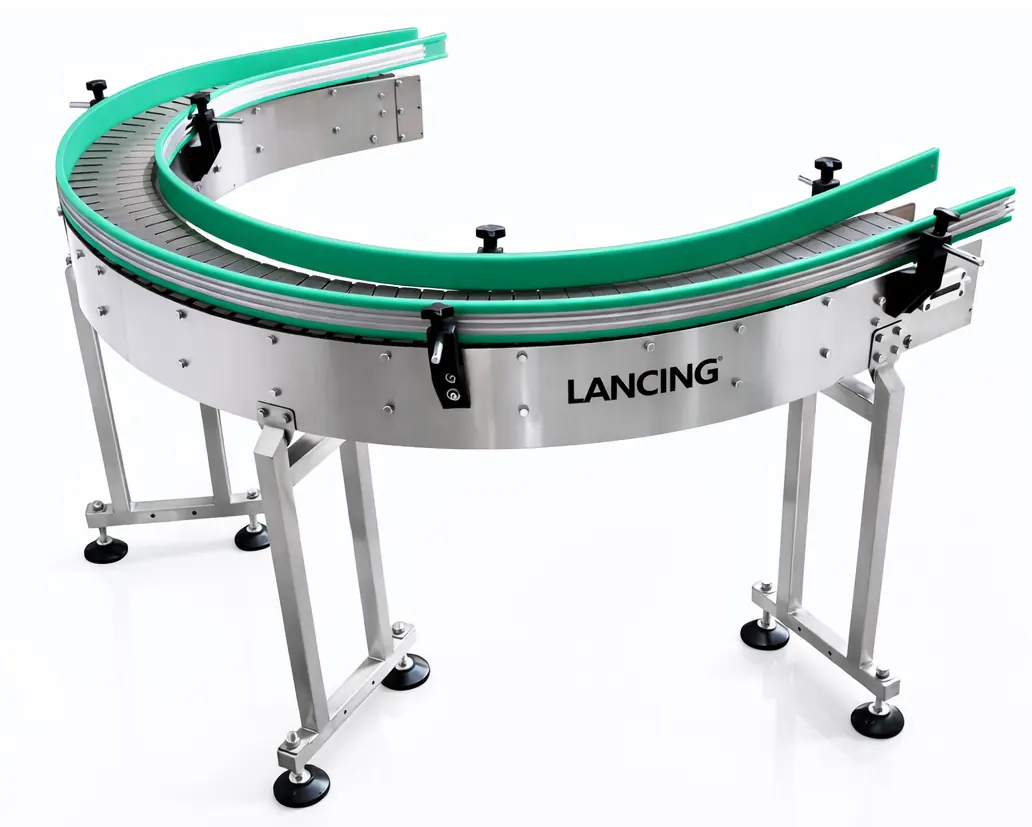
Shrink equipment site readiness
Prepare power, ventilation, access, conveyor interfaces and safe hot-area operation.
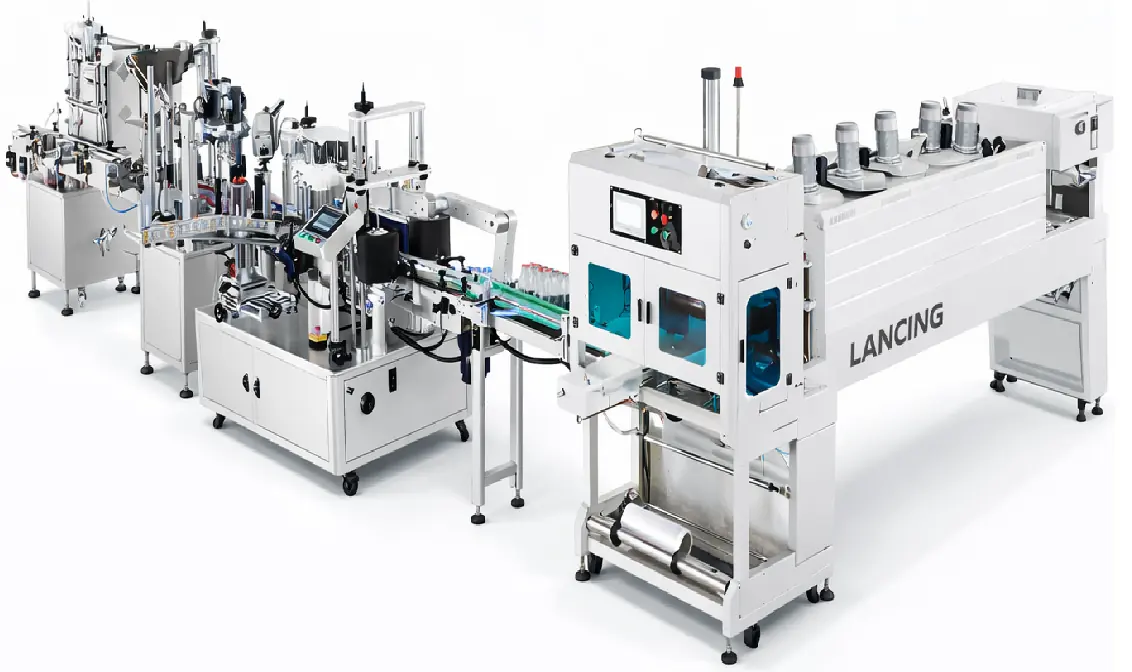
Machinery safety and compliance
Plan guarded access, hot surfaces, isolation and competent site assessment.
Selection and application guidance
Continue with the most relevant technical guide to compare equipment, prepare representative samples and define the line interfaces that affect final selection.
Define the product group, film, heat process and transfer conditions.
Shrink results depend on film, product stability, spacing, seal formation, tunnel conditions and cooling. Record the approved format, line states and acceptance checks rather than relying on one nominal tunnel setting.