UK packaging automation projects01494 623015sales@lancinguk.com
Integration guide

Packaging machinery integration UK

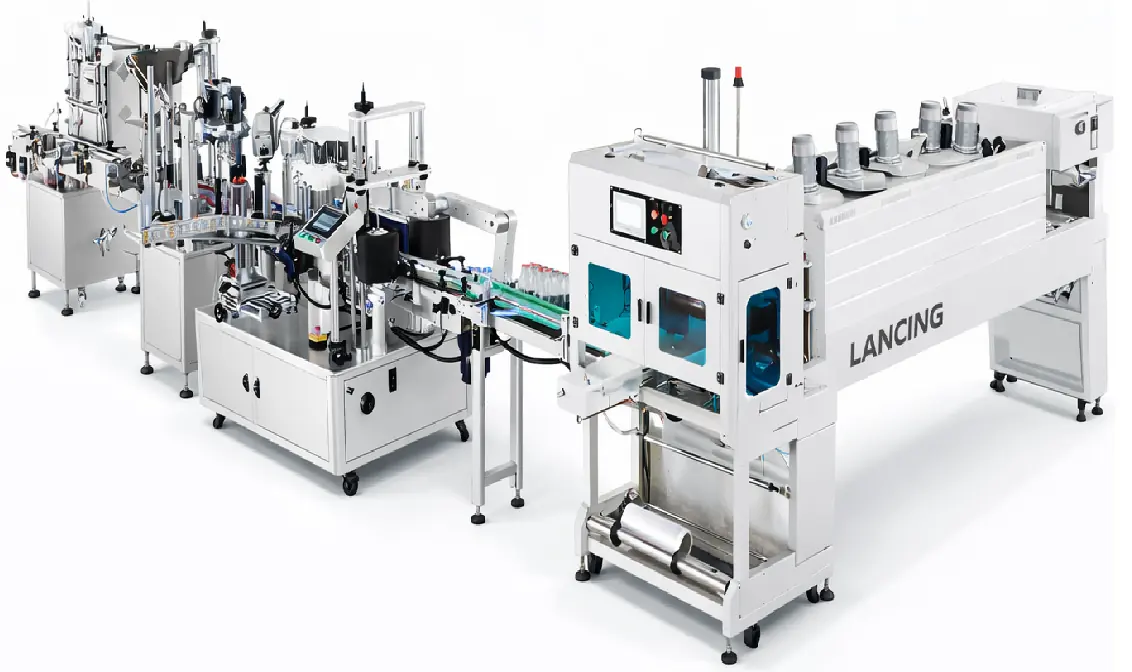
Packaging machinery integration is about making individual machines work together reliably. The key issues are conveyor transfer, pack orientation, controls, guarding, speed matching and operator access.

Packaging machinery integration UK
Buyer information

How to specify packaging machinery integration.

Use these points to prepare a stronger machinery enquiry and narrow the equipment range before quotation.

Best-fit applications

Packaging machinery integration UK are most useful when the machine format is matched to the product, pack and operator process rather than chosen from headline speed alone.

  • linking a filler to an automatic capper and labeller
  • adding conveyors, coding or accumulation to existing machinery
  • upgrading semi-automatic equipment into a more complete production cell

Details to confirm before selection

Accurate specification starts with samples, real production targets and a clear view of what happens before and after this process.

  • infeed and outfeed heights for each machine
  • pack spacing, orientation and stability at transfers
  • control signals, stop/start logic, guarding and emergency stop zones

Build a practical enquiry

Send product details, filled and empty pack samples, photos or videos of the current process, expected output and any site restrictions. This helps identify whether a standard machine, tooling change or integrated line is the correct route.

  • Include product and pack photos where possible.
  • State current output, target output and operator involvement.
  • Confirm whether the requirement is standalone equipment or line integration.
Common questions

Packaging machinery integration UK FAQs

What causes integration problems?

Most issues come from unstable containers, insufficient accumulation, mismatched conveyor heights or process speeds that do not balance.

Can mixed brands be integrated?

Sometimes, but electrical interfaces, guarding requirements and mechanical transfer points must be reviewed.

What makes a good enquiry?

Include photos of existing machines, video of the current process, pack samples and target output.

Integration engineering

Design the interfaces before separate machines arrive on the production floor.

Packaging machinery integration coordinates physical transfers, line control, safety, operator access and the response to normal stops or faults.

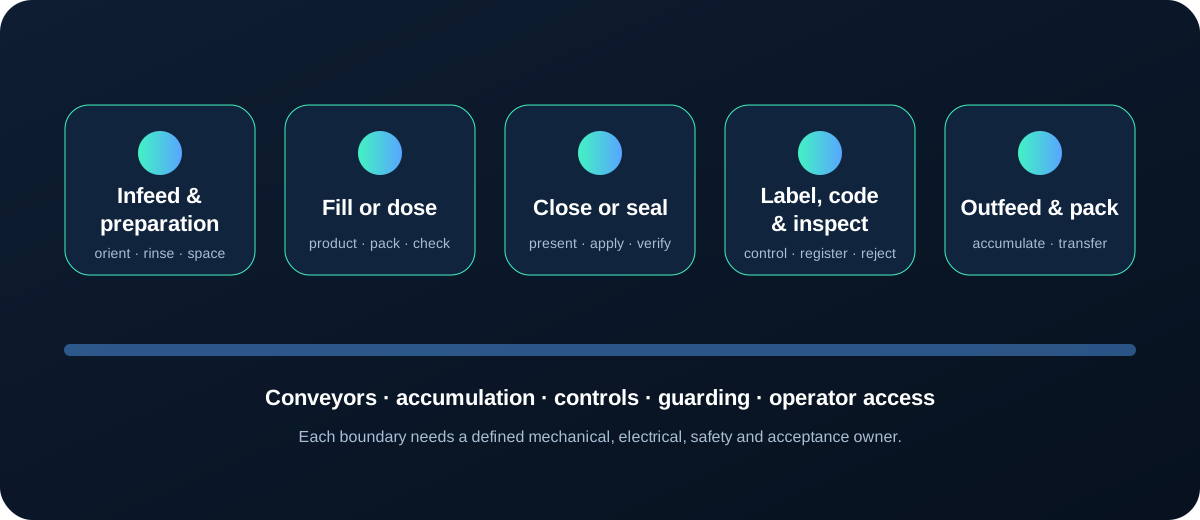
Packaging automation project flow from infeed through filling, closing, labelling, inspection and outfeed

Five interface layers

  • Product and packaging-component supply to each process.
  • Mechanical transfer, height, pitch, guides and accumulation.
  • Electrical run, ready, starve, block, fault and reset signals.
  • Guarding, access, emergency-stop and safe intervention boundaries.
  • Operator ownership for start-up, changeover, recovery and quality checks.
Controls and acceptance

Make line behaviour testable, not implied.

A line can meet individual machine checks yet still lose output or create damage at the interfaces. The test plan should therefore include connected operation.

Interface schedule

MechanicalDatum, conveyor height, transfer gap, guide range and pack condition.
ThroughputNormal rate, pitch, buffer purpose and response to upstream or downstream stops.
ControlsSignal direction, state, timing, fault message and restart behaviour.
SafetyGuarding boundary, access request, emergency stop and reset ownership.
DocumentationApproved layout, interface list, software or settings responsibility and change record.

Connected acceptance checks

  • Run the agreed product and pack formats through every included process.
  • Observe starve, block, controlled stop and restart behaviour.
  • Check transfer stability and accumulation at expected line conditions.
  • Confirm reject or fault handling without uncontrolled pack build-up.
  • Record interventions, settings and any changes against the approved scope.
Buyer questions

Packaging integration questions to settle early.

The project should identify an owner for every boundary; otherwise responsibility can fall between separate equipment packages.

Who should own the overall line rate?

The project brief should name the party responsible for balancing the connected line and define how the rate will be demonstrated.

What is starve and block control?

It is the coordinated response when a machine lacks incoming product or cannot discharge because downstream equipment is unavailable.

When is accumulation useful?

When it absorbs a defined interruption, supports a process with different cycle behaviour or allows controlled recovery without damaging packs.

Why are interface heights not enough?

Height is only one part of a transfer. Gap, speed, support, guides, pack geometry and control timing also matter.

What should be included in connected testing?

Use agreed materials and formats to test normal running, stops, fault recovery, accumulation and the quality condition after each process.

How are later changes controlled?

Reassess interfaces and acceptance evidence when a product, pack, rate, layout or connected machine changes.

Prepare a useful machinery enquiry

Provide the existing layout, machine list, pack samples and expected control boundary. Lancing can help identify the interfaces that require definition.

Interface schedule

Define every packaging-line interface before connected testing begins.

An interface schedule turns general integration statements into named mechanical, electrical, control and operating responsibilities. It should be controlled alongside the layout and acceptance plan.

Mechanical transferRecord working heights, transfer gaps, conveyor speed relationship, guides, support under the pack and the condition in which it arrives and leaves.
Process and capacity relationshipDescribe realistic cycle behaviour, replenishment, temporary stops and the event that any accumulation is intended to absorb.
Control states and signalsAgree ready, run, starved, blocked, fault, reset and emergency responses, including which machine initiates or releases each state.
Guarding and safety boundaryIdentify shared openings, access points, interlocks, emergency-stop interfaces and the party responsible for the final connected safety arrangement.
Inspection, reject and reworkDefine what is checked, where a non-conforming pack is diverted, how rejects are contained and what evidence is retained before rework.
Utilities and dataRecord electrical, pneumatic, extraction, network, encoder, sensor or production-data connections at the agreed boundary.
Ownership and evidenceName the party that supplies drawings, attends tests, corrects each interface and approves the connected result.
Integration review pack

Bring the layout, state logic and test method into one controlled review.

Separate drawings and machine manuals are not enough when assumptions conflict. The review pack should show the complete process sequence and the evidence needed to close each interface.

Physical flow

Approved layout, line direction, pack pitch, working heights, accumulation purpose, operator positions, access and maintenance clearances.

Control behaviour

A simple state description for normal running, low material, starve, block, fault, reject, controlled stop and restart.

Connected acceptance

Representative formats and materials, test sequence, observations, permitted interventions, open-action control and authorised witnesses.

Integration control

Use a controlled interface schedule across every machinery boundary.

Integration is the work needed to make separate processes behave as a dependable line. It includes physical transfer, blocked and starved states, safety boundaries, utilities, coding, inspection, rejects and operator recovery.

Define product hand-offs

Record orientation, spacing, stability, conveyor height and acceptable condition at every transfer between suppliers or machines.

Write line-state behaviour

Agree ready, running, blocked, starved, fault, access and restart responses before the final controls work is tested.

Assign every boundary

Identify responsibility for conveyors, guards, sensors, cables, software, third-party attendance and validation rather than leaving interface work implicit.

Information to prepare

  • Approved layout and process flow.
  • Survey information for every retained machine.
  • Mechanical, controls and safety-interface owners.
  • Coding, inspection and reject requirements.
  • Factory and site interface tests.
Line integration questions

Questions about connecting machines into a reliable packaging line.

Integration performance is governed by transfers, accumulation, controls and fault behaviour as much as by individual machine cycle rates.

How are machines from different suppliers connected into one line?

Machines from different suppliers are connected through agreed mechanical transfer heights, conveyor interfaces, product spacing, electrical signals, control states, guarding boundaries and acceptance responsibilities. An interface schedule should identify what each machine sends, receives and does when the neighbouring process is starved, blocked, stopped or faulted.

How is line control handled when one machine stops?

A connected line should define controlled reactions for normal stop, fault, emergency stop, starved and blocked conditions. Depending on the process, upstream equipment may pause immediately or use available accumulation while downstream equipment clears. Restart rules should prevent sudden release, lost product tracking or unsafe automatic movement.

What causes containers to become unstable between machines?

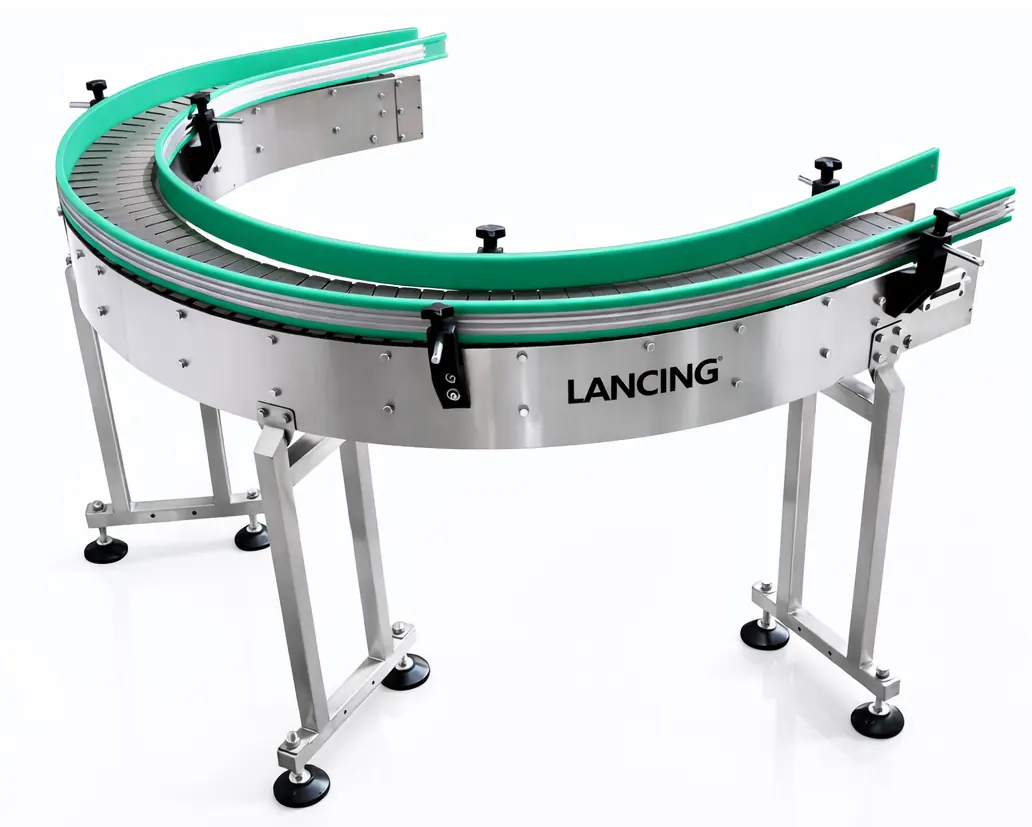
Containers can become unstable because of abrupt speed changes, excessive guide pressure, unsupported bases, poor belt transitions, high centres of gravity, liquid movement, unsuitable curves or contact with sensors and stops. Transfer trials should use the lightest, fullest and least stable formats, not only the easiest pack.

When is accumulation needed?

Accumulation is useful when short interruptions occur at different parts of the line and packs can wait safely without damage, contamination, loss of orientation or excessive residence time. It does not correct a persistent capacity shortfall. The required buffer depends on interruption frequency, recovery time, pack stability and available floor space.

Continue your packaging automation research

Use the related guidance below to compare the next decision, then send the actual product, pack and production information when you are ready to discuss a suitable machine or integrated line.

Information interfaces

Connect line states, recipes, coding and production records.

Physical integration and controls integration should be reviewed with the data needed to operate, verify and improve the packaging line.

Information layerIntegration questionDetailed guide
Line performanceWhich states, rates, counts and stop reasons are authoritative?OEE and downtime data
Product formatHow are physical change parts and electronic recipes kept aligned?Recipe and changeover management
Pack identityHow are job data, coding, verification, rejection and records connected?Coding and traceability integration
Integration governance

Control interfaces from concept through handover.

Integrated lines need named responsibility, test evidence and an operating handover as well as compatible machinery.

Build the responsibility matrix

Define battery limits across mechanical, electrical, controls, safety, utilities and data.

Prepare operator and engineer handover

Match practical training and records to each production and maintenance role.

Manage production ramp-up

Use controlled configuration, line data and action closure after commissioning.

CallContact