How should coding, verification and traceability be integrated into a packaging line?
Packaging-line coding and traceability should connect the approved job data, printer or marker, pack identity, verification result, reject action and production record. The integration must preserve the relationship between the physical pack and its data from job selection to the final accepted count, including controlled responses to unreadable or incorrect codes.
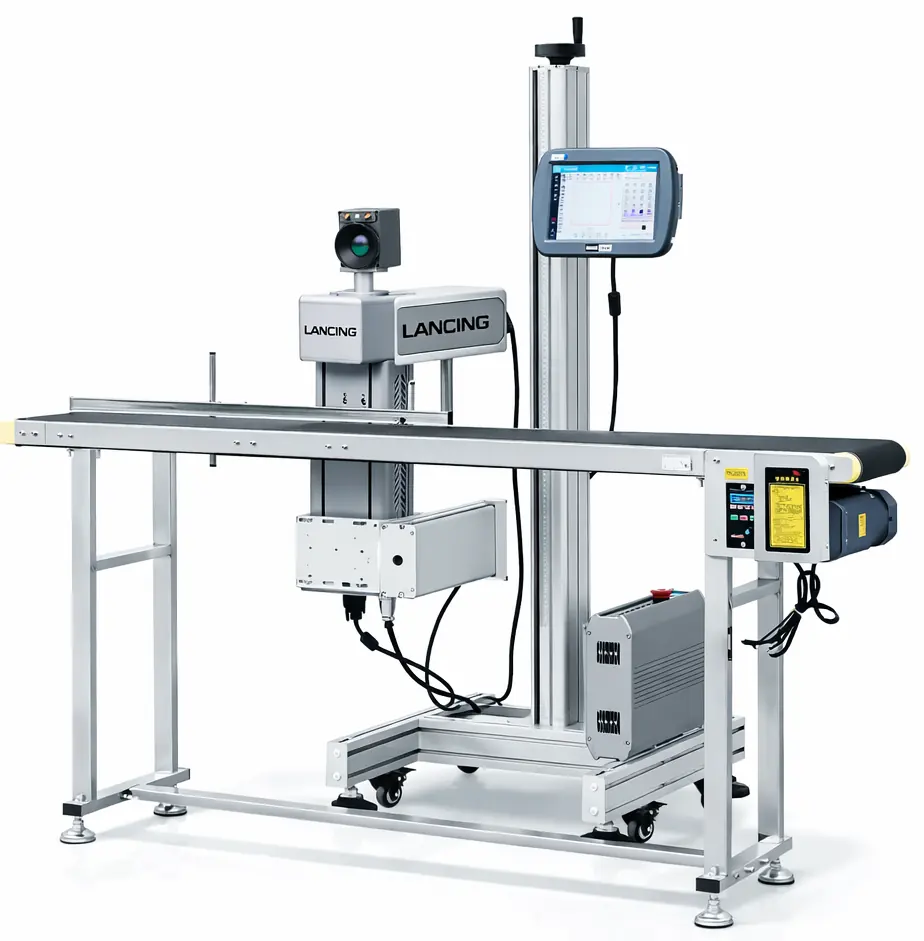
Treat coding as a sequence, not a standalone printer
A printer can produce the requested message while the wrong job, artwork, pack or position is running. A controlled system defines where the data originates, how the device is set, what is checked, how a failed pack is removed and which evidence is retained.
Source and authorise
Define the approved source of product, batch, date, barcode or serial data and who can create, select or change a job. Avoid retyping the same value independently at several devices.
Apply and verify
Confirm the coding technology, substrate, position, contrast and inspection method using final pack samples. Presence checking and content verification are different requirements.
Reject and record
Maintain pack identity between detection and reject, confirm the reject result where required, and define the count or record used to reconcile accepted and rejected packs.
Define each data and product hand-off
| Interface | Requirement to define |
|---|---|
| Job or recipe source | Authoritative data, approval, version, permissions and the identifier shared with each machine. |
| Printer or marker | Message fields, format, substrate, position, device status, consumables and response to unavailable equipment. |
| Pack trigger | Sensor position, encoder or line reference that links the print command to the correct physical pack. |
| Verification | Presence, readability, content, barcode or artwork criteria and the challenge samples used to prove the decision. |
| Reject handling | Tracking distance, reject device, confirmation, bin status, safe access and fail-safe line response. |
| Production record | Job, timestamps, good/reject counts, alarms, operator actions and retention required by the site's quality process. |
Confirm code position and quality on the final material
Print and barcode performance depends on the substrate, colour, surface finish, curvature, line movement, print distance and the position available on the pack. Use final or representative material at the expected line conditions. A good digital message does not prove that the physical code will be readable after sealing, handling or condensation.
GS1 UK publishes current barcode standards and best-practice resources through its Knowledge Hub. The applicable symbol, data content, position, print quality and verification method should be confirmed for the product, packaging and supply chain.
Keep product identity intact through the reject zone
The distance and number of packs between inspection and rejection determine how the control system tracks a failure. Slippage, accumulation, manual pack removal or a line restart can invalidate simple count-based tracking unless the design accounts for those conditions.
- Test consecutive failures and closely spaced packs.
- Challenge the system at start-up, stop and restart.
- Define the response to a full or missing reject container.
- Confirm whether rejection is automatic, line-stop or operator-managed.
- Reconcile the reject evidence with the final good-pack count.
Link coding and verification to the controlled packaging recipe
A format change may involve the product, container, label, artwork, printer message, barcode data, inspection target and reject timing. The change sequence should confirm that the previous components and data are cleared, the new job is authorised, each device has loaded the expected version and the first accepted packs have passed the required checks.
- Select the approved production job and physical packaging components.
- Distribute or verify the required data at each connected device.
- Complete line clearance and format setup.
- Produce and inspect controlled start-up samples.
- Release production only after the defined checks are accepted.
- Record later changes or overrides against the active job.
Questions about packaging coding and traceability integration
Where should a code reader be installed on a packaging line?
Install it where the required code is visible and stable, after the code has had the necessary time to form or dry, and before a reliable reject or line-stop action is still possible. The position must also support safe cleaning, adjustment and challenge testing.
What is the difference between code presence and code verification?
Presence checking confirms that a mark or printed region exists. Verification assesses defined properties such as readable content, expected characters, barcode data or quality. The required level depends on the production risk and quality process.
What should happen when a code is unreadable?
The agreed response may reject the affected pack, stop the line, alert an operator or hold production, but it must protect product identity and prevent unverified packs from being treated as accepted. The response and recovery method should be tested.
How can the wrong coding recipe be prevented?
Use an approved job source, restricted editing, version control and a positive check that the printer and inspection device have loaded the expected product data. Line clearance and start-up samples are still needed to confirm the physical pack matches the selected job.
Can coding and verification be retrofitted to an existing packaging line?
Often yes, subject to available space, pack presentation, guarding, conveyor control, reject tracking, signals and the existing job-data method. A survey should confirm the physical and controls interfaces before equipment is selected.
Connect coding to inspection, controls and label application
Use the related guides to define the data source, physical check and controlled response across the complete packaging line.
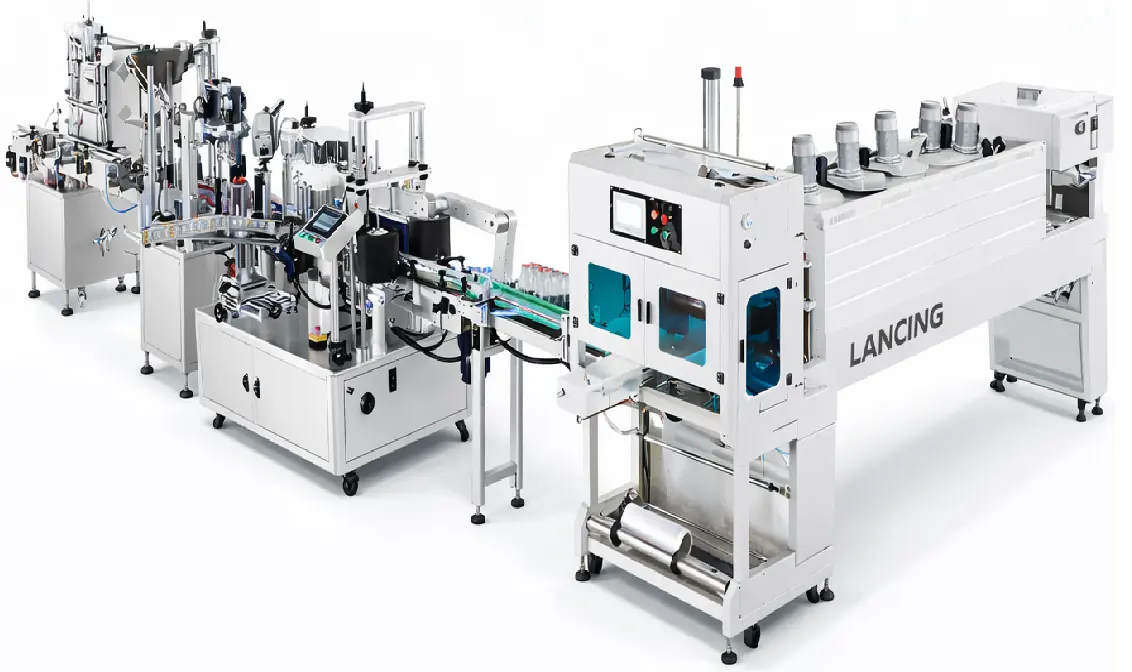
Inspection and reject planning
Define challenge samples, tracking, rejection and failure response.
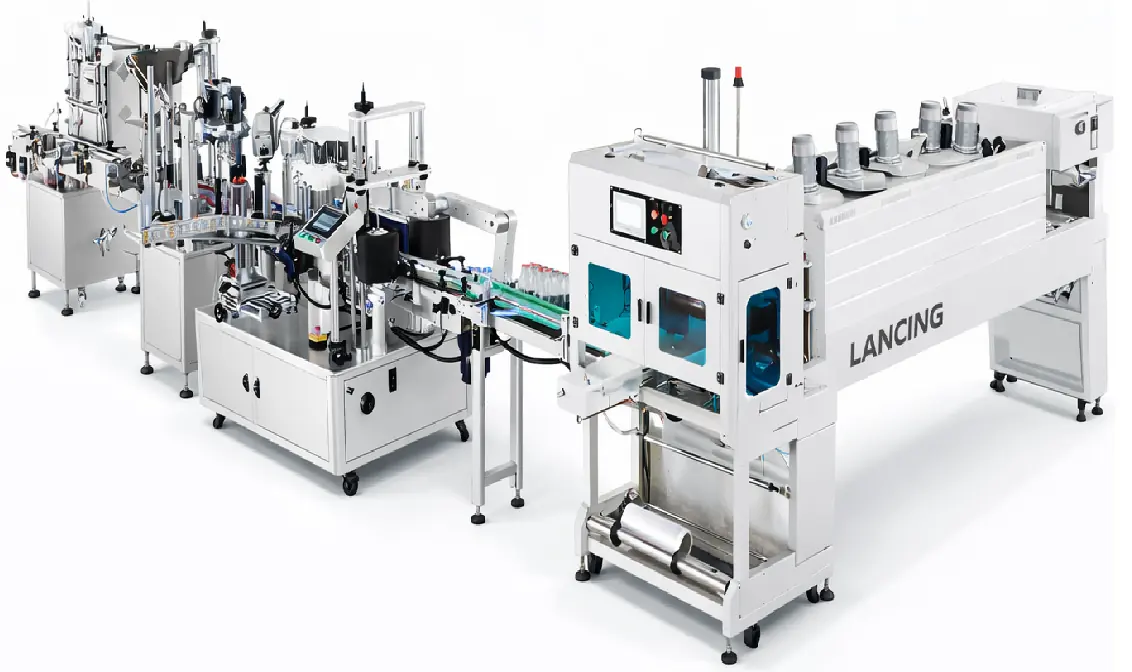
Controls integration
Agree line states, handshakes, data ownership and testable behaviour.
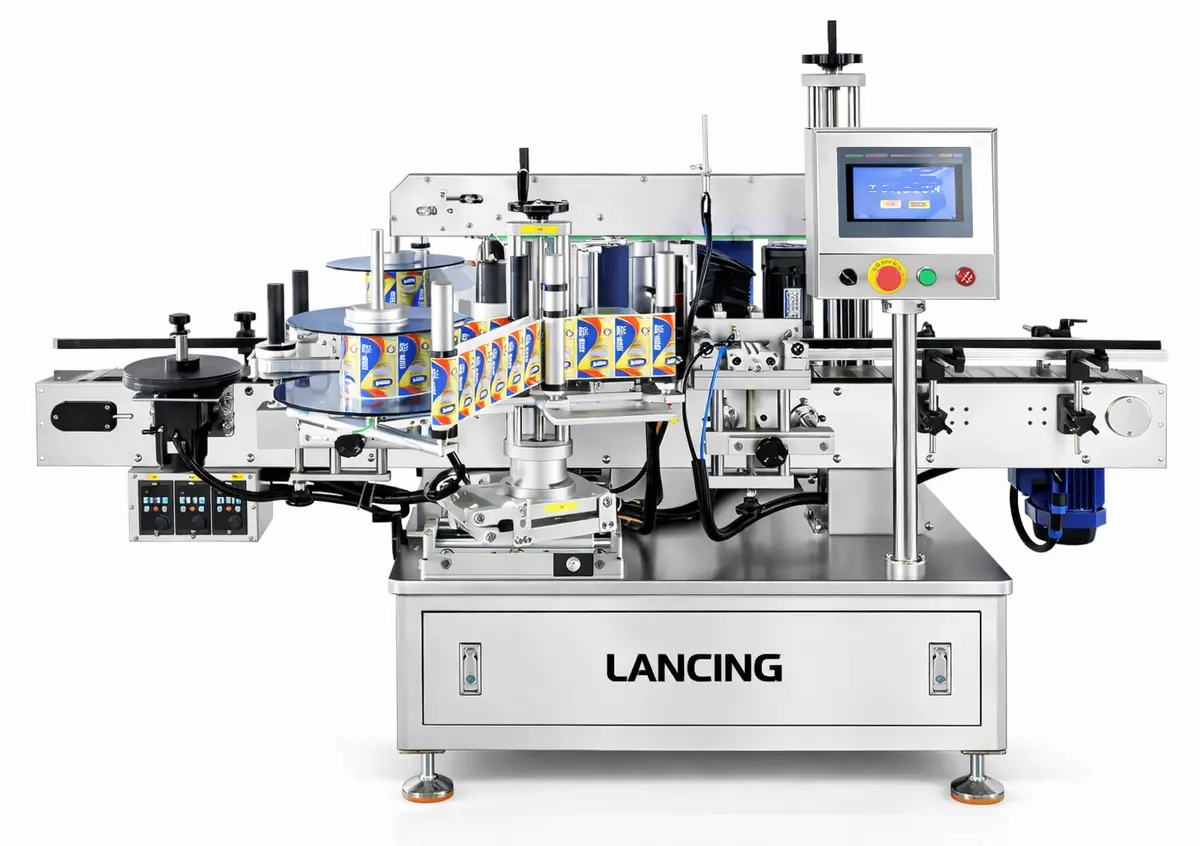
Print and apply labelling
Review automated label printing and application as part of the data chain.
Define the complete coding and verification loop
Send the pack samples, required data, current printers, line layout, product flow and quality response. Lancing can help identify the machinery and interface information needed for an integration review.