UK packaging automation projects01494 623015sales@lancinguk.com
Filling machinery buyer guide

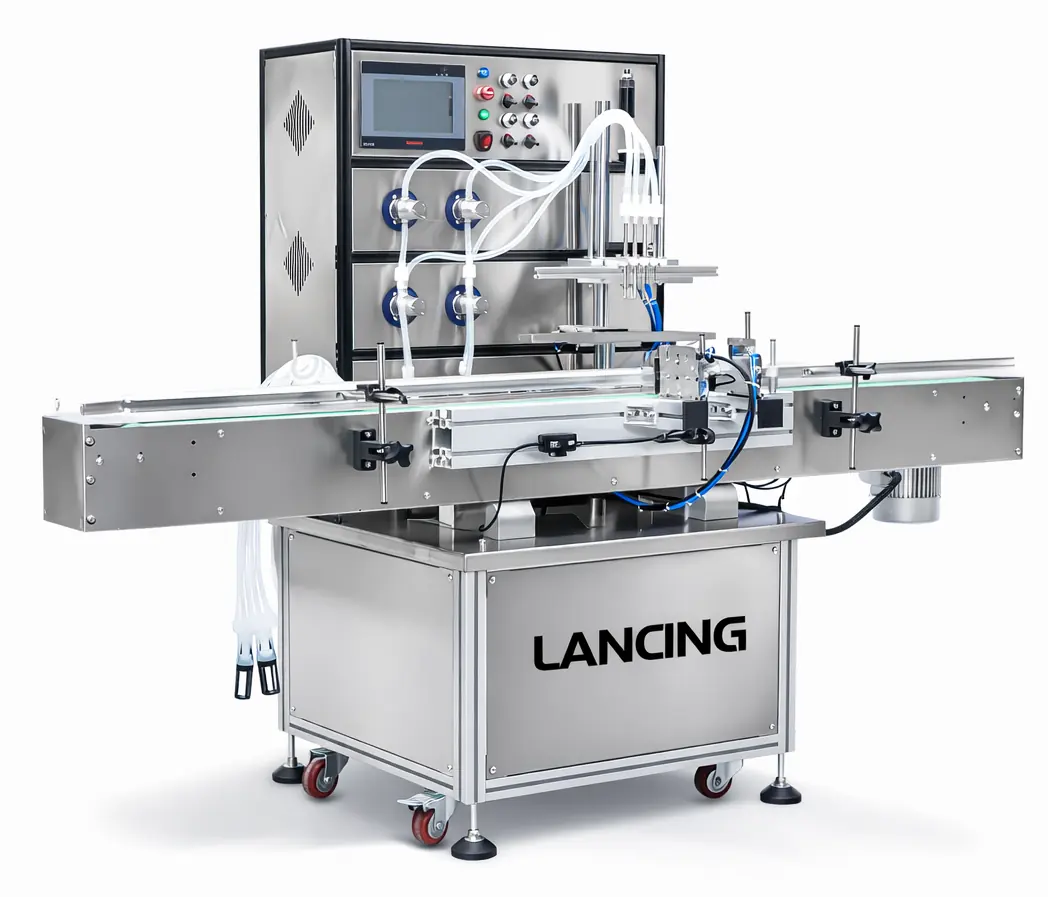
Filling machines UK

Specify the right filling machine by product behaviour, container size, accuracy requirement and expected production output.

Filling machines UK
Buyer information

What to consider before selecting equipment.

These notes help match the machinery specification to the product, pack format and output required.

Define the pack and product first

Filling machines UK should be selected around the actual product sample, container dimensions, closure or label specification and how the operator will load or unload the line.

  • Provide filled and empty samples before final machine selection.
  • Confirm whether the machine must run semi-automatically or automatically.
  • Review cleaning, changeover and maintenance access at quotation stage.

Match output to a realistic line layout

The best result normally comes from balancing each process rather than buying one fast machine that is restricted by upstream or downstream handling.

  • Confirm containers per minute or packs per hour.
  • Allow space for infeed, accumulation, rejects and operator access.
  • Check utilities including compressed air, power and extraction where required.

Use the enquiry to reduce risk

A short technical review can identify whether a standard machine is suitable or whether tooling, guarding, conveyors or integration changes are required.

  • Share photos or videos of the current process.
  • State the product range and expected future formats.
  • Ask for any sample testing needed before order.

Speak to Packaging Automation UK

Send product and container details and we will suggest the closest machine style, whether a semi-automatic machine, standalone automatic machine or integrated line is the better starting point.

Send an enquiry
What information is needed for filling machines uk?

The key details are product type, pack dimensions, target output, accuracy or finish requirement, utilities, available space and whether the process is manual, semi-automatic or fully automatic.

Can filling machines uk be integrated into a line?

In many cases yes. Integration normally depends on conveyor height, pack stability, available control interfaces, guarding requirements and the upstream/downstream machinery.

How quickly can I get advice?

Send product details, pack photos and the required output through the enquiry form and the team can advise on the closest suitable machinery type.

Filling machine selection

Match the dosing principle to the product, target and container.

A useful filling specification explains what is being controlled and how the result will be checked under representative production conditions.

Define the fill reference

The target may be volume, mass, liquid level or another process condition. The selected principle and verification method should reflect that target.

Describe product behaviour at the machine

Temperature, viscosity, foaming, aeration, particulates, settling and the path from the supply vessel can alter filling performance.

Control the container

Opening size, height variation, rigidity, stability and conveyor presentation determine nozzle access and clean transfer through the station.

Inputs for a filling trial or configuration review

Product sampleSupply a representative batch and record its condition, temperature and any preparation before filling.
Container rangeProvide every intended opening and size, including filled-weight effects and supplier variation.
Target and verificationState the target amount, permitted result and production check method.
Contact parts and cleaningDefine material expectations, access, strip-down, flush, drain and product change requirements.
Supply and dischargeDescribe feed vessel, pump or gravity conditions, container infeed, closure process and downstream handling.
Buyer questions

Filling machine questions to resolve before quotation.

The correct answers depend on the approved product and pack; unsupported headline speeds should not replace an application review.

Which filling technology is best for thin liquids?

Several methods may be suitable. The choice depends on the fill reference, container, foaming, product compatibility, cleaning and integration requirement.

How are viscous products handled?

Pump and nozzle design, product temperature, supply route and cut-off behaviour should be assessed using the real product.

What affects powder filling consistency?

Bulk density, flow, aeration, dust, refill level, auger or vibration settings and the check method can all affect the result.

Why is the supply vessel part of the specification?

Head pressure, agitation, transfer distance, hose route and refill behaviour can change the product presented to the filler.

Can one filler run many pack sizes?

Potentially, within the machine range, but nozzles, guides, recipes, tooling and practical changeover should be confirmed for every format.

What should be recorded during commissioning?

Approved recipe values, change parts, sample references, cleaning steps, quality checks and any limits observed for each format.

Prepare a useful machinery enquiry

Send the product, container, target fill and current supply method. Lancing can review the appropriate filling principle before options are compared.

Filling machine questions

Questions about product behaviour, dosing methods and trials.

Filling performance depends on how the product reaches the dosing system and how the target result is defined and verified.

How do I choose between volumetric, gravimetric, level and timed filling?

Choose the filling principle by the required result and the behaviour of the product and container. Volumetric systems control a measured volume, gravimetric systems use mass, level filling targets a visible or sensed level, and timed systems control flow for a defined period. Cleaning, aeration, temperature, refill behaviour and verification method also affect the choice.

What samples are needed for a filling trial?

A filling trial should use representative product, containers and any components that affect handling. Supply enough material to establish steady operation rather than only a few cycles. Identify the product condition, temperature, target amount, acceptance method, container variants, cleaning constraints and how the product will be supplied to the filler.

Why can the same liquid fill differently at different temperatures?

Temperature can change viscosity, density, foaming and the way a liquid flows through pumps, valves and nozzles. Product supply conditions should therefore be representative during trials and commissioning. Where temperature varies in production, the specification should define the operating range and how fill results will be checked.

Can one filling machine handle liquids, pastes, powders and granules?

One filling machine is not normally the best answer for fundamentally different product behaviours. Liquids, viscous products, powders and granules usually require different feeding and dosing principles. A shared platform may cover a limited related range, but each product should be tested and the change parts, cleaning and cross-contamination risks confirmed.

Continue your packaging automation research

Use the related guidance below to compare the next decision, then send the actual product, pack and production information when you are ready to discuss a suitable machine or integrated line.

CallContact