Automatic packaging machines UK
Automatic packaging machines are selected when manual handling is limiting output, consistency or traceability. The right system depends on the product, pack format, line speed and how much operator involvement should remain in the process.
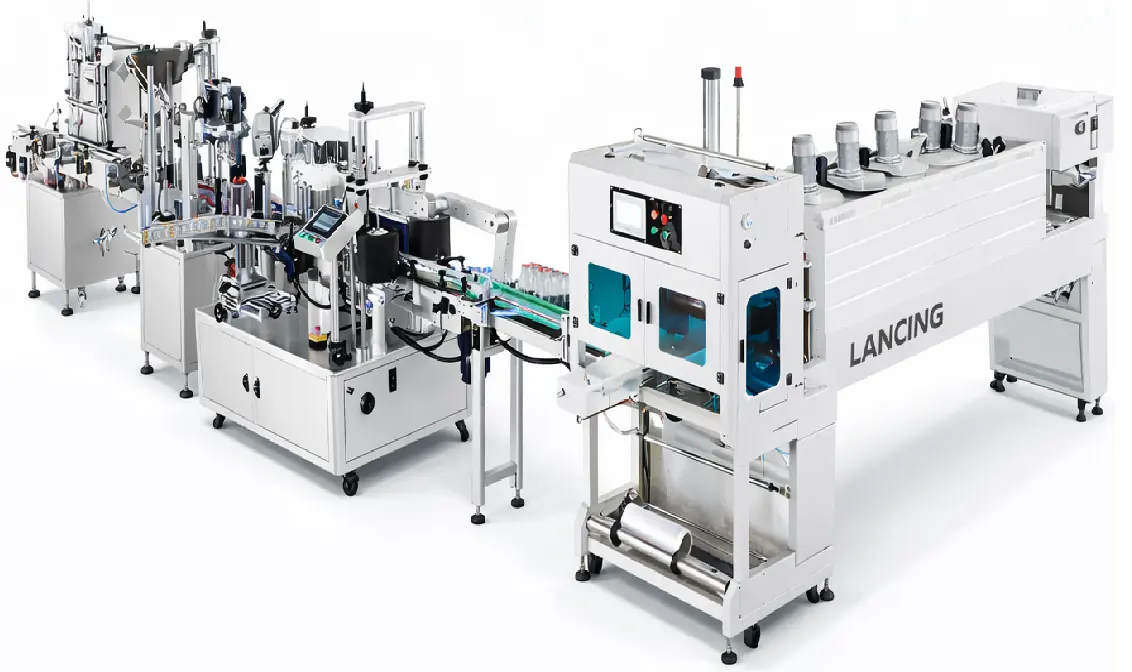
How to specify automatic packaging machinery.
Use these points to prepare a stronger machinery enquiry and narrow the equipment range before quotation.
Best-fit applications
Automatic packaging machines UK are most useful when the machine format is matched to the product, pack and operator process rather than chosen from headline speed alone.
- bottle, jar, tub and pouch lines that need repeatable output
- filling, capping, labelling and coding cells that need to be balanced
- production areas moving from semi-automatic machinery to linked automation
Details to confirm before selection
Accurate specification starts with samples, real production targets and a clear view of what happens before and after this process.
- containers per minute or packs per hour by product size
- product handling issues such as foaming, viscosity, dust, static or cap stability
- upstream feed, downstream collection, guarding, coding and operator access
Build a practical enquiry
Send product details, filled and empty pack samples, photos or videos of the current process, expected output and any site restrictions. This helps identify whether a standard machine, tooling change or integrated line is the correct route.
- Include product and pack photos where possible.
- State current output, target output and operator involvement.
- Confirm whether the requirement is standalone equipment or line integration.
Automatic packaging machines UK FAQs
When should a line become fully automatic?
Usually when output, labour availability, repeatability or quality control can no longer be managed reliably with isolated semi-automatic machines.
Can automatic machinery be phased in?
Yes. A common route is to automate filling or capping first, then add conveyors, labelling, coding and accumulation as volumes grow.
What information speeds up a quote?
Provide pack samples, product details, target output, site photos and any restrictions on power, compressed air, space or cleaning.
Continue comparing suitable options.
Use these related pages to narrow the machinery type and prepare a more accurate enquiry.
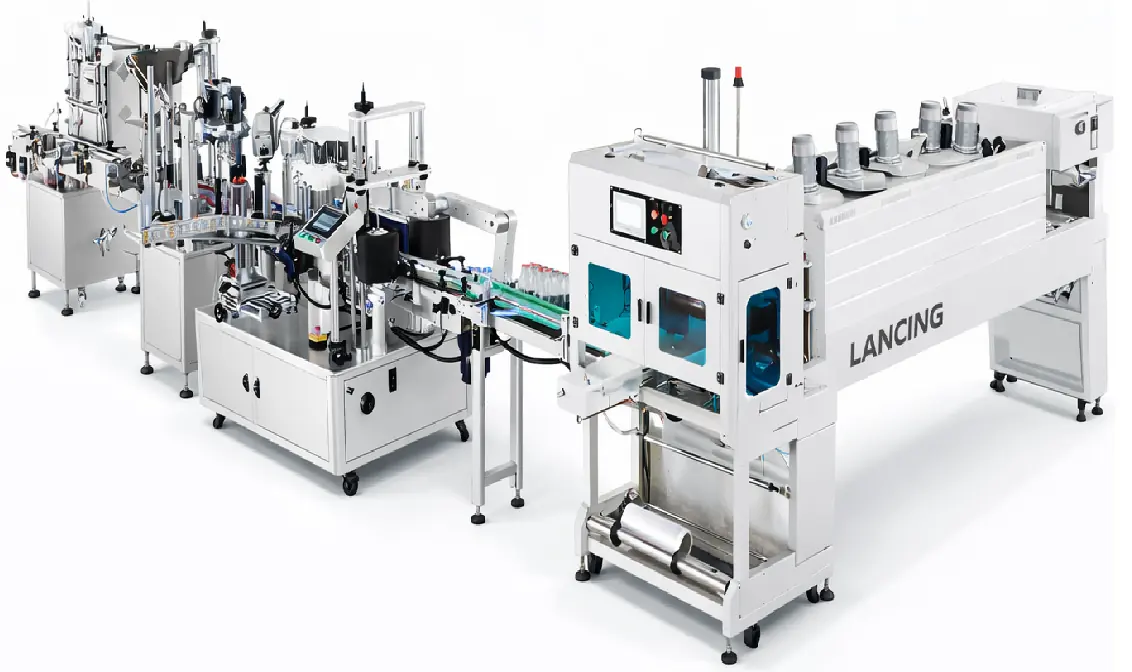
Complete packaging lines
Integrated filling, capping, labelling and conveyor systems.
Packaging line design UK
Packaging line design support for UK filling, capping, labelling, coding, conveying and end-of-line machinery projects.
Full machinery range
Browse filling, capping, labelling and automation equipment.
Automate a stable method and define how variation will be managed.
Automatic packaging machinery reduces routine handling only when products, components, feeds and fault-recovery rules are sufficiently controlled.
Stabilise incoming materials
Container, closure, label, film and product variation should be understood before a feeding or application process is automated.
Design replenishment and recovery
Bulk loading, low-level warnings, reject handling, jam access and restart responsibility are part of the operating method.
Retain operator control
Automation still needs clear recipes, quality checks, changeover instructions and safe manual intervention points.
Readiness review
| Repeatable pack | Are the approved components dimensionally and functionally consistent enough to feed and handle automatically? |
|---|---|
| Stable product supply | Can product be supplied at the required condition without uncontrolled level, pressure, density or temperature variation? |
| Defined line behaviour | Are starve, block, fault, reject and restart responses agreed? |
| Maintained process | Are cleaning, wear parts, settings and preventive checks assigned? |
| Evidence plan | Will testing use representative formats, run conditions and operator tasks? |
Questions before moving from manual or semi-automatic operation.
A staged approach can be lower risk when the product range or production method is still changing.
When is full automation appropriate?
When demand, repeatability, component quality and the operating method justify automatic feeding, transfer and control.
What normally limits an automatic line?
The constraint may be feeding, replenishment, changeover, transfer, inspection or recovery rather than the main machine cycle.
Can automation be introduced in stages?
Yes. Standalone machines and controlled interfaces can be selected with a future connection route in mind.
How should rejected packs be handled?
Define detection, safe diversion, storage, reconciliation and the condition required before rework.
What data should recipes contain?
Only approved settings required for the format, together with access control and a controlled method for changes.
How should operators be involved in acceptance?
Include the people who will load, change, clean, inspect and recover the system so the practical method is demonstrated.
Prepare a useful machinery enquiry
Describe the current manual tasks, sources of variation and required output. Lancing can assess which operations are ready for automatic handling.
Build an automated packaging system around a stable process.
Automation can be introduced in controlled stages when product formats, demand or capital timing are still developing. Each stage should leave a defined interface for the next.
| 1. Stabilise the manual method | Define the approved product and pack range, finished result, difficult variations, operator method, quality checks and current constraint before selecting automatic equipment. |
|---|---|
| 2. Automate the limiting operation | Select the filling, capping, labelling, sealing or packing stage that provides the clearest benefit without creating an uncontrolled bottleneck elsewhere. |
| 3. Add feeding and transfer | Confirm how containers, closures, labels, film or product are presented, replenished and recovered when supply is interrupted or a downstream process stops. |
| 4. Coordinate controls and safety | Agree line states, signals, guarding interfaces, reject handling, reset authority and the behaviour required during starve, block, fault and controlled stop conditions. |
| 5. Validate and maintain the method | Use representative formats to record settings, interventions, changeover, cleaning, routine checks, acceptance observations and the support route for production. |
Progress only when the current stage is repeatable and its next interface is defined.
Adding another machine does not automatically create an automated system. The process becomes integrated when material flow, control states, operator work and acceptance evidence are coordinated.
Material readiness
Approved containers, closures, labels, films and product behave consistently enough for the proposed feeding and handling method.
Process readiness
The quality condition, output pattern, changeover, cleaning and recovery method are defined and can be demonstrated.
Integration readiness
Transfers, accumulation, controls, guarding, data, reject handling and responsibility for connected performance are recorded.
Automate a stable, evidence-backed process rather than an undefined manual workaround.
Automatic machinery can reduce repetitive presentation and transfer work, but it depends on consistent products, packaging components, replenishment and recovery. The best route may be one automatic machine, a modular cell or a complete connected line.
Standardise the input
Automatic feeding and handling need a defined component range and condition. Resolve uncontrolled variation before expecting the machine to compensate for it.
Design operator work
Plan bulk loading, replenishment, inspection, rejects, cleaning, changeover and fault recovery instead of assuming automation removes all labour.
Phase the investment
Where demand is developing, use equipment and interfaces that support staged feeding, transfer or downstream automation without claiming unsupported future capability.
Information to prepare
- Stable product and component specifications.
- Representative batch pattern and target output.
- Operator tasks to retain or remove.
- Automatic feeding and replenishment method.
- Line interfaces, safety and recovery expectations.
Continue from this page
Use the most relevant next step to move from initial selection towards a defined, testable project.
Packaging line bottleneck analysis
Verify the constraint and expected benefit before automation is selected.
Automation for varied campaigns
Compare flexible semi-automatic and automatic routes for changing job mixes.
Packaging machinery cost factors
Understand the scope behind feeding, controls, integration and delivery.