UK packaging automation projects01494 623015sales@lancinguk.com
Flexible packaging comparison

VFFS or premade pouch packing: which process fits the application?

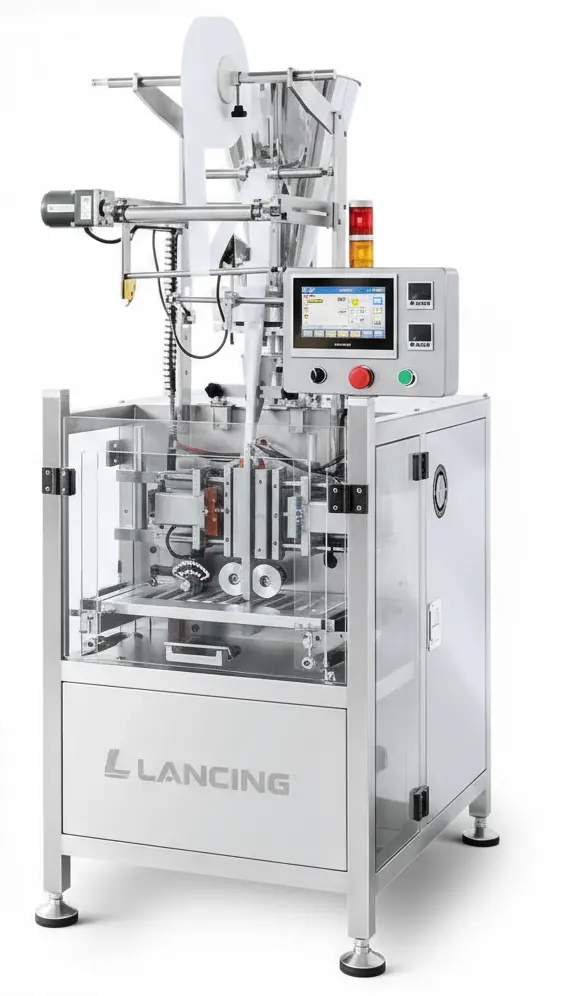
Vertical form fill seal creates a bag from rollstock; premade pouch machinery opens, fills and seals a finished pouch. The pack design and product behaviour determine the better route.

VFFS or premade pouch packing: which process fits the application?
Direct answer

VFFS or premade pouch packing: which process fits the application?

Choose VFFS when the required bag can be formed reliably from rollstock on the machine and the dosing process can be coordinated with the forming and sealing cycle. Choose premade pouch packing when the supplied pouch construction, shape, closure or presentation is central to the product. Compare material cost and supply, format flexibility, seal control, product drop, coding and downstream handling as a complete process.

Use this guide to prepare a decision

  • Define the product and packaging components that will actually run.
  • State the required production result and how it will be verified.
  • Include changeover, cleaning, supply, discharge and line-control conditions.
  • Confirm suitability with representative samples before final selection.
Selection framework

Turn the question into a testable machinery requirement.

These factors help suppliers compare the same application and make assumptions visible before equipment is selected.

Practical differences between the two routes

DecisionVFFSPremade pouch
Packaging materialRollstock formed around a forming set.Finished pouches supplied as individual packs.
Format creationBag length and seals are created by the machine.Pouch shape and many features are created by the pouch supplier.
ChangeoverMay involve forming sets, film path and recipe changes.May involve magazine, opening, grippers and recipe changes.
Product entryUsually drops through a forming tube.Enters an opened pouch held by the machine.
Seal riskFilm tracking and product in the seal area.Pouch opening, top-edge condition and contamination at final seal.

Start with the pack specification

Confirm bag or pouch dimensions, material structure, barrier need, artwork registration, seal requirements and any zipper, spout or special feature. The packaging material supplier should understand the intended machine process. Production-intent material is needed before the final sealing window and tracking can be accepted.

Match the dose to the pack cycle

The filler and packer must exchange product at the right point without overfilling the opening or contaminating the seal. Powders may create dust, granules may bounce and fragile products may be damaged by drop height. The product trial should include both dose quality and finished-pack integrity.

Questions for material and machine suppliers

  • What is the approved material structure and tolerance?
  • How is print registration defined and detected?
  • What is the usable seal window under production conditions?
  • How will the pack be coded, checked and discharged?
  • Which samples represent the final commercial pack?
Common buyer questions

Answers about flexible packaging comparison.

Each answer states the practical variables that should be confirmed for the actual product, pack and production environment.

Is VFFS always faster than premade pouch packing?

No universal comparison is valid without the product, pack, dose and test conditions. The practical output of either system depends on material handling, dosing, seal time, product clearance, changeover and downstream handling. Compare representative finished packs over an agreed test sequence.

Can the same product run on both machine types?

Many products can be packed by either route, but the dose, drop, dust, fragility and seal contamination risk may make one route more practical. The commercial pack design, material supply and expected format range also influence the decision.

What samples are needed for comparison trials?

Provide representative product, final or production-intent rollstock or pouches, artwork registration details, target dose, pack dimensions and the required seal check. Include the full size range and enough material to reach steady operation and repeat the relevant changeover.

Which process offers more pouch shapes?

Premade pouches can support shapes and features created by the pouch converter. VFFS is constrained by what can be formed and sealed from the selected rollstock on the machine. The required presentation and feature set should be agreed before choosing the process.

What causes seals to fail?

Seal failure can result from unsuitable material, incorrect temperature, pressure or dwell, damaged jaws, wrinkles, contamination, poor pouch opening or insufficient cooling. Testing should distinguish machine setup from material and product effects and should use the agreed inspection method.
Prepare an application-specific enquiry

Send the product, packaging components, target output, current process and any layout or interface information. Lancing can use the details to identify the next trial, machine category or integration review.

CallContact