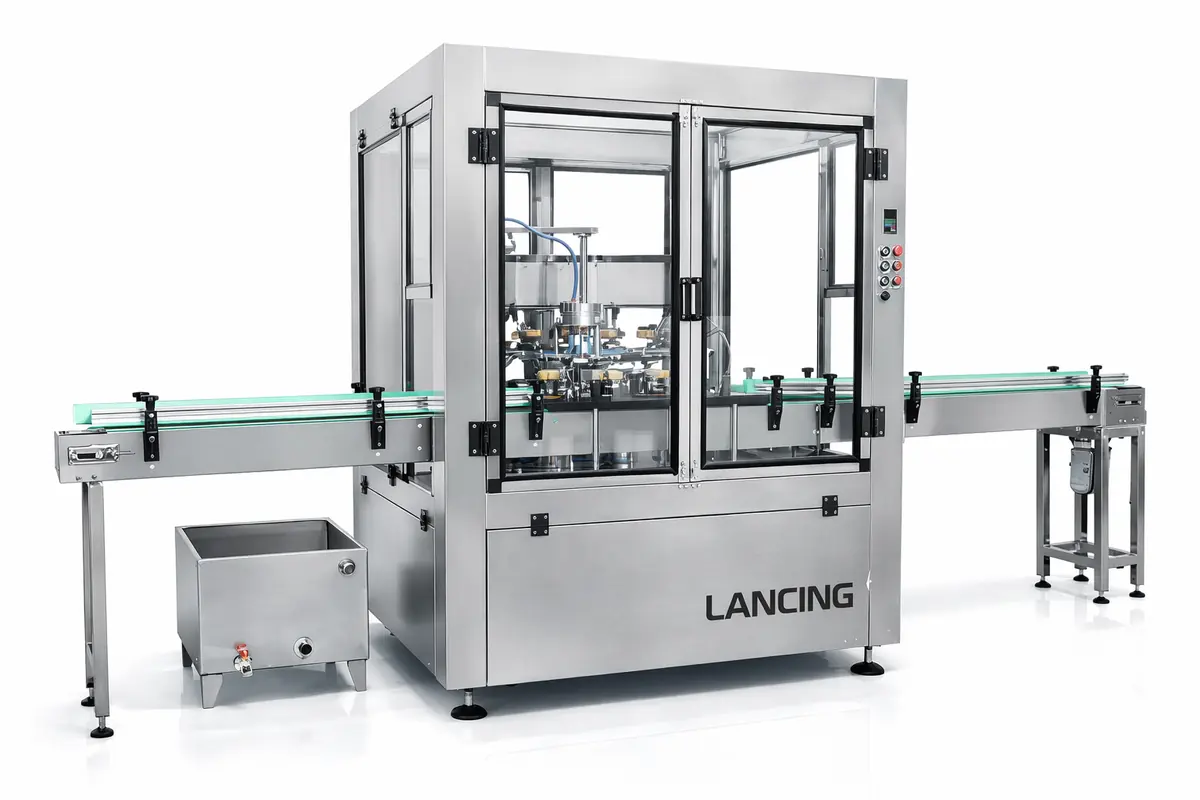
Rinsing & Feeding Machinery for packaging automation projects.
Bottle rinsers, bottle washers, bowl feeders, cap feeders, rotary infeed and bottle unscrambling equipment.
How this range is specified
The best machine configuration depends on product behaviour, container format, required speed, accuracy, utilities and integration requirements.
- Confirm product and pack samples before final selection.
- Review throughput expectations and operator involvement.
- Consider upstream feeding, downstream coding and conveyor transfer.
3 machinery options.
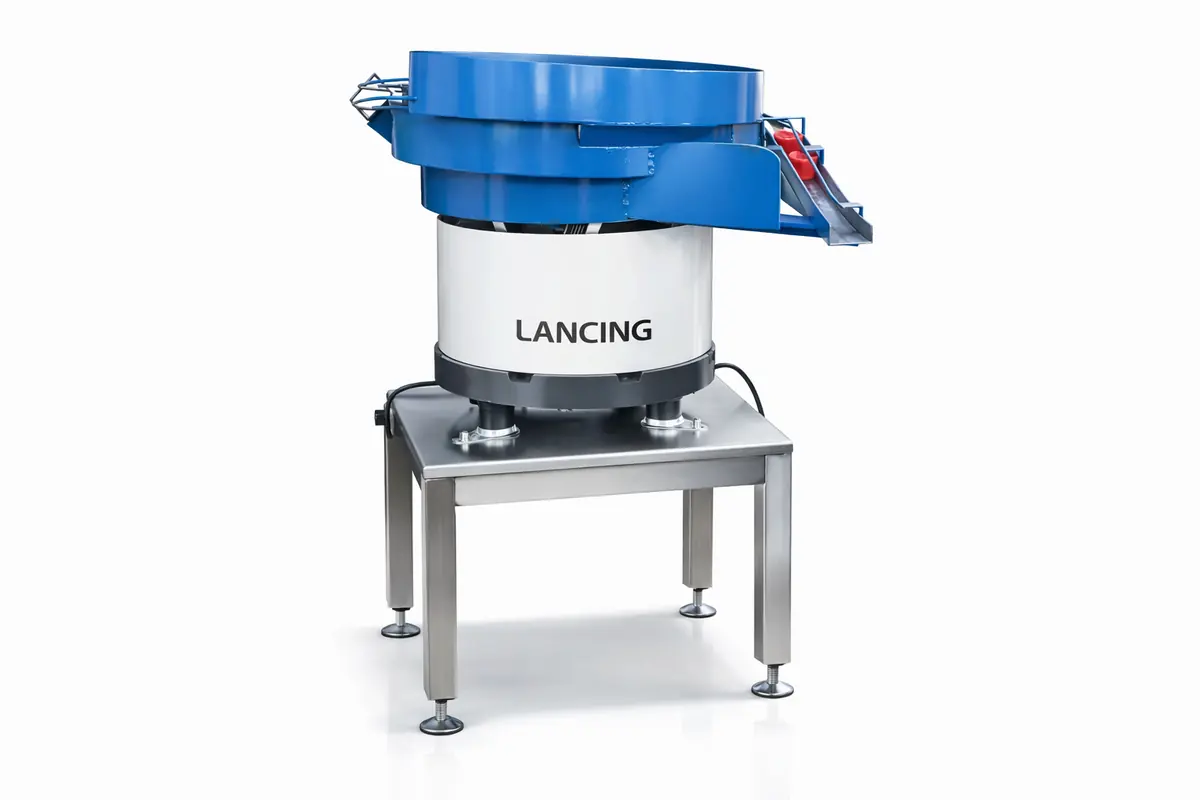
Automatic Bottle Cap Unscrambler For Production Line
Vibrating feeder is an auxiliary feeding equipment for automatic assembly or automatic processing machinery. It can arrange all kinds of products in an ...
View machine →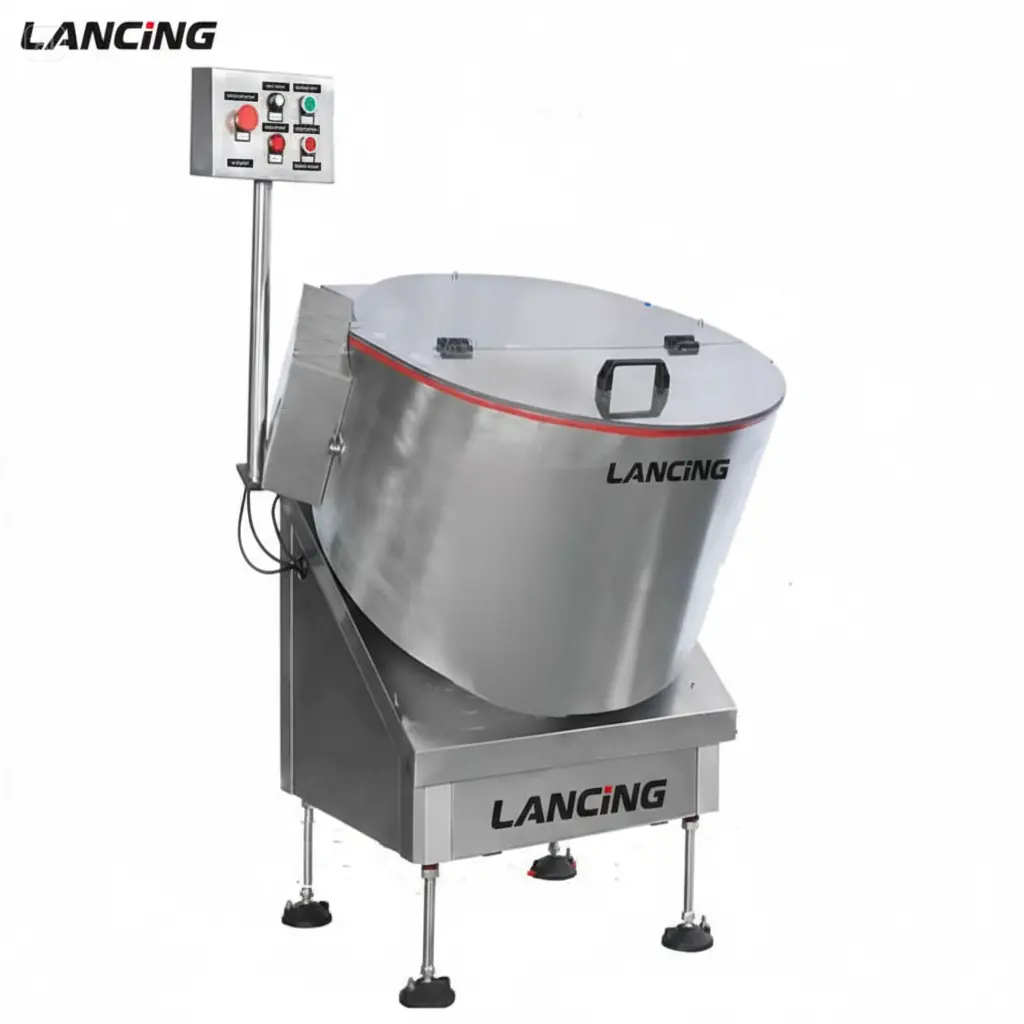
Desktop Rotary Bottle Unscrambler Machine
The LU-SP600Z is a compact rotary bottle unscrambler designed for small-scale production lines. It automatically collects and arranges bottles, reducing...
View machine →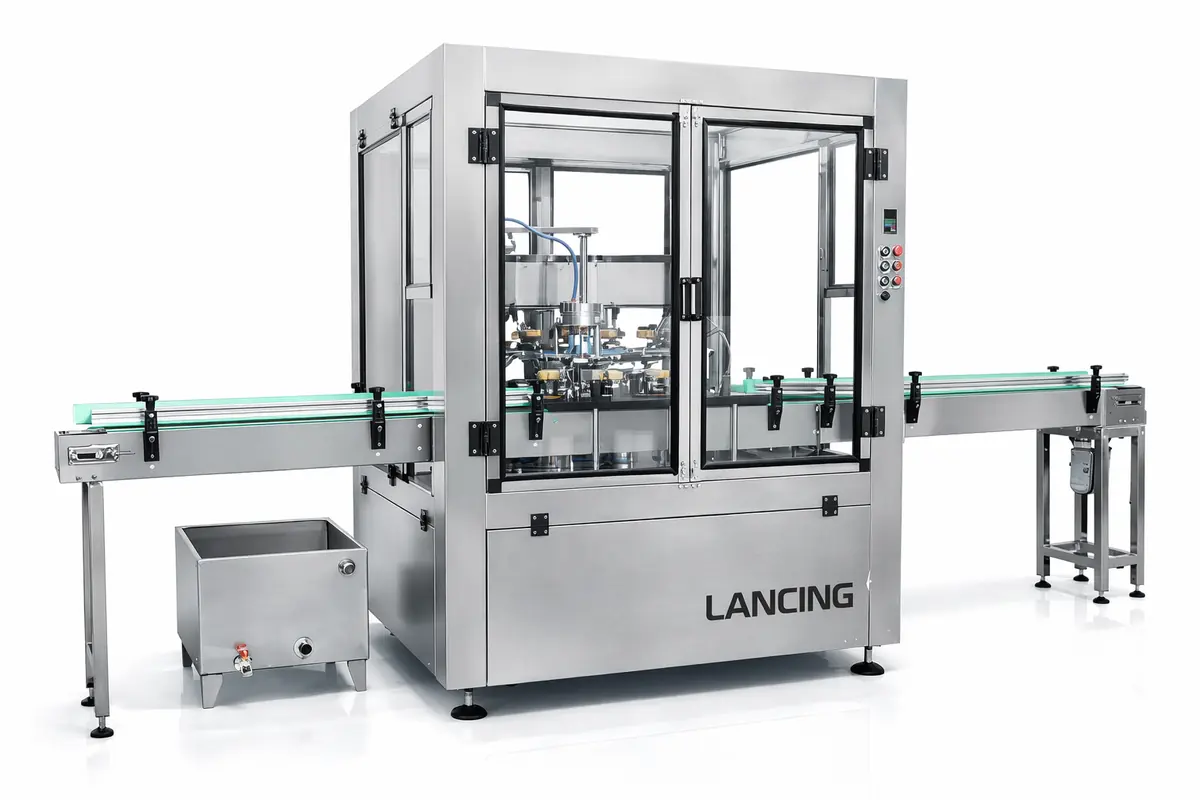
Rotary Small Semi Automatic Bottle Washing Machine
The Lancing UK LU-WB32 Rotary Bottle Washing Machine is designed for efficient external rinsing of glass bottles used in beverages, drinks, and similar ...
View machine →What is rinsing & feeding machinery used for?
Rinsing & Feeding Machinery is used to automate the relevant packaging operation as part of a standalone cell or integrated production line.
How do I specify rinsing & feeding machinery?
Prepare product details, pack dimensions, target output, utilities, changeover needs and any site constraints before requesting a proposal.
Can this equipment be integrated into a line?
Yes. Most projects can be combined with conveyors, coding, inspection, accumulation and end-of-line packing depending on the product and required throughput.
the cleaning, orientation and presentation requirement.
Rinsing and feeding equipment prepares containers or components for the next process. Geometry, surface condition and required cleanliness determine the handling method.
Prepare containers before filling
Rinsing or washing requirements should define the contamination risk, cleaning medium, inversion method, drainage and drying expectations.
Orient components consistently
Caps, pumps, triggers and small parts must have features that a feeder can distinguish and present without damage or nesting.
Control arrival at the machine
Unscramblers, turntables and infeed conveyors need sufficient capacity while avoiding pressure, scuffing or unstable transfers.
Information to confirm before configuration
| Part or container range | Supply every approved format, including minimum, maximum and difficult variants. |
|---|---|
| Required condition | Define orientation, spacing, cleanliness or drainage at the discharge point. |
| Material sensitivity | Identify scuff-prone, flexible, static-sensitive, fragile or easily nested components. |
| Bulk loading | State how much material an operator should load and the preferred loading height or refill pattern. |
| Downstream interface | Confirm discharge height, line direction, rate, sensor and stop/start behaviour. |
Questions to resolve before selecting the cleaning, orientation and presentation requirement.
Answers depend on the real product, packaging components and operating conditions; representative samples should be used wherever practical.
Can one feeder handle several cap styles?
Possibly, but each geometry must be assessed for orientation, nesting, change parts and practical changeover.
How is feeder capacity selected?
It should support the required downstream rate with a suitable operating margin and refill pattern, using the real components.
What matters in bottle rinsing?
Container material, opening, inversion stability, cleaning medium, drainage and the required condition before filling.
Can a rotary table replace an unscrambler?
A table can accumulate and feed manually loaded containers, but it does not necessarily orient random containers in the same way as a dedicated unscrambler.
How are jams managed?
The layout should provide detection, controlled stops and safe operator access without allowing pressure to build into downstream equipment.
Prepare a useful machinery enquiry
Send representative materials, the required output and details of any connected machinery. Lancing can then review the most suitable configuration and identify further tests or data needed.
Feed the next process consistently without damaging or mixing components.
Rinsing and feeding systems are judged by the condition and orientation delivered to the next machine. Component geometry, variation, cleanliness and refill method shape the equipment route.
Describe the incoming component
Provide dimensions, material, flexibility, nesting, static, oil, dust and the way components arrive from the supplier or previous process.
Define the required orientation
Show how bottles, caps or parts must leave the feeder and the tolerance the downstream machine can accept.
Plan refill and buffer capacity
Review operator loading, bulk storage, component level control, accumulation and the response when the next machine stops.
Information to prepare
- Representative components from normal supply.
- Expected dimensional and presentation variation.
- Required discharge orientation and hand-off point.
- Bulk loading and replenishment method.
- Downstream demand, buffer and stop behaviour.
Continue from this page
Use the most relevant next step to move from initial selection towards a defined, testable project.
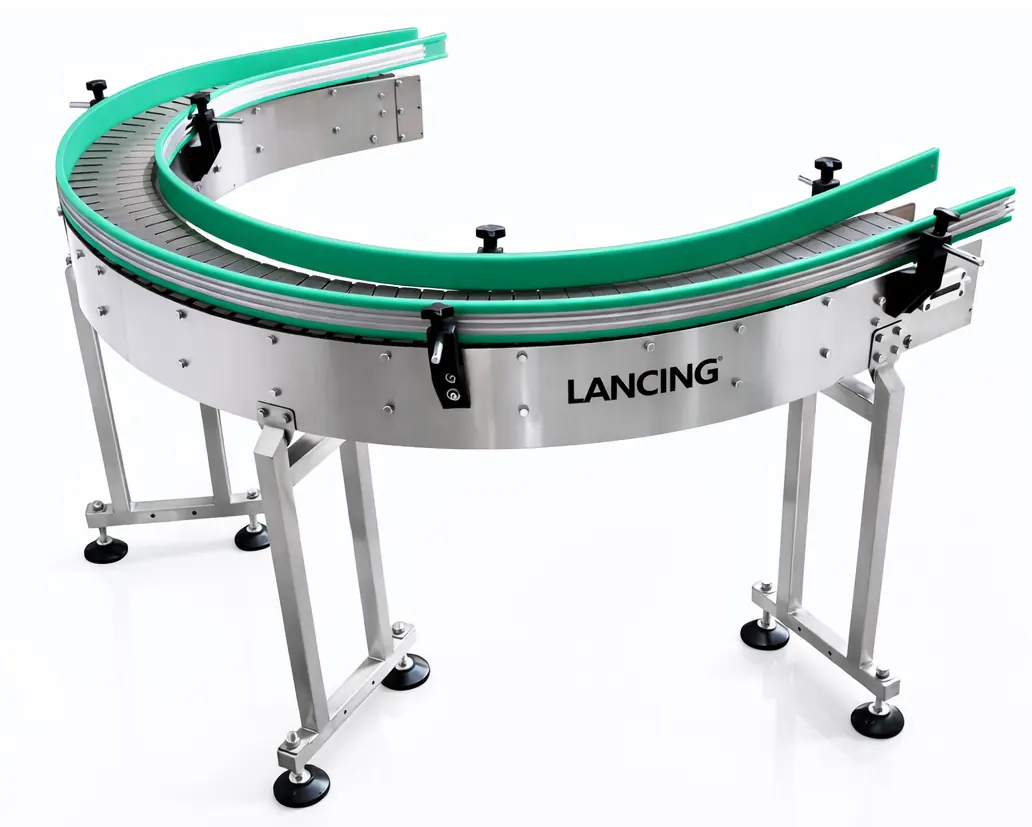
Feeding bottleneck analysis
Identify whether jams arise from component quality, presentation, transfer or downstream demand.
Feeder controls integration
Define low-level, ready, blocked, starved, fault and recovery signals.
Component feeding trials
Use production components and expected variation to prove orientation and transfer.
Selection and application guidance
Continue with the most relevant technical guide to compare equipment, prepare representative samples and define the line interfaces that affect final selection.
Distinguish feed faults from starved and blocked line conditions.
Feeding and rinsing equipment can determine whether the main process receives stable components. Define replenishment, low-level states, orientation failures, accumulation and the signals shared with upstream and downstream machinery.