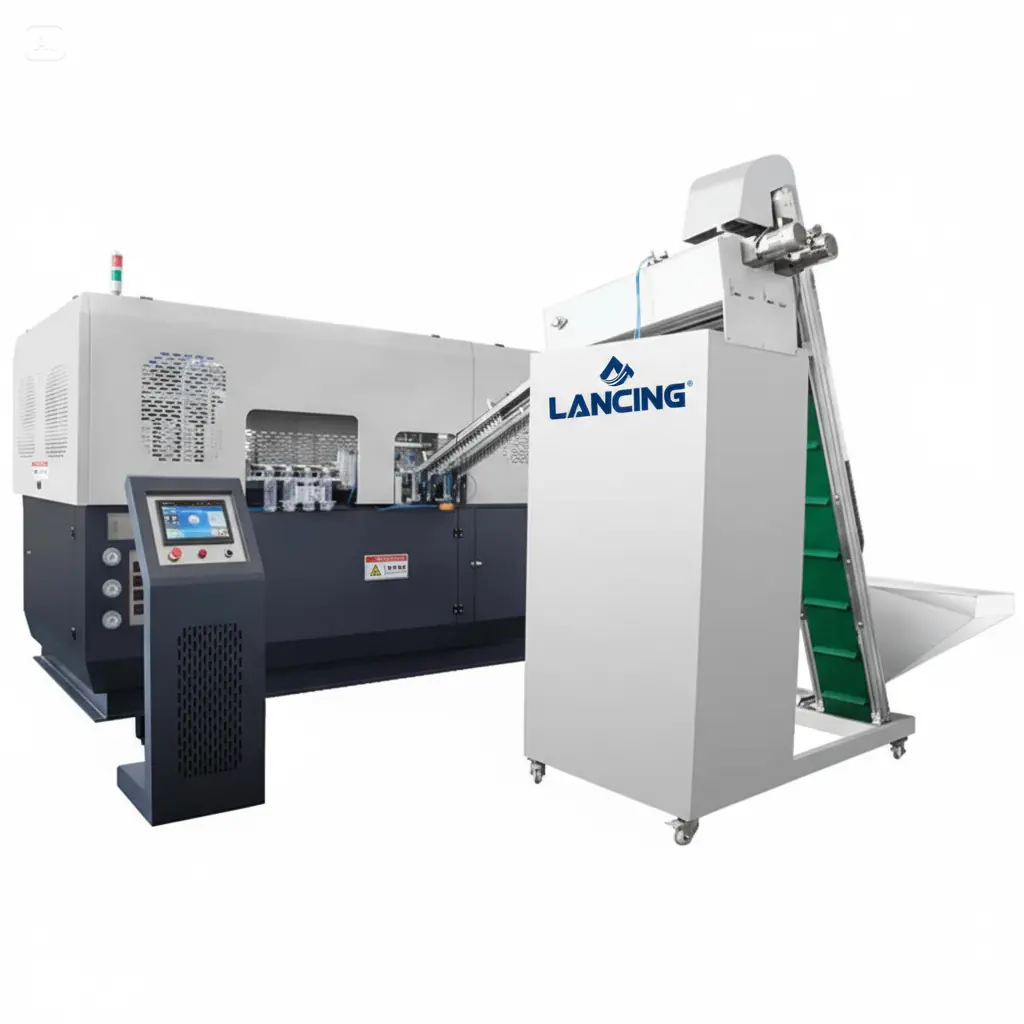
Blow Moulding for packaging automation projects.
Bottle blow moulding equipment and bottle making systems for production lines.
How this range is specified
The best machine configuration depends on product behaviour, container format, required speed, accuracy, utilities and integration requirements.
- Confirm product and pack samples before final selection.
- Review throughput expectations and operator involvement.
- Consider upstream feeding, downstream coding and conveyor transfer.
What is blow moulding used for?
Blow Moulding is used to automate the relevant packaging operation as part of a standalone cell or integrated production line.
How do I specify blow moulding?
Prepare product details, pack dimensions, target output, utilities, changeover needs and any site constraints before requesting a proposal.
Can this equipment be integrated into a line?
Yes. Most projects can be combined with conveyors, coding, inspection, accumulation and end-of-line packing depending on the product and required throughput.
the container, material and downstream packaging requirement.
Bottle forming is a specialist process whose tooling, preform or resin, utilities and quality checks must be aligned with the filling and closing operations that follow.
Start from the approved container
Capacity, neck finish, wall distribution, base design and handling features affect both forming and downstream stability.
Define material and tooling responsibility
The approved material, mould, preform or process route should be documented with the party responsible for final container validation.
Review the complete container journey
Cooling, leak testing, storage, conveying, filling, capping and labelling can expose issues that are not visible at the forming station alone.
Information to confirm before configuration
| Container drawing | Provide dimensions, tolerances, neck finish and an approved physical example where available. |
|---|---|
| Material route | Identify resin or preform specification and supplier information. |
| Quality checks | Define appearance, dimensions, leak, weight or other relevant checks without assuming an unsupported tolerance. |
| Utilities and environment | Confirm power, compressed air, cooling, ventilation and available production space. |
| Downstream use | State how the container is transferred, filled, capped, labelled and packed. |
Questions to resolve before selecting the container, material and downstream packaging requirement.
Answers depend on the real product, packaging components and operating conditions; representative samples should be used wherever practical.
Is a bottle sample enough to specify blow moulding equipment?
A sample helps, but drawings, material information, neck finish, tooling responsibility and production requirements are also needed.
Why must downstream machinery be considered?
Container stiffness, base shape, neck and surface panels affect conveying, filling, capping and labelling.
Who approves the final container?
The project should name the party responsible for the container specification and the evidence used for acceptance.
Can several bottle formats share a platform?
Potentially, but moulds, change parts, material and process settings must be reviewed for each approved format.
Where should detailed model information be checked?
Use the published Lancing product catalogue and then confirm the exact configuration against the project brief.
Prepare a useful machinery enquiry
Send representative materials, the required output and details of any connected machinery. Lancing can then review the most suitable configuration and identify further tests or data needed.
Connect bottle manufacture to the requirements of filling and downstream packing.
A blow moulding project must define the bottle, material, mould, utilities, quality checks and the way containers are transferred, stored or presented to the packaging line.
Control the bottle specification
Use approved drawings and samples for neck finish, wall distribution, base, handling features and the dimensions needed by filling, capping and labelling.
Plan material and utilities
Review resin or preform supply, drying or conditioning where relevant, compressed air, cooling, electrical demand, extraction and site environment using verified equipment data.
Design downstream handling
Decide whether bottles are conveyed directly, accumulated, stored in bulk or later unscrambled and how quality or contamination is controlled.
Information to prepare
- Approved bottle or preform specification and samples.
- Material and colour requirements.
- Mould ownership, format range and quality checks.
- Verified utility and environmental requirements.
- Direct or indirect transfer to filling and packing.
Continue from this page
Use the most relevant next step to move from initial selection towards a defined, testable project.
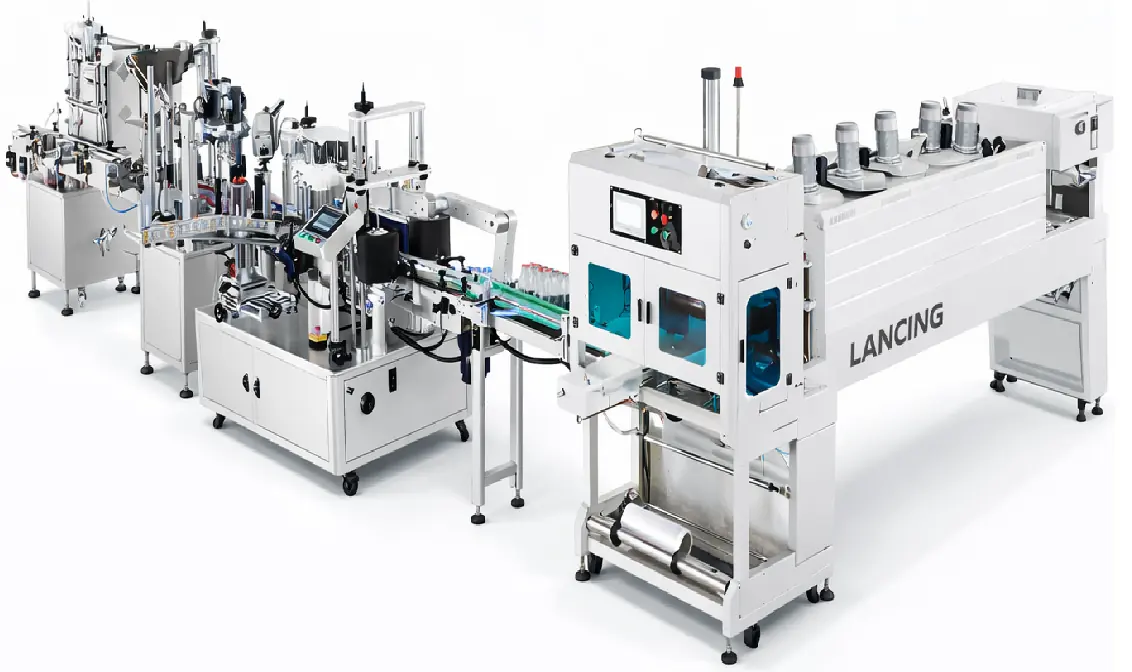
Blow moulding project brief
Define bottle, material, production, site and downstream interface requirements.
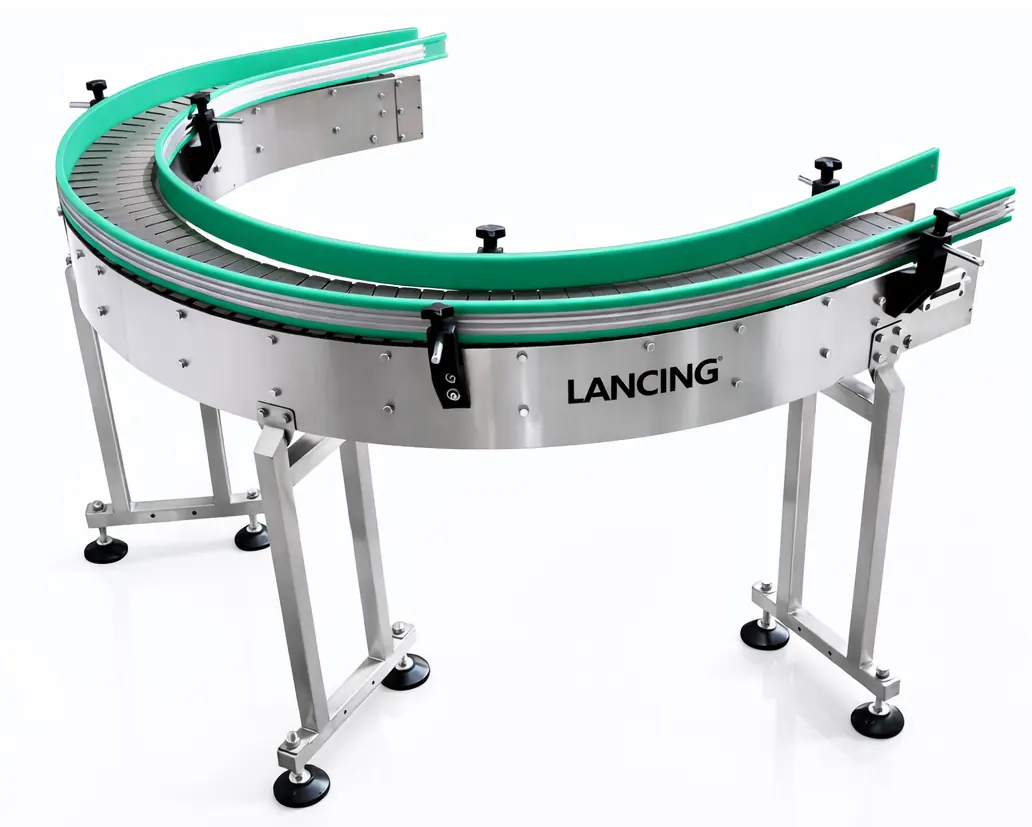
Blow moulding site readiness
Prepare access, utilities, cooling, air and downstream layout from verified data.
Bottle production controls integration
Plan discharge, accumulation, quality and packaging-line handshakes.
Selection and application guidance
Continue with the most relevant technical guide to compare equipment, prepare representative samples and define the line interfaces that affect final selection.
Connect container production with the requirements of filling and downstream handling.
The approved container format, cooling, stability, neck finish and release checks affect later filling, capping, labelling and conveying. Define the interface and controlled format evidence before the complete production route is accepted.