Packaging machinery safety and compliance in the UK
Machinery safety needs to be considered through specification, design, integration, installation, use and modification. Buyers and project teams should identify the responsible parties, obtain the correct technical information and use competent assessment for the actual machine and production environment.
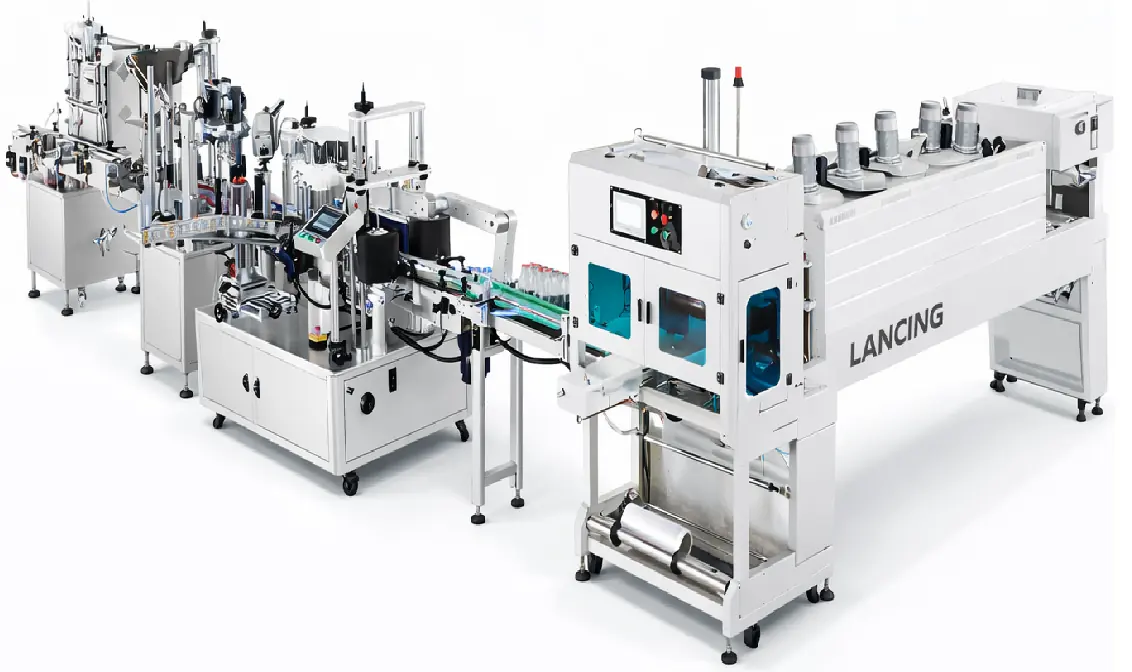
Treat safety as a project requirement, not a final inspection
The applicable duties and evidence depend on whether machinery is being designed, supplied, assembled, modified or used. Current official guidance and competent project-specific advice should be checked before decisions are made.
Define intended use
Record the product, formats, operating modes, users, cleaning, maintenance and foreseeable misuse. Risk assessment and protective measures depend on the limits of the real application.
Identify responsibilities
Clarify who supplies each machine, who integrates the assembly, who completes site work and who owns risk assessment, conformity, validation, instructions and acceptance records.
Control changes
New conveyors, guards, software, access modes or production formats can affect hazards and responsibilities. Assess and document modifications rather than treating them as informal maintenance.
Use current government and HSE guidance as the starting point
For machinery placed on the market or put into service in Great Britain, the current official guidance for the Supply of Machinery (Safety) Regulations 2008 is published by the Office for Product Safety and Standards. It explains the scope, responsibilities, essential health and safety requirements, conformity procedures, documentation and marking arrangements. Requirements can change, so project teams should check the latest version rather than relying on an old summary.
HSE guidance also explains duties for the design, supply and use of machinery and work equipment. The user site has responsibilities for safe use, training, maintenance and suitable work equipment; the presence of supplier documentation does not replace the employer’s own assessment and arrangements.
- Read the current GOV.UK machinery safety guidance.
- Review HSE information on work equipment and machinery.
- Use competent legal and engineering advice where project responsibility or the effect of a modification is uncertain.
- Keep a dated record of the guidance and standards basis used for the project.
Assess the complete packaging process and foreseeable access
Risk assessment should consider normal production, setup, replenishment, cleaning, changeover, fault finding, jam clearance, maintenance, installation and decommissioning. Packaging lines can include moving conveyors, trapping points, rotating or reciprocating mechanisms, hot surfaces, pressurised systems, stored energy, sharp tools, electrical hazards, product hazards and access created at machine interfaces.
Protective measures follow the project-specific risk-reduction process. Guarding and safety functions must suit the hazard, required access and operating mode. A machine that is safe as a standalone unit may need further review when it is connected to conveyors or another machine because new access routes and combined hazards can be created.
- Include reasonably foreseeable misuse and pressure to clear common faults quickly.
- Review access beneath, above and between machines as well as front-facing doors.
- Consider product hazards, cleaning chemicals, dust, vapour, heat and spills alongside mechanical hazards.
- Validate safety functions using competent methods appropriate to the design.
Collect the documents needed for safe integration and use
The required technical documentation depends on the equipment and responsibility model. Buyers should expect clear operating and maintenance information, declarations or incorporation information as applicable, drawings needed for connection, and identification of residual risks and required protective measures. Partly completed machinery needs particular attention because it is intended to be incorporated before the final assembly is put into service.
For an integrated line, maintain a controlled record showing the final layout, machine boundaries, guards, safety zones, interface functions, software versions and changes made during commissioning. Instructions should reflect the delivered configuration and the tasks operators and maintenance personnel actually perform.
- Check that machine identification and supplied documents match the equipment delivered.
- Record declarations and instructions with the final project file.
- Keep electrical, pneumatic and safety-system information needed for maintenance.
- Update records when machinery, software, guarding or intended use changes.
Plan safe operation, training, inspection and maintenance at the site
The customer should integrate the new equipment into site procedures for isolation, permit control, cleaning, maintenance, defect reporting and change management. Operators need instruction and training for normal operation and foreseeable tasks; maintenance work should be assigned to competent people with access to suitable information and equipment.
Safe commissioning does not end the review. Monitor recurring jams, bypass attempts, damaged guards, changed materials and production modifications. These can indicate that the system of work or machinery no longer matches the operating conditions.
- Define authorised operating, setup, cleaning and maintenance roles.
- Provide suitable isolation and verify it for the task.
- Inspect guards, interlocks and safety devices under the site’s planned system.
- Assess new products, formats and modifications before routine use.
Safety and compliance information to control during a machinery project
The exact evidence must be determined for the specific supply and site, but the following areas should not be left implicit.
| Intended use | Products, formats, operating modes, users, environment, cleaning and foreseeable misuse. |
|---|---|
| Responsibility map | Manufacturer, supplier, integrator, installer, user and third-party duties for each part of the project. |
| Risk information | Hazards, assessments, protective measures, residual risks and required user controls. |
| Conformity evidence | Applicable declaration, marking and instructions verified against the delivered configuration. |
| Integration record | Layout, guards, safety zones, interfaces, emergency stops, reset and restart behaviour. |
| Validation | Evidence that safety-related functions and protective measures have been checked by competent people. |
| Handover | Operating, cleaning, changeover, maintenance, isolation, training and defect-reporting information. |
| Change control | Process for assessing new formats, software, tooling, guards, conveyors and other modifications. |
Questions for a packaging machinery safety review
Use these questions to identify missing responsibilities and evidence. They do not replace the competent assessment required for the actual project.
- What machinery or assembly is being supplied, integrated or modified?
- Who is the responsible person for each applicable duty?
- What products, operating modes and foreseeable interventions are included?
- Which hazards are created at machine and conveyor interfaces?
- What safety functions, guards and isolations are required and who validates them?
- What declarations, instructions and technical information will be supplied?
- How will operators, cleaners and maintenance personnel be trained and authorised?
- How will future changes be assessed and documented?
Important limitation
This page is general buyer guidance, not a conformity assessment, risk assessment or legal opinion. Always use current official guidance and competent project-specific advice.
UK packaging machinery safety questions
Which rules apply to a new packaging machine in Great Britain?
The applicable requirements depend on the equipment and supply. Check the current GOV.UK guidance for the Supply of Machinery (Safety) Regulations 2008 and obtain competent advice for the project.
Does CE or UKCA marking make a machine automatically safe to use on my site?
Marking and supplier evidence form part of the picture, but the user must still ensure suitable work equipment, safe installation, training, maintenance and site-specific risk controls.
Who is responsible when several machines are connected into a line?
Responsibilities depend on the contractual and technical arrangement and whether the connected equipment forms an assembly. Define the integrator and responsible parties explicitly and obtain competent advice.
Can a guard interlock be bypassed during setup?
Safety-related operating modes must be designed and assessed for the actual task. An informal bypass is not an acceptable substitute for a properly engineered and validated solution.
What should happen before machinery is modified?
Define the change, assess its effect on intended use, hazards, safety functions, conformity and documentation, then have the work designed, implemented and validated by competent people.
Related packaging automation guidance
Use these pages to continue from initial requirements through machinery selection, integration and acceptance.
Packaging machinery retrofit guide
Control safety and documentation consequences when existing equipment is modified.
Packaging line controls integration
Separate operational handshakes from assessed and validated safety functions.
Packaging machinery site readiness
Prepare the installation area, services, access and site responsibilities before commissioning.
Turn the guidance into a workable machinery brief
Send the information you already have, including samples, drawings, photographs or a process video where available. Lancing can help identify the remaining technical decisions before a quotation or line proposal is prepared.