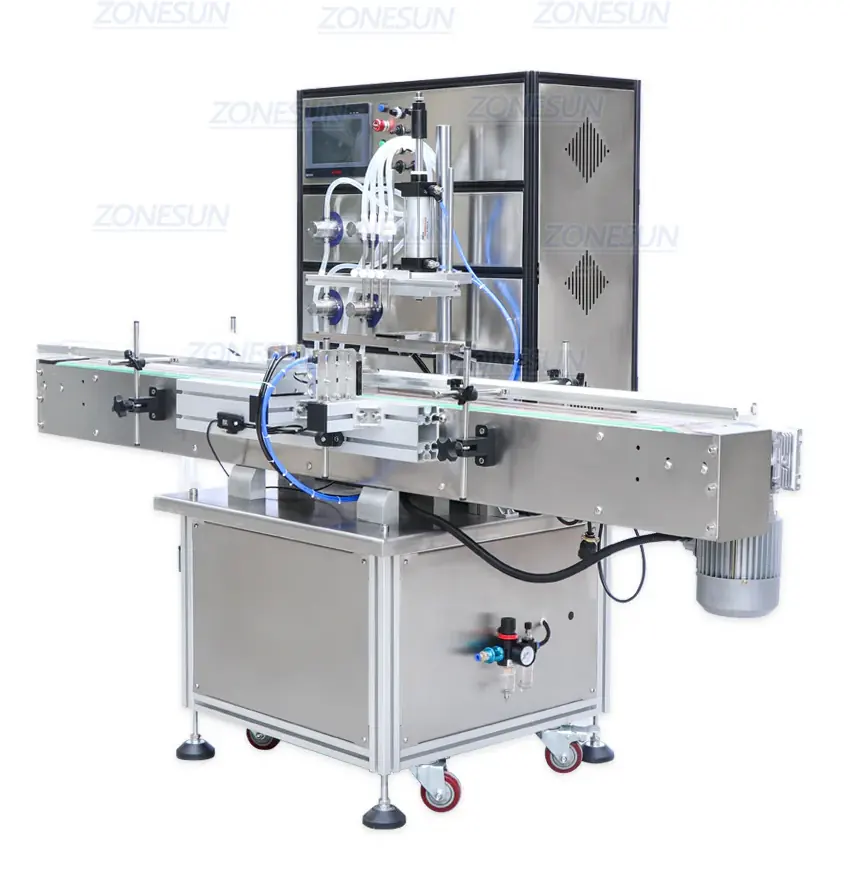
Automatic 8‑Nozzle Vacuum Liquid Filling Machine
The Lancing UK LU‑YTZL8A Automatic 8‑Nozzle Vacuum Liquid Filling Machine is engineered for precision and product integrity. Using a vacuum filling meth...
Machine overview
Use this page as a starting point for matching the machine family to your container, closure, label, pack format, target speed and available production space.
- Review suitability against your product and pack samples.
- Confirm speed, utilities, tooling and integration requirements.
- Ask for options, pricing guidance and lead time.
Reference specification
| Voltage | 220 V / 110 V, 50-60 Hz |
|---|---|
| Air Pressure | 0.5-0.8 MPa |
| Machine Model | LU-YTZL8A |
| Filling Heads | 8 |
| Air Pumping | Rate 5.5 L/s |
| Liquid Level | Accuracy bn±1 mm |
| Applicable Viscosity | Up to 20 Cps (static viscosity) |
What is Automatic 8‑Nozzle Vacuum Liquid Filling Machine used for?
The Lancing UK LU‑YTZL8A Automatic 8‑Nozzle Vacuum Liquid Filling Machine is engineered for precision and product integrity. Using a vacuum filling method, it maintains the original quality and characteristics of liquids, making it ideal for perfumes, fresh juices, essential oils, and other foamy or delicate products.
What output can Automatic 8‑Nozzle Vacuum Liquid Filling Machine achieve?
This page lists output at Approx. 20-60 bottles/min. Actual throughput depends on the product, container, fill volume, changeover requirements and overall line setup.
What utilities or site requirements should I plan for?
Voltage: 220 V / 110 V, 50-60 Hz; Air pressure: 0.5-0.8 MPa; Footprint / size: φ4.5 mm to φ28 mm
Can Lancing UK help match this machine to my product and container?
Yes. Lancing UK can review your product characteristics, bottle or pack format, closure type, required output and site constraints to confirm the right configuration before supply.
Request a configuration check
Send product details, container dimensions, closure or label samples, target output and any available line photos. The team can confirm whether this machine is the right starting point.
Send enquiryvacuum liquid filling application.
Vacuum filling controls liquid level by the relationship between the container neck, fill tube and vacuum return. Container consistency and product recovery are therefore central to the review.
Use a consistent neck reference
The method is best assessed with containers whose neck geometry and intended fill level can be presented consistently beneath the filling heads.
Review product behaviour
Low-viscosity, foaming or delicate liquids may benefit from the method, but product compatibility, volatility, carry-over and recovery must be assessed.
Design the liquid return route
The vacuum reservoir and recovered product path should be considered alongside hygiene, cleaning, contamination control and product value.
Configuration evidence
| Product | Representative liquid with its production temperature, viscosity and foaming or volatility behaviour. |
|---|---|
| Containers | Minimum and maximum neck dimensions, height variation and approved fill-level example. |
| Fill condition | Required level, headspace and the method used to judge acceptable packs. |
| Cleaning | Contact parts, recovery vessel, hoses and the required cleaning or product-change method. |
| Line interface | Container spacing, infeed/outfeed height, no-container response and downstream capping. |
Questions to resolve for this vacuum liquid filling application.
The existing reference specification is a starting point; final suitability should be checked against representative product and packaging samples.
Is vacuum filling the same as volumetric filling?
No. A vacuum system commonly controls a repeatable level in a suitable container; it should not be assumed to deliver the same outcome as a volumetric or gravimetric method.
Why does bottle neck consistency matter?
The neck and fill-tube relationship influences the final level, so dimensional or seating variation can affect presentation.
What happens to excess liquid?
The equipment design returns or collects displaced liquid through the vacuum path; the recovery and hygiene arrangement should be reviewed for the product.
Can foaming products be tested?
Yes. Use representative product and run conditions to observe foam, carry-over, recovery and the final level.
How is the machine linked to a capper?
Define container discharge, spacing, accumulation and control response so filled packs transfer without spillage or loss of stability.
Prepare a useful machinery enquiry
Send the samples and production information listed above so this machine can be checked against the complete application rather than the title alone.
Define the operating window for this vacuum filling project.
The existing reference data should be reviewed with production liquid and containers. Final configuration also depends on product recovery, cleaning, container presentation and the transfer of filled packs to the next process.
Approve a container family
Check neck geometry, seating, height variation and the required visual level across every launch format rather than one ideal bottle.
Review the recovered product path
Assess carry-over, volatility, hygiene, contamination, value and the way recovered liquid is collected or returned for the actual application.
Test line handling
Observe bottle spacing, no-container response, filled-pack stability and transfer to capping without spilling or changing the approved level.
Information to prepare
- Production liquid at representative temperature and condition.
- Bottle samples covering neck and height variation.
- Approved fill-level examples and inspection method.
- Cleaning and product-recovery requirements.
- Upstream presentation and downstream capping details.
Continue from this page
Use the most relevant next step to move from initial selection towards a defined, testable project.
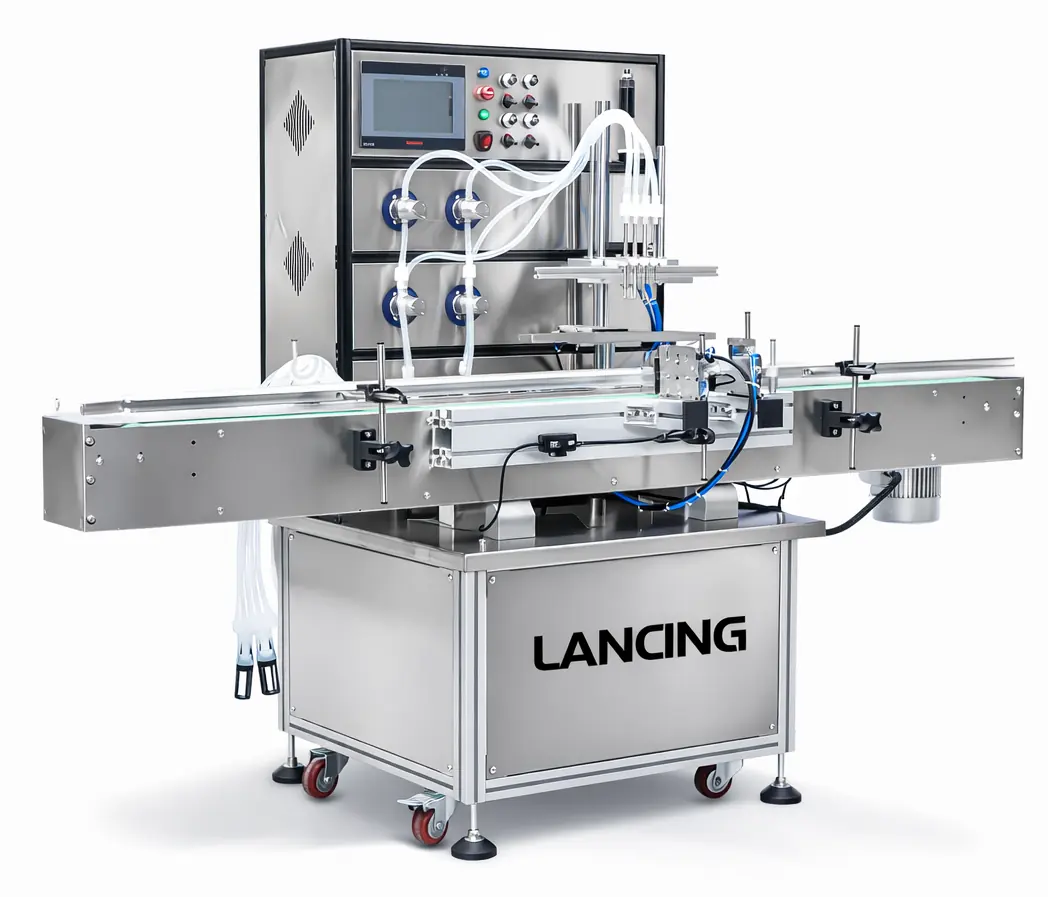
Vacuum filling sample trials
Define product, bottle and finished-level checks before final selection.
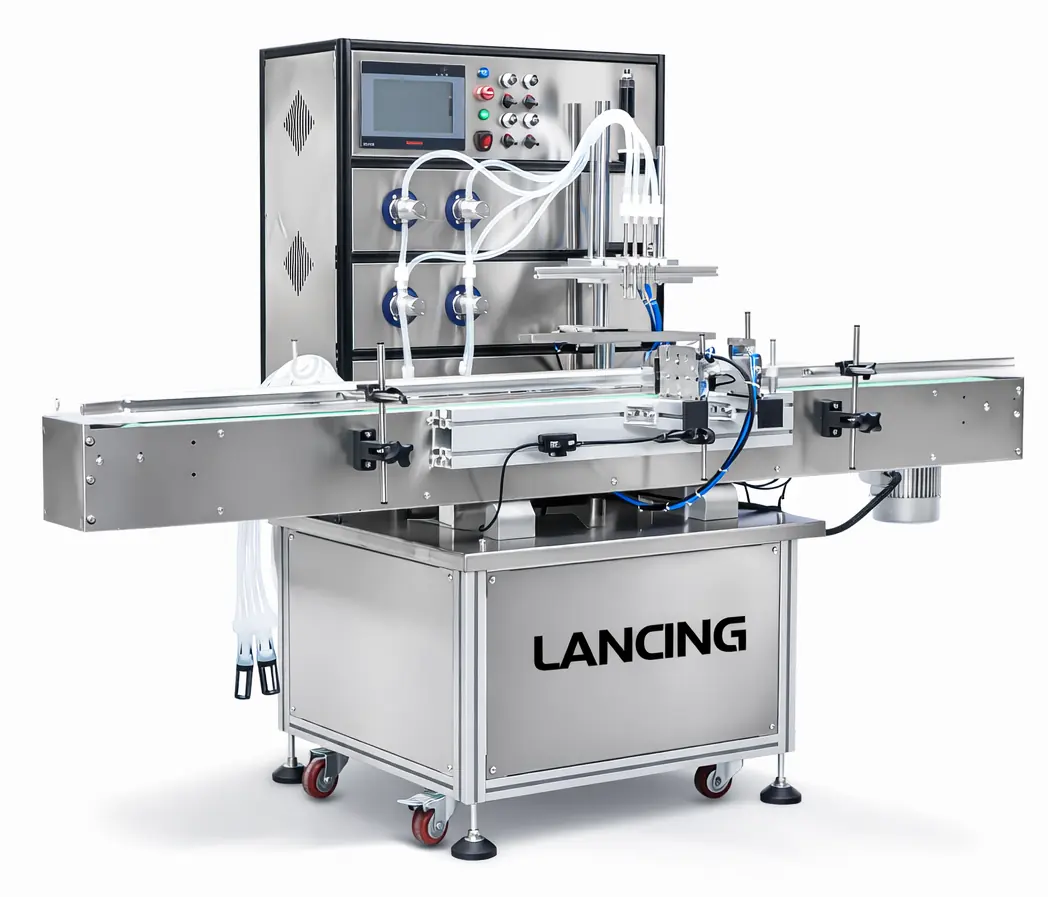
Filling cleaning and changeover
Plan contact-part access, recovery-vessel cleaning and format control.
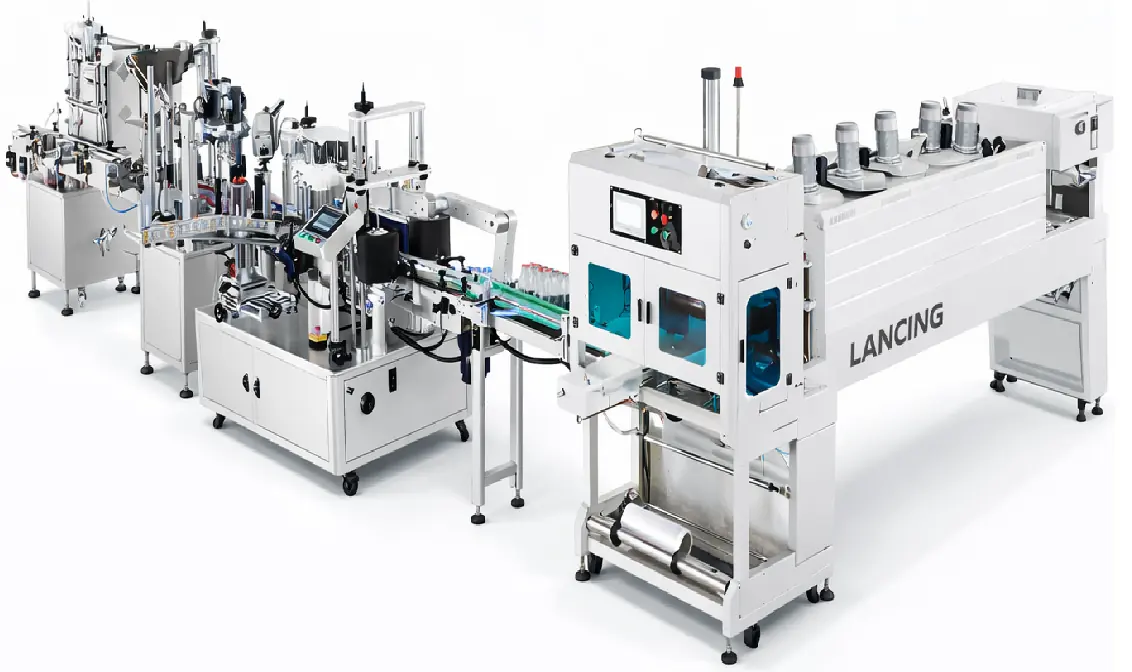
Filling machine acceptance
Agree representative materials, interventions and finished-pack evidence.
Related machinery guidance
Use the relevant guide to check application variables before a final machine configuration is confirmed.