Semi-automatic capping machines
Semi-automatic capping machines suit operator-loaded applications that need controlled tightening, crimping or closure application. Confirm the actual closure, tooling, operator cycle and finished-pack checks when assessing repeatability and workload.
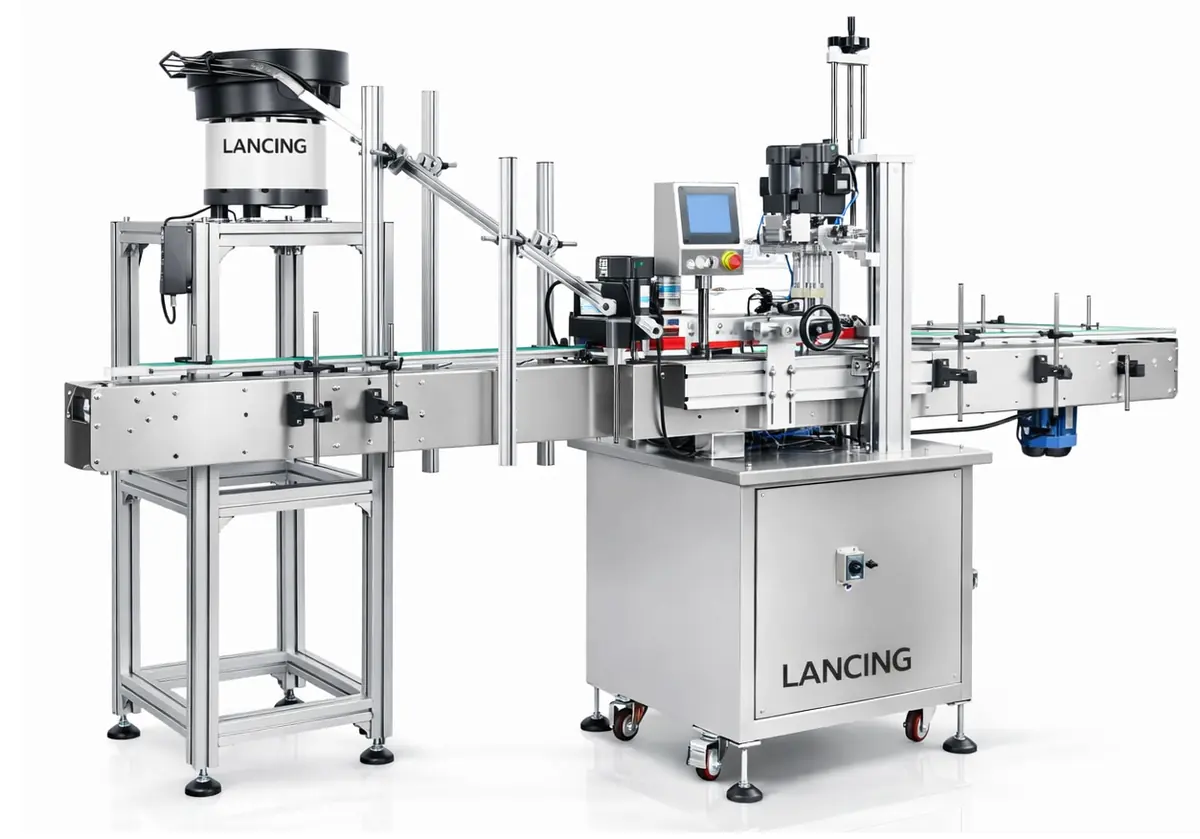
How to specify semi-automatic capping machines.
Use these points to prepare a stronger machinery enquiry and narrow the equipment range before quotation.
Best-fit applications
Semi-automatic capping machines are most useful when the machine format is matched to the product, pack and operator process rather than chosen from headline speed alone.
- small batch bottle and jar capping
- manual lines needing consistent torque or crimp quality
- production with frequent cap or container changeovers
Details to confirm before selection
Accurate specification starts with samples, real production targets and a clear view of what happens before and after this process.
- cap diameter, container height and torque requirement
- operator loading method and expected caps per minute
- tooling needs for different cap sizes or closure styles
Build a practical enquiry
Send product details, filled and empty pack samples, photos or videos of the current process, expected output and any site restrictions. This helps identify whether a standard machine, tooling change or integrated line is the correct route.
- Include product and pack photos where possible.
- State current output, target output and operator involvement.
- Confirm whether the requirement is standalone equipment or line integration.
Semi-automatic capping machines FAQs
Why use a semi-automatic capper?
It can provide a controlled closing step while the operator presents the pack or closure. Compare the actual cap, bottle, tooling, operator method and acceptance checks before deciding whether automatic cap feeding is needed.
Can it prevent over-tightening?
Torque-controlled systems help, but cap and neck quality still matter.
When should I automate cap feeding?
When manual placement becomes the bottleneck or introduces quality variation.
Continue comparing suitable options.
Use these related pages to narrow the machinery type and prepare a more accurate enquiry.
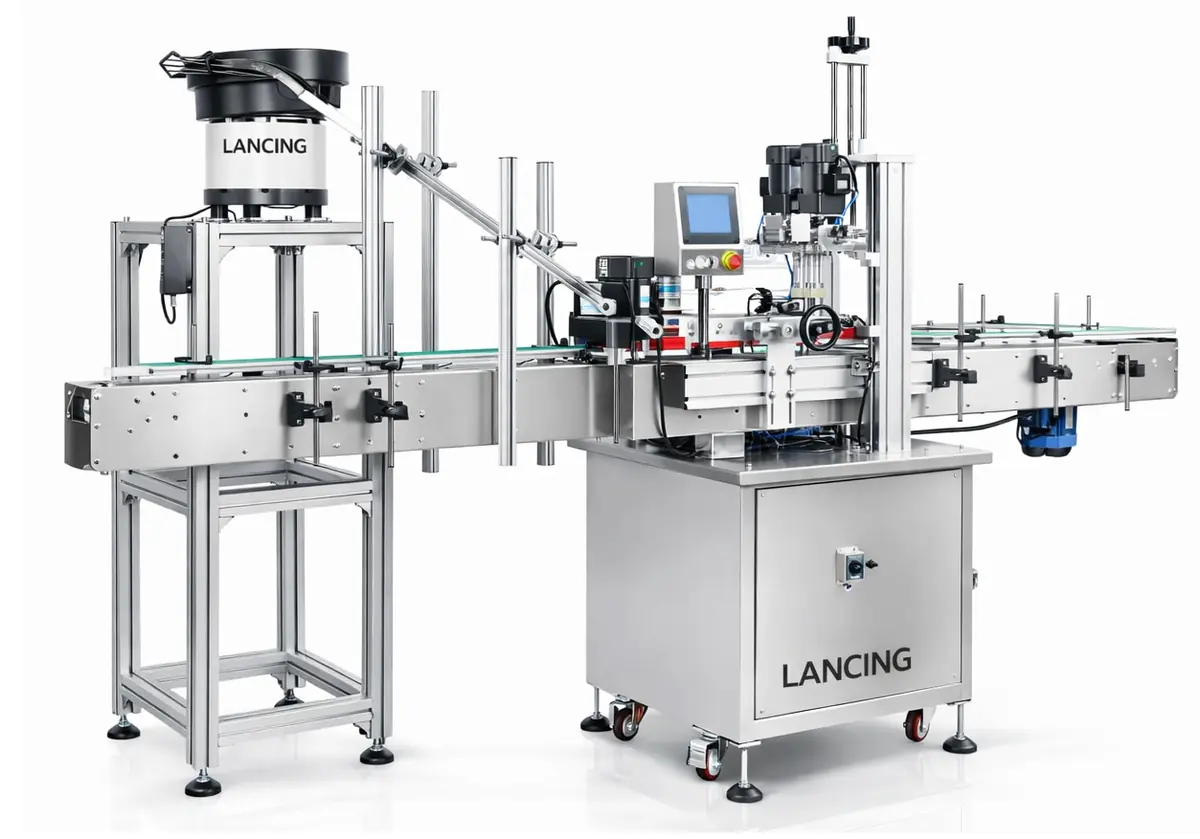
Bottle capping machines
Bottle capping machines for UK packaging lines including screw capping, trigger capping, pump capping, ROPP capping and cap feeding systems.
Screw capping machines
Automatic and semi-automatic cap tightening equipment.
Capping machines UK
Bottle and jar closing machinery for UK production lines.