UK packaging automation projects01494 623015sales@lancinguk.com
Operator and engineer readiness

How should packaging machinery operator training and handover be planned?

Packaging machinery training should be role-based, practical and tied to the actual installed configuration. The handover should show who can operate, change, clean, maintain and alter the equipment, what evidence has been retained and which actions remain open.

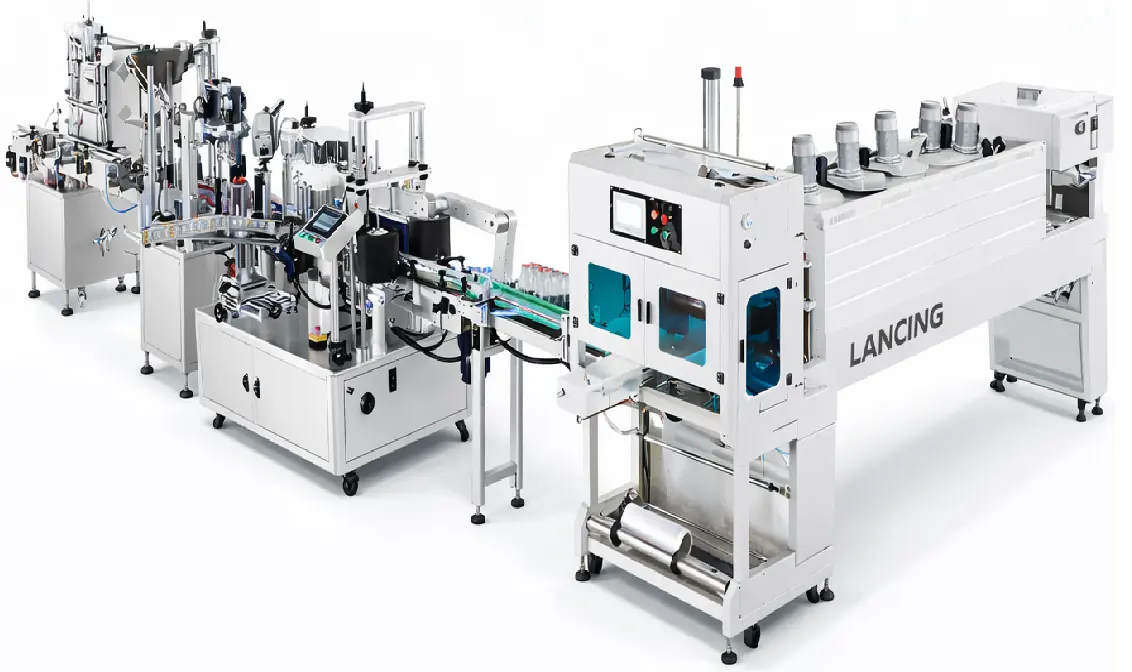
Integrated packaging machinery and conveyor line used for project planning guidance
Direct answer

Training should be based on the tasks people will actually perform.

Operator, changeover, cleaning and maintenance responsibilities should be separated so each person receives the information, practice and supervision relevant to their role.

Operators

Normal start, stop, format selection, replenishment, routine observations, safe clearing boundaries and escalation.

Changeover personnel

Controlled recipe selection, physical change parts, reference settings, first-off checks and restoration of guards.

Cleaning personnel

Approved cleaning sequence, product-contact parts, prohibited methods, reassembly checks and line clearance.

Maintenance personnel

Isolation, access, inspection points, adjustments, backups, wear parts and the limits of routine intervention.

Supervisors

Authorised formats, production release, deviation response, record control and refresher-training triggers.

Technical owners

Controlled parameters, software and recipe backups, change approval, spare-parts records and supplier support route.

Training preparation

What should be available before training starts?

  • The agreed machine configuration, production formats and any open commissioning actions.
  • Machine instructions, site procedures, risk assessment and safe isolation method.
  • Representative product and packaging components for practical tasks.
  • Approved recipes, reference settings, change parts and cleaning materials.
  • A role list identifying who operates, changes, cleans, maintains, supervises and authorises changes.
Practical evidence

How should competence be demonstrated at handover?

Attendance alone does not show that the task can be carried out safely and consistently. Evidence may include supervised operation, an observed changeover, completion of cleaning or line-clearance steps, recognition of stop conditions and knowing when to escalate rather than intervene.

  • Use a role-based checklist rather than one signature for every subject.
  • Record the machine, format, date and trainer or responsible person.
  • Note restrictions, further practice and tasks that remain outside the person's role.
  • Retain the record with the handover and site training system.
Training matrix

Match each subject to the people who need it.

The final training matrix depends on the machine, site organisation and task risk. The table below is a planning aid, not a certificate or substitute for site-specific assessment.

SubjectTypical participantsEvidence to retain
Normal operationOperators and supervisorsStart-up, normal stops, replenishment and escalation demonstrated
Format changeAuthorised changeover personnelCorrect parts, recipe, settings and first-off release sequence
Cleaning and line clearanceOperators, hygiene or cleaning personnelApproved sequence, reassembly, inspection and release record
Fault responseOperators, supervisors and maintenanceRecognition of safe limits and correct escalation route
Planned maintenanceCompetent maintenance personnelIsolation, access, inspection, lubrication and records as applicable
Controls and backupsAuthorised technical ownersRecipe ownership, program backups and controlled parameter changes
Handover pack

Keep the operating knowledge with the machine.

Training is more durable when the practical demonstration is supported by controlled reference information.

Approved formats

List the products and packaging combinations demonstrated at handover and any untested variants.

Reference settings

Retain recipes, mechanical references, change-part lists and controlled parameter ownership.

Routine checks

Define observable checks for product flow, pack quality, guards, sensors, consumables and waste.

Escalation route

State what operators may correct, what requires maintenance and what should be referred to Lancing.

Open actions

Record unfinished items, temporary arrangements, responsible owner and closure evidence.

Refresher triggers

Consider refresher training after significant changes, long gaps, repeated errors or introduction of a new format.

Training and competence are site responsibilities as well as supplier activities.

The Health and Safety Executive states that people using work equipment must receive adequate health-and-safety training and that competence combines training with knowledge, experience and skill. The employer remains responsible for suitable task allocation, supervision and refreshers. Review the current HSE training and competence guidance alongside the machine instructions and site procedures.

Buyer questions

Common questions about operator training and handover.

These answers clarify scope, evidence and responsibilities around production handover.

What should packaging machine operator training cover?

Packaging machine operator training should cover the approved operating sequence, normal start and stop, product and packaging replenishment, routine quality observations, permitted clearing actions, warning and alarm recognition, emergency response and escalation. It should use the actual machine, site procedures and representative production formats wherever practical.

Is operator training the same as maintenance training?

No. Operator training covers normal production tasks and safe escalation. Maintenance training concerns isolation, access, diagnosis, adjustment and component work that may need different knowledge and authority. The boundary should be explicit so operators are not expected to perform tasks outside their competence.

Should training cover every pack format?

Training should cover representative formats and every materially different changeover route included in the handover scope. Similar variants may use the same method, but a different container, closure, label, film path or tooling set may require separate demonstration. Untested formats should be identified rather than assumed equivalent.

When is packaging machinery refresher training needed?

Refresher training may be appropriate after significant machine or process changes, introduction of new formats, long periods without using a task, repeated operating errors, safety incidents or changes in personnel responsibilities. The timing should follow the site's training system and risk assessment rather than an arbitrary universal interval.

What should be recorded at packaging machinery production handover?

Record the installed configuration, demonstrated formats, training subjects and attendees, approved settings, change parts, documentation supplied, backups, spare parts, open actions, temporary arrangements and support contacts. The handover record should distinguish completed acceptance from items that remain subject to later evidence or customer action.

Plan operator training and machinery handover

Send the machine scope, operating roles, formats, cleaning responsibilities, maintenance boundary and site training requirements. Lancing can help define the handover information associated with the supplied machinery and project scope.

CallContact