Packaging line FAT and SAT acceptance planning
Factory acceptance testing and site acceptance testing should demonstrate agreed functions under defined conditions. A useful plan identifies the products and formats being tested, the evidence to record, permitted operator activity and the actions required when an observation remains open.
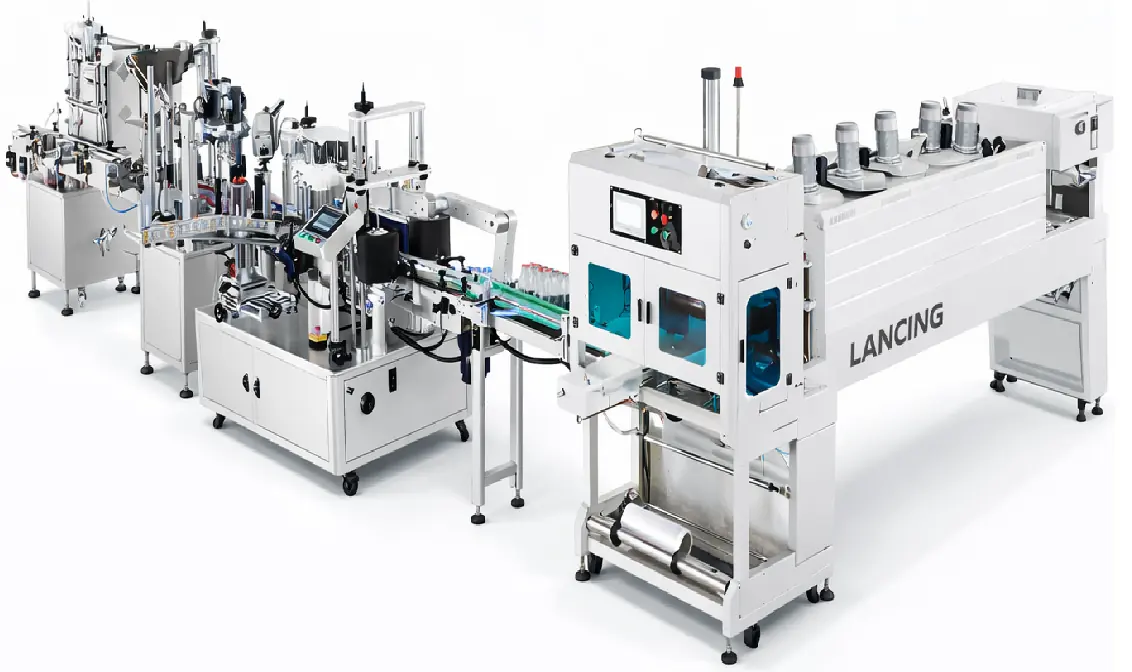
Make acceptance observable and repeatable
Testing is more useful when the parties agree what will be run, what will be checked and how deviations are recorded before the test begins.
Define the test basis
Name the product, packaging components, formats, recipes, line configuration and operating period. Record any substitution so the result is not applied beyond the condition that was demonstrated.
Observe the full process
Check pack quality, controls, stops, restart, changeover, replenishment and reject handling where they form part of the scope. A line can produce good packs yet still be difficult to operate or recover.
Control open actions
Record observations with responsibility, priority and closure evidence. Distinguish an agreed snag from a failure to meet a defined acceptance requirement.
Use FAT to confirm the configured equipment before dispatch
Factory acceptance normally takes place after the machinery has been assembled and configured but before it is dispatched. The exact scope depends on whether the project is a standalone machine, a partly integrated cell or a complete line. The plan should identify which interfaces can be represented at the supplier’s works and which can only be proven on site.
Representative product and packaging components are essential where machine behaviour depends on viscosity, foam, dust, fragility, cap variation, label release, film tracking or container stability. Agree the material quantities and delivery timing in advance. If water or dummy components are used for an initial function check, record that production suitability remains to be demonstrated.
- Verify agreed formats, change parts, recipes and supplied options.
- Observe normal start, stop, pause and restart sequences.
- Check pack-quality criteria for each included process.
- Record operator interventions, component replenishment and fault recovery.
- List incomplete site-dependent tests separately from factory actions.
Use SAT to prove installation and site-specific interfaces
Site acceptance begins after the equipment has been positioned, connected and commissioned in the production environment. It can confirm actual utilities, product transfer, retained equipment, safety interfaces, extraction, network connections and operator workflow that could not be represented at the factory.
The site must be ready, with the agreed materials, people and third-party support available. If production conditions differ from the approved scope, the effect should be reviewed before the test is treated as evidence of performance. SAT should not become an uncontrolled development session in which the acceptance basis changes during the run.
- Confirm installation against the approved layout and interface schedule.
- Run agreed products and formats using normal site services.
- Observe upstream and downstream blocked or starved conditions.
- Verify coding, inspection, reject and data functions included in scope.
- Record training, documentation and remaining handover actions.
Write criteria around the result, method and conditions
An acceptance statement should identify what is being measured or observed, how the check is made and the conditions that apply. For example, a pack-quality criterion may define the supplied product and component, the sample method, the feature inspected and the treatment of startup or planned intervention. The exact numerical limits must come from the project’s verified specification rather than a generic website.
Avoid criteria that depend on undefined terms such as “continuous”, “production speed” or “acceptable quality”. Define the operating period, planned stops, replenishment, permitted operator actions and method for handling rejects. Where a process relies on customer-supplied components, include the agreed quality and supply conditions.
- Separate functional checks from sustained production evidence.
- Identify the calibrated or approved method used for critical checks.
- Agree how startup packs, deliberate tests and known bad components are treated.
- Define who has authority to accept, reject or defer an item.
Keep a traceable route from observation to final sign-off
Not every observation prevents dispatch or production use. Classify actions according to their effect on safety, required function, quality, documentation or convenience. Each action should have a clear description, owner, target and evidence of closure. Photographs, revised drawings, software records or repeat test results may be appropriate depending on the item.
Changes made after testing should be assessed for their effect on previously demonstrated functions. Where a modification is significant, repeat the relevant part of the test rather than assuming the original result still applies. Keep the final accepted configuration, software backup and open-action status with the project record.
- Use one numbered action list across meetings and test stages.
- Record the final configuration and any agreed deviations.
- Link closure evidence to the exact action and machine version.
- Do not treat commercial payment status as technical acceptance unless the contract explicitly defines that link.
A practical FAT and SAT evidence schedule
The schedule should be proportionate to the project and focused on the functions and risks that matter to production.
| Scope and configuration | Machine serial or project reference, included modules, formats, tooling, software and options. |
|---|---|
| Test materials | Product, containers, closures, labels, film, cases, component condition and permitted substitutions. |
| Functional sequence | Start, stop, normal operation, replenishment, blocked/starved states, restart and controlled fault tests. |
| Pack quality | Agreed checks for filling, closure, label, seal, code, reject or finished-pack presentation. |
| Operating evidence | Defined run condition, planned interventions, sample method and result recording. |
| Changeover and cleaning | Included format changes, access, recipe selection and agreed cleaning demonstrations. |
| Interfaces | Upstream/downstream transfer, controls, safety, utilities, coding, inspection and data connections. |
| Actions and sign-off | Observation record, classification, owner, closure evidence, deviations and authorised acceptance. |
Prepare the acceptance test before materials are booked
The test plan should be reviewed while changes to scope, tooling and material supply can still be arranged.
- Latest approved scope, drawings and format schedule.
- List of functions that can be tested at the factory and those reserved for site.
- Representative production materials and agreed quantities.
- Pack-quality checks and approved measurement methods.
- Defined operating conditions and permitted interventions.
- Named witnesses and authority for decisions.
- Action classification and closure process.
- Documentation, software backup and training handover requirements.
A successful test can still produce useful actions
Acceptance does not require pretending that no observations exist. It requires transparent evidence that essential requirements are met and that any remaining agreed actions have controlled ownership.
Packaging line FAT and SAT questions
Is FAT required for every machine?
The appropriate test depends on project scope and risk. Even a simple machine benefits from agreed functional checks, while integrated lines usually need a more structured plan.
Can a water test prove a product filling application?
It may confirm basic movement or controls, but it does not necessarily represent viscosity, foam, aeration, dripping, compatibility or cleaning. Production product trials should be agreed where those factors matter.
What if the final site is not ready for SAT?
Record which site-dependent checks cannot be completed and avoid treating a restricted visit as final proof. Reschedule or define an agreed staged acceptance route.
Should changeover be included?
Include it when multi-format operation forms part of the required scope and when the necessary materials and tooling are available.
Who signs the test record?
Use named authorised representatives for the customer and supplier. The record should distinguish witnessing from formal contractual acceptance where those are different.
Related packaging automation guidance
Use these pages to continue from initial requirements through machinery selection, integration and acceptance.
Packaging machinery site readiness
Prepare access, services, interfaces and materials before site testing begins.
Packaging line sample trials
Design product and packaging trials that answer defined selection questions.
Packaging automation project brief
Translate the required business and production outcomes into an agreed testable scope.
Turn the guidance into a workable machinery brief
Send the information you already have, including samples, drawings, photographs or a process video where available. Lancing can help identify the remaining technical decisions before a quotation or line proposal is prepared.
Carry the accepted result into normal production.
SAT records the agreed test result; production ramp-up and handover establish repeatable operation, operator independence and closure of remaining actions.
Plan production ramp-up and handover
Increase operating demand in controlled stages and preserve traceable production evidence.
Complete role-based training
Demonstrate operating, changeover, cleaning and maintenance responsibilities.
Close responsibility gaps
Assign evidence, actions and handover deliverables to a named project owner.