Crown capping machines
Crown capping machines are selected for bottles that use crown closures. Bottle height, neck finish, cap specification and product handling all affect the final capping quality.
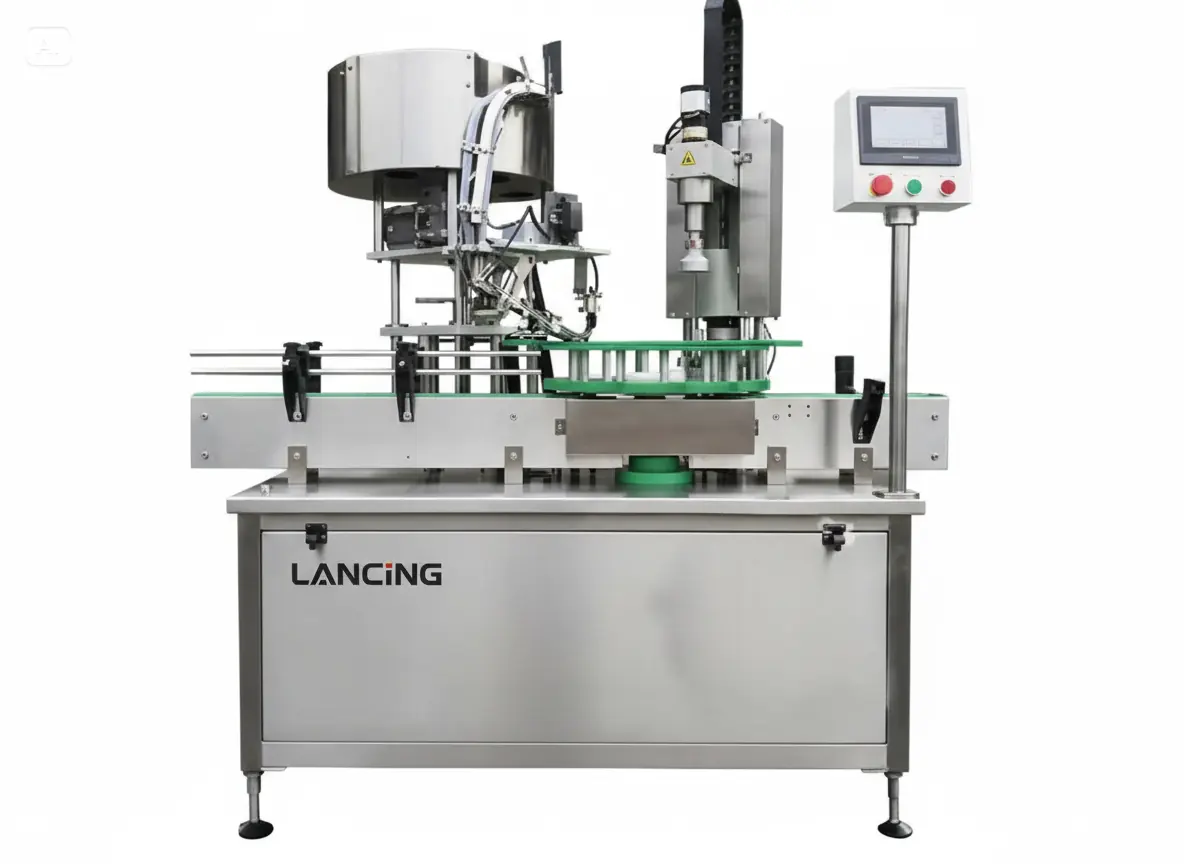
How to specify crown capping machines.
Use these points to prepare a stronger machinery enquiry and narrow the equipment range before quotation.
Best-fit applications
Crown capping machines are most useful when the machine format is matched to the product, pack and operator process rather than chosen from headline speed alone.
- glass bottles and specialist containers using crown caps
- semi-automatic or automatic crown closure application
- lines where bottle stability and closure finish are critical
Details to confirm before selection
Accurate specification starts with samples, real production targets and a clear view of what happens before and after this process.
- crown cap diameter and bottle neck finish
- bottle height, shoulder shape and filled weight
- operator placement or automatic cap feeding requirement
Build a practical enquiry
Send product details, filled and empty pack samples, photos or videos of the current process, expected output and any site restrictions. This helps identify whether a standard machine, tooling change or integrated line is the correct route.
- Include product and pack photos where possible.
- State current output, target output and operator involvement.
- Confirm whether the requirement is standalone equipment or line integration.
Crown capping machines FAQs
Is crown capping different from screw capping?
Yes. Crown caps are crimped onto the bottle finish rather than tightened by thread.
What samples are needed?
Bottle and cap samples are required to confirm tooling and closure performance.
Can crown cappers integrate into a line?
Yes, provided bottle handling, feed and outfeed are suitable.
Continue comparing suitable options.
Use these related pages to narrow the machinery type and prepare a more accurate enquiry.
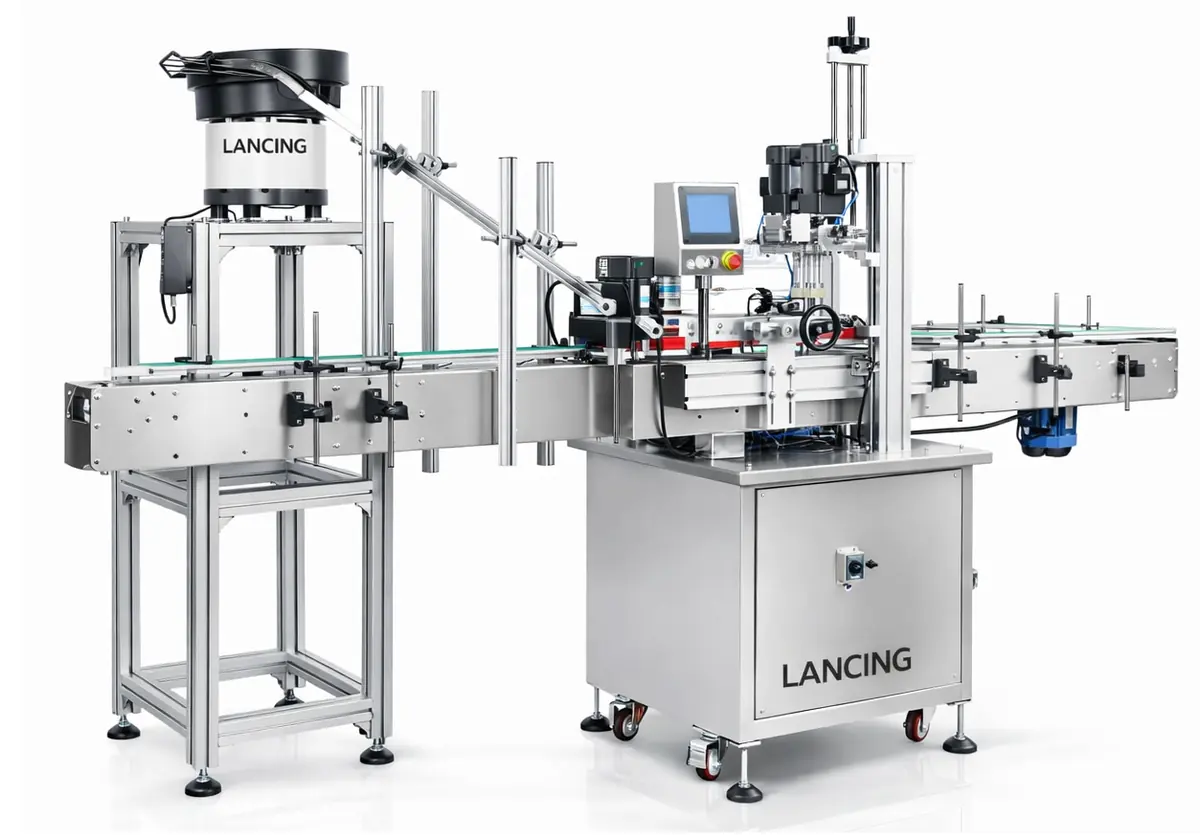
Bottle capping machines
Bottle capping machines for UK packaging lines including screw capping, trigger capping, pump capping, ROPP capping and cap feeding systems.
Capping machines UK
Bottle and jar closing machinery for UK production lines.
Capping machinery
Screw, trigger, pump, crimp, ROPP and crown capping machinery.