Semi-automatic filling machines UK
Semi-automatic filling machines improve repeatability while keeping operator loading and unloading simple. They are widely used for short runs, product trials and businesses moving away from hand filling.
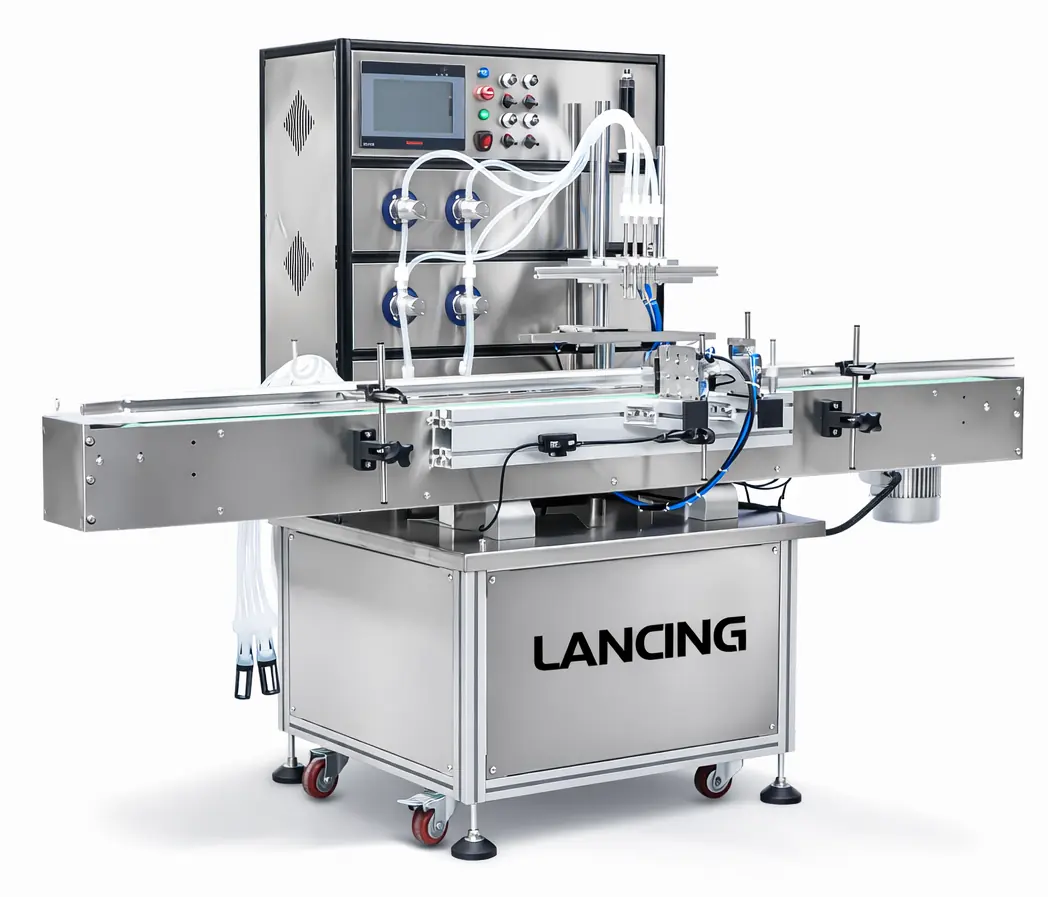
How to specify semi-automatic filling machines.
Use these points to prepare a stronger machinery enquiry and narrow the equipment range before quotation.
Best-fit applications
Semi-automatic filling machines UK are most useful when the machine format is matched to the product, pack and operator process rather than chosen from headline speed alone.
- small batch liquid, cream, paste, powder or granule production
- products with frequent flavour, fragrance, colour or pack changes
- pilot lines where flexibility matters more than maximum speed
Details to confirm before selection
Accurate specification starts with samples, real production targets and a clear view of what happens before and after this process.
- manual or foot-pedal operation and operator rhythm
- product contact materials, seals and cleaning route
- fill range, nozzle size, drip control and bench or floor standing format
Build a practical enquiry
Send product details, filled and empty pack samples, photos or videos of the current process, expected output and any site restrictions. This helps identify whether a standard machine, tooling change or integrated line is the correct route.
- Include product and pack photos where possible.
- State current output, target output and operator involvement.
- Confirm whether the requirement is standalone equipment or line integration.
Semi-automatic filling machines UK FAQs
How fast is semi-automatic filling?
Real speed depends on operator loading, fill volume, product behaviour and container handling, not only the stated dosing speed.
Can it fill different container sizes?
Usually yes within a defined fill range, but nozzle, support and height adjustments must be suitable.
When should I move to automatic filling?
When operator loading becomes the bottleneck or when the next processes need consistent machine-fed output.
Continue comparing suitable options.
Use these related pages to narrow the machinery type and prepare a more accurate enquiry.
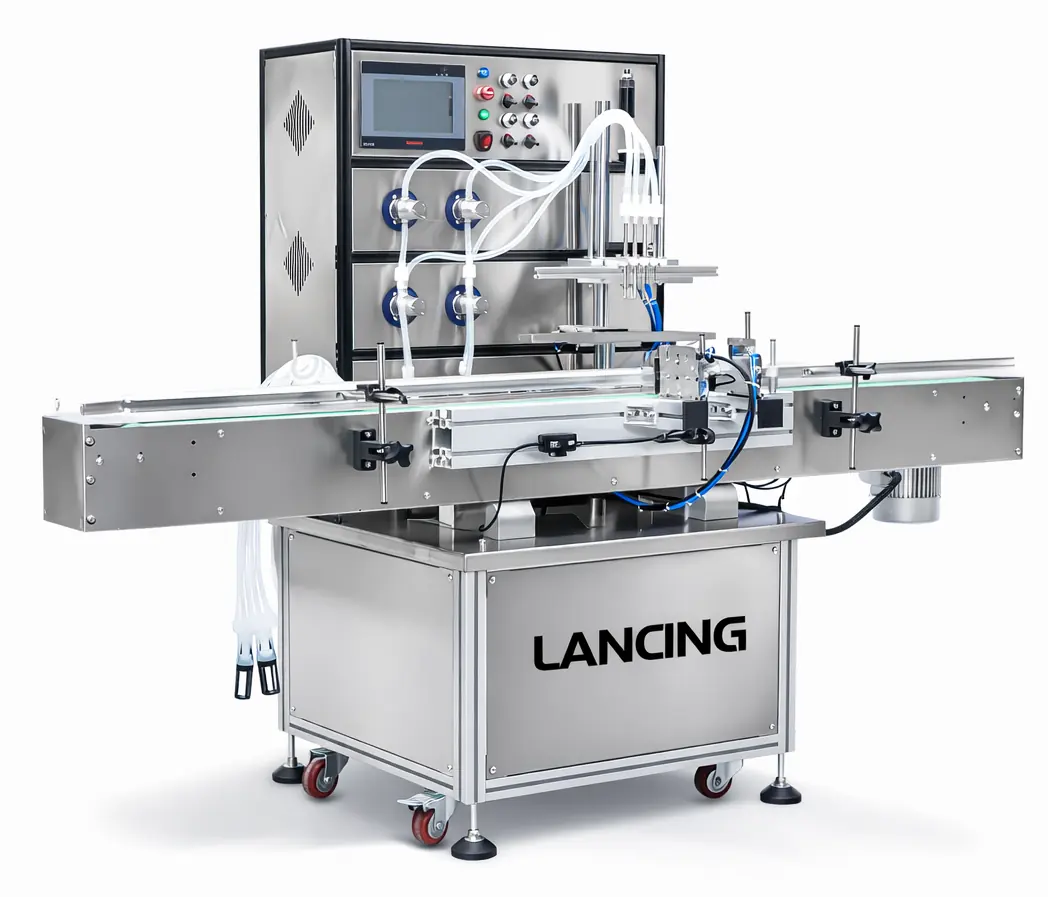
Automatic filling machines UK
Automatic filling machines for UK production lines, including liquid, paste, powder, granule and weight filling systems.
Bottle filling machines
Bottle filling equipment for liquid and viscous products.
Filling machinery
Liquid, paste, powder and granule filling equipment.