Sauce filling machines
Sauce filling machines must handle viscosity, temperature, particulates, clean-down and food contact requirements. The filling method should protect product quality while maintaining accurate dose and clean presentation.
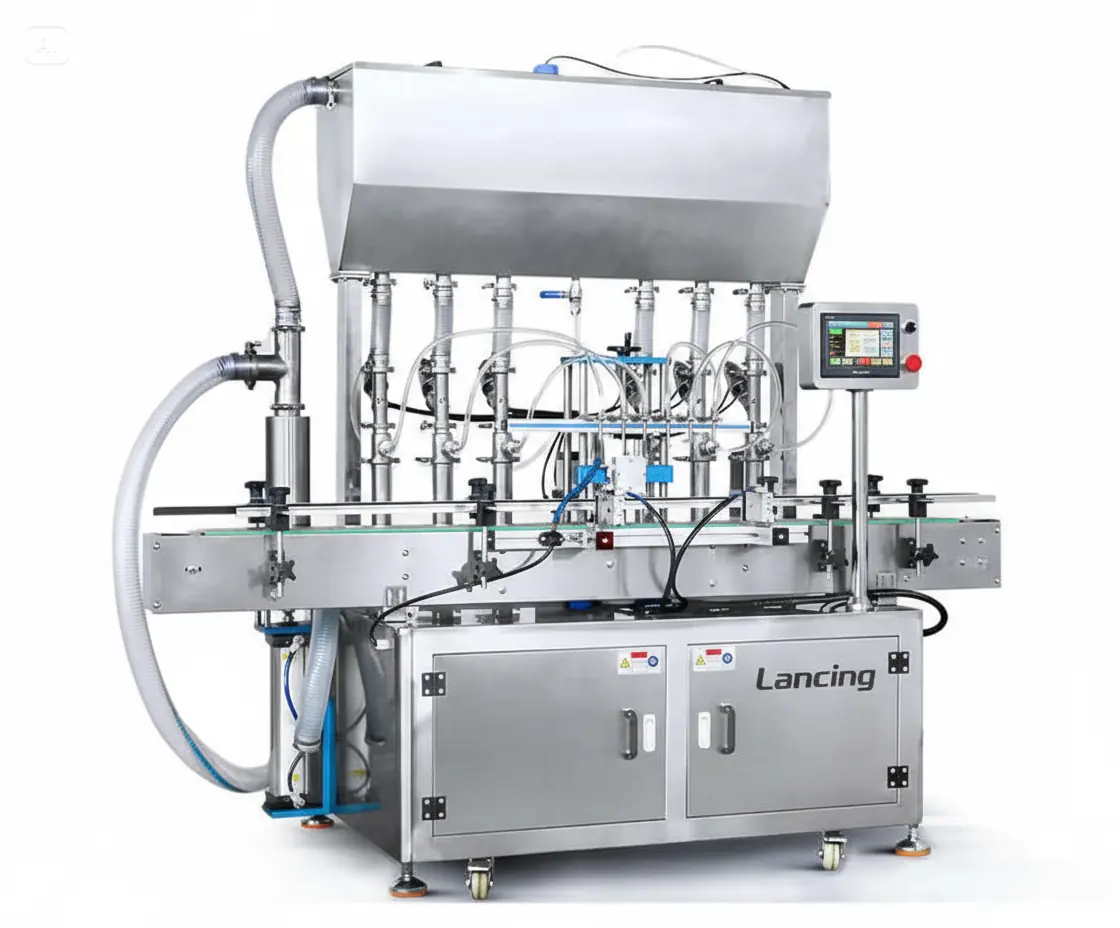
How to specify sauce filling machines.
Use these points to prepare a stronger machinery enquiry and narrow the equipment range before quotation.
Best-fit applications
Sauce filling machines are most useful when the machine format is matched to the product, pack and operator process rather than chosen from headline speed alone.
- sauces, dressings, marinades, chutneys and viscous food products
- bottles, jars, tubs and containers requiring clean filling
- lines that combine filling, capping, labelling and date coding
Details to confirm before selection
Accurate specification starts with samples, real production targets and a clear view of what happens before and after this process.
- hot or ambient filling temperature and viscosity
- particulate size, cleaning method and contact materials
- fill weight, container opening and target output
Build a practical enquiry
Send product details, filled and empty pack samples, photos or videos of the current process, expected output and any site restrictions. This helps identify whether a standard machine, tooling change or integrated line is the correct route.
- Include product and pack photos where possible.
- State current output, target output and operator involvement.
- Confirm whether the requirement is standalone equipment or line integration.
Sauce filling machines FAQs
Can sauces with particles be filled?
Sometimes, provided the particle size and product consistency suit the pump, valve and nozzle design.
Is hot filling possible?
It depends on the product and machine materials; temperature affects product flow and seal compatibility.
What is the next process to plan?
Capping, induction sealing, labelling and date coding should be reviewed with the filling stage.
Continue comparing suitable options.
Use these related pages to narrow the machinery type and prepare a more accurate enquiry.
Paste filling machines
Paste filling machines for viscous products including creams, gels, sauces, pastes, oils and semi-solid products in jars, bottles and tubs.
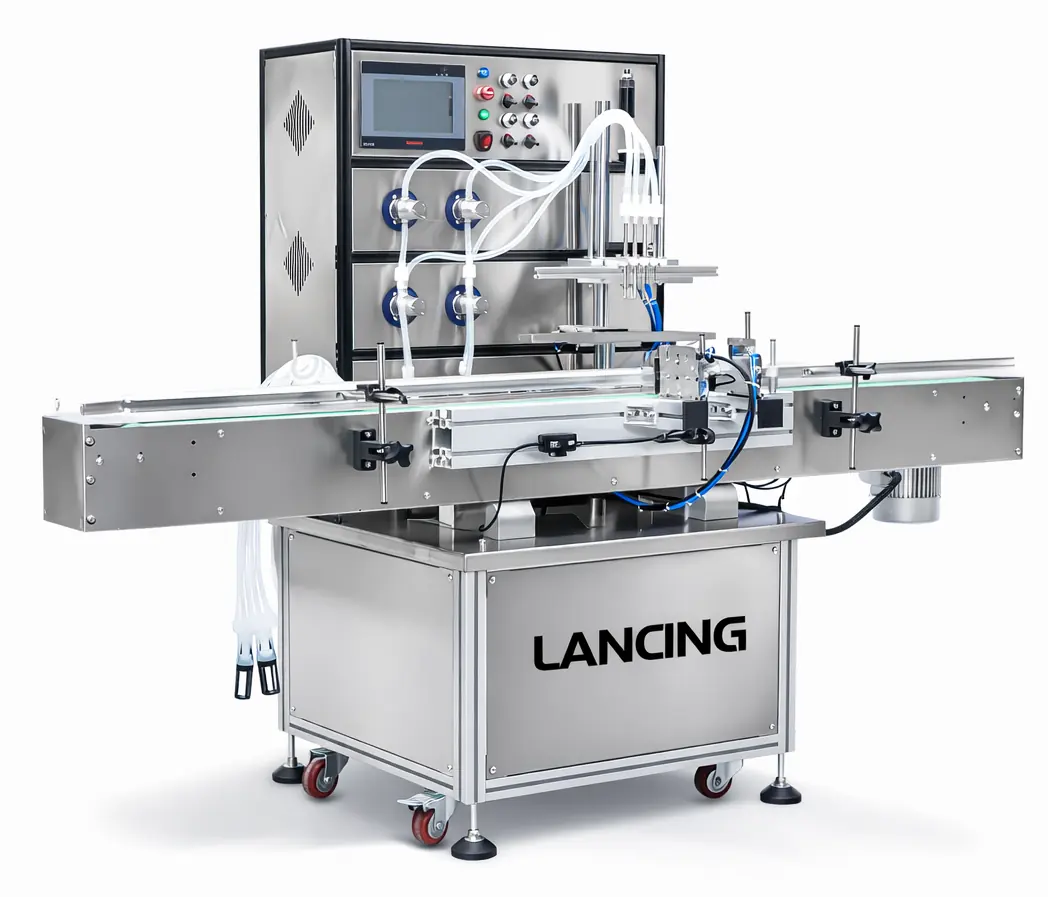
Food packaging machinery
Filling, sealing and labelling equipment for food packs.
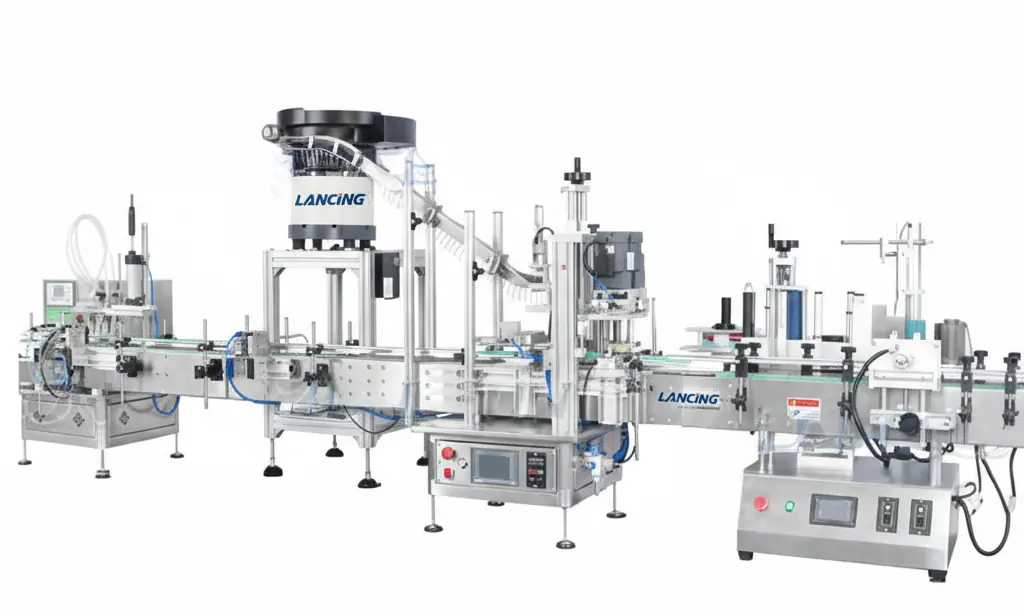
Sauce bottling lines
Sauce bottling lines for UK food production, integrating viscous filling, capping, labelling, coding and conveyors for bottles and jars.