UK packaging automation projects01494 623015sales@lancinguk.com
From commissioning to stable production

How should packaging line production ramp-up and handover be managed?

Packaging line production ramp-up is the controlled transition from installation and acceptance testing to repeatable day-to-day operation. It should preserve the accepted configuration, build production evidence, develop operator independence and close project actions without losing traceability.

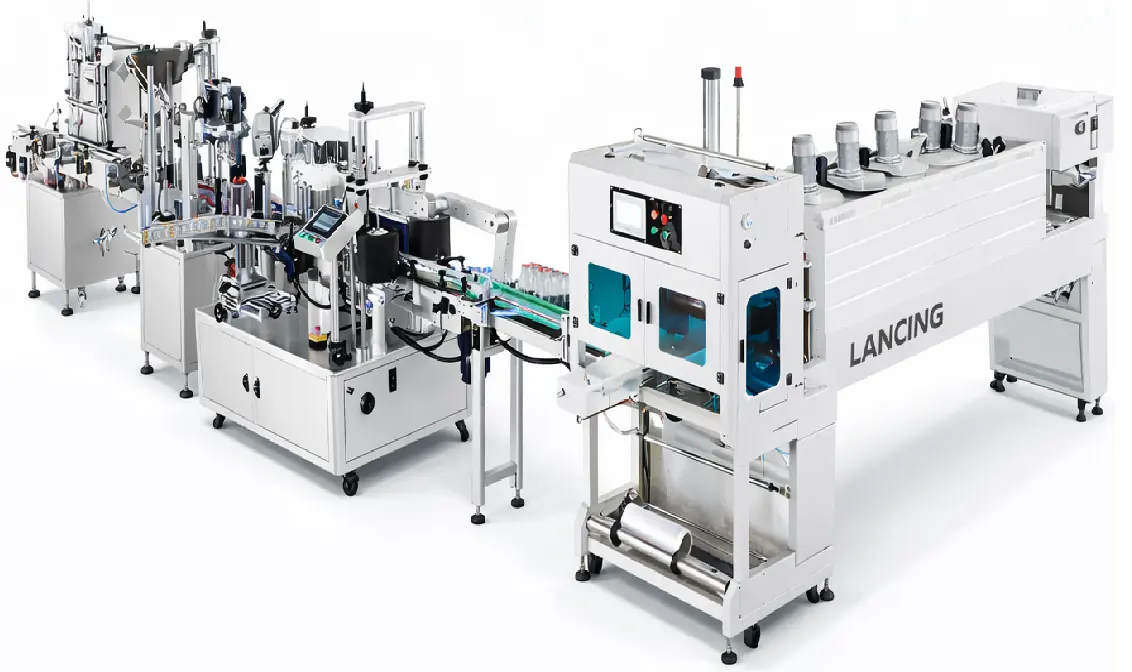
Integrated packaging machinery and conveyor line used for project planning guidance
Direct answer

Ramp-up turns a tested line into a repeatable production process.

SAT can show that the agreed checks were completed under stated conditions. Ramp-up adds repeated production evidence, operator independence, controlled changeovers, open-action closure and a support route for issues that appear only during normal use.

Controlled starting point

Use the accepted configuration, approved samples, agreed recipes and known open actions rather than introducing uncontrolled changes.

Staged operating demand

Increase run duration, format range and operator independence in planned steps while observing quality and line behaviour.

Traceable learning

Record stops, adjustments, packaging-component variation and corrective actions so the team can distinguish recurring causes.

Ramp-up sequence

Move through stable evidence rather than one headline run.

The sequence should be adapted to the machine and production risk. A new format, product or connected line may need different evidence from a familiar standalone machine.

StageMain objectiveEvidence to retain
Configuration checkConfirm installed hardware, programs, guards, utilities and documentationApproved configuration and open-action register
First production batchesVerify product flow, pack quality, operator tasks and stop recoveryBatch observations, rejects, stops and adjustments
Extended operationObserve replenishment, accumulation, heat, contamination, wear and line interactionsRun records and cause-based action list
Format changeProve recipes, change parts, line clearance and first-off releaseChangeover record and approved first-off packs
Operator independenceConfirm the trained team can run, clear routine stops and escalate correctlyObserved task completion and training records
Handover closureClose actions, transfer records and confirm support responsibilitiesControlled handover pack and accepted remaining actions
Production evidence

What should be monitored during ramp-up?

  • Good packs, rejects and the reason for each significant loss.
  • Machine and line states, including starved, blocked, faulted and operator stops.
  • Product and packaging-component batches associated with changes in behaviour.
  • Manual interventions, replenishment frequency and material-handling constraints.
  • Recipe, mechanical setting and change-part changes made after acceptance.
  • Outstanding actions, owner, due date and evidence needed for closure.
Change control

Protect the accepted configuration while problems are resolved.

Ramp-up can produce many small adjustments. Without controlled records, a helpful change on one format can create a fault on another or make the accepted configuration impossible to reproduce.

  • Record the original value, new value, reason and affected formats.
  • Control who can alter recipes, PLC or drive parameters.
  • Back up programs and settings after approved changes.
  • Retest the function and any connected safety or quality consequence.
  • Update reference documents and training when the operating method changes.
Handover pack

Transfer the information needed to run and support the line.

The final pack should match the delivered scope and distinguish original documentation, site records and later approved changes.

Configuration

As-installed drawings, machine list, software and parameter backups, approved formats and change parts.

Operating information

Normal sequence, recipes, reference settings, quality checks, replenishment and routine stop recovery.

Maintenance information

Inspection points, lubrication, wear items, cleaning requirements, parts records and escalation route.

Training records

Roles, subjects, formats demonstrated, restrictions, attendees and refresher actions.

Acceptance evidence

FAT/SAT results, production observations, deviations, waivers and agreed closure evidence.

Support route

Machine identity, service contacts, remote-access rules, spares position and open warranty or support actions where applicable.

Buyer questions

Common questions about production ramp-up and handover.

These answers distinguish project acceptance from the operational learning needed after commissioning.

What is packaging line production ramp-up?

Packaging line production ramp-up is the controlled period after installation and initial acceptance in which run duration, format range and operator independence are increased while pack quality, stops, adjustments and interfaces are recorded. Its purpose is to establish repeatable production and close issues that only become visible under normal operating conditions.

Is ramp-up the same as site acceptance testing?

No. Site acceptance testing checks agreed requirements under defined conditions and records the result. Ramp-up is a broader operating phase that may cover multiple batches, shifts, formats and operators. The two should be linked so ramp-up does not become an undefined extension of acceptance or a substitute for closing test failures.

How long should packaging line ramp-up take?

There is no reliable universal duration. Ramp-up depends on machine complexity, number of formats, product variation, shift pattern, operator experience, upstream and downstream readiness and the seriousness of open actions. Define completion using observable evidence rather than an unsupported fixed number of days.

Who owns actions found during packaging line ramp-up?

Each action should have a named owner based on the agreed project boundary. Supplier actions, customer site tasks, packaging-material issues and third-party interface faults should be distinguished. The action register should state the problem, consequence, interim control, due date and evidence required for closure.

What information should be kept after packaging line handover?

Keep the approved configuration, programs and settings, format and change-part records, operating and cleaning instructions, maintenance information, spares, training records, acceptance evidence, production observations, open-action closure and support contacts. Later approved changes should be added so the record continues to describe the machine actually in production.

Plan packaging line ramp-up and production handover

Send the accepted scope, formats, production pattern, training plan, open actions and evidence required for handover. Lancing can help define the delivery and support responsibilities associated with the supplied machinery and integration scope.

CallContact