Bag filling machines
Bag filling machines are specified by product behaviour, bag size, required dose and how the bag is presented for filling and sealing. Feeding, weighing and dust control are key considerations.
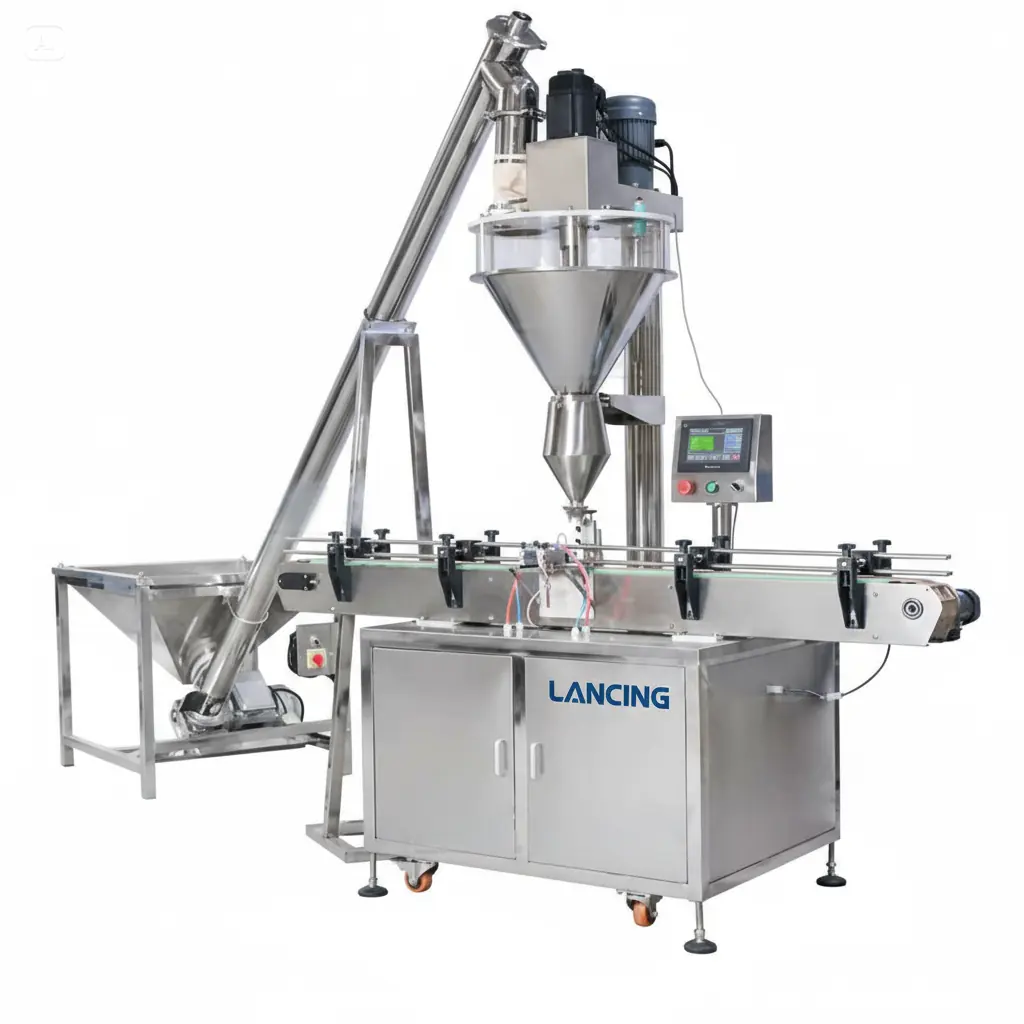
How to specify bag filling machines.
Use these points to prepare a stronger machinery enquiry and narrow the equipment range before quotation.
Best-fit applications
Bag filling machines are most useful when the machine format is matched to the product, pack and operator process rather than chosen from headline speed alone.
- powders, granules, pellets, pieces and dry products
- small bags, pouches, sacks and containers depending on machine size
- bagging lines needing weighing, filling and sealing
Details to confirm before selection
Accurate specification starts with samples, real production targets and a clear view of what happens before and after this process.
- bag dimensions, material and whether bags are pre-made or formed
- product bulk density, dust and flow behaviour
- dose accuracy, output and downstream sealing method
Build a practical enquiry
Send product details, filled and empty pack samples, photos or videos of the current process, expected output and any site restrictions. This helps identify whether a standard machine, tooling change or integrated line is the correct route.
- Include product and pack photos where possible.
- State current output, target output and operator involvement.
- Confirm whether the requirement is standalone equipment or line integration.
Bag filling machines FAQs
Do bag fillers use weighing?
Often yes, especially where product density or particle size varies.
Can dusty products be bagged?
Yes, but extraction, fill spouts and seal contamination need review.
What else is needed after filling?
Most bagging lines require sealing, coding and sometimes checkweighing or metal detection.
Continue comparing suitable options.
Use these related pages to narrow the machinery type and prepare a more accurate enquiry.
Granule filling machines
Granule filling machines for UK manufacturers packing free-flowing granules, pieces and particulate products into bags, jars, tubs and containers.
Powder filling machines
Powder filling machines for UK production, including auger fillers, weighing fillers and powder packing equipment for bottles, jars, tubs and pouches.
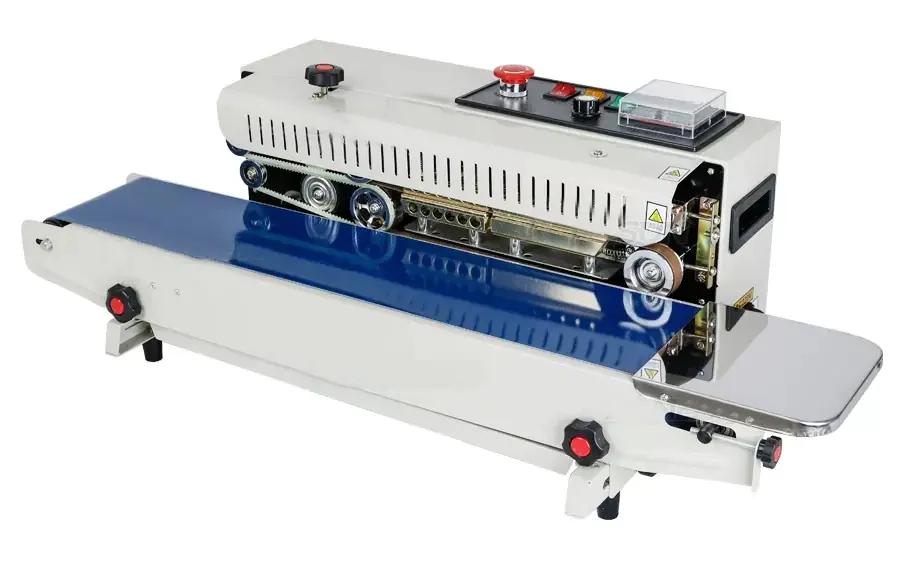
Continuous band sealers
Continuous band sealers for UK packaging lines sealing bags and pouches with heat, pressure and conveyor-fed operation.